

Texture Tiles – Adding Depth, Character & Architectural Strength to Every Surface
Texture tiles feature surface-printed rough patterns that add depth, realism, and grip, enhancing visual impact while offering functional durability for high-traffic, wet, and outdoor spaces.
-
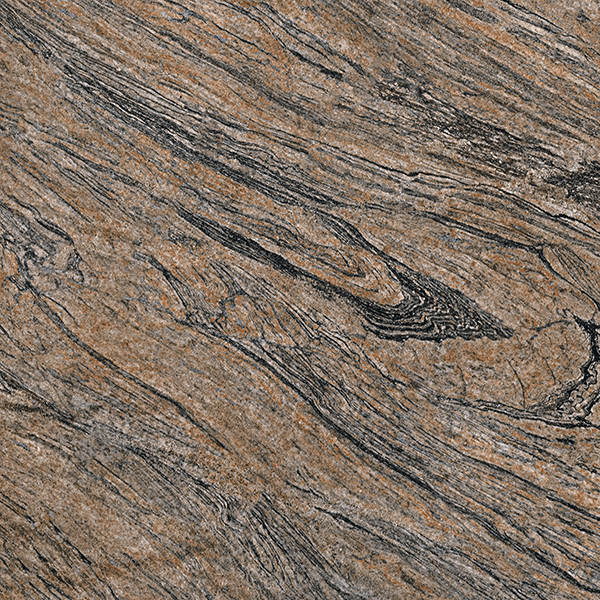 JUBRANA
 -
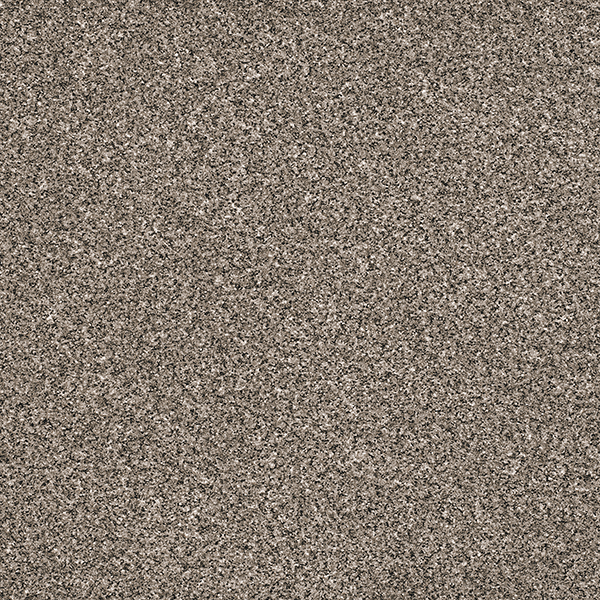 PERSIAN BROWN
 -
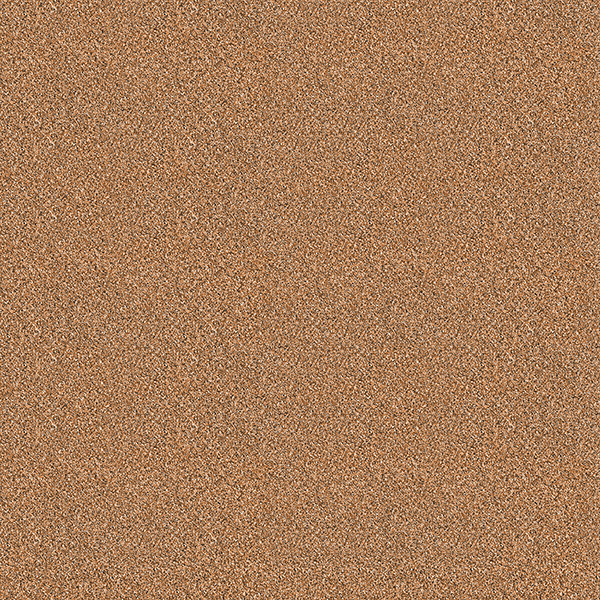 RUSTIC BROW-11
 -
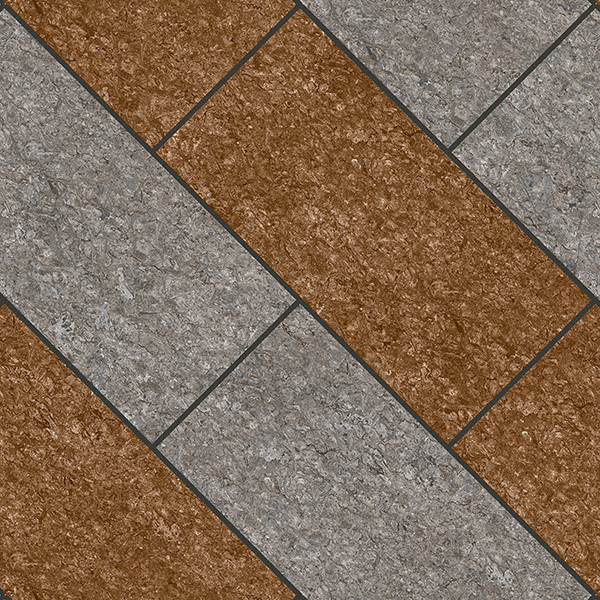 RUSTIC FRENCH BROWN
 -
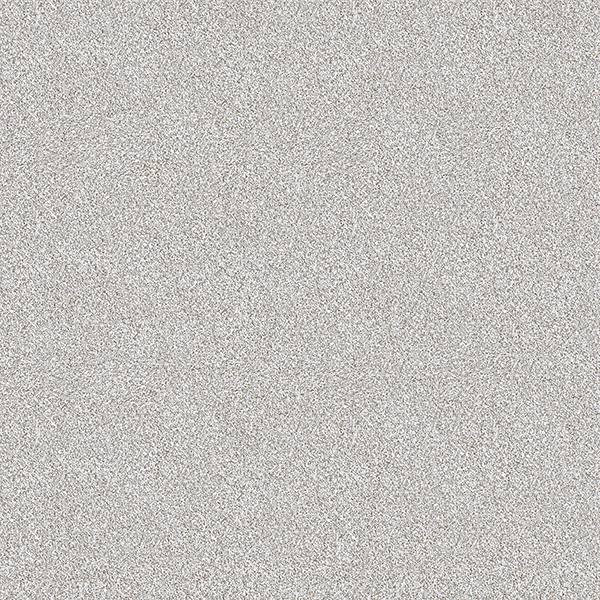 RUSTIC GRES_11
 -
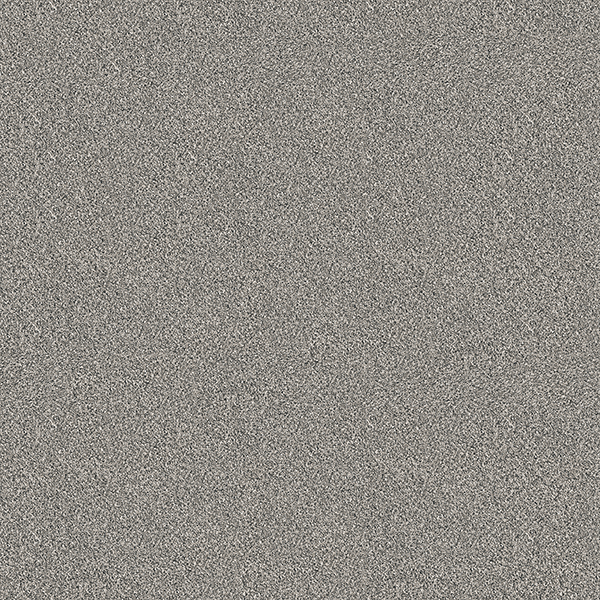 RUSTIC GRIGIO GREY-11
 -
 RUSTIC IVORY_OK
 -
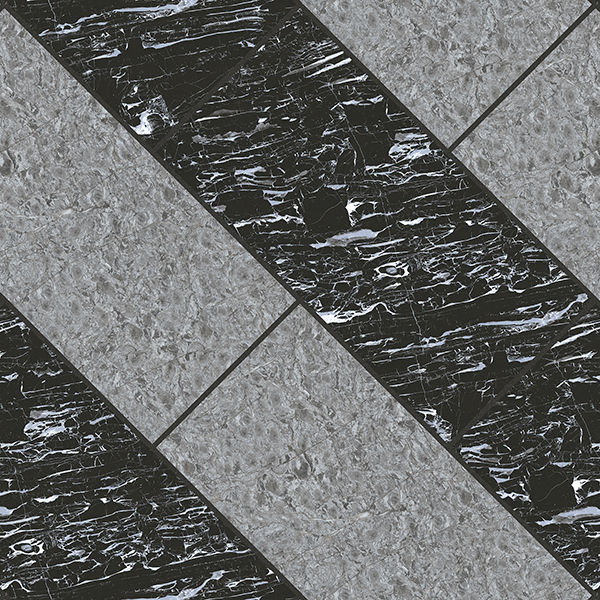 RUSTIC MARQUNA
 -
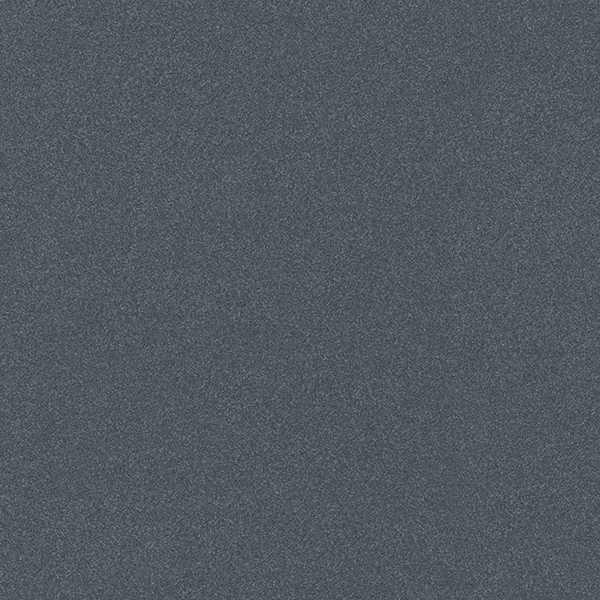 RUSTIC NERO_OK
 -
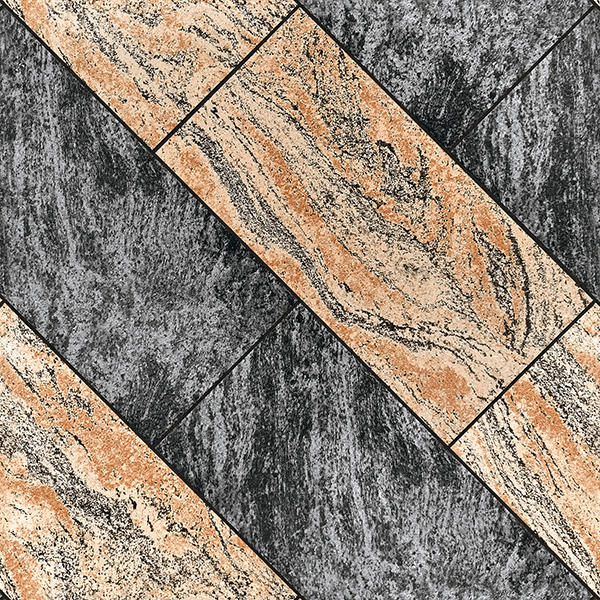 RUSTIC OMEN BEIGE
 -
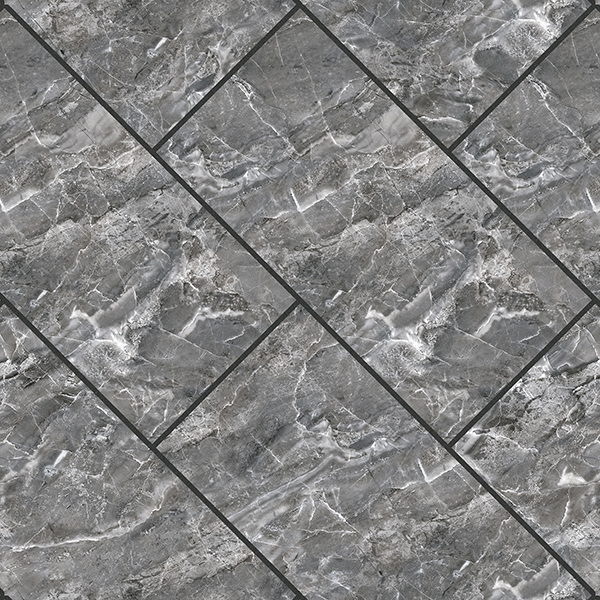 RUSTIC RIO GREY
 -
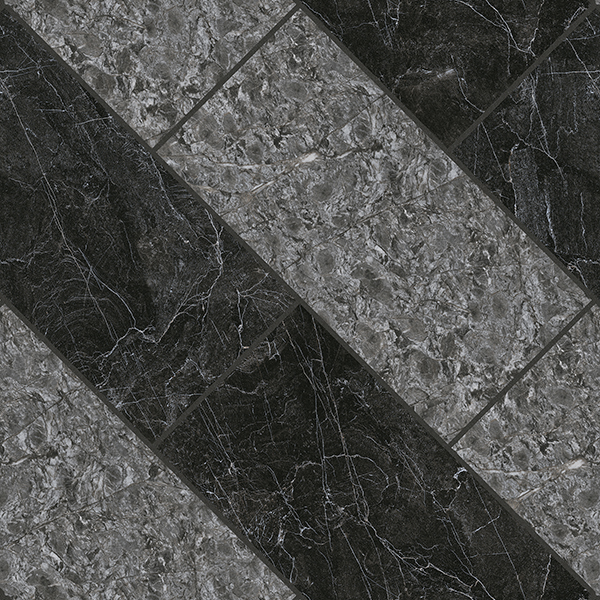 RUSTIC SALMON GREY
 -
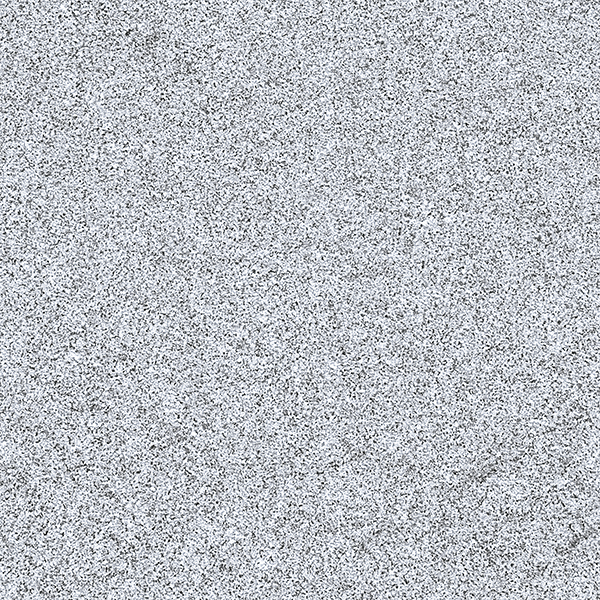 SHELL WHITE
 -
 6060FB RUSTY BEIGE
 -
 6060FB RUSTY CARBON
What Sets Texture Tiles Apart?
Texture tiles deliver more than visual appeal; they enhance grip, realism, and architectural depth. Here’s why designers, architects, and homeowners choose texture tiles:
1. Texture Creation Methods – Clear Industry Distinction
Texture on tiles is created in two ways, but only one applies here:
- Punch Texture (Body Punch):
Texture formed by physically punching or carving the tile body. This belongs to a different category and is not part of this texture tile offering. - Printing (Offered Here):
Texture created using digital printing or manual printing, producing raised or grainy surfaces that feel rough while keeping structural consistency.
This method creates authentic texture without compromising durability.
2. Rough-to-Touch Finish – Extra Grip & Strong Visual Impact
Texture tiles are intentionally rough when touched.
Benefits:
- Provides additional grip underfoot
- Reduces slip risk in wet and semi-outdoor areas
- Enhances architectural depth on walls
- Makes surfaces feel bold and grounded
This makes them ideal for bathrooms, balconies, feature walls, and commercial flooring.
3. Highlighter & Accent Usage – Designed to Stand Out
Texture tiles are most commonly used as highlighter tiles also as full-surface applications.
Design advantages:
- Creates contrast against plain or matte tiles
- Adds focal points to walls and elevations
- Enhances TV units, reception walls, and façade zones
- Avoids visual flatness in large interiors
Their rough surface naturally draws attention.
4. Natural Material Feel – Stone, Cement & Fabric-Inspired Looks
Because of their surface depth, texture tiles replicate natural materials more realistically.
Design impact:
- Stone and slate look more authentic
- Cement and concrete textures feel raw and industrial.
- Jute and linear patterns add modern design character.
- Perfect for rustic, industrial, and architectural themes
They bring a natural, earthy feel into modern spaces.
5. Cleaning Reality – Honest Performance Insight
Due to surface grooves and raised patterns, texture tiles require slightly more effort to clean, especially on walls.
Important considerations:
- Dust and grease may settle into textured areas
- Wall cladding needs occasional brushing or detailed wiping.
- Not recommended for heavy oil splash zones unless planned carefully
This trade-off is balanced by their design strength and grip.
6. Versatile Application – Indoor, Outdoor & Commercial Ready
Texture tiles adapt well across residential and commercial spaces.
Versatility advantages:
- Suitable for walls, floors, balconies, façades, and parking zones
- Available across ceramic, porcelain, and vitrified categories
- Works with modern, rustic, industrial, and natural themes
- Adds depth without relying on shine or colour contrast
Most Popular Colours Available in Texture Tiles
- Grey – An architectural, concrete-inspired shade ideal for modern and industrial spaces.
- Brown – A warm, earthy tone perfect for rustic and natural designs.
- Beige – A soft neutral that enhances stone and sand-inspired textures.
- Ivory – A light shade that balances rough texture with elegance.
- White – A subtle textured white that adds depth without glare.
- Black – A bold, rugged colour used for statement walls and exteriors.
- Terracotta – A traditional earthy shade ideal for Indian and outdoor areas.
- Green – Nature-inspired tones suitable for biophilic and outdoor themes.
- Sandune – A desert-inspired shade perfect for calm, organic spaces.
- Blue – Muted stone-blue tones for artistic and modern applications.
- Multi-Colour – Layered stone and slate mixes for dramatic feature walls.
- Wood Brown – Textured wood-look finishes for warm, natural aesthetics.
Spaces That Love Texture Tiles
Living Rooms
In living rooms, texture tiles are primarily used to create architectural feature walls, TV back panels, and premium flooring with a grounded feel. For walls, Ceramic texture tiles in 300×450 mm and 300×600 mm are ideal for controlled texture usage and easy installation. Flooring works best with Porcelain 600×600 mm and 600×1200 mm, offering subtle grip and durability. For larger, premium living spaces, Vitrified texture tiles in 600×600 mm, 600×1200 mm, and 800×1600 mm deliver seamless flooring and bold design continuity.
Bedrooms
Texture tiles in bedrooms create warmth and tactile comfort without visual harshness. Headboard and accent walls typically use Ceramic 300×450 mm or 300×600 mm, especially in fabric, jute, or stone-inspired textures. Flooring is best achieved with Porcelain 600×600 mm for balanced aesthetics or Vitrified 600×600 mm and 600×1200 mm for a more premium, continuous surface. Deep textures should be avoided on full-height walls to maintain easy maintenance and visual calm.
Kitchens (Walls, Floors & Dining Areas)
In kitchens, textured tiles are used selectively due to their rough surface. For backsplashes and decorative wall sections, Ceramic 300×600 mm and 300×450 mm tiles are preferred, as they allow better control over cleaning zones. Full wall usage is not recommended near cooking areas. For floors, Porcelain 600×600 mm or 600×1200 mm provides slip resistance and durability. In premium kitchens or dining areas, Vitrified 600×600 mm and 600×1200 mm texture tiles offer strength while maintaining a refined look.
Bathrooms
Bathrooms are one of the most suitable areas for textured tiles due to their anti-slip properties. Wall tiles in Ceramic 300×300 mm are commonly used for shower zones, niches, and accent sections. Full wall applications should use moderate textures to reduce soap residue buildup. For flooring, Porcelain 600×600 mm is ideal for safety, while Vitrified 600×600 mm and 600×1200 mm are used in larger bathrooms for enhanced continuity and durability.
Commercial Spaces (Showrooms, Offices & Boutiques)
Commercial environments benefit greatly from texture tiles due to their wear resistance and architectural impact. Flooring in Vitrified 600×600 mm, 600×1200 mm, 800×1600 mm, and 1200×1800 mm handles heavy foot traffic and maintains surface grip. Wall cladding and branding walls typically use Ceramic 300×600 mm or Porcelain 600x600 mm and 600×1200 mm texture tiles as highlighters rather than full coverage to manage cleaning requirements.
Pooja Rooms
Texture tiles add spiritual depth when used in subtle, stone-inspired finishes. It creates a calm and sacred backdrop. Flooring works best with Porcelain or Vitrified 600x600 mm, offering stability, grip, and visual serenity without overpowering the space.
Balcony Areas
Texture tiles are ideal for balconies due to their slip resistance and weather-friendly surface. Flooring in Porcelain 600×600 mm or Vitrified 600×600 mm and 600×1200 mm ensures safety during rain or moisture exposure. Wall applications use Ceramic 300×600 mm to enhance aesthetics while keeping maintenance manageable.
Parking Areas
Although body-punched tiles dominate parking zones, textured vitrified tiles are also used in covered or light-duty parking areas. Porcelain 400x400 mm or 500x500 mm and Vitrified 600×600 mm or 600×1200 mm tiles with glaze-based texture provide grip and strength but should not be confused with punch-based parking tiles.
Bring Strong Surface Character to Your Space with TilesFinders
Texture tiles are ideal when you want depth, grip, and architectural strength rather than shine. From jute-inspired walls to stone-textured floors, TilesFinders offers a curated range of digitally textured tiles across ceramic, porcelain, and vitrified categories, designed to perform beautifully and look bold for years.
FAQs
Texture tiles are tiles with a deliberately rough or uneven surface created through printing or special glaze layers, designed to add depth, grip, and a tactile feel to walls and floors.
Texture tiles require slightly more effort to clean, especially on walls, because dust or grease can settle into grooves.
Yes, but only for backsplashes or highlight areas. Full-wall usage near cooking zones is not recommended due to cleaning challenges caused by the rough surface.
No. Texture tiles range from mild (fine lines, fabric, jute) to medium and deep textures (stone, slate, concrete). The depth should be selected based on the area and cleaning comfort.
Yes. Texture tiles are ideal for shower floors and wet zones due to their anti-slip surface, but moderate textures are preferred for easier cleaning.
Yes. Many texture tiles are used for façades, elevations, and boundary walls, especially stone and concrete textures, provided they are rated for outdoor use.