
High Gloss Floor Tiles for Premium Living Room Interiors
Transform your space with premium high-gloss tiles. Discover the best large-format sizes, styling...


Loading designs...






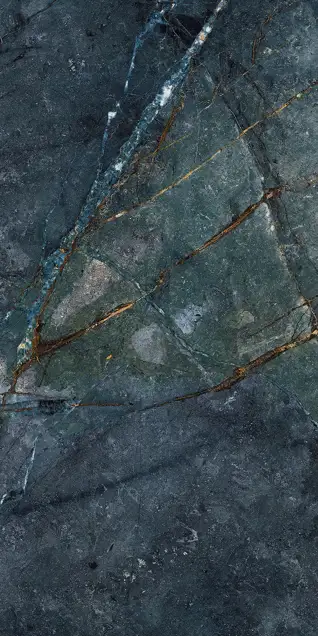

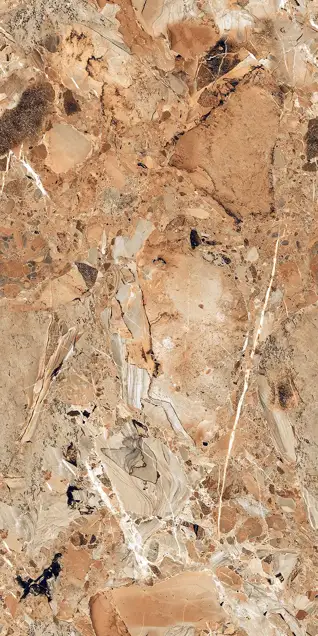
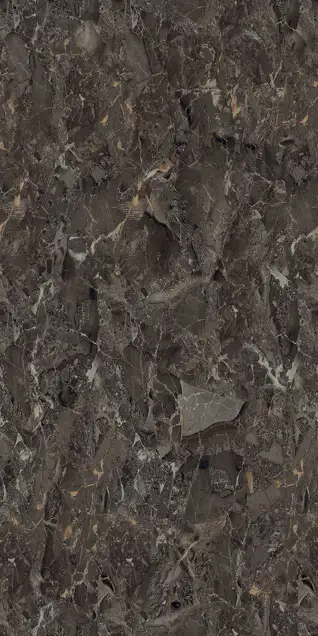
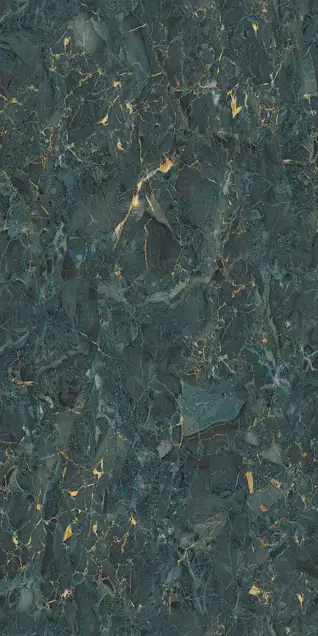


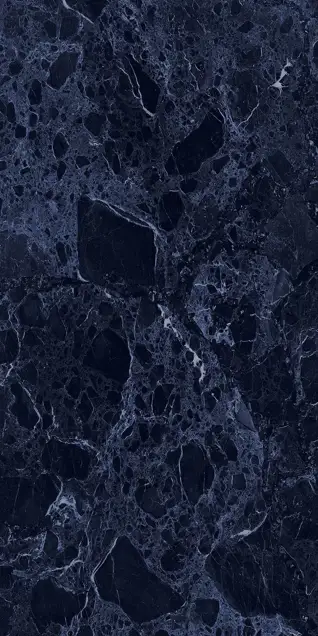
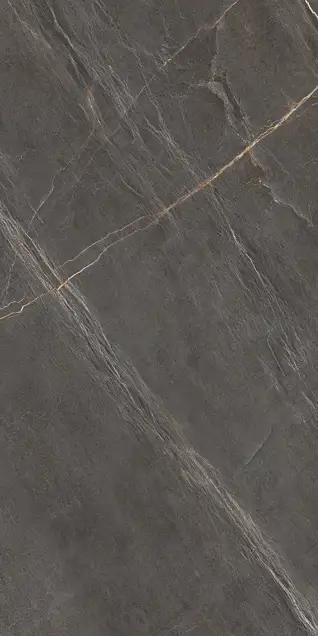



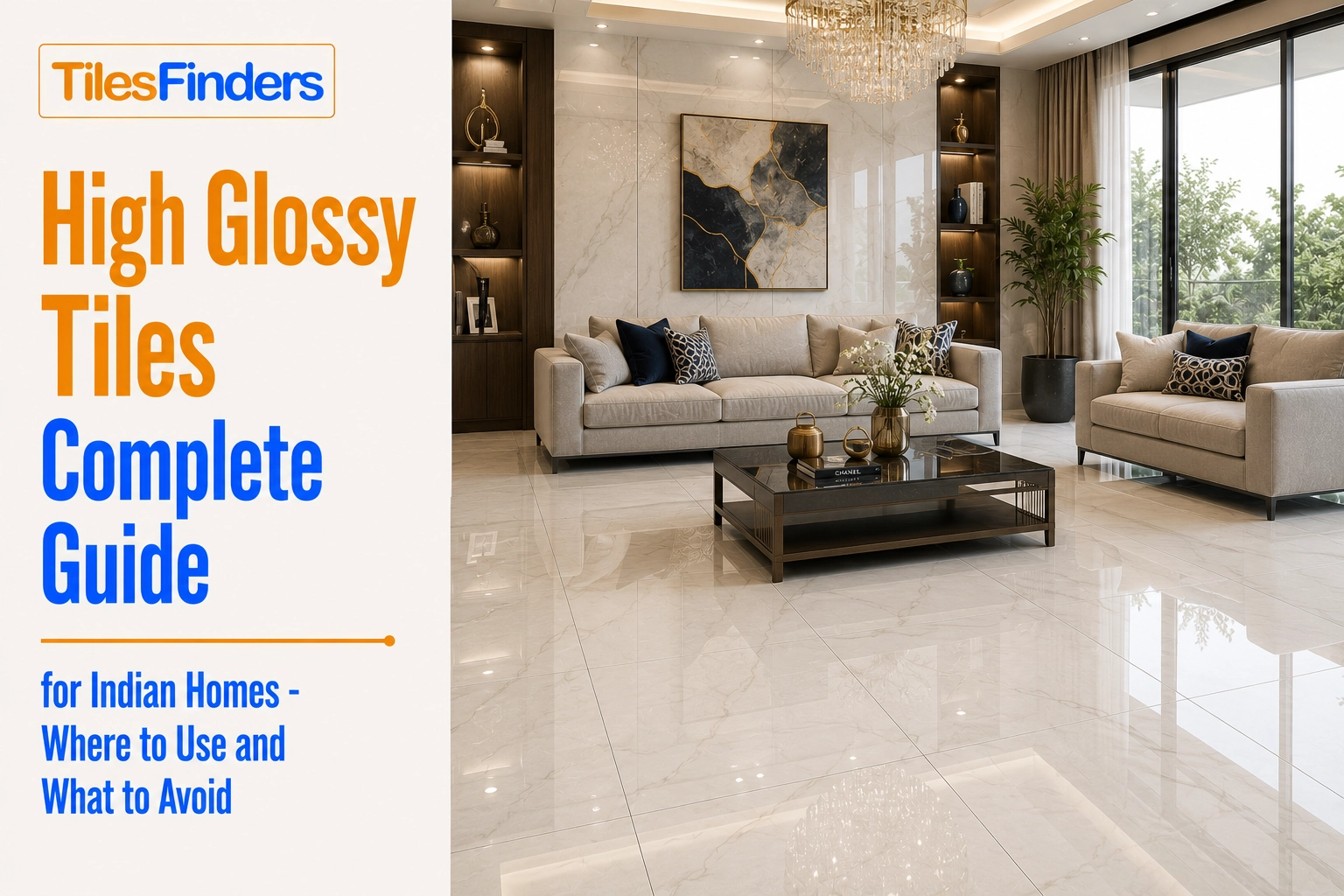
High gloss tiles carry a mirror-like, ultra-reflective polish beyond a standard glossy or satin finish, achieved through a heavier glaze layer or an additional polishing pass after firing. TilesFinders lists this finish across ceramic, porcelain, and vitrified bodies, in plain colours led by white, black, and grey, alongside wood effect and large floor tile options.
This finish is produced by applying either a thicker, more reflective glaze before firing or a deeper mechanical polish afterwards, both aimed at the same result, a surface that reflects light almost like glass rather than the softer sheen a standard glossy tile gives. The look reads as premium and formal, popular for a statement floor or a bright, light-maximising kitchen or bathroom.
Prices range from Rs. 55 to Rs. 150 per sq.ft from Morbi and Gujarat manufacturers, depending on body and colour. Because this finish is inherently smooth and reflective, it is not recommended for a shower floor or any consistently wet area, a distinction covered in more depth further down this page.
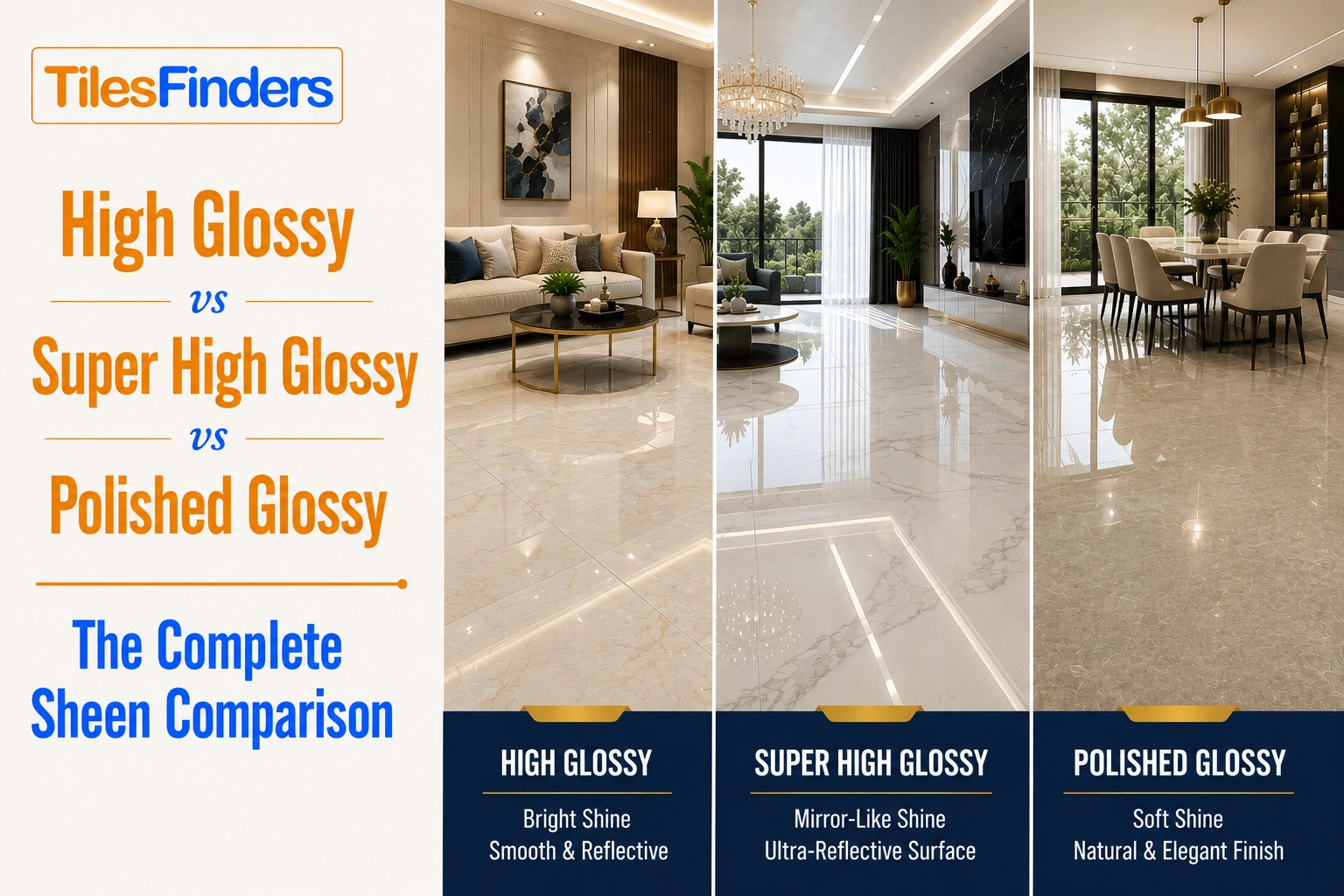
What separates this finish from a standard glossy tile comes down to the intensity and depth of the shine, either through a more reflective glaze formulation applied before firing or a more aggressive mechanical polish carried out afterwards. Both routes aim for the same visual effect, a surface bright and reflective enough to noticeably bounce light and enlarge the sense of space in a room.
This finish sits at the top of the shine spectrum compared with matte, satin, and standard glossy tile, and is generally the most reflective option a buyer can choose within a given colour or pattern range. The tradeoff for this intensity is that scratches, dust, and water spots all show more visibly on this surface than they would on a more subdued finish.
Applying this finish to a standard ceramic tiles body is the most affordable route to this level of shine, though ceramic's higher water absorption keeps this version largely restricted to walls in the same way any ceramic product is. Porcelain instead carries the finish on a denser, semi-vitrified body, giving a genuinely floor-capable option with better durability than the ceramic equivalent.
A vitrified base applies the same intense polish to a fully vitrified, sub 0.5 percent water absorption body, the most durable and floor-suited option among the three, and generally the choice recommended for a busy living room or dining floor wanting this level of shine. Buyers should confirm which specific body a listing uses, since the visual finish can look nearly identical across all three while the underlying performance differs considerably.
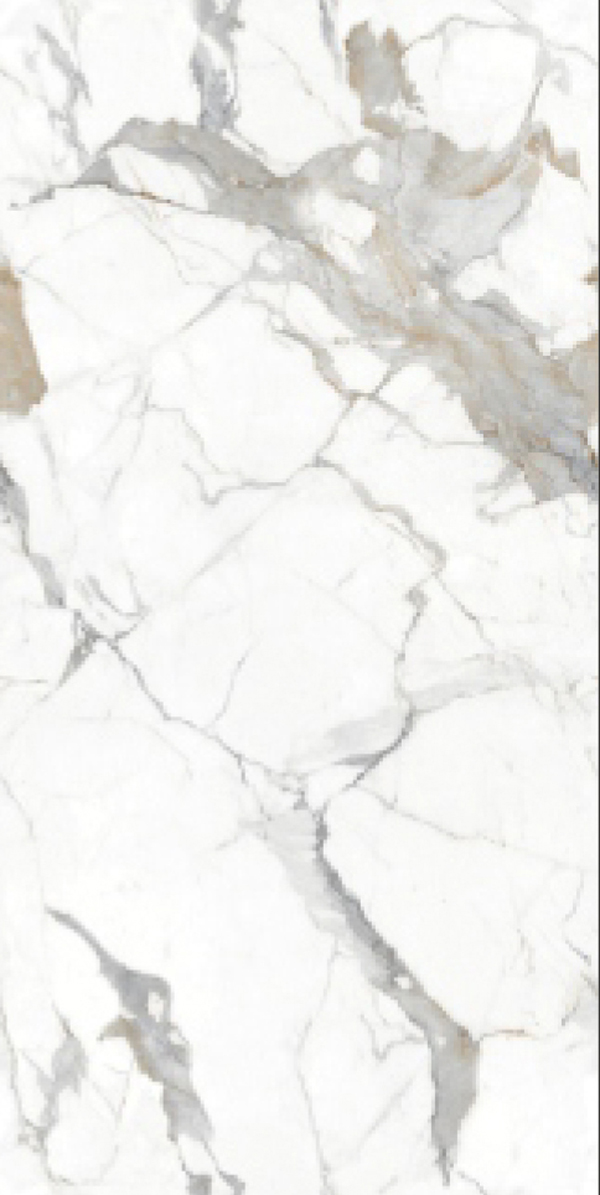
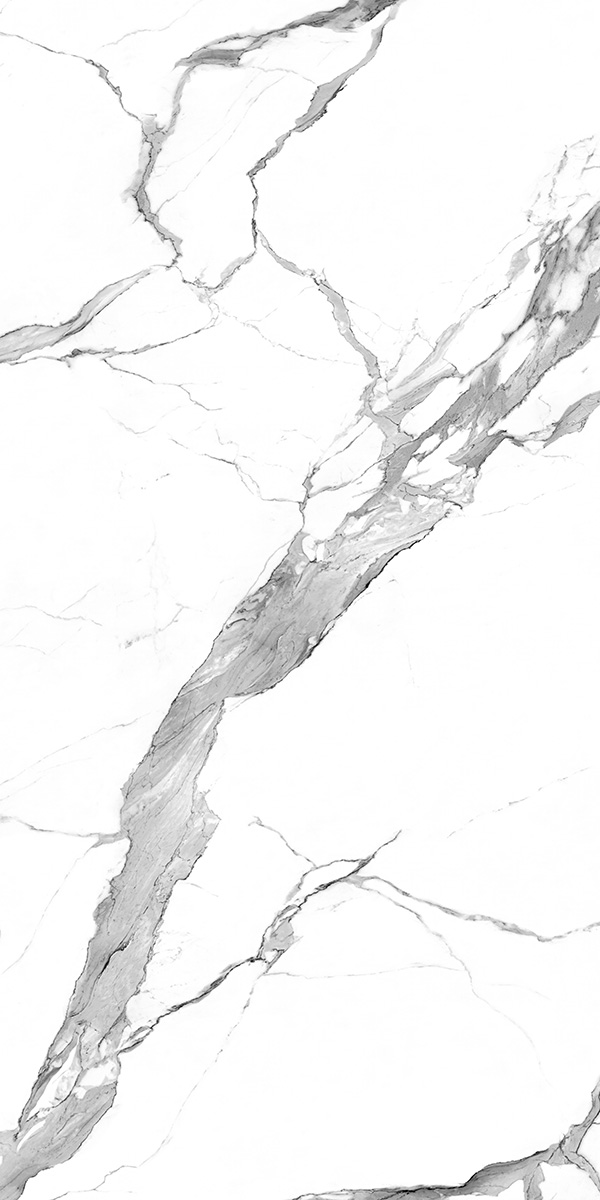
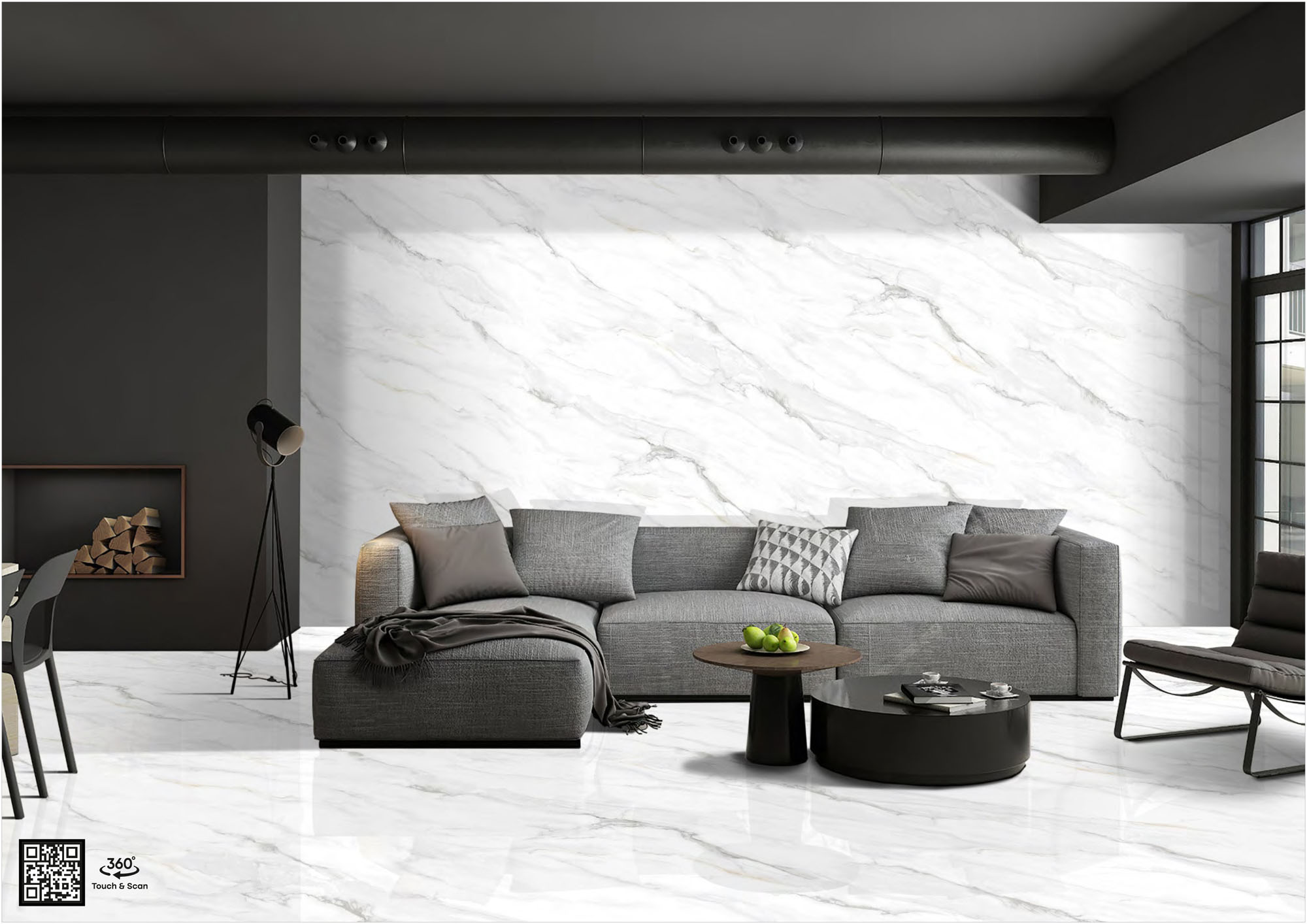
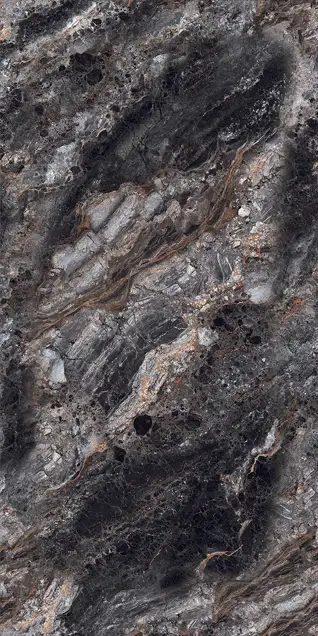
White floor tiles in this finish are the most requested option, since white already reflects light well and the added shine compounds that effect, making a room feel noticeably brighter and larger than a matte white equivalent would. Black tiles in this finish create a dramatic, almost lacquered look, popular for a formal living room or a striking feature area rather than full coverage across a very large room.
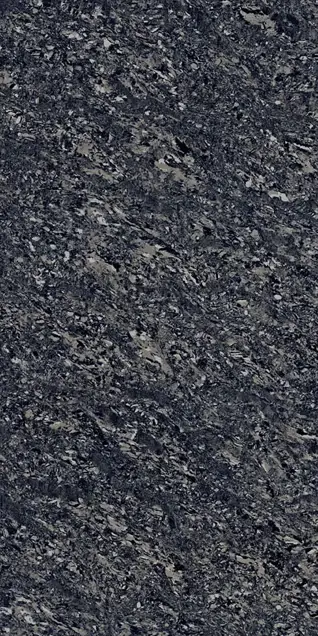
Grey sits between white and black in visual intensity, offering the same reflective shine in a more forgiving, practical tone that hides daily marks better than white while remaining brighter and more contemporary than black. Grey remains a popular middle ground for buyers wanting this level of shine without committing to either end of the colour spectrum.
This finish for kitchen use works well on a backsplash or an accent wall, where the surface resists oil splashes and wipes clean easily, though a kitchen floor in this finish needs care given how visible spills and grease become on a highly reflective surface. Bathroom applications are similarly best reserved for walls rather than the floor, given how much more slippery a glossy surface becomes once wet.
Note: This finish on a floor generally suits a dry living room, dining room, or bedroom far better than a kitchen or bathroom floor specifically, since the finish's main drawback, reduced grip when wet, simply does not come into play in these drier rooms. Any floor in this finish that will see regular water exposure should instead use a matte or textured, anti-skid-rated tile.
The GHR tiles range, built specifically for grip rather than shine, is the correct alternative for any wet room a high gloss floor is not suited to.
Wood effect designs in this finish, drawing on the same broader wood tiles range covered elsewhere on the site, print a timber grain pattern beneath the reflective surface, a less common but genuinely available combination for buyers wanting a wood look with maximum shine rather than the more common matte or satin wood look finish. This combination reads as considerably more formal and polished than a typical matte wood effect tile.
Large-sized tiles in this finish reduce the number of grout lines across a big room, letting the reflective surface read as one continuous, uninterrupted area rather than a repeating grid of smaller shiny squares. This combination is particularly effective in a large, well-lit living or dining area wanting a genuinely showroom-style finish.
Peel and stick floor tiles marketed with this finish name are a genuinely different product from anything else covered on this page, made from self-adhesive PVC or vinyl sheet rather than fired ceramic, porcelain, or vitrified tile. These are typically used as a temporary or rental-friendly flooring solution and do not carry the same durability, heat resistance, or long-term performance as a genuine fired tile in this finish.
Buyers specifically wanting a genuine ceramic, porcelain, or vitrified product in this finish should confirm the listing describes a fired tile rather than a peel-and-stick vinyl alternative, since the two are searched using very similar terms despite being fundamentally different materials with different installation methods and lifespans.
Ceramic tiles in this finish are priced from Rs. 55 to Rs. 85 per sq.ft from Morbi and Gujarat manufacturers, the most affordable route to this look though largely limited to wall use. Porcelain tiles in this finish cost more, from Rs. 70 to Rs. 115 per sq.ft, reflecting the denser body and genuine floor capability this option adds.
Vitrified versions sit at the top of the range, from roughly Rs. 90 to Rs. 150 per sq.ft, the most durable and floor-suited option among the three bodies. Large format sizes and wood effect patterns in this finish generally add a further premium over a standard-sized plain colour tile.
Genuine vitrified and porcelain tiles in this finish carry water absorption below 0.5 percent and between 2 and 6 percent respectively, keeping the tile stable through India's monsoon humidity when used in an appropriately dry setting. Most tiles in this finish sold in India are manufactured in Morbi, Gujarat, and dispatched to dealers nationwide.
Price for this finish spans Rs. 55 to Rs. 150 per sq.ft depending on body and colour, with ceramic at the lower end and vitrified toward the upper end. Buyers outside Gujarat should confirm freight costs separately, particularly ahead of the monsoon season, and should always request the specific body type in writing before ordering high gloss tiles, given how visually similar this finish can look across ceramic, porcelain, and vitrified bases.
Choosing high gloss tiles usually comes down to picking the right body for the room, ceramic for a wall, porcelain for a moderate-use floor, or vitrified for a busy living space, alongside confirming the room stays dry enough for this reflective finish to remain safe underfoot. TilesFinders lists this finish from Morbi and Gujarat manufacturers with body, water absorption, and colour confirmed on every listing.
A well specified tile in this finish, placed in the right dry room and matched to the correct body for that application, delivers a genuinely striking, light-maximising look that no matte or standard glossy tile can replicate at the same price point.
High gloss tiles use either a heavier reflective glaze applied before firing or a deeper mechanical polish afterwards. Both routes give a mirror like shine beyond what a standard glossy finish offers. Scratches and water spots show more visibly on this finish than on a more subdued one.
No, high gloss tiles are not recommended for a bathroom or shower floor, since the reflective surface becomes considerably more slippery once wet. High gloss bathroom tiles are better used on walls instead. A matte or textured, anti-skid rated tile is the correct choice for a wet floor.
Ceramic offers the most affordable route to this finish but is largely limited to walls given its higher water absorption. Porcelain adds genuine floor capability with a denser, semi-vitrified body. Vitrified offers the lowest water absorption and the strongest floor performance among the three.
No, peel-and-stick tiles are made from self-adhesive PVC or vinyl sheet, a completely different material from fired ceramic, porcelain, or vitrified tile. They are typically used as a temporary or rental friendly flooring option. Confirm that any listing describes a fired product before ordering.
High gloss tiles typically cost between Rs. 55 and Rs. 150 per sq.ft in India. Ceramic sits at the lower end, porcelain in the middle, and vitrified toward the upper end. Large format and wood effect patterns generally add a further premium.
White high gloss floor tiles remain the most requested option, since white already reflects light well and the added shine compounds that brightening effect. Black offers a dramatic, formal alternative for a feature area. Grey sits as a practical middle ground between the two.