

Double Charge Vitrified Tiles - Built for Heavy Traffic Floors
Loading designs...
-
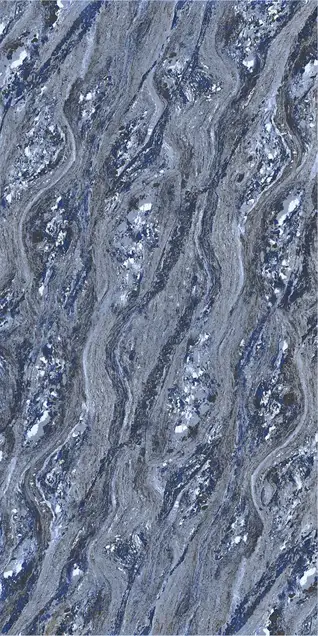
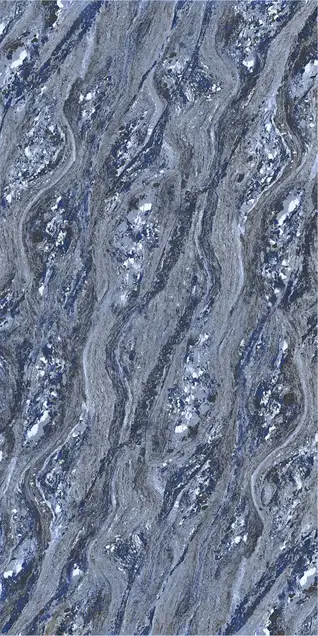
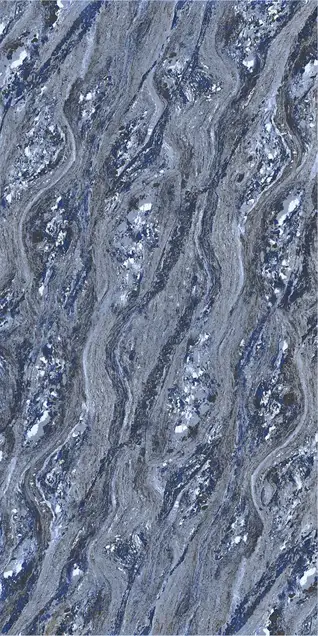
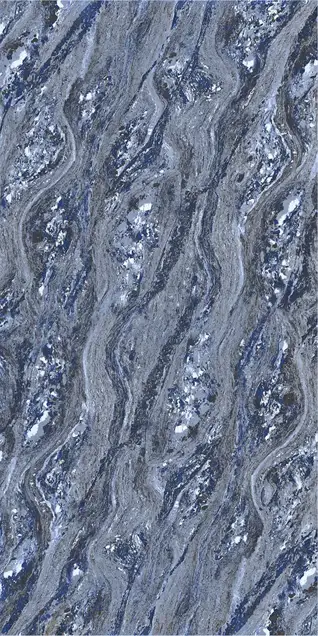 Matrix Azul
 -
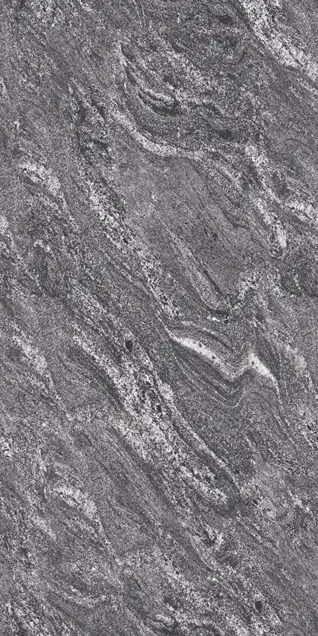
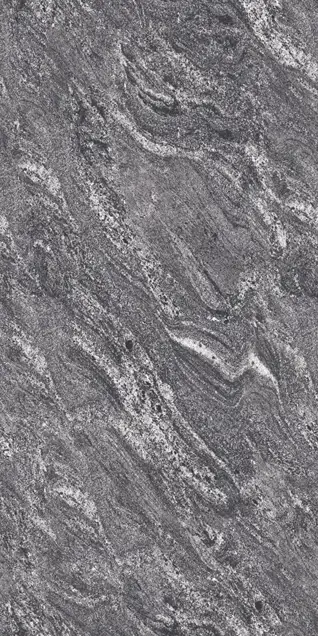
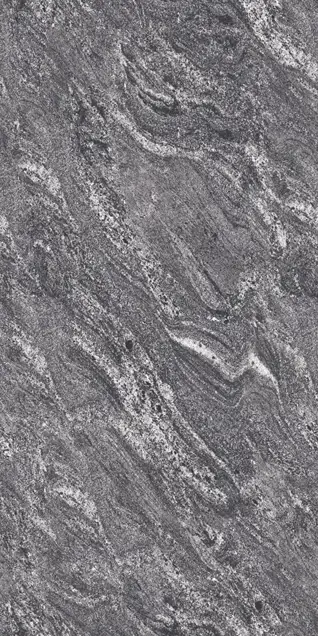
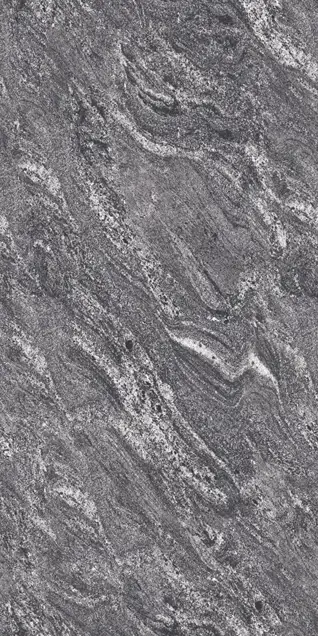
 Matrix Gris
 -
Tropical Azure
-
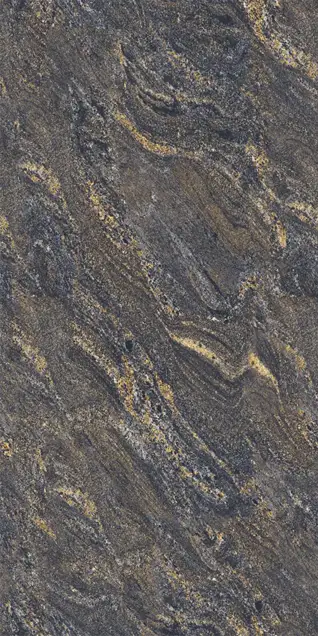
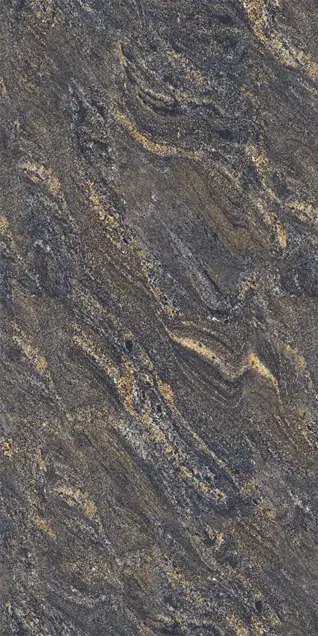
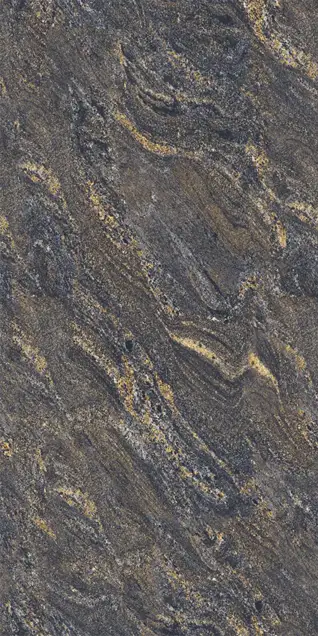
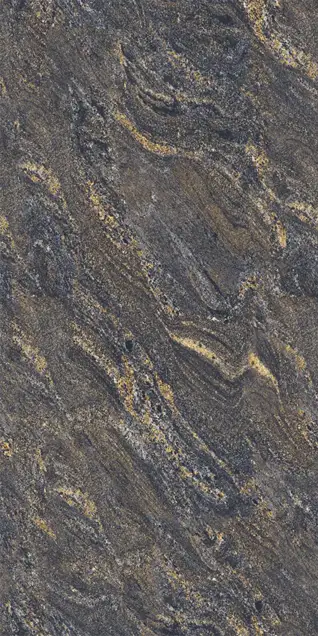
Tropical Black
-
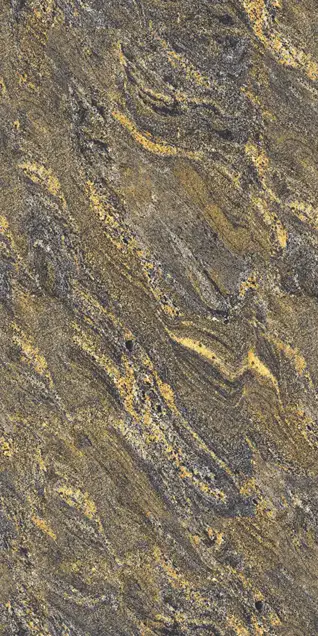
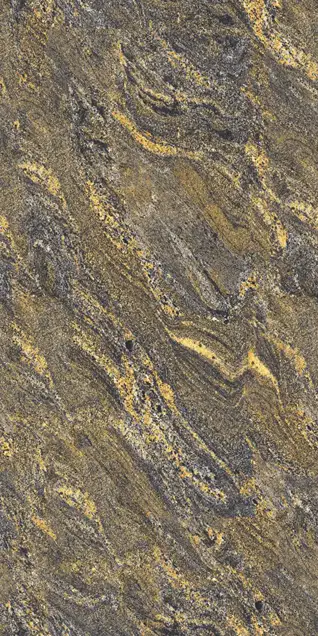
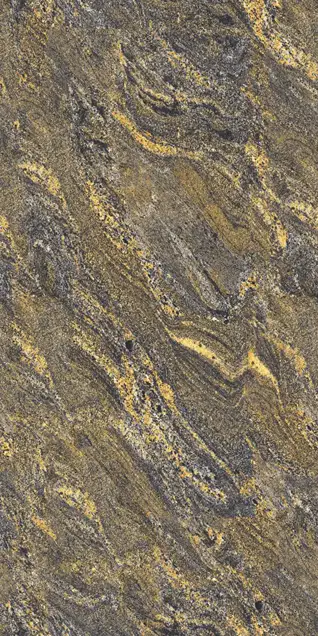
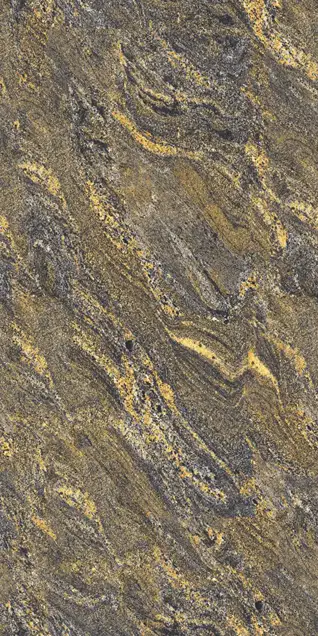
Tropical Brown
-
Matrix Azul
-
Matrix Gris
-
Tropical Azure
-
Tropical Black
-
Tropical Brown
-
Matrix Azul
-
Matrix Gris
-
Tropical Azure
-
Tropical Black
-
Tropical Brown
-
Matrix Azul
-
Matrix Gris
-
Tropical Azure
-
Tropical Black
-
Tropical Brown




Double charge tiles are a specific type of vitrified floor tile defined by their manufacturing process: the tile body receives two separate layers of pigment pressed together under high pressure before being fired in a kiln at over 1200 degrees Celsius. The first layer forms the base tile body in white or cream. The second layer carries the surface design in a contrasting pigment, pressed through a pattern roller onto the base layer. The two layers are then fired together as a single unified vitrified tile body. The result is a tile where the pattern penetrates 3 to 4mm into the tile body rather than sitting on the surface as a thin glaze coating.
This depth of pattern penetration is the defining practical advantage of double charge tiles over surface-printed GVT. If a double charge tile chips or scratches, the same pattern continues 3 to 4mm below the surface: the chip is visible but the pattern integrity is maintained because the colour is embedded in the tile body rather than applied as a thin surface layer. This makes double charge tiles one of the most durable polished floor tile specifications from Morbi for high-traffic residential and light commercial floor applications.
Double charge tiles are always polished to a high gloss finish. The manufacturing process creates a flat, dense tile body that is polished after firing to produce the characteristic mirror-quality surface of a double charge floor tile. This polished surface is the tile's most recognisable quality and the reason double charge tiles give Indian living rooms, halls, and dining rooms their characteristic bright, reflective floor quality.
How Double Charge Differs from Other Vitrified Tile Types
The Indian vitrified tile market uses several manufacturing processes that produce similar-looking polished tiles with different performance and design characteristics. Understanding where the double charge sits in this range clarifies why it is the right specification for certain applications.
| Tile Type | How Pattern is Applied | Pattern Depth | Design Range | Finish | Best Application |
|---|---|---|---|---|---|
| Single Charge Vitrified | One layer of pigment pressed into the tile body | 1 to 2mm | Large geometric patterns, limited colour range | Polished | Entry-level polished floor tiles for residential use |
| Double Charge Vitrified | Two layers of pigment pressed together before firing | 3 to 4mm | Bold geometric, gradient, and two-tone patterns | Polished (standard) | High-traffic residential and light commercial floors |
| GVT (Glazed Vitrified) | Digital print glaze applied to the tile surface | Surface only (0.5 to 1mm) | Unlimited: marble-look, wood-look, geometric, stone-look | Polished, Matte, Satin, GHR | Floors and walls, the widest design range |
| Full Body Vitrified | Colour mixed throughout the entire tile body clay | Full tile depth (8 to 10mm) | Solid colours only, no pattern | Matte, Honed, Polished | High-traffic commercial floors, outdoor areas |
| Double Charge Digital | Digital print combined with double charge body | 3 to 4mm body plus digital surface layer | Fine detail patterns on the double charge body | Polished or Honed | Premium residential floors with fine pattern detail |
Double Charge Tile Design Directions
The double charge manufacturing process creates tile patterns through the mechanical pressing of pigment through pattern rollers. This process gives double charge tiles their characteristic design language: large, bold, confident patterns with strong tonal contrast between the base body colour and the pressed design layer. Fine detail, photorealistic prints, and gradual tonal graduation are not achievable through standard double charge pressing; these design directions are the territory of digital print GVT.
White Double Charge Tiles
White double charge vitrified tiles in a white or warm cream base with a subtle pressed pattern in a slightly contrasting off-white or light grey give the floor a clean, bright, highly reflective surface. White tiles in double charge vitrified in 600x600mm are among the most installed floor tiles in Indian residential construction: the bright polished white surface amplifies natural light from windows and ceiling fixtures, making rooms appear larger and more luminous. The pattern in a white double charge tile is typically a soft geometric impression or a subtle tonal variation that adds design character without introducing strong colour contrast. Price range: Rs. 32 to Rs. 72 per sq.ft.
Black Double Charge Tiles
Black double-charge vitrified tiles give floors a dramatic, high-contrast character. A deep charcoal or true black double charge tile in a living room or entrance foyer creates a floor with a mirror-quality dark surface that reflects ceiling lighting downward and gives the space a premium, hotel-lobby quality. Black double charge tiles work most effectively in rooms with strong ceiling lighting and white or light-coloured walls, where the dark floor creates maximum contrast. In Indian residential design, black polished double charge floors are used in contemporary living rooms, entrance halls, and master bedroom suites for a bold, design-forward character. Price range: Rs. 35 to Rs. 78 per sq ft.
Double Charge Design Tiles
Design double charge tiles carry bold pressed patterns: geometric forms, flowing gradients from one tone to another across the tile face, large floral or foliate impressions, and abstract forms that create a visual rhythm when tiles are laid in sequence. Because the pattern is pressed through a roller, double charge designs have a certain mechanical boldness: the pattern edges are crisp, and the tonal contrast is strong. Across a living room or hall floor, a design double charge tile in warm beige and cream tones or in grey and white creates a floor with a grand, traditional Indian residential quality. Price range: Rs. 38 to Rs. 82 per sq.ft.
Double Charge Marble Look Tiles
Double charge tiles with a marble-look pressed pattern give the floor the aspirational quality of marble flooring at a vitrified tile price point. The marble veining in a double-charge tile is achieved through the pressed pigment process rather than digital print, which gives the veining a bold, graphic quality different from the fine-detail digital marble prints on GVT. For fine, photorealistic marble veining, marble look tiles in digital print GVT is the more precise specification. For a bold, confident marble-look floor with the depth and durability of a double charge body, double charge marble-look in cream and grey or white and gold gives the floor a traditional Indian luxury quality. Price range: Rs. 40 to Rs. 88 per sq.ft.
Double Charge Wooden Tiles
Double charge tiles with a wood-look pressed pattern give the floor a warm, domestic timber quality through the double charge pigment process. The wood grain in a double charge tile is a pressed impression rather than a photorealistic digital print, which gives it a more abstract, artistically interpreted wood character rather than a photographic reproduction of timber. In warm brown, honey, and walnut tones, double charge wooden tiles give a living room or bedroom floor the warmth of a timber floor with the polished vitrified tile's durability and maintenance ease. Price range: Rs. 38 to Rs. 82 per sq ft.
Double Charge Tiles in Indian Room Applications
Living Room and Hall Floors
The living room floor tiles are the primary and most aspirational application for double charge vitrified tiles in Indian residential design. A polished double-charged floor in a living room reflects ceiling lighting and natural light from windows, amplifying the brightness and perceived size of the space. The bold, confident design patterns of double charge tiles give the living room floor a grand, traditional quality that has been the defining floor tile choice of the Indian middle-class and premium residential construction for two decades. A 600x600mm white or cream double charge tile across a living room of 200 to 400 square feet is the standard floor specification in Indian apartments and independent houses built between 2000 and 2020. Price range: Rs. 32 to Rs. 88 per sq.ft.
Bedroom Floors
Double-charged polished vitrified tiles in a bedroom tiles floor context give the room a bright, easily maintained floor surface. In an Indian bedroom with warm LED ceiling lighting, a double charge tile in a warm cream or soft grey gives the floor a luminous quality that reads as premium and clean. The polished surface of a double-charge bedroom floor requires occasional buffing to maintain its mirror quality, particularly in Indian conditions where dust settles readily on highly polished surfaces. Price range: Rs. 32 to Rs. 82 per sq.ft.
Dining Room Floors
The dining room tiles floor in double-charged vitrified tiles gives the dining area a formal, composed quality. A design double charge tile with a bold geometric or floral pattern creates a floor that reads as a deliberate design decision for the dining zone. The polished surface of a double-charged dining room floor is practical for the dining context: food and liquid spills wipe off the smooth polished surface cleanly without staining. Price range: Rs. 38 to Rs. 82 per sq ft.
Pooja Room Floors
White or warm cream double-charged vitrified tiles in a pooja room floor give the devotional space a clean, bright, sacred quality. The high polish of a white double charge tile reflects pooja room lighting and diya flame light, amplifying the brightness in the devotional space. White double charge tiles with a subtle pressed pattern give the pooja room floor a composed, formal quality appropriate to the space. Price range: Rs. 32 to Rs. 72 per sq ft.
Restaurant and Commercial Floors
Light commercial floor applications for double charge vitrified tiles include restaurant tiles floors, hotel lobbies, and retail spaces where a polished, easy-to-clean floor surface with reasonable pattern depth and durability is required. The double-charge body's 3 to 4mm pattern depth makes it more resistant to the surface wear of commercial foot traffic than single-charge or surface-printed GVT. Double charge polished vitrified in 600x600mm or 800x800mm in neutral cream, grey, or design patterns gives a restaurant or hotel lobby floor a maintained, professional quality. Price range: Rs. 38 to Rs. 95 per sq ft.
Double Charge Tile Finish: Polished, Matte, and Honed
Standard polished double charge: The defining finish of double charge tiles. A high mirror-polish surface is produced by polishing the fired tile body to the maximum gloss level. Gives the floor maximum light reflection and the characteristic bright, luminous quality of Indian polished vitrified floors. Must not be used on wet bathroom floors, outdoor areas, or any surface where slip resistance is required.
Double charge matte or honed: Some manufacturers produce a honed or matte version of the double charge tile where the polishing process is stopped at a lower sheen level. This gives the tile the depth and pattern durability of the double charge body with a softer, less reflective surface. Honed double-charge tiles are more practical for kitchens and dining rooms, where a high-gloss surface shows every footprint and mark easily. For a matte finish floor tile at a similar price point, satin matte tiles in GVT give the floor a composed, non-reflective quality with greater design flexibility in the digital print range.
Digital double charge: Combines the double charge body with a digital surface layer for finer pattern detail. Available in polished and honed finishes.
Double Charge Tile Sizes
| Format | Application | Visual Character | Grout Joints per 10 sq.m |
|---|---|---|---|
| 600x600mm | Standard Indian residential floor: living rooms, bedrooms, dining rooms | Contemporary square module; most widely produced double charge format | Approximately 66 joints |
| 800x800mm | Larger rooms: living rooms above 300 sq. ft., hotel lobbies, commercial floors | Fewer, bolder joints give larger rooms a more seamless floor quality | Approximately 38 joints |
| 600x1200mm | Premium residential living rooms and hotel lobbies | Rectangular module; elongates the floor composition; fewer total joints | Approximately 28 joints |
Double Charge Tile Pricing from Morbi
Double charge vitrified tiles from Morbi are produced by a large number of manufacturers across the Morbi and Wankaner tile belt, giving buyers a wide range of price points within the double charge category. Ex-factory prices are 30% to 45% below retail.
| Double Charge Direction | Format | Finish | Retail Price (Rs./sq.ft) | Ex-Factory (approx.) |
|---|---|---|---|---|
| White or off-white plain | 600x600mm | Polished | Rs. 32 to Rs. 65 | Rs. 18 to Rs. 40 |
| White or cream design pattern | 600x600mm | Polished | Rs. 35 to Rs. 72 | Rs. 20 to Rs. 45 |
| Grey or beige design | 600x600mm | Polished | Rs. 38 to Rs. 78 | Rs. 22 to Rs. 48 |
| Black or dark charcoal | 600x600mm | Polished | Rs. 35 to Rs. 78 | Rs. 20 to Rs. 48 |
| Marble-look pressed pattern | 600x600mm | Polished | Rs. 40 to Rs. 88 | Rs. 24 to Rs. 55 |
| Wood-look pressed pattern | 600x600mm | Polished | Rs. 38 to Rs. 82 | Rs. 22 to Rs. 50 |
| Large format design | 800x800mm | Polished | Rs. 45 to Rs. 95 | Rs. 28 to Rs. 60 |
| Digital double charge | 600x600mm | Polished or Honed | Rs. 55 to Rs. 110 | Rs. 35 to Rs. 70 |
Installation cost: Standard double charge floor tile installation: Rs. 30 to Rs. 50 per sq.ft. Large format (800x800mm and above): Rs. 40 to Rs. 65 per sq.ft. Epoxy grout at joints is recommended for high-gloss polished double charge floors: cement grout on a polished surface stains more readily from floor cleaning products over time.
Maintaining Double-Charge Polished Floors in Indian Conditions
Double charge polished floors require consistent maintenance to retain their mirror quality in Indian conditions. The high gloss surface shows dust, footprints, and water marks more readily than a matte or satin finish floor tile. In Indian homes where daily sweeping and wet mopping are standard, the polished double charge floor needs a specific cleaning approach to maintain its surface quality.
Daily: Dry microfibre mop to remove dust and loose debris. Dust on a polished surface causes micro-scratching if swept with a hard-bristle broom. A soft microfibre dry mop preserves the polish quality.
Weekly: Damp mop with a pH-neutral floor cleaner diluted in water. Avoid acidic cleaners (vinegar, lemon-based products) on polished vitrified: repeated acid exposure dulls the polish. Avoid abrasive cleaning pads or powders.
Monthly: Machine polishing with a soft polishing pad and a tile-specific polishing liquid restores the mirror quality to a polished vitrified floor that has developed surface micro-scratches from daily use. In Indian homes, the frequency of machine polishing depends on foot traffic: a bedroom floor may need polishing once a year; a living room or hall floor with daily high traffic may need polishing every three to six months.
Choose the Right Double Charge Tile
Double charge tile selection starts with the room application (living room, hall, bedroom, dining room, pooja room, light commercial), then the colour direction (white and cream for maximum brightness, grey and beige for contemporary neutrality, black for drama, design patterns for traditional Indian residential character), then the size (600x600mm for standard rooms, 800x800mm for large rooms), and finally the finish (standard polished for maximum light reflection, honed or digital double charge for finer pattern or softer sheen). Browse double charge vitrified floor tiles on TilesFinders in all colours and design directions from verified Morbi manufacturers.



FAQs
Double charge tiles are vitrified floor tiles manufactured by pressing two layers of pigment into the tile body before firing. The base layer forms the tile body in white or cream; the second layer carries the surface pattern in a contrasting pigment, pressed through a mechanical pattern roller. Both layers are fired together, embedding the pattern 3 to 4mm into the tile body. This depth of pattern penetration gives double-charge tiles greater pattern durability than surface-printed tiles. Double charge tiles are always polished to a high gloss finish as a standard production process.
Single-charge vitrified tiles are pressed with one layer of pigment, giving a pattern depth of 1 to 2mm. Double charge tiles use two pigment layers, giving a pattern depth of 3 to 4mm. The deeper pattern of double charge tiles makes them more resistant to wear: if the surface is scratched or chipped, the pattern continues deeper into the body. Double charge tiles typically have stronger tonal contrast and bolder patterns than single charge tiles. Both are polished vitrified floor tiles; the double charge version gives better durability in higher-traffic floor applications.
Double charge tiles have a two-layer pressed pigment pattern that penetrates 3 to 4mm into the tile body on top of a white or cream base body. The pattern is on the surface-facing layers. Full body vitrified tiles have colour mixed throughout the entire tile body clay from surface to back: if you look at the edge of a full body tile, the colour is consistent all the way through. Full body tiles are typically in solid colours without patterns and are often produced in matte or honed finish for high-traffic commercial and outdoor applications. Double charge tiles have patterns and are polished; full body tiles are solid colour and often matte.
Standard polished double-charge tiles are not recommended for bathroom wet floors. The smooth, high-gloss polished surface does not provide adequate traction for wet floor conditions and creates a slip risk in a bathroom. For bathroom floors, anti-skid matte or textured GVT with water absorption below 0.05% under IS 15622:2006 is the correct specification. Double charge tiles are appropriate for dry bathroom ante-room areas or dry bathroom floors in attached bathrooms where the wet zone is separately managed, but should not be used in the wet zone of any bathroom floor.
A digital double charge tile combines the standard double charge manufacturing process (two pressed pigment layers, 3 to 4mm pattern depth) with an additional digital print surface layer. The double charge body gives the tile its pattern depth and durability; the digital layer adds fine detail, photorealistic veining, or complex colour gradations that mechanical pressing cannot achieve. Digital double charge is the most premium direction in the double charge category, available in polished and honed finishes. Price range: Rs. 55 to Rs. 110 per sq ft from Morbi.
Epoxy grout is the recommended specification for double-charge polished floor tiles. The high-gloss surface of a double charge floor is cleaned with regular wet mopping and floor cleaners: cement grout at the joints between polished tiles absorbs these cleaning products and floor residue over time, leading to discolouration and staining at the joint. Epoxy grout is non-porous and maintains its colour and surface quality permanently, keeping the joints clean alongside the polished tile surface. Use a white or colour-matched epoxy grout at 2mm to 3mm joint width.
Retail price of double charge vitrified tiles from Morbi: standard white or cream polished in 600x600mm at Rs. 32 to Rs. 72 per sq.ft; design pattern double charge in 600x600mm at Rs. 38 to Rs. 88 per sq.ft; large format 800x800mm at Rs. 45 to Rs. 95 per sq.ft; digital double charge at Rs. 55 to Rs. 110 per sq.ft. Ex-factory prices are 30% to 45% below these retail figures. Installation costs add Rs. 30 to Rs. 65 per sq.ft, depending on tile size and laying pattern.