

Ceramic Tiles in India: Glazed, Unglazed, Colours, and Patterns
Loading designs...
-
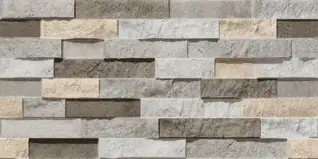 W Rockline 01
 -
 W Rockline 02
 -
W Rockline 03
-
W Rockline 04
-
Lyon 01
-
W Rockline 05
-
W Rockline 06
-
Lyon 02
-
W Rockline 07
-
Lyon 03
-
W Rockline 08
-
Lyon 04
-
Lyon 05
-
Lyon 06
-
Lyon 07
-
W 6421
-
W 6422
-
W 7611
-
W 7612
-
W 7813
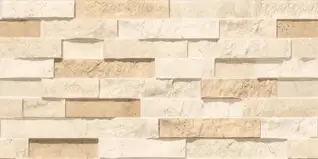
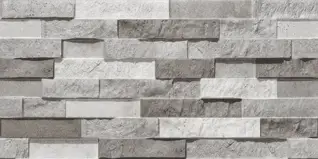
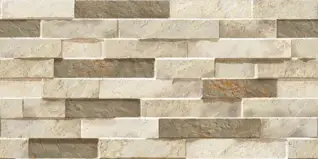
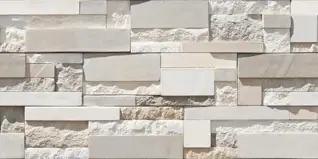
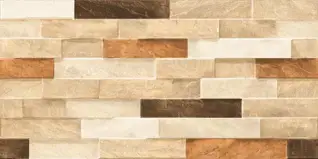
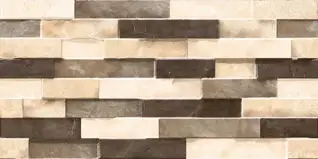
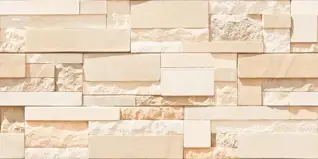
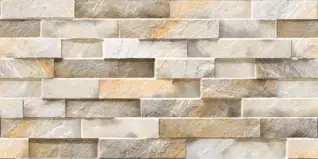
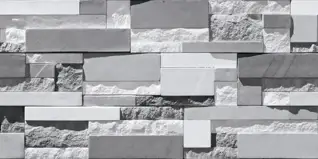
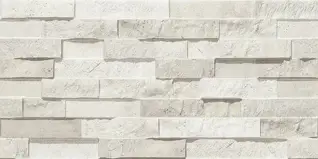
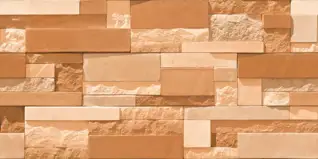
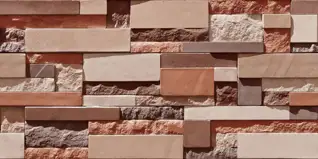
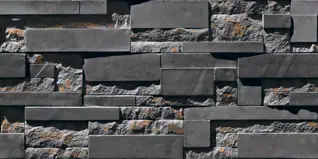
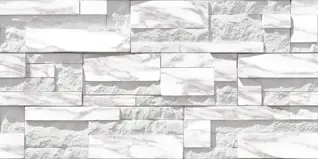
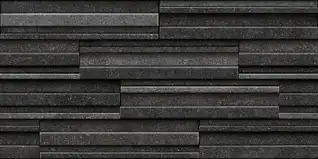
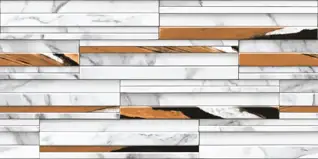
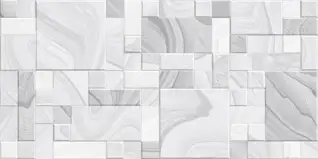
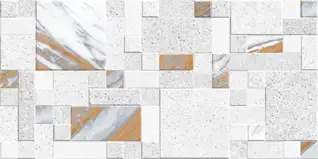

Ceramic tiles are the most searched tile type in India, made by pressing and firing natural clay at a lower temperature than porcelain, then finishing the surface in a glazed or unglazed coating. TilesFinders lists this tile type for walls, backsplash, decorative feature areas, and select light-use floor applications, across sizes from small 4x4 to larger 24x24 formats.
This type covers an unusually wide design range, including plain colours such as green, black, blue, pink, brown, red, and beige, alongside decorative patterns such as floral, Moroccan, Mexican Talavera style, marble look, and brick-shaped designs. It remains the most affordable tile category for Indian buyers, and is manufactured almost entirely for wall use rather than general flooring.
Prices range from Rs. 25 to Rs. 150 per sq.ft from Morbi and Gujarat manufacturers, depending on glaze, size, and pattern complexity. The one meaningful exception to the wall-only rule is the 300x300mm size, which is commonly approved for light use, mostly dry bathroom floors across Indian manufacturers.
Glazed, Unglazed, and Polished: What Actually Differs
Glazed ceramic tile carries a coloured glass layer fired onto the clay body's surface, which is where nearly all of its colour, pattern, and sheen comes from, whether that is a plain colour, a floral motif, or a Moroccan or Mexican Talavera style design. A chip in a glazed piece reveals the plain clay body underneath, which is usually a different, lighter colour than the glaze itself.
Unglazed ceramic tile carries colour through the entire body rather than only on the surface, giving it a more rustic, matte appearance and making chips far less visible, since the colour underneath matches the surface. Unglazed versions are less common for decorative walls but are sometimes chosen for higher traffic areas where a glaze layer would wear down faster.
Polished ceramic tile, a less common finish within this type, is buffed to a smoother, more reflective surface after glazing, giving a brighter look than a standard matte or satin glaze. Buyers should note that polishing does not change water absorption or floor rating, only surface sheen.
The Size Range: From 4x4 Accents to 24x24 Feature Walls
This type is manufactured across an unusually broad size range compared with porcelain or GVT, starting with small formats such as 4x4 and 6x6, popular for kitchen backsplash borders and decorative accent strips. 8x8 and 13x13 sit in the middle of the range, commonly chosen for full bathroom wall coverage or a mid-scale kitchen backsplash tile.
Larger sizes such as 18x18 and 24x24 are used for feature walls and, where the 300x300mm floor exception applies, occasionally for a light-use bathroom floor in a similar scale. Buyers searching for large ceramic tiles are generally looking at this upper size range, while small ceramic tiles usually refer to the 4x4 and 6x6 formats used for accents and borders.
Colours, Florals, and Regional Patterns
Green, blue, and pink shades are typically chosen as an accent colour on a bathroom or kitchen wall rather than full room coverage, giving a distinct, saturated pop of colour against a neutral floor. Black and brown lean toward a more grounded, formal look, often used on a feature wall or as a border against a lighter main wall colour.
Red and beige sit at opposite ends of the intensity scale, with red used sparingly as a bold accent and beige used far more broadly as a warm, neutral wall colour that pairs easily with most kitchen and bathroom fixtures. Decorative ceramic tile, as a category, generally refers to any pattern beyond a single plain colour, including florals, geometric motifs, and regional design styles.
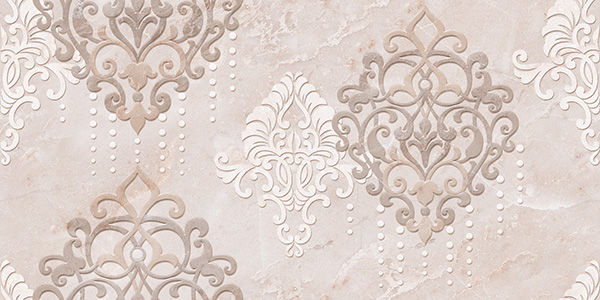
Floral patterns use a printed botanical motif, popular for a kitchen backsplash or a bathroom feature strip in a traditional or vintage-styled interior. Moroccan and Mexican Talavera style designs both use bold, saturated colours in a repeating geometric or hand-painted looking pattern, and are typically used as an accent rather than a full wall covering given the visual intensity of these designs.
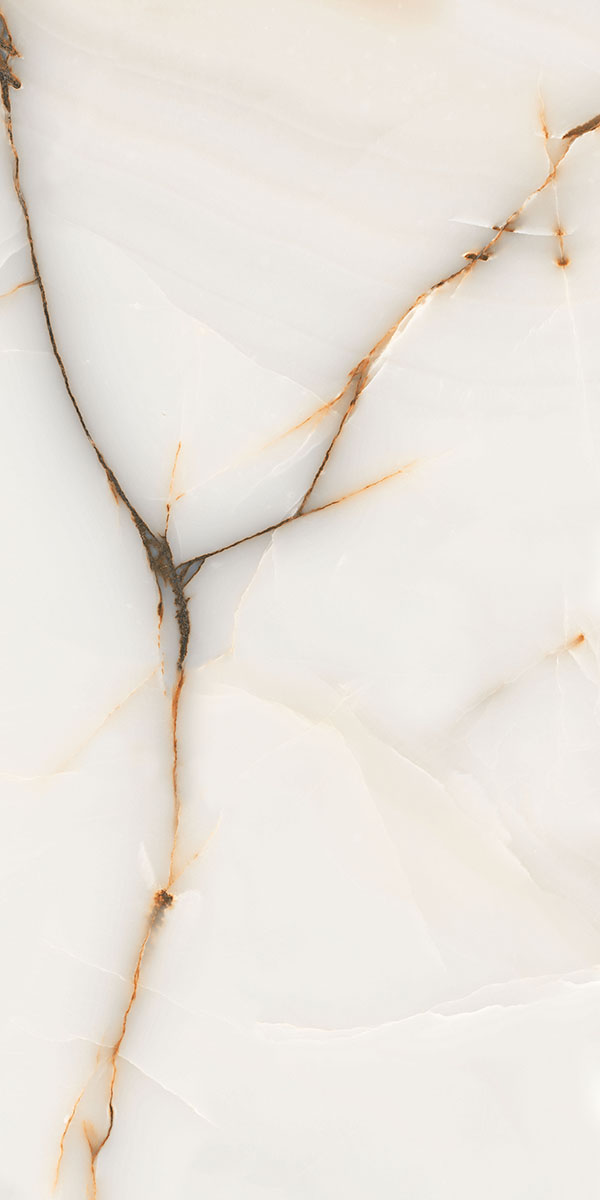
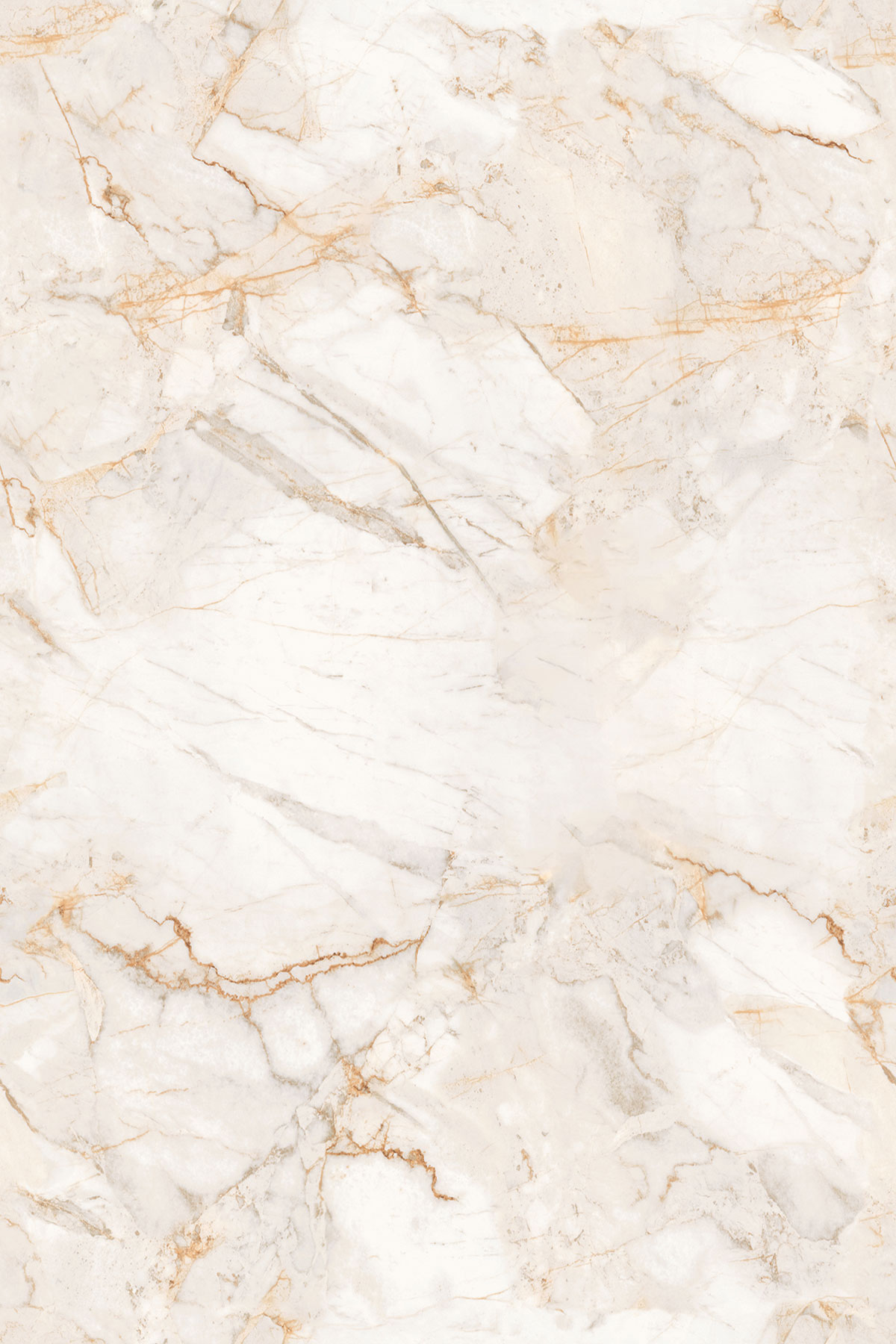
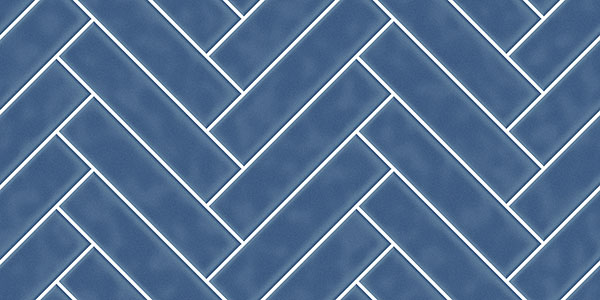
Marble look and marble effect versions print a veined stone pattern onto the glazed surface, giving a lower-cost alternative to marble look tiles in porcelain or GVT, though the higher water absorption of this material still limits it to wall use in most cases. A brick-shaped tile, styled like a small rectangular brick rather than a square, is commonly used for a kitchen backsplash laid in a running bond pattern similar to a subway tile.
Walls First: Where This Material Actually Belongs
This tile type is manufactured overwhelmingly for wall use, covering bathroom wall tiles, kitchen backsplash, and decorative feature strips across Indian homes. The 300x300mm size is the specific, well-established exception where this material is commonly approved for light use, mostly dry bathroom floors, though this does not extend to other sizes or to a constantly wet shower floor.
Pool tile in this material generally refers to tiles used around a pool deck or splash zone rather than the submerged pool shell itself, since standard water absorption is too high for permanent underwater use. Pool interiors in India are typically finished in glass mosaic or a dedicated low-absorption porcelain or GVT product rather than standard wall tile.
Garden tiles in this material, used for outdoor pathways, planters, or decorative garden borders, need a glaze and body rated for outdoor exposure, since a standard indoor glazed tile is not built to handle direct monsoon rain and sun over several years. An anti-skid or textured outdoor-rated product should always be confirmed before ordering for any exposed garden application.
Note: Standard ceramic tiles in sizes other than 300x300mm should not be used on floors, and even the 300x300mm exception applies only to light use, mostly dry bathroom floors rather than a shower floor or an outdoor deck.
Ceramic vs Porcelain vs GVT: Where This Fits
This material differs from porcelain mainly in water absorption and firing temperature, typically absorbing 10 to 18 percent water on a wall-rated body compared with porcelain's under 3 percent, which is why porcelain and not this option is the standard choice whenever a floor-rated tile is needed in a size other than 300x300mm.
Moving up the range, GVT tiles, the fully vitrified option, carry the lowest water absorption of the three at below 0.5 percent, and are the recommended upgrade for any floor that sees regular water exposure or foot traffic, such as a kitchen or a busy bathroom. This material remains the most budget-friendly of the three, and is still the strongest choice specifically for decorative wall patterns like floral, Moroccan, or Mexican Talavera designs, which are less commonly offered in porcelain or GVT bodies.
Laying It Right and Avoiding the Common Mistakes
Wall tiles of this type are generally easier and faster to install than floor-rated porcelain or GVT, since the smaller, lighter bodies common in sizes such as 4x4, 6x6, and 8x8 are simple for a single installer to handle and cut. Decorative patterns such as Moroccan or floral designs need careful planning of the repeat, since a poorly aligned pattern is more visible on a wall at eye level than a similar mismatch would be on a floor.
Epoxy grout is recommended over standard cement grout for any installation in a kitchen or bathroom, since the joints in a small format wall covering are more numerous per square foot and more exposed to daily water, oil, and cleaning products. Buyers ordering a strongly patterned tile, such as brick-shaped or Moroccan style designs, should confirm box quantities carefully, since cutting wastage on a repeating decorative pattern is often higher than on a plain colour tile.
What Ceramic Tiles Cost, Colour by Colour
Plain colour tiles of this type are priced from Rs. 25 to Rs. 55 per sq.ft from Morbi and Gujarat manufacturers, the most affordable option across the entire range. Decorative patterns such as floral, Moroccan, or Mexican Talavera style designs cost more, from Rs. 60 to Rs. 150 per sq.ft, reflecting the additional print complexity these patterns need.
Marble look and marble effect tiles sit in the middle of the range, from roughly Rs. 45 to Rs. 90 per sq.ft, more affordable than an equivalent porcelain or GVT marble look tile but with the higher water absorption this material carries. GST, freight from Gujarat, and epoxy grout should all be budgeted separately from the base tile price when planning a full wall or backsplash project.
Standards and Sourcing
Genuine ceramic tiles in India follow IS 13630 standards, with typical water absorption between 10 and 18 percent for a wall-rated body, keeping the tile suitable for indoor wall use through India's monsoon humidity provided it is not installed on a constantly wet floor. Most tiles of this type sold in India are manufactured in Morbi, Gujarat, and dispatched to dealers nationwide.
Price for this tile type spans Rs. 25 to Rs. 150 per sq.ft depending on colour, pattern, and glaze, with plain colours at the lower end and decorative Moroccan, Mexican, or floral designs toward the upper end. Buyers outside Gujarat should confirm freight costs separately, particularly during the monsoon months when transit timelines can shift.
Picking the Right Glaze, Pattern, and Size
Choosing ceramic tiles usually comes down to matching the glaze, pattern, and size to a wall application, since this type remains fundamentally a wall product outside the specific 300x300mm floor exception. TilesFinders lists this tile type from Morbi and Gujarat manufacturers with body, size, and glaze confirmed on every listing, making it easier to specify the correct product for a kitchen, bathroom, or decorative feature wall.
A well-chosen tile of this type, whether a plain colour, a marble-look pattern, or a bold Moroccan or floral design, remains one of the most design-flexible and budget-friendly ways to bring colour and pattern into an Indian kitchen or bathroom.


FAQs
Glazed ceramic tile carries a coloured glass layer fired onto the surface, where nearly all its colour and pattern comes from. Unglazed ceramic carries colour through the entire body instead, giving a more rustic, matte look. Glazed tiles show a different coloured body if chipped, while unglazed chips are far less visible.
Standard ceramic tiles should stay on walls, except for the 300x300mm size, which is commonly approved for light use, mostly dry bathroom floors. This exception does not extend to other sizes or to a constantly wet shower floor. Porcelain or GVT remain the safer choice for most floor applications.
Ceramic tiles typically cost between Rs. 25 and Rs. 150 per sq.ft in India. Plain colours sit at the lower end, while decorative Moroccan, Mexican, or floral patterns cost more. Marble-look ceramic sits in the middle of this range.
Ceramic pool tile usually refers to tiles around a pool deck rather than the submerged shell itself. Standard ceramic absorbs too much water for permanent underwater use. Pool interiors typically use glass mosaic or a dedicated low-absorption porcelain product instead.
Ceramic has the highest water absorption of the three, typically 10 to 18 percent, and stays on walls outside the 300x300mm exception. Porcelain absorbs less than 3 percent and suits both floors and walls. GVT absorbs below 0.5 percent and suits busy floors best.
Standard indoor ceramic tile is not built for outdoor exposure. Garden tiles need a glaze and body specifically rated for monsoon rain and sun exposure. An anti-skid or textured outdoor-rated product should always be confirmed before ordering.
Ceramic tiles range from small 4x4 and 6x6 formats for accents to larger 18x18 and 24x24 sizes for feature walls. This range is broader than porcelain or GVT typically offers. Confirm the exact size before ordering, since sizing varies between manufacturers.
Marble look ceramic tile is more affordable than an equivalent porcelain or GVT version, but carries higher water absorption and is limited to wall use. Porcelain or GVT marble look tiles suit both floors and walls with better long-term durability. Ceramic remains the budget-friendly choice for wall-only use.