

Nano Tiles: Stain Resistant Shine for Kitchen Slabs and Dry Floors
Loading designs...
-
 Agon
Agon -
 Amazing
 -
Bianco
-
Decora
-
Dyna
-
Ebano Wood
-
Feather
-
Fiesta
-
Gothic
-
Italiya
-
Leaf
-
Legno Gris
-
Lotus
-
Mimoza
-
Mosco
-
Murano
-
Orizia
-
Pietra
-
Pinewood
-
Plain Ivory





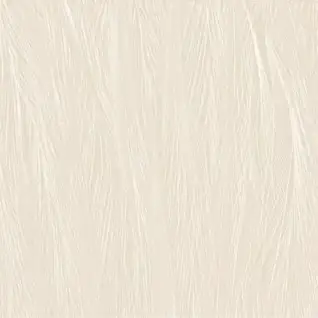



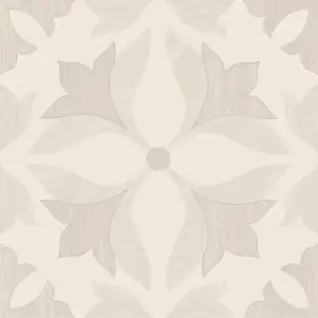
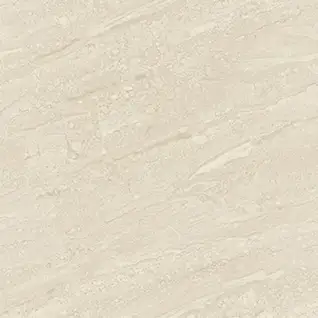








Nano tiles are polished vitrified or porcelain tiles that receive a nano coating after polishing, a treatment that seals the microscopic pores that a polishing process exposes on the tile surface. This coating is what gives this category its combination of a bright, reflective shine and noticeably better stain resistance than a standard polished tile without this treatment.
This category is built specifically on vitrified and porcelain bodies, following IS 15622:2006 standards, and is sold mainly in white, ivory, black, and marble-look designs across a size range led by the 2x2 foot, or 600x600mm, format. Nano tiles are especially popular for kitchen slab cladding and dry interior floors, where the polished finish and stain resistance both matter.
Prices for this category range from Rs. 60 to Rs. 150 per sq.ft from Morbi and Gujarat manufacturers, depending on colour, pattern, and finish depth. Because the finish is glossy and polished, this tile type suits dry interior spaces far better than a wet bathroom or an exposed rooftop, a distinction covered in more detail further down this page.
What Polishing Actually Does, and Why Nano Coating Fixes It
Polishing a vitrified or porcelain tile buffs the fired surface to a mirror-like shine, but this process also opens up microscopic pores across the surface that were not visible before polishing. Left untreated, these pores can absorb oil, tea, coffee, and other everyday stains over time, gradually dulling the polished shine and making the floor harder to keep looking new.
A nano coating is applied after polishing specifically to seal these pores at a microscopic level, restoring much of the stain resistance a standard unpolished or matte tile already has while keeping the reflective, glossy look polishing creates. This is why the category is marketed as a specific upgrade over standard polished vitrified tile rather than a completely separate product line.
Colours: White, Ivory, Black, and Marble Look
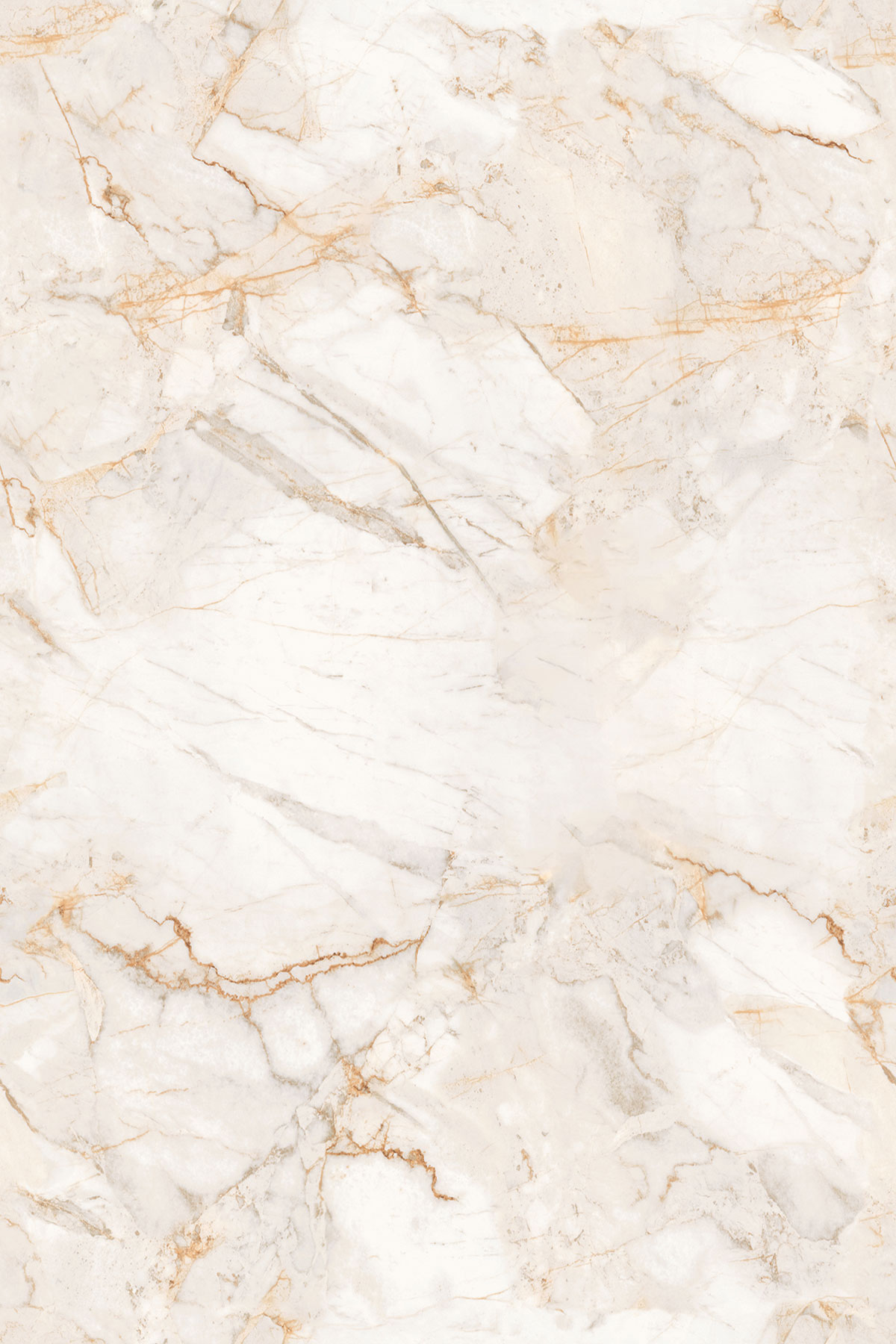
White and ivory are the two most requested colours, both working well in a bright, reflective floor or kitchen slab that makes a room feel larger and better lit. Ivory in particular pairs easily with wooden cabinetry and warm-toned furniture, which is part of why it remains a standard choice for kitchen and living room floors.
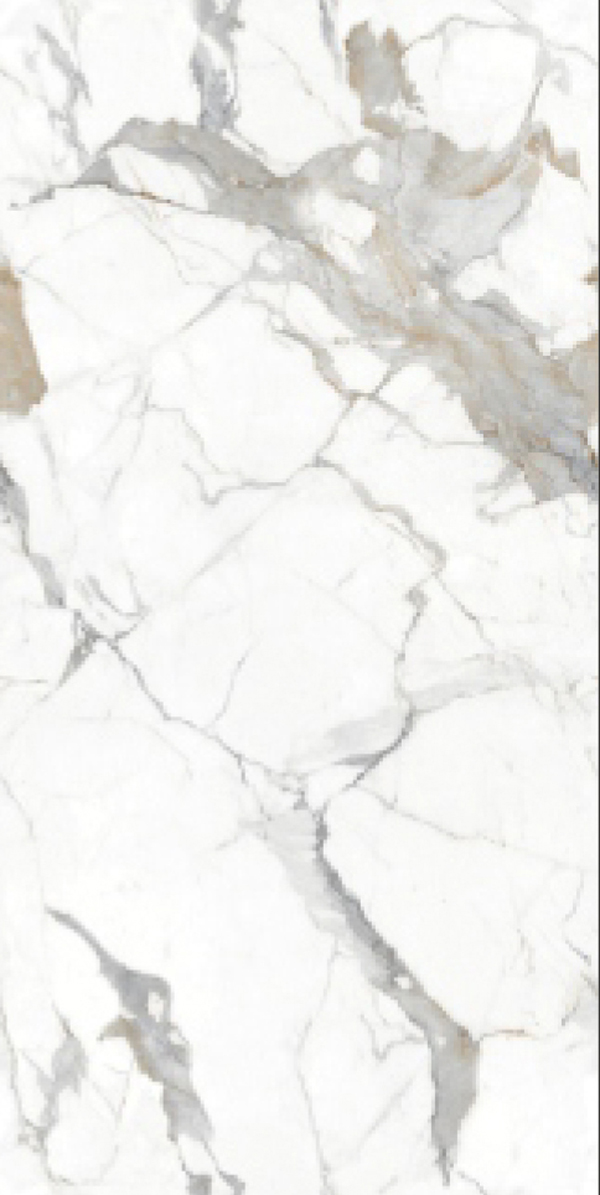
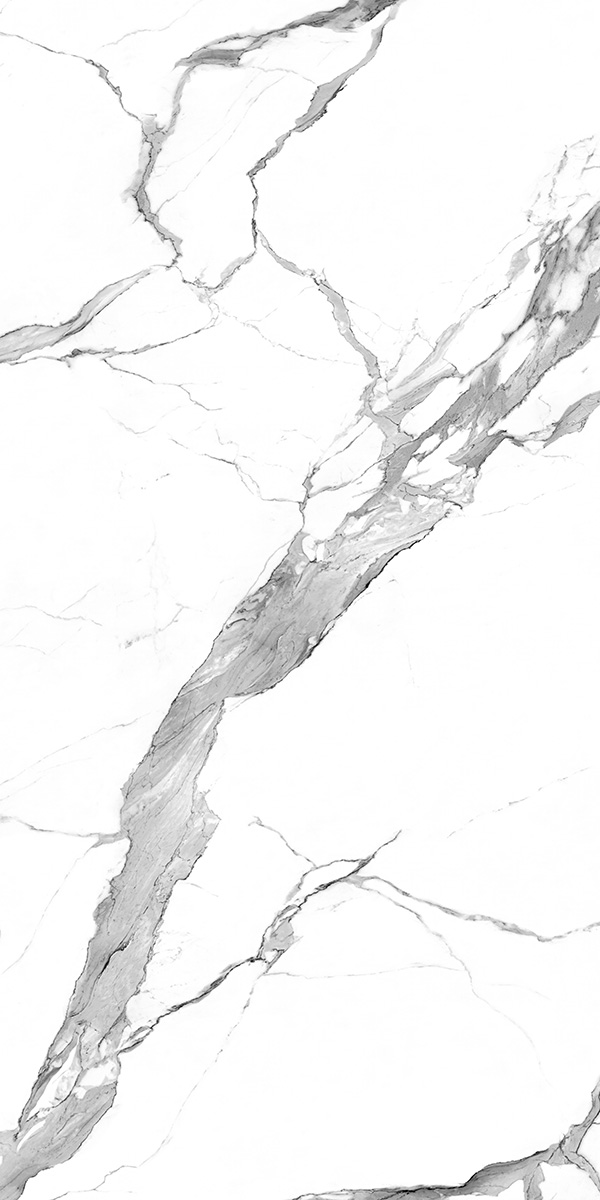
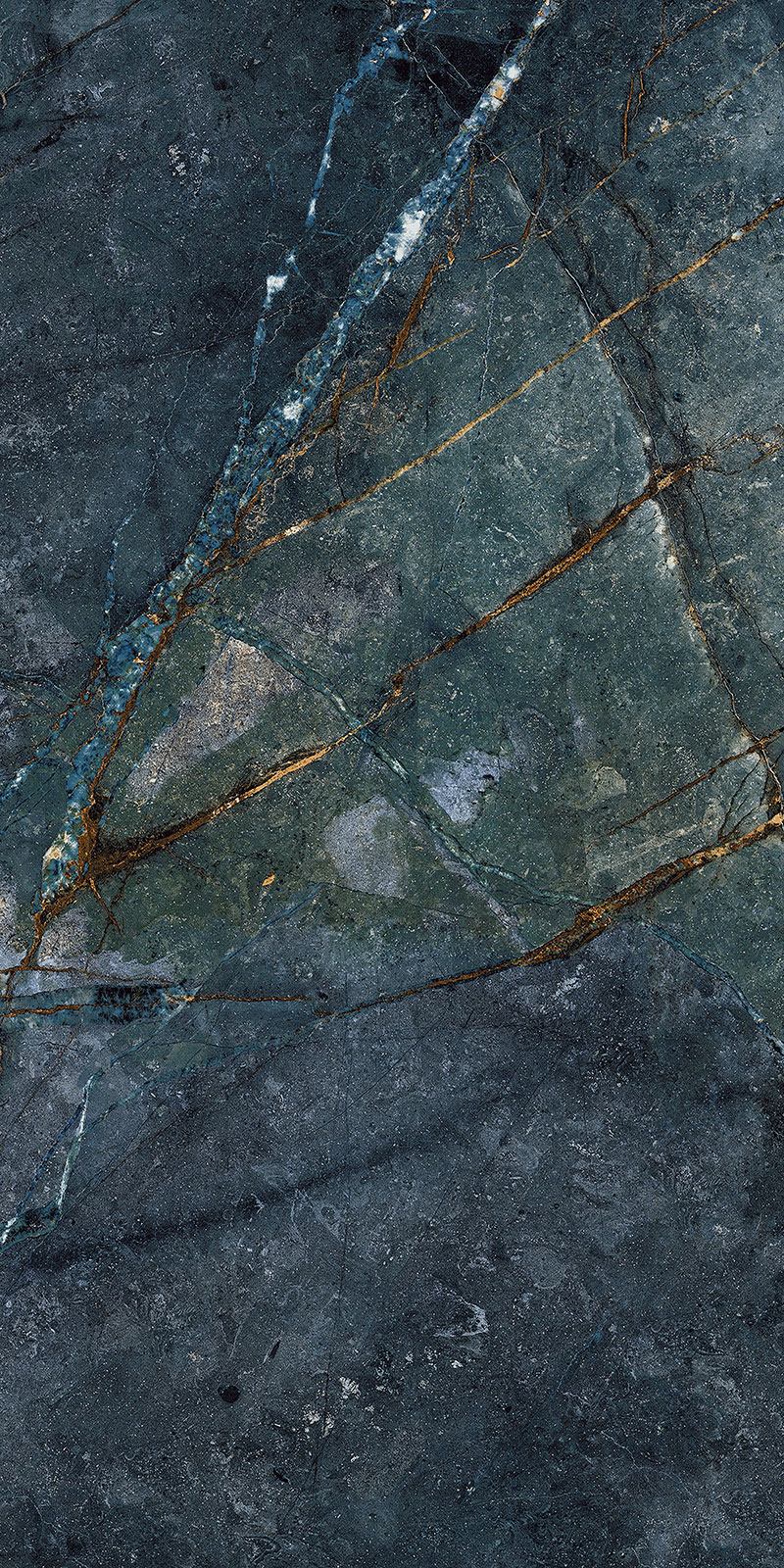
Black tiles in this category offer a striking, high-contrast alternative, typically chosen for a feature floor or a bold kitchen slab rather than full coverage across a large room, since the depth of the colour reads as a deliberate design statement. Marble look tiles in this category print a veined stone pattern onto the polished, coated surface, giving a marble appearance with considerably better stain resistance and a lower price than genuine natural marble.
Size: 2x2 Feet Is the Standard Reference Point
2x2 foot tiles, equivalent to 600x600mm, are the most requested and most widely available size within this category, commonly searched as nano tiles 2 by 2 or 2x2 nano tiles. This size balances a reasonably large, seamless-looking floor with straightforward handling and installation.
Larger sizes such as 600x1200-mm tiles are also available for buyers wanting fewer grout lines across a bigger floor, though 600x600mm remains the standard reference size most manufacturers stock as their core offering in this category. Buyers should confirm the exact size and thickness needed for a specific project, since availability can vary more here than for a mainstream GVT or ceramic size range.
Kitchen Slabs: Where This Category Genuinely Earns Its Price
Kitchen slab use, meaning countertop cladding, is one of the most requested applications for this category, since the polished, coated surface resists oil splashes, turmeric, and other strong Indian cooking stains, and daily wiping far better than a standard glossy tile without the treatment. Water absorption below 0.5 percent on a genuine vitrified base also means the countertop resists staining from spills that soak in rather than wipe away. This makes nano tiles a genuinely popular, lower-cost alternative to natural granite or marble for a kitchen countertop in India.
Kitchen floor use works well specifically in the dry cooking and prep zone, where the polished shine and stain resistance are assets rather than a slip risk, since this area does not typically see standing water the way a sink splash zone or an adjoining wash area might. A textured or anti-skid tile remains the safer choice for any wet zone directly around a sink or dishwashing area.
Where the Glossy Finish Helps, and Where It Doesn't
Beyond kitchens, this category is a popular choice for bedroom floors, living room floors, and office cabin floors, where the polished, reflective finish gives a premium, professional appearance and the coating keeps that shine looking newer for longer under daily foot traffic. These are all dry, low-water-exposure environments where the glossy finish's main drawback, reduced grip when wet, simply does not come into play.
This same logic is why this category is not generally recommended for a bathroom floor, a shower, or any consistently wet area, since the polished surface becomes considerably more slippery once water is introduced, regardless of how effective the coating is at resisting stains. A matte or textured, anti-skid-rated tile remains the correct specification for any wet floor rather than a glossy polished finish.
What "Nano Roof Tiles" Actually Means
Nano ceramic roof tiles and nano roof tiles are high-volume search terms that need a careful, honest answer, since this category is fundamentally a polished, glossy product built for dry interior use rather than exposed outdoor conditions. Where this term refers to a flat, walkable rooftop terrace, the polished finish is only appropriate for a covered, largely dry section of that terrace rather than an area exposed to direct monsoon rain.
An exposed rooftop terrace that regularly faces monsoon rain needs a matte or textured, anti-skid-rated tile instead of a glossy polished finish, since standing rainwater on a polished surface creates a genuine slip hazard regardless of the tile's stain resistance. Buyers specifically planning an outdoor or rooftop project should confirm the finish rating directly and default to an anti-slip product for any area that will see regular rain exposure.
Note: Tiles in this category with a standard glossy, polished finish should not be used on an exposed rooftop terrace, an open balcony, or any other outdoor area that faces direct monsoon rain, because the polished surface becomes significantly more slippery once wet, even though the nano coating itself resists staining well.
Nano Tiles Next to Standard Polished Tile and GVT
Compared with a standard polished vitrified tile without this treatment, this category holds its shine and resists staining noticeably longer under daily use, since the sealed pores prevent the gradual dulling and staining a standard polished surface experiences over years of foot traffic and cleaning. This makes the upgrade worth the modest price premium for a floor or countertop that will see regular use.
Compared with GVT tiles, which carry a printed design under a protective glaze rather than a buffed, polished surface, this category offers a different kind of shine, a true mirror-like polish rather than a printed gloss, at a correspondingly higher price point. Buyers wanting a stone-like polished look specifically, rather than a printed pattern, are the core audience here.
What This Category Actually Costs
This category is priced from Rs. 60 to Rs. 150 per sq.ft from Morbi and Gujarat manufacturers, depending on colour, pattern complexity, and the depth of polish and coating applied. Plain white and ivory sit toward the lower end of this range, while marble look and other detailed patterns cost more.
Kitchen slab applications using this category should also budget for the specific cutting, edge finishing, and sink cutout work a countertop needs, which adds to the base tile price. GST, freight from Gujarat, and epoxy grout for any kitchen or floor installation should all be budgeted separately from the per square foot tile price.
Standards and Sourcing Behind the Shine
Genuine tiles in this category carry water absorption below 0.5 percent, compliant with IS 15622:2006 standards for vitrified tiles, keeping the polished surface stable through India's monsoon humidity when used in an appropriate dry or covered indoor setting. Most nano tiles sold in India are manufactured in Morbi, Gujarat, and dispatched to dealers nationwide.
Price for this category spans Rs. 60 to Rs. 150 per sq.ft depending on colour and pattern, with plain white and ivory at the lower end and detailed marble look designs toward the upper end. Buyers outside Gujarat should confirm freight costs separately, and always confirm the finish is genuinely suited to the intended application before ordering for a kitchen slab or dry floor project. Epoxy grout is recommended at the joints for any kitchen slab installation, since it resists oil and turmeric staining far better than standard cement grout.
Matching the Shine to the Right Room
Choosing nano tiles usually comes down to wanting a durable, stain-resistant polished shine for a dry floor or a kitchen slab, since the category's glossy finish is genuinely one of its main selling points but also its main limitation for any wet area. TilesFinders lists this category from Morbi and Gujarat manufacturers with colour, size, and finish confirmed on every listing.
A well-chosen tile from this category, correctly specified for a dry floor, a bedroom, an office, or a kitchen countertop, delivers years of stain-resistant shine that a standard polished tile without this coating cannot match over the same period of daily use.


FAQs
Nano tiles are polished vitrified or porcelain tiles treated with a nano coating after polishing. This coating seals the microscopic pores polishing exposes, improving stain resistance while keeping the glossy shine. They are commonly used for dry floors and kitchen countertops.
No, nano tiles are a glossy, polished finish and are not recommended for bathroom floors, showers, or any consistently wet area. The polished surface becomes considerably more slippery once wet. A matte or anti-skid-rated tile is the correct choice for wet floors instead.
Yes, nano tiles for kitchen slab use are popular as a lower-cost alternative to granite or marble countertops. The coating resists oil, turmeric, and daily cooking stains well. Budget separately for the cutting and edge finishing work a countertop needs.
This term usually refers to nano finish tiles used on a flat rooftop terrace rather than a sloped roof. Since nano tiles are glossy and polished, they suit only a covered, largely dry section of a terrace. An exposed area facing monsoon rain needs a matte or anti-skid tile instead.
2x2 feet, equivalent to 600x600mm, is the most requested and widely available size in this category. It is commonly searched as nano tiles 2 by 2 or 2x2 nano tiles. Larger sizes exist, but availability should be confirmed directly for a specific project.
Nano tiles typically cost between Rs. 60 and Rs. 150 per sq.ft in India. Plain white and ivory sit at the lower end, while marble-look designs cost more. Kitchen slab work adds further cutting and finishing costs.
White and ivory are the most requested colours, both suited to a bright, reflective floor or kitchen slab. Black offers a bolder, high-contrast option for a feature floor. Marble look designs are also popular, replicating a stone pattern on the polished, coated surface.