


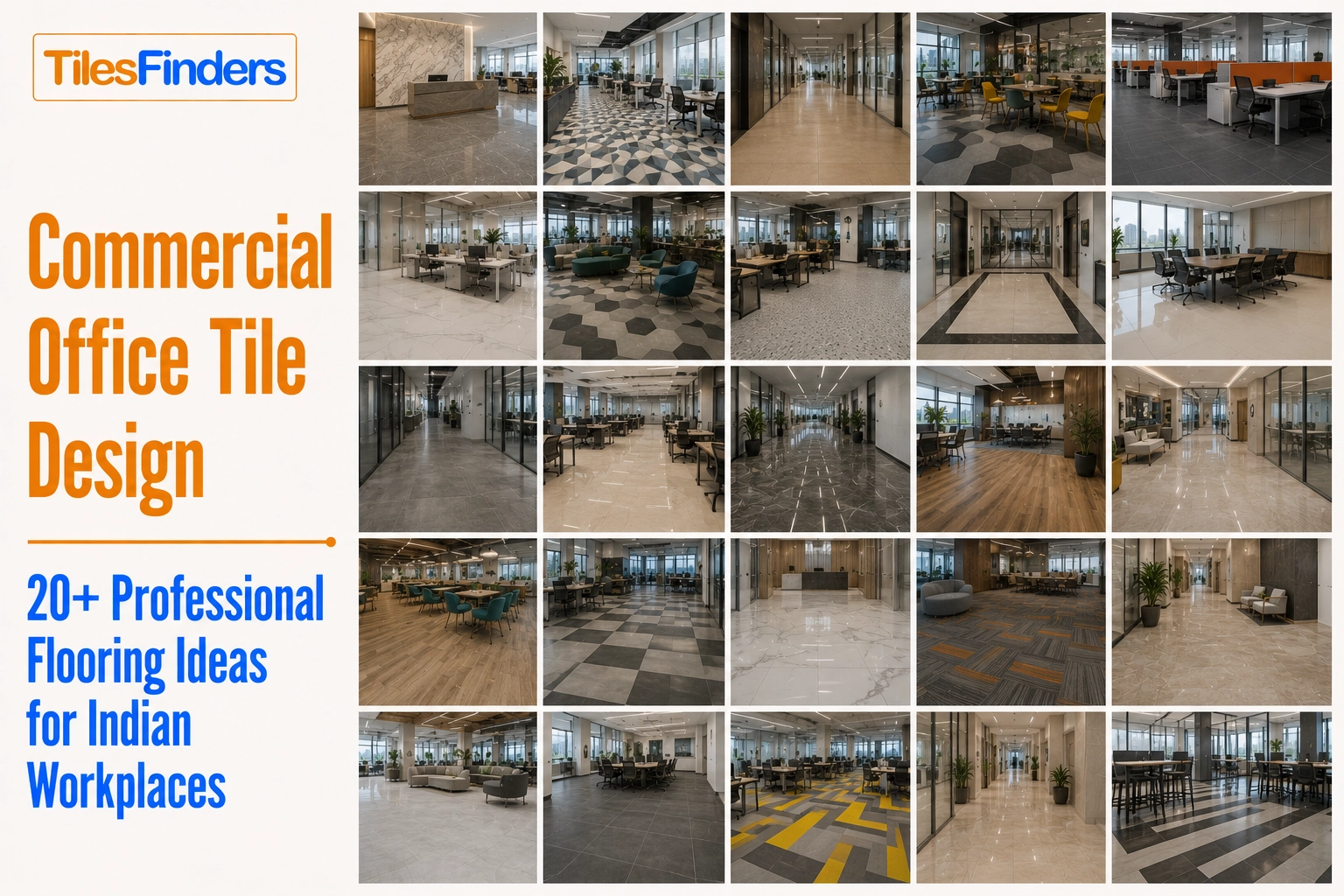
Commercial Office Tile Design: 20+ Professional Flooring Ideas for Indian Workplaces
Explore office floor tiles in India with this complete commercial buyer's guide covering GVT, ful...


Loading designs...







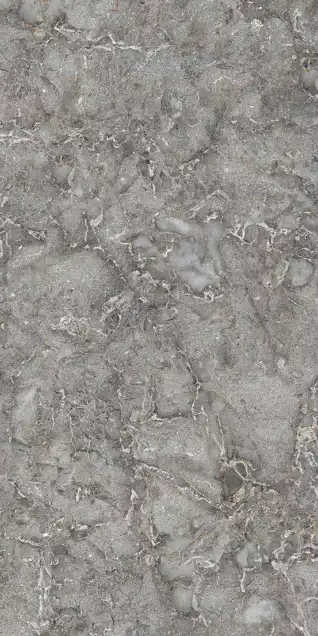









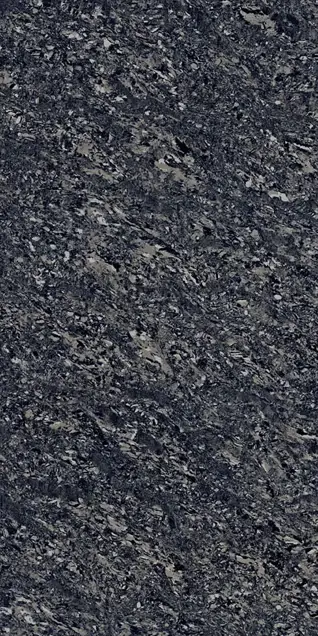


Commercial tile flooring takes more punishment in one week than most residential floors see in a year. Foot traffic, trolleys, spills, cleaning chemicals, and heavy equipment all test the tile surface daily. The wrong tile cracks, stains, or becomes slippery within months. The right tile holds up for 15 to 20 years with basic maintenance.
This page covers every tile type, finish, and size suited to commercial spaces in India, from large office corridors to restaurant kitchens, bathroom blocks, pool surrounds, and kitchen walls. Prices start from Rs. 35 per sq.ft for commercial ceramic tile and go up to Rs. 220 per sq ft for large-format commercial porcelain tile flooring. Browse by type below, compare specs, and connect with verified suppliers.
Residential tiles are tested for light household use. Commercial floor tiles must handle far more. A busy office sees 200 to 500 footsteps per sq. ft. per day. A restaurant kitchen adds grease, heat, and wet-mopping cycles to that load. A swimming pool area adds chlorine and constant moisture.
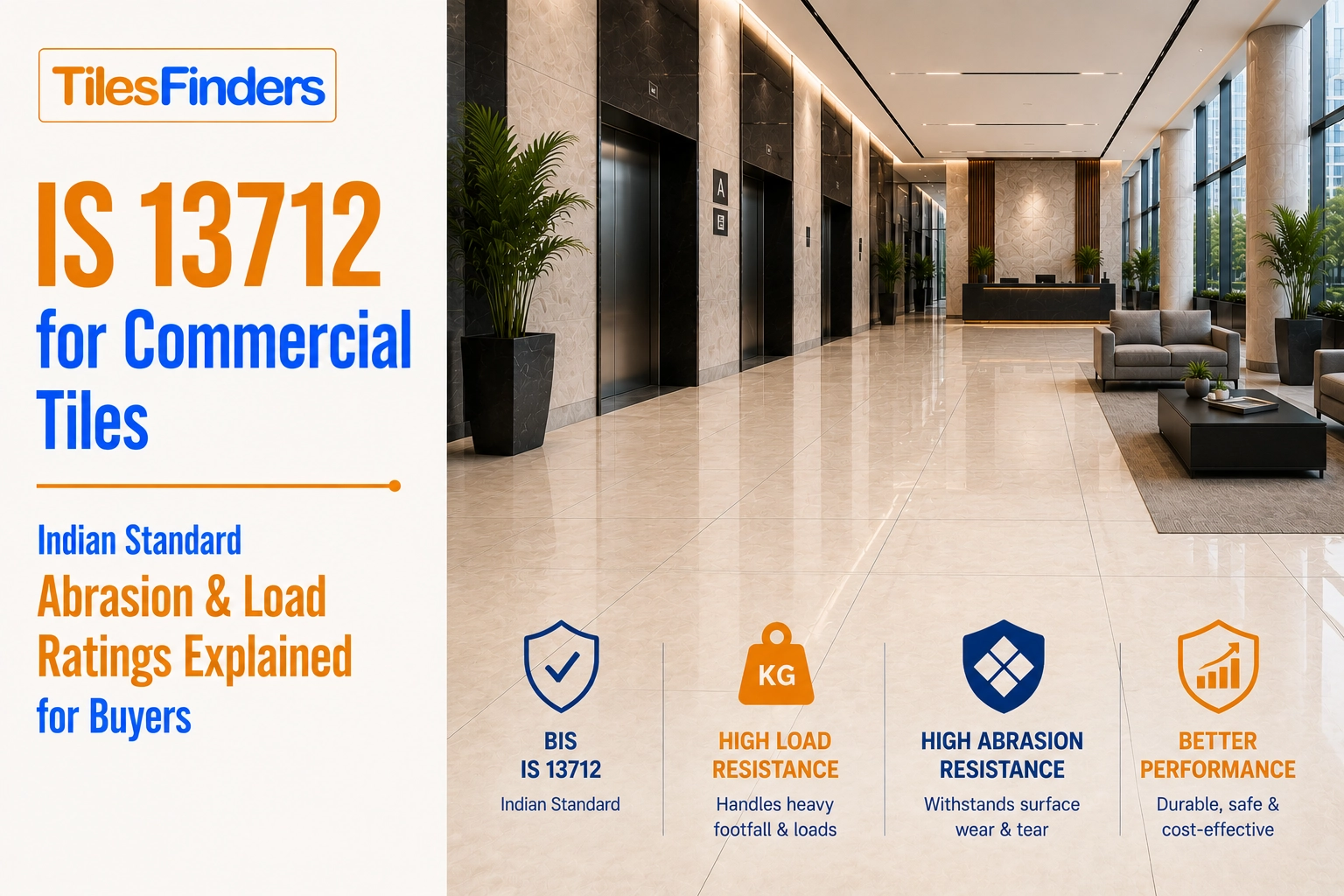
Three technical specs matter most for any commercial tile:
Note: Do not use PGVT (Polished Glazed Vitrified Tiles) on any commercial floor. The polished surface becomes dangerously slippery when wet or dusty. PGVT is a wall-only tile category.
Pro tip: Ask your supplier for the PEI (Porcelain Enamel Institute) rating before buying commercial tiles for floor use. PEI 4 or PEI 5 is the minimum for commercial floors. PEI 3 is residential only.
| Tile Type | Water Absorption | Best Use in Commercial Spaces | Price Range (Rs./sq.ft) |
| Full Body Vitrified (IS 15622:2006) | 0.05% | Corridors, lobbies, high-traffic office floors | Rs. 55 to Rs. 130 |
| Colour Body Vitrified | 0.05% | Retail floors, foyers, where chips must not show | Rs. 60 to Rs. 140 |
| GVT (Glazed Vitrified) | 0.05% | Office floors, showrooms, reception areas | Rs. 45 to Rs. 120 |
| Commercial Porcelain Tile | 2-6% | Restaurant kitchens, bathroom blocks, pool areas | Rs. 80 to Rs. 220 |
| Commercial Ceramic Tile | 6% to 16% | Office walls, pantry walls, and low-moisture wall areas | Rs. 35 to Rs. 80 |
| Double Charge Vitrified | 0.05% | Parking areas adjacent to offices, entrances | Rs. 50 to Rs. 110 |
Full-body vitrified tiles are the most requested commercial floor tile in India because the colour and texture run all the way through the body. If a corner chips in a busy corridor, the chip is nearly invisible. Colour-body tiles work on the same principle, giving more colour variation while keeping that chip-resistant quality.
Note: Commercial ceramic tile is suitable for commercial wall tile applications only. Do not specify ceramic tiles on any commercial floor with regular foot traffic. The IS 13630 standard allows 6% to 16% water absorption for ceramics, making them absorb spills and stains over time when used on floors.
| Finish | Slip Rating | Suitable for Commercial Floors | Use Case |
| Matte | High | Yes | Offices, corridors, waiting areas |
| Sugar | High | Yes | Kitchens, pantries, bathroom floors |
| GHR (Grip High Relief) | Very High | Yes - best for wet zones | Pool surrounds, outdoor commercial areas,and kitchen floors |
| Texture / Rustic | High | Yes | Entrance lobbies, outdoor commercial paths |
| Rain Drops / Stucco | High | Yes | Wash areas, utility zones |
| Glossy | Low - slippery when wet | No - walls only | Commercial wall tile, feature walls, reception walls |
| High Glossy | Very Low | No - walls only | Commercial kitchen wall tiles, bathroom wall tiles |
| Polished (PGVT) | Very Low - dangerous | Strictly No | Never on any floor |
Pro tip: For commercial kitchen floor tiles, the GHR (Glazed High Resistance) finish gives the highest wet-slip protection. Sugar finish is the second choice. Both work with regular mopping and food-grade cleaning chemicals without losing grip.
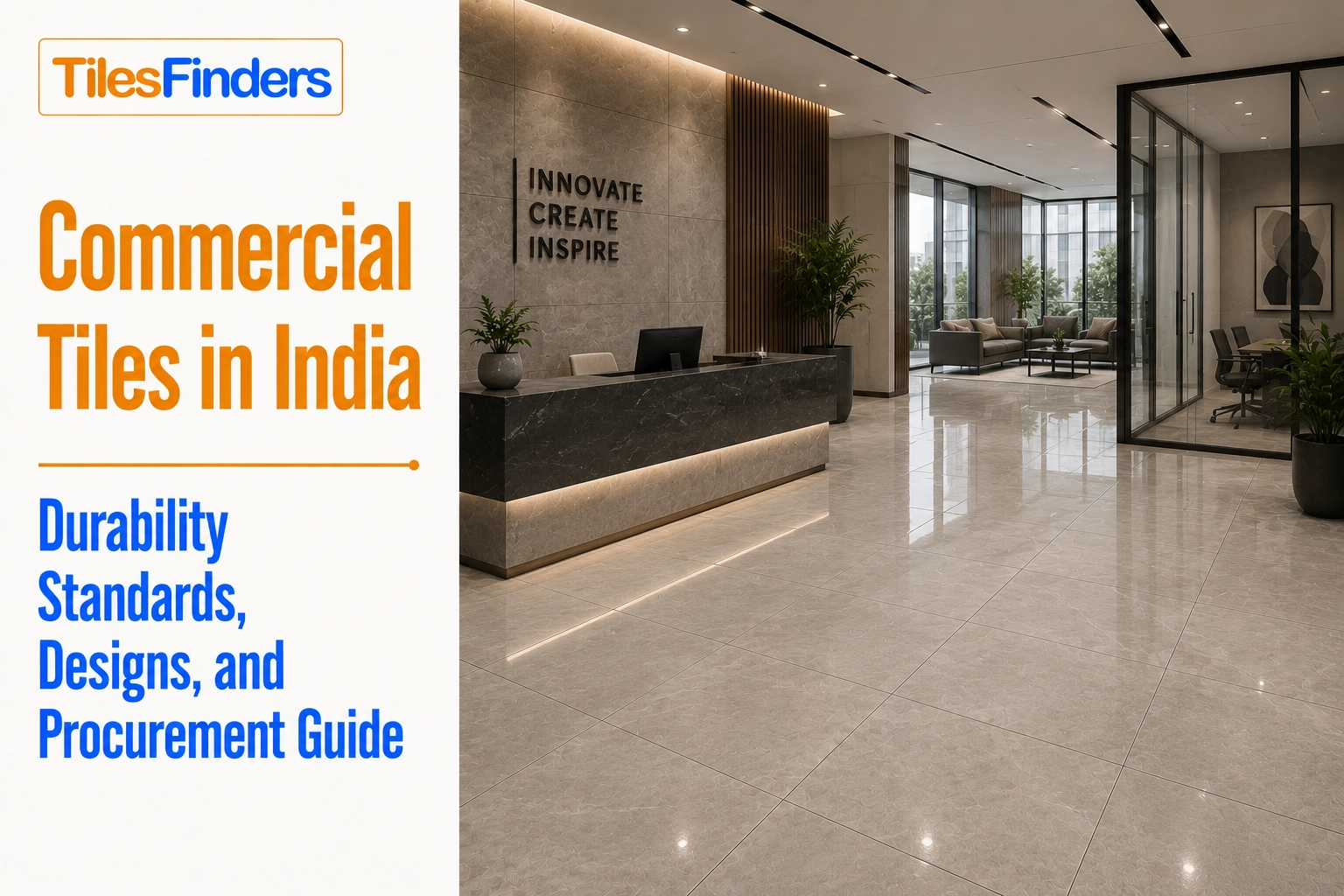
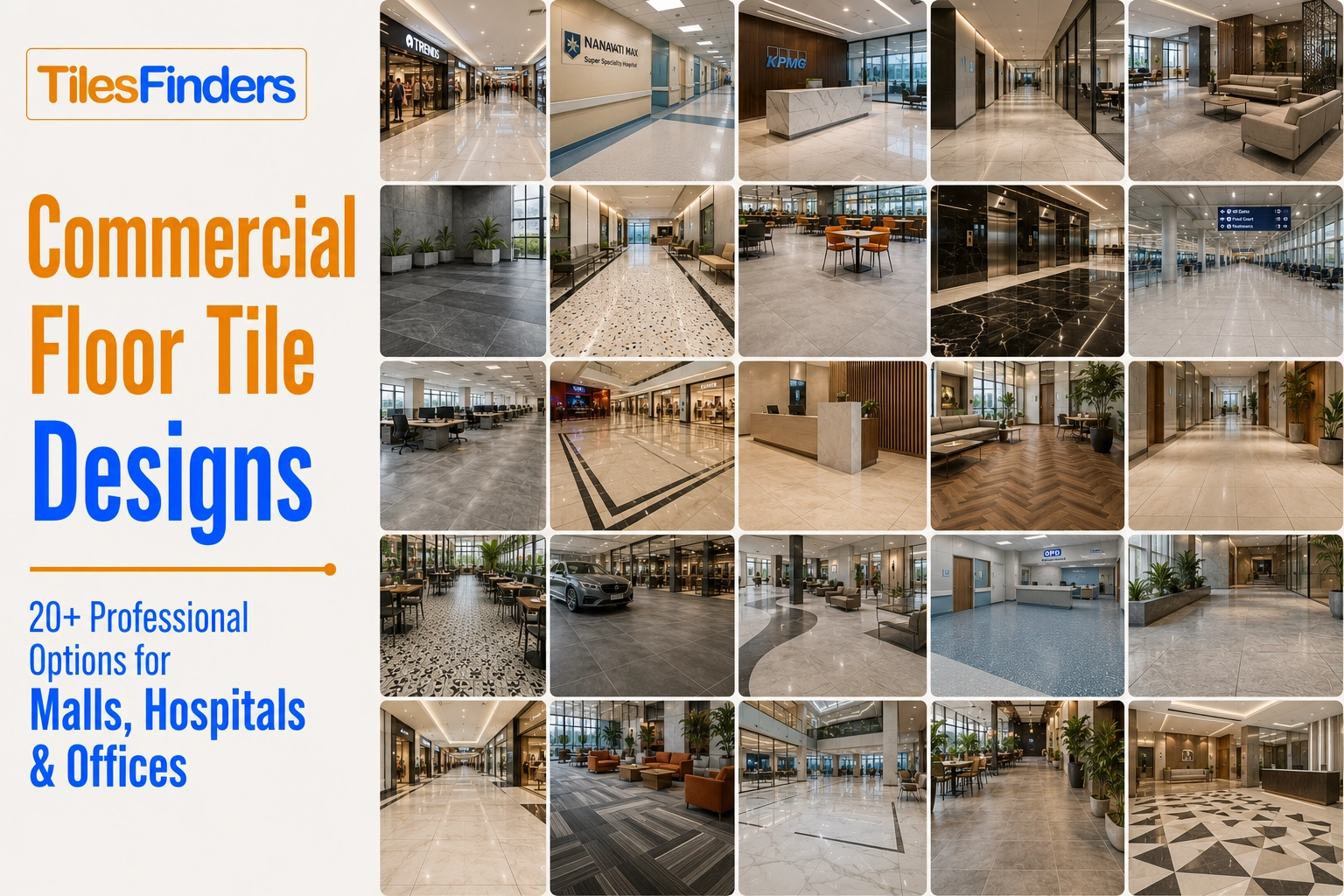
Office floors need tiles that clean fast and do not look worn. The most common choice is a 600x600 mm or 800x800 mm full-body vitrified tile in matte or sugar finish. Prices run from Rs. 55 to Rs. 130 per sq.ft. For corridors with heavy trolley traffic, go for tiles for commercial spaces with a COF above 0.65. Colours like light grey, beige, and off-white hide daily dust and make the floor look clean between mops.
Commercial kitchen floor tile must handle grease, boiling water spills, and multiple wet-mop cycles a day. Porcelain or GHR-finish GVT tiles in 400x400 mm or 300x600 mm sizes work best. Commercial kitchen floor tiles, non-slip with a sugar or GHR surface, are required by most municipal fire and safety codes. Epoxy grout is strongly recommended for all kitchen joints because standard cement grout absorbs grease and grows mould within months. Budget Rs. 80 to Rs. 180 per sq.ft for the tile and factor in epoxy grout at Rs. 180 to Rs. 280 per kg.
The dining area of a restaurant has different needs from the kitchen. Commercial floor tile for restaurant dining areas must look good under warm lighting and clean quickly during service breaks. Large-format GVT in 600x1200 mm with a matte stone or plain look is popular in Indian restaurant spaces priced Rs. 65 to Rs. 140 per sq.ft. A commercial restaurant floor tile in a dark or mid-tone colour hides stains during service and still looks clean after mopping.
Commercial bathroom tile demands split treatment: one spec for floors, another for walls. For floors, anti-slip floor tiles commercial in sugar or GHR finish, 300x300 mm or 300x600 mm size, give safe footing and quick drainage. For walls, glossy or high-glossy commercial ceramic tile keeps grout joints minimal and wipe-down easy. Commercial bathroom floor tile starts at Rs. 45 per sq.ft for ceramic and Rs. 80 per sq ft for porcelain. Epoxy grout on all commercial bathroom floor joints is non-negotiable in high-use facilities.
Walls above cooking stations need tiles that do not absorb grease or steam. Glossy or high-glossy ceramic or GVT in 300x450 mm or 300x600 mm sizes are the standard choice. Commercial kitchen wall tiles in white or light grey let kitchen staff see stains instantly and wipe them down quickly. Price range: Rs. 35 to Rs. 80 per sq.ft for ceramic wall tiles, Rs. 55 to Rs. 120 per sq ft for GVT wall options.
Commercial pool tile needs near-zero water absorption, chemical resistance to chlorine, and an anti-slip grip on wet surfaces. Porcelain tiles with water absorption between 2% to 6% are the correct spec. Commercial swimming pool tiles in 300x300 mm or 200x200 mm with textured or pebble surfaces are standard for pool floors. For the pool wall area, small mosaic tiles in 50x50 mm or 100x100 mm porcelain are common. Pool surrounds use the same porcelain spec with GHR or textured finish. Budget Rs. 90 to Rs. 220 per sq.ft for pool-grade porcelain.
| Tile Size | Area Width Range | Best Application | Grout Joint |
| 300x300 mm | Small to medium | Commercial bathroom floor tile, pool surrounds, utility kitchens | 3 mm min |
| 400x400 mm | Medium | Commercial kitchen floor tile, service areas | 3 to 4 mm |
| 600x600 mm | Medium to large | Office floors, corridors, retail | 2 to 3 mm |
| 600x1200 mm | Large, above 15 ft wide | Hotel lobbies, restaurant dining, and showrooms | 2 to 3 mm |
| 800x800 mm | Large | High-end offices, reception areas, banking halls | 2 mm |
| 800x1600 mm | Very large, above 20 ft wide | Airport-style lobbies, large retail floors | 1.5 to 2 mm |
Larger tiles mean fewer grout lines. Fewer grout lines mean the floor is faster to mop and has fewer places where dirt accumulates. For tiles for commercial spaces above 150 sq. ft. in a single unbroken zone, a 600x600 mm or larger tile always looks better than a 300x300 mm tile.
Pro tip: Order 8 to 10% extra tiles over the measured area for any commercial job. Cuts around pillars, pipes, and door frames waste more tile than residential work. Matching batch numbers is critical in commercial spaces. One batch variation across a large floor is immediately visible.
Commercial floor tiles non-slip is a phrase used loosely in the Indian market. Here is what it actually means in spec terms:
Note: The word 'anti-slip' on a box does not guarantee a specific R rating. For commercial kitchen floor tiles, non slip and anti-slip floor tiles commercial, always ask for a lab test certificate with the DIN 51130 or COF value. This is especially important for restaurants, hospitals, and public facilities where liability matters.
| Flooring Type | Lifespan (Heavy Use) | Wet Area Safe | Maintenance | Price Installed (Rs./sq.ft) |
| Commercial Porcelain Tile | 20-25 years | Yes | Low | Rs. 90 to Rs. 280 |
| Commercial Vitrified Tile | 18-22 years | Yes | Low | Rs. 60 to Rs. 200 |
| Commercial Ceramic Tile (floors - avoid) | 5-8 years | No - absorbs moisture | Medium | Rs. 40 to Rs. 100 |
| Epoxy Flooring | 5-10 years | Yes | Medium | Rs. 120 to Rs. 350 |
| Granite (natural stone) | 25+ years | If sealed | High | Rs. 150 to Rs. 500 |
Porcelain and full-body tiles give the best value over 20 years for most Indian commercial buildings. They need no sealing, no polishing, and no special cleaning products. A mop with a standard floor cleaner is enough.
Sorting through hundreds of tile brands and specifications alone takes time that most project managers and contractors do not have. TilesFinders brings every category of floor and wall tile for commercial projects into one searchable platform, so you can filter by size, finish, body type, and budget without calling five suppliers.
Browse porcelain pool tiles, anti-slip kitchen options, restaurant dining floor tiles, bathroom block tiles, and office corridor ranges side by side. Connect directly with verified dealers near your project location and get accurate quotes without the middleman markup.
Full-body vitrified tiles in 600x600 mm or 600x1200 mm size with a matte or sugar finish are the right choice. They absorb 0.05% water, resist scratches at Mohs 6 to 7, and do not show chips because the colour runs through the body. Price ranges from Rs. 65 to Rs. 150 per sq.ft in Morbi-origin tiles. Avoid glossy or polished finishes in any lobby area.
Not always. Many tiles sold as commercial non-slip tiles carry no certified rating. Ask specifically for a DIN 51130 R-value certificate or a COF (wet) value above 0.6. For commercial kitchens, the minimum is R11. Tiles with a GHR or textured matte finish typically achieve R11 to R12 and COF above 0.7, but request the test certificate before buying.
No. Commercial ceramic tile flooring absorbs 2% to 5% water, which means grease, bacteria, and food acids soak into the tile over time. IS 13630 tiles are for walls. For commercial kitchen floor tile, use porcelain or full-body vitrified tiles with water absorption below 0.1% and a GHR or sugar finish. The price difference is Rs. 30 to Rs. 60 per sq.ft, more than ceramic, but the kitchen stays hygienic.
Epoxy grout is strongly recommended for all commercial bathroom floor tile and commercial kitchen floor tile joints. Standard cement grout absorbs grease, moisture, and cleaning chemicals and turns black within a year in high-use areas. Epoxy grout costs Rs. 180 to Rs. 280 per kg but seals the joint completely and resists mould, chemicals, and staining. Use 2 to 3 mm joints and make sure all tile edges are dry before grouting.
Commercial tile flooring ranges from Rs. 35 per sq.ft for commercial ceramic tile (wall use only) to Rs. 220 per sq ft for large-format commercial porcelain tile flooring. Full-body vitrified tiles for office floors cost Rs. 55 to Rs. 130 per sq.ft. GVT for retail or showroom floors runs Rs. 45 to Rs. 120 per sq.ft. These are tile-only prices sourced from Morbi, Gujarat. Add Rs. 25 to Rs. 50 per sq.ft for laying and epoxy grout.
Commercial swimming pool tiles need water absorption below 0.05%, resistance to chlorine at 200 ppm concentration, and a COF above 0.6 when wet. Porcelain mosaic tiles in 50x50 mm or 100x100 mm for pool walls, and 300x300 mm textured or GHR-finish porcelain for pool floors, are the standard. Budget Rs. 90 to Rs. 220 per sq.ft. Do not use glazed vitrified or ceramic tiles in pool water areas.
Commercial luxury vinyl tile works in dry office areas where quick installation, sound dampening, and a warm look are priorities. It is not suited to Indian commercial kitchens, bathrooms, or any monsoon-exposed entrance because heat, moisture, and heavy foot traffic degrade the adhesive. For most Indian commercial tile flooring needs, full-body vitrified or GVT tiles give longer life at comparable cost.
600x600 mm and 600x1200 mm sizes in matte or sugar finish GVT are the most used commercial floor tile for restaurant dining in India. Larger formats mean fewer grout lines, faster mopping between covers, and a cleaner look under lighting. Commercial floor tile for restaurant kitchens uses smaller sizes like 300x600 mm or 400x400 mm because more grout lines in the kitchen help drainage and grip.