

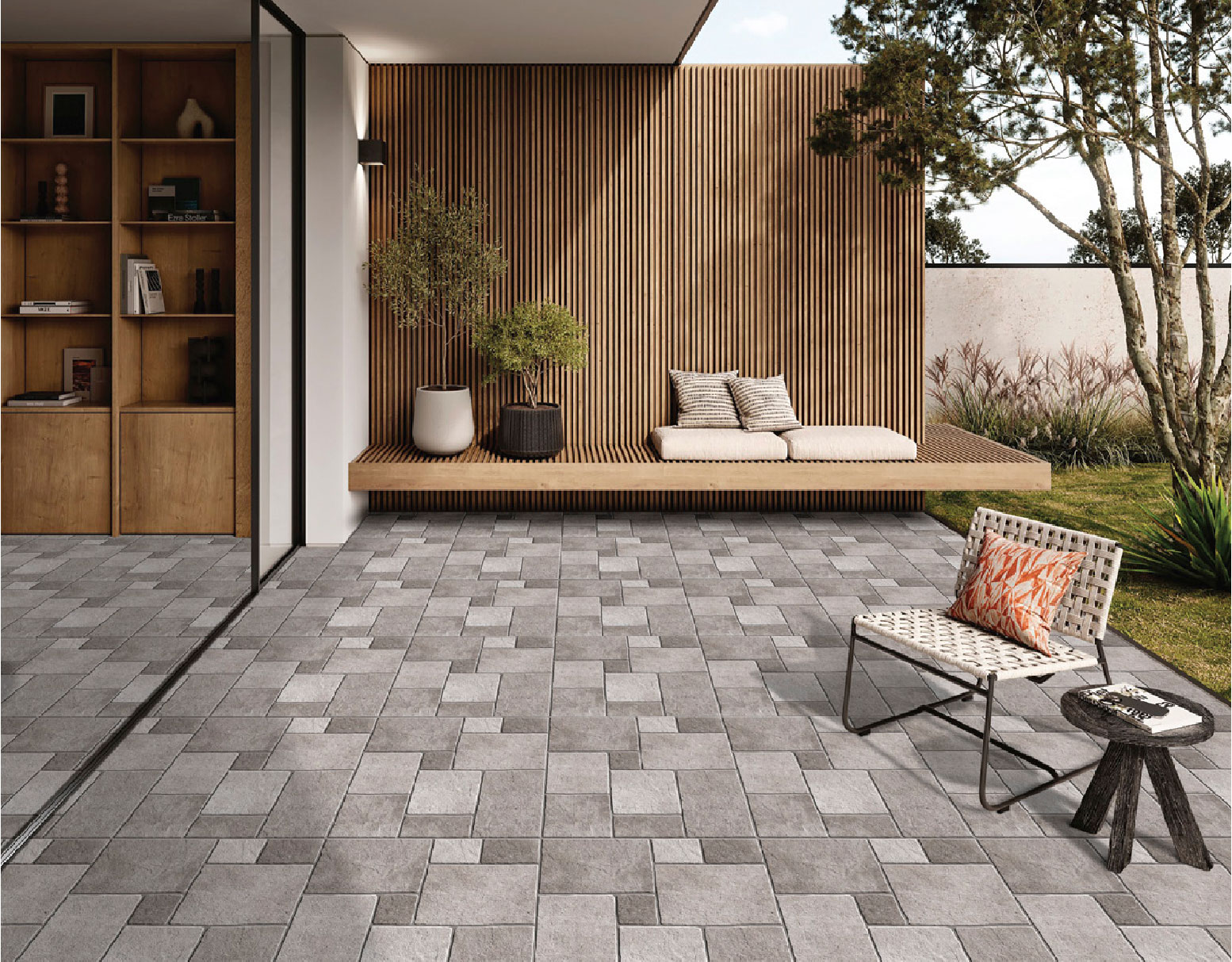
Stone Look Outdoor Tiles vs Natural Stone
Natural stone or stone-look tiles? Find out why vitrified tiles are the ultimate choice for durab...


Loading designs...
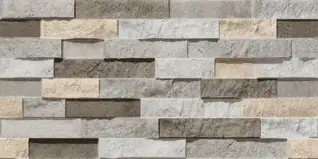

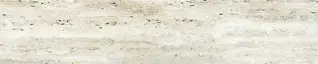
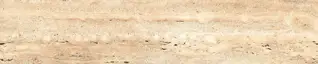


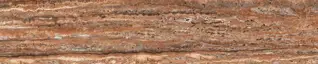
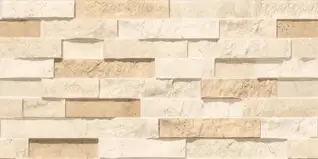
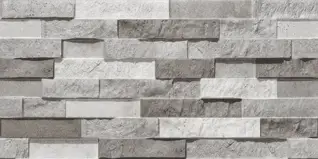
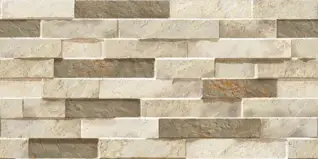
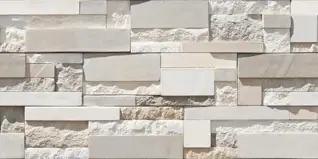
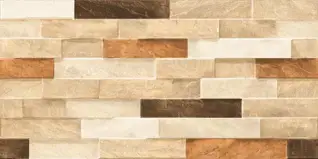
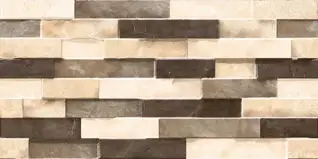
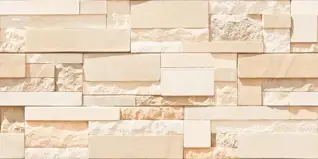
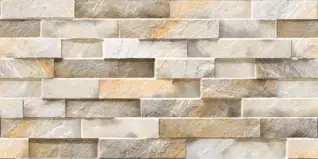
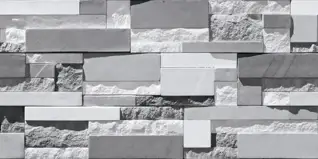
Stone tiles form one of the broadest categories in Indian tile buying, spanning quarried natural material, engineered stone, and porcelain or ceramic tiles printed to replicate stone. The word covers dozens of distinct products under one umbrella, from a thin ledger strip used only on feature walls to a dense basalt slab rated for driveways. This page works through that breadth in the order that matters most for a buyer: real stone versus stone-look first, then stone family, colour, size, finish, and use case.
"Stone tiles" covers two distinctly different products that often sit side by side in search results and even in the same online listing: natural stone tiles quarried from the ground, and stone-look porcelain or ceramic tiles printed to replicate that same texture. Getting this distinction right before anything else changes every decision that follows, since price, sealing needs, weight, and safe placement all differ substantially between the two.
| Factor | Natural Stone Tiles | Stone-Look (Porcelain/Ceramic) |
| Sealing needed | Yes, every 1 to 3 years | No, a glazed or printed surface needs none |
| Water absorption | Porous, varies by stone type | 0.05% to 5%, depending on the body |
| Price range (Rs./sq.ft) | Rs. 80 to Rs. 450 | Rs. 40 to Rs. 200 |
| Pattern uniqueness | No two pieces match exactly | Repeats every few tiles in a print run |
| Weight and installation | Heavier, needs skilled laying | Lighter, more uniform, easier to install |
Real stone tiles, engineered stone tiles, and quartz stone tiles all sit on the natural-material side of this divide, though engineered and quartz options blur the line slightly. Rock stone tiles, a broader term sometimes used interchangeably with real stone tiles, cover any tile cut directly from quarried rock rather than manufactured. Quartz stone tiles are manufactured from crushed natural quartz bound with resin under pressure, which gives far more colour and pattern consistency than a purely quarried stone while still using genuine mineral content, making them a middle ground between fully natural and fully synthetic.
Faux stone tile, ceramic stone tile, and natural stone porcelain tile all sit on the stone-look side, offering the same visual texture as quarried material without any of the sealing commitment; natural stone porcelain tile specifically refers to porcelain printed to replicate a particular named natural stone as closely as possible.
Note: Cheap stone tiles almost always mean stone-look porcelain, not lower-grade natural stone. Genuine natural stone rarely drops below Rs. 80 per sq ft once sealing supplies and skilled installation labour are factored into the total project cost.
Different searches under the broad "stone tile" term are often actually asking for a specific quarried material, each with its own texture, porosity, and best use. Understanding which family a listing belongs to prevents the most common buying mistake in this category: ordering a wall-only material for a floor, or a soft, porous stone for a high-traffic outdoor area.
Pro tip: Ledger stone tile is a wall-only product by design. If a listing describes 'ledger stone floor tile,' confirm with the dealer directly, since the thin stacked-strip format is not rated for foot traffic in most cases and can crack under the weight it was never engineered to bear.
Stone tiles span the full neutral spectrum with a handful of bolder outliers, and the colour available depends heavily on which quarried source produced it.
| Colour | Typical Stone Source | Best Use |
| White stone tile | Marble, limestone | Bright interiors, small rooms |
| Beige stone tiles/cream stone tiles | Sandstone, travertine | Living rooms pair with most decor styles |
| Light stone tiles | Pale limestone, travertine | Small or dimly lit rooms |
| Brown stone tile | Sandstone, slate blends | Traditional and rustic interiors |
| Dark stone tiles | Basalt, dark slate | Feature floors, contemporary exteriors |
| Black stone tile | Basalt, granite | Bold flooring, kitchen counters |
| Red stone tile | Red sandstone | Elevation cladding, garden paths, heritage looks |
| Green stone tile | Green slate, serpentine | Feature walls are rarely used for flooring |
Terracotta stone tiles sit slightly outside this colour-by-stone-source pattern, since the shade is closer to fired clay than to any single quarried mineral, and the term is often used interchangeably with certain sandstones in exterior applications despite the two materials behaving somewhat differently under sun and rain exposure.
Format changes both the visual outcome and the practical handling of a stone tile far more than colour does.
Note: Large stone tiles in natural material, as opposed to stone-look porcelain, are significantly heavier per piece and need a structurally sound subfloor. Always confirm load capacity with a structural engineer or experienced installer before ordering large-format natural stone for an upper floor.
Finish decides both the visual character and the safety profile of a stone tile more directly than colour or even the stone family does.
Note: Polished or honed-glossy stone finishes, regardless of colour or stone type, should never be used on any wet floor. This safety rule applies equally to natural stone and stone-look porcelain.
The same stone tile category serves dramatically different applications depending on density, porosity, and finish, and matching the right combination to the right space is the difference between a floor that lasts decades and one that fails within a year or two.
A number of the terms buyers search under this category are regional or brand-specific stone names rather than generic descriptors, and treating them as distinct products rather than marketing labels helps set the right expectation before ordering. Decorative stone tiles, a broader catch-all term, can refer to any of the patterned, textured, or named varieties covered in this section rather than a single specific product.
Pro tip: When a listing uses a named or branded stone variety, ask the dealer which underlying geological stone type it actually is (sandstone, limestone, slate, and so on), since the branded name alone doesn't tell you the porosity, hardness, or correct sealing schedule.
Upkeep is the single biggest ongoing cost difference between the two branches of this category, and it compounds every year a floor or wall stays in place. A natural stone floor that costs less upfront than a stone-look porcelain equivalent can end up costing more over a decade once resealing labour, specialist cleaning products, and the occasional restoration by a stone specialist are added in.
Pro tip: Ask a dealer for the total five-year cost estimate, not just the per-sq.ft price, when comparing natural stone against stone-look porcelain for the same room. The gap between the two often narrows considerably once sealing and specialist cleaning are included.
Natural stone and stone-look tile also differ meaningfully in how they go down, which affects both project timeline and labour cost. Natural stone pieces vary in thickness and shape even within the same batch, requiring a skilled installer to sort, level, and adjust the adhesive bed piece by piece. Stone-look porcelain and ceramic, being manufactured to a consistent thickness, install faster and more predictably, which is part of why labour costs for stone-look tile typically run lower than for natural stone of a comparable size.
The neutral, earthy character common to most stone tile families makes them one of the easiest categories to design a room around, since almost any secondary material reads as a natural companion rather than a clash. Wood, metal, glass, and greenery all pair comfortably with stone, and the choice mostly comes down to whether the space is aiming for a warmer, rustic feel or a cooler, more contemporary one.
Natural stone tiles sold in India do not carry a single fixed water absorption standard, the way manufactured tile does, since porosity varies by quarry and stone type; buyers should request stone-specific test data from the dealer rather than assuming a blanket figure. Ceramic stone tile follows IS 13630, and porcelain or GVT stone-look tile follows IS 15622:2006, both giving a consistent water absorption and breaking strength baseline that natural stone cannot offer in the same standardised way. Natural stone tiles price ranges from Rs. 80 to Rs. 450 per sq ft, depending on stone type and origin, while stone-look ceramic and porcelain run from Rs. 40 to Rs. 200 per sq ft.
Most stone-look porcelain and ceramic tile sold in India is manufactured in Morbi, Gujarat, while natural stone spans both Indian-quarried material, generally the lower-cost option, and imported stone for buyers seeking a specific colour or vein pattern not available domestically. Buyers ordering natural stone tiles in bulk for a large floor or facade should always confirm batch and quarry-lot consistency, since natural variation between lots can be far more visible than the variation seen in printed stone-look tile.
Natural and stone-look tiles across every family discussed on this page, including sandstone, slate, basalt, lava, ledger, quartz, and regional varieties like Yorkshire and Indian stone, sit together for direct comparison on Tilesfinders, sourced from manufacturers across Morbi and Gujarat, alongside imported natural stone for buyers wanting the authentic quarried product.
Natural stone tiles are quarried mineral material and need periodic sealing. Stone-look porcelain replicates the same texture through printing and needs no sealing at all.
Natural stone tiles cost Rs. 80 to Rs. 450 per sq.ft, depending on stone type, with Indian-quarried sandstone and limestone at the lower end and imported marble or granite at the higher end.
Only in honed or matte finish. Polished natural stone becomes dangerously slippery in a wet shower and should be kept to walls only.
Yes, if the stone is dense and low-porosity, such as basalt or granite, finished with a textured surface rated for vehicle load. Softer, more porous stones are not suitable for parking.
Ledger stone tile is a thin, stacked-strip format used almost exclusively for feature walls and fireplace surrounds. It is not rated for floor use.
Engineered stone, such as quartz stone tiles, is made from crushed natural stone bound with resin, giving more colour consistency than pure quarried stone while still using genuine stone material.
Natural stone tiles need sealing every 1 to 3 years. Stone-look porcelain and ceramic tiles never need sealing, regardless of colour or texture.
Yes, in textured or GHR finish. Both natural stone and stone-look porcelain handle Indian monsoon and summer heat well when the finish is matched to outdoor safety requirements.