

Children's Room Tiles in India: Safe, Fun, and Durable Flooring Complete Guide
Create a children's room floor that grows with your child. Discover safe tile finishes, durable m...


Loading designs...


















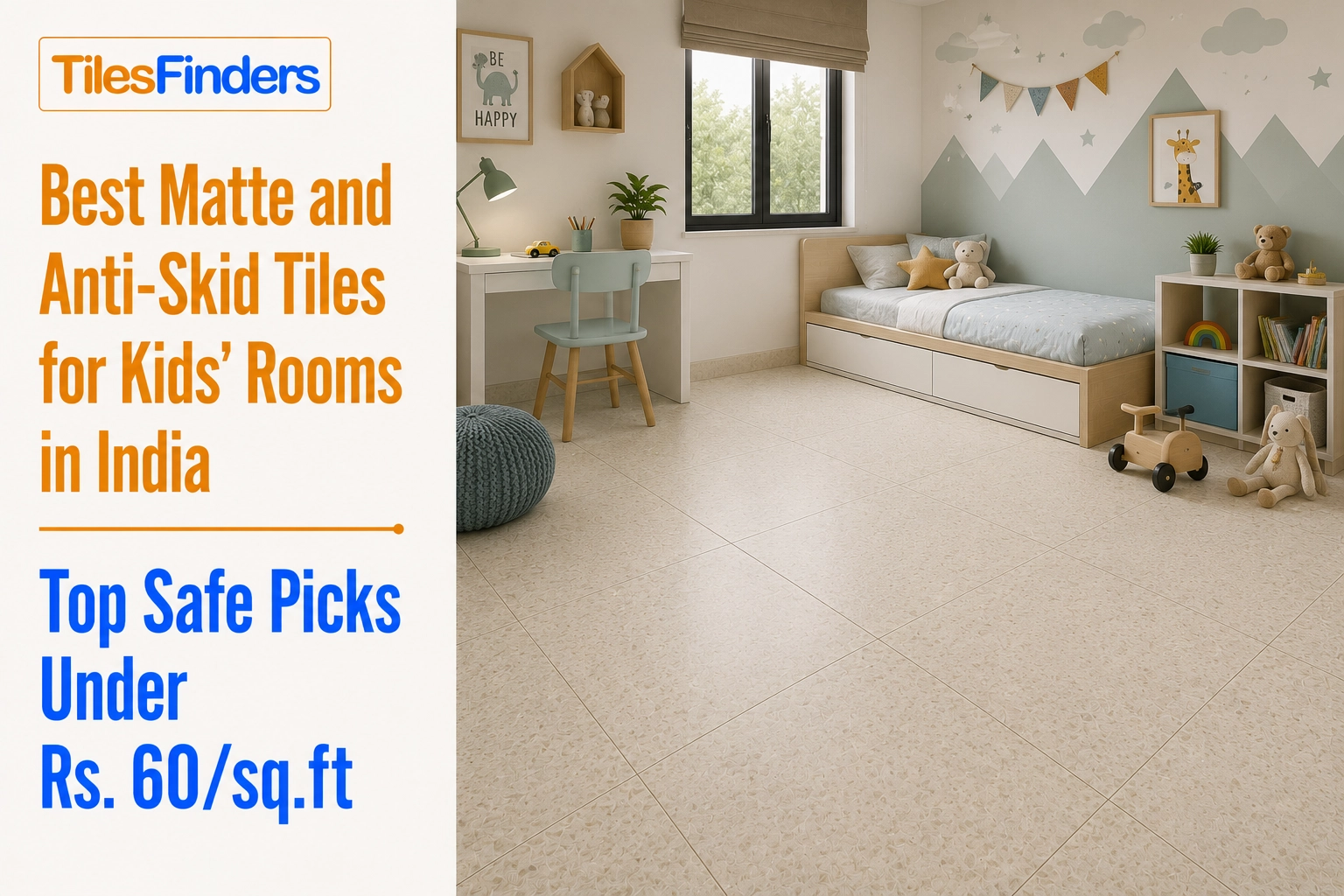
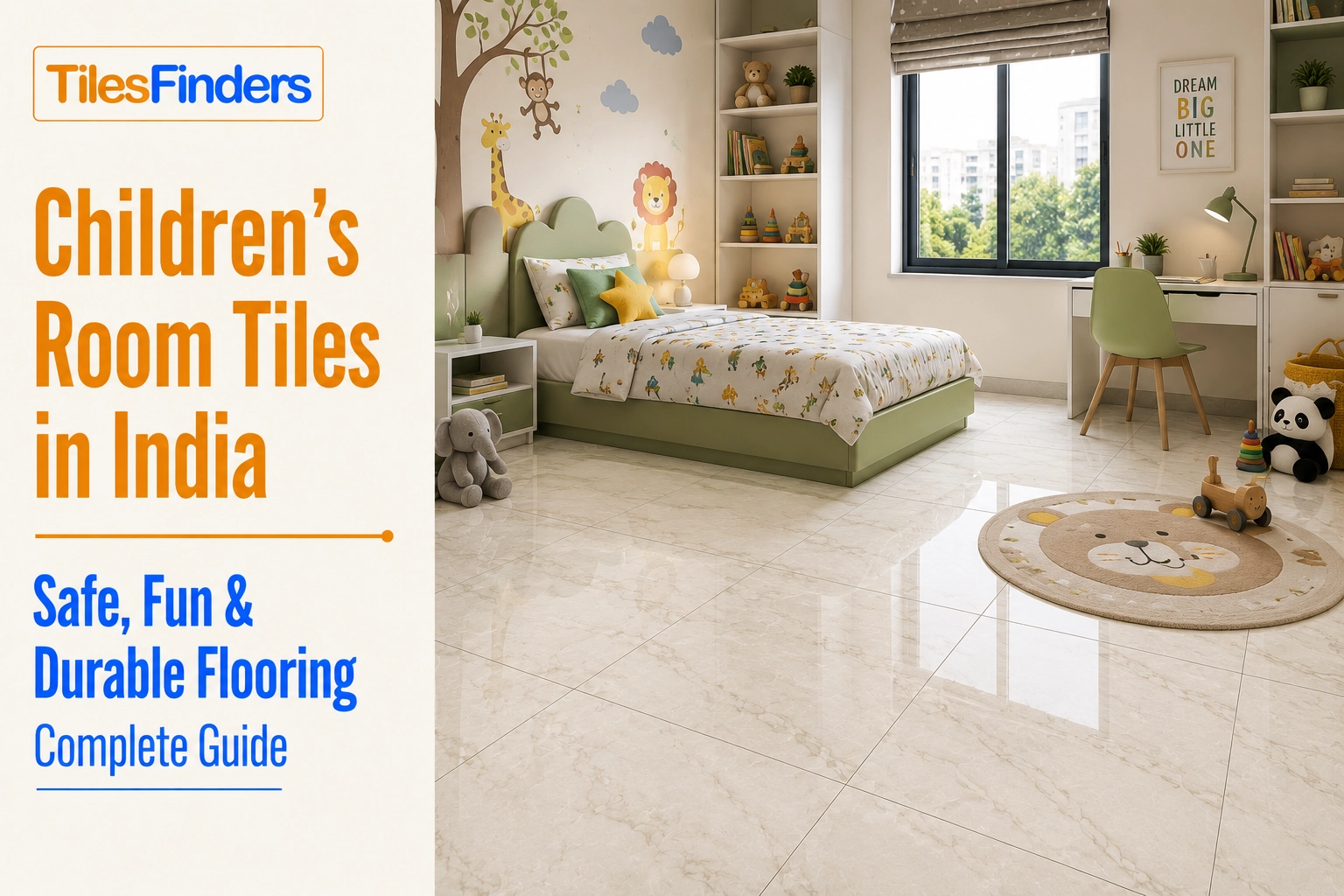
A child's room and a playroom share two tile requirements that no other room in the house has in exactly the same combination: the floor needs to be easy to clean from the specific messes that children create, and it needs to remain appropriate for daily use as the child grows from a toddler to a teenager. These two requirements push the kids' room tile decision in a specific direction: durable, easy-to-maintain, finish-forward rather than colour-forward for the floor, with the colour and design character expressed on the walls, where it can be changed as the child grows without retiling the floor.
Indian children's rooms have their own specific maintenance profile. Crayon on tile wipes off with a damp cloth. Poster paint and finger paint clean up with soap and water. Food and milk spills on a GVT or ceramic tile floor are wiped up without staining the tile surface. In Indian conditions, where removing outdoor footwear at the door is the norm, and the child's room is an indoor space, the tile floor in a child's room sees light but varied daily use: sitting on the floor for play, occasional spills, and arts and crafts activities. The tile specification for a kids' room is the same indoor specification as a bedroom, with specific attention to finish choice and the ease-of-cleaning implications of different surface textures.
This page covers kids room tiles for Indian homes: the floor tile decisions that work for children's rooms and playrooms, how to use colour and design on walls rather than floors for a room that will serve the child through multiple developmental stages, the wall tile accent options that give a kids room a lively, designed character, and what the transition from a toddler room to a pre-teen room looks like from a tile perspective.
In India, tile is the standard flooring for most rooms in a home, including children's rooms, because it handles the Indian climate and maintenance requirements better than carpet, laminate, or vinyl in most conditions. Carpet in an Indian children's room accumulates dust mite allergens in humid conditions, is difficult to clean after food spills or illness, and deteriorates quickly under the combination of Indian heat, humidity, and the foot traffic of an active child. Vinyl and laminate flooring can warp or delaminate in humid Indian conditions near coastal cities or in poorly ventilated rooms.
GVT or ceramic tile in a child's room is a practical choice for most Indian homes. The tile surface does not harbour dust mites, cleans easily of spills and crayon, does not warp or delaminate, and remains the same quality surface for the fifteen or more years the child will use the room. The common concern about tile in a child's room, that hard tile is dangerous when a child falls, is addressed not by choosing a softer floor material but by using area rugs in the primary play zone: a thick cotton or wool rug on a tile floor gives the play area the cushioning of a carpeted floor while the rest of the tile remains easy to clean.
The floor tile finish for a child's room is more important than the colour or the body type, because the finish determines how the floor handles the specific daily use of a children's space.
Satin matte GVT: The most practical finish for a kids' room floor. Satin matte is warm underfoot (children sit on floors more than adults do), does not show every footprint and smear in the way polished does, and provides a calm visual backdrop for a room that already has plenty of colour and visual activity from toys, furniture, and wall décor. In Indian rooms with warm LED lighting, satin matte GVT gives the floor a soft, quiet quality that suits a room designed for rest and play simultaneously.
Matte GVT: The lowest-maintenance finish for a kids' room. A full matte GVT floor shows the least visual evidence of minor marks and scuffs from toys, chair legs, and daily play. It is the correct choice for a dedicated playroom where the floor takes the most intensive daily use of any room in the house.
Polished GVT: Not recommended as the primary finish for a children's bedroom or playroom floor. Polished tiles show every smear, footprint, and toy scuff in morning light and require daily mopping to look clean. They are also the coldest-feeling floor finish underfoot, which matters in a room where a child sits and plays on the floor. The case for polished in a kids' room is purely visual: if the room has enough ambient lighting and the parents are prepared for daily floor maintenance, polished is not harmful, but it is not the most practical choice.
Ceramic: Fully valid for a child's bedroom or playroom floor. A children's room is a low-impact indoor space that does not require the surface hardness of GVT. Ceramic in matte or satin finish in 300x600mm or 600x600mm at Rs. 25 to Rs. 60 per sq.ft is a practical, affordable choice for a room that will be renovated when the child is older.
The specific messes in a child's room that the tile needs to handle: crayon, poster paint, finger paint, food spills, milk, juice, clay and playdough residue, and marker pen. Understanding which finishes clean most easily from each type of mess helps in choosing the right kids' room tile.
Crayon on tile: Wax crayon on a GVT or ceramic tile surface wipes off with a dry cloth for fresh marks and with a mildly warm, damp cloth for dried marks. On a polished or glossy surface, crayon leaves less residue than on a matte or textured surface. On a rough or GHR surface tile, dried crayon can sit in the texture grooves and require a slightly abrasive cloth to remove fully. Smooth matte or satin matte is the most practical finish for a crayon-using child's room floor.
Poster paint and finger paint: Water-based paint on a GVT or ceramic tile surface cleans immediately with a damp cloth. Dried paint on a smooth tile surface cleans with warm water and soap. On a very rough or textured surface, dried paint can adhere in the texture pockets and require scrubbing. Again, smooth matte or satin matte tiles are easier to clean of paint than rough or GHR tiles.
Marker pen: Permanent marker on a glossy or polished tile surface often cleans with isopropyl alcohol. On a matte tile, permanent marker can be harder to remove completely because the matte surface provides more mechanical grip for the ink. Washable markers used in children's art clean from any smooth tile with soap and water.
The practical conclusion for a kids' room floor tile: smooth matte or satin matte GVT or ceramic is the easiest to maintain under the specific mess profile of a child's room. Rough-texture and GHR tiles, which are correct for outdoor surfaces and some bathroom floors, are unnecessarily hard to clean in a kids' room context.
The most common mistake in designing a kids' room tile scheme is putting the colour on the floor and the neutral on the wall. A brightly coloured or strongly patterned floor tile in a child's room creates two problems: it is very difficult to change as the child grows and their preferences evolve, and it competes visually with every colourful toy, piece of furniture, and artwork in the room, creating a busy, visually fatiguing space.
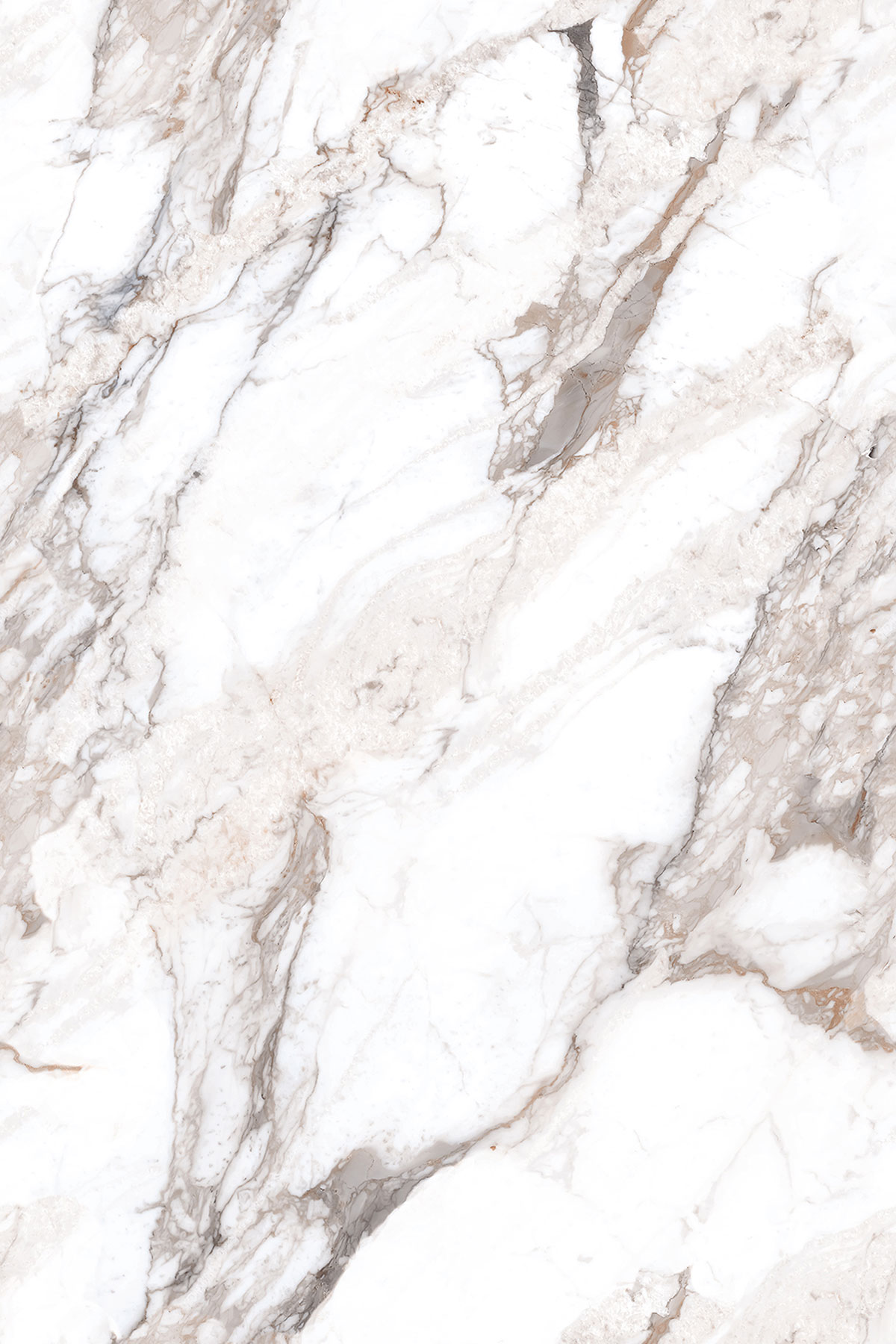
The more effective approach is the reverse: a neutral floor tile in warm grey, cream, or warm beige in satin matte or matte GVT, and the colour and design character expressed on one accent wall in a bright PGVT or GVT tone. This approach gives the room a strong colour identity that is photographable and designed, while keeping the floor a calm, neutral surface that works with any furniture and toy colour, and can be repainted or retiled easily when the child's preferences change. The floor is the long-term investment; the wall is where the personality goes.
A tiled accent wall in a child's room works on the same principle as in any bedroom: one wall treated differently from the others creates a focal point without making the whole room feel hard or enclosed. In a child's room, the accent wall tile has a specific purpose: it introduces the colour, pattern, or design character that makes the room feel like it belongs to the child.
Colour accent wall: A solid-colour PGVT or GVT tile in sky blue, sunshine yellow, sage green, or coral pink on the wall behind the bed or opposite the door gives the room a strong colour identity that reads from across the room. PGVT in polished or satin matte finish in a children's room colour on the headboard wall gives the room a hotel-suite quality with a child-appropriate colour. The polished surface reflects room light and makes the colour appear richer and more saturated than the same colour in paint.
3D wall tiles: GVT in Matte Carving finish with a soft geometric or wave relief pattern on one wall of a child's room creates a textured, tactile surface that children find interesting. Soft, rounded relief patterns are more appropriate for a child's room than deep geometric cuts. On a wall that a child might touch and explore, the Matte Carving surface adds a physical dimension to the room. Use 3D tiles on one wall only: the headboard wall or the entry-facing wall.
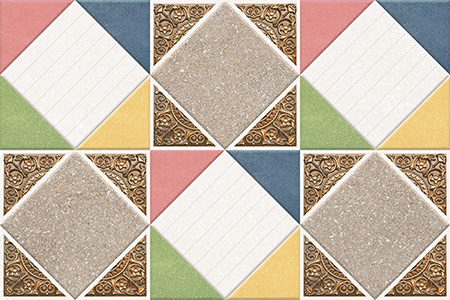
Patterned tiles: A geometric mosaic-look GVT tile panel, a star pattern, or a simple stripe pattern on one wall of a child's room gives the space a designed, playful quality. In a room where the floor is a neutral satin matte GVT, a patterned tile accent wall gives the room all its design character in one surface without overwhelming the space.
A dedicated playroom takes the most intensive floor use of any room in the house. It is walked on, sat on, rolled on, and used for building, drawing, and active play daily. The tile specification for a playroom floor is the same as for a kids' bedroom floor (GVT or ceramic in matte or satin matte finish), but the maintenance profile is higher. A playroom floor will be mopped more frequently, will see more spills and more toy-related marks, and will take the occasional impact from falling toys and construction sets. Wood look tiles in matte or satin matte finish in a warm oak or light natural tone in 300x1200mm plank format give a playroom the warm, domestic feel of a timber floor without the maintenance of actual wood in Indian humidity, and wipe clean of the daily playroom mess as easily as any GVT tile.
The practical advantage of tile over rug or soft flooring in an Indian playroom: a tiled playroom floor with a machine-washable cotton play mat in the primary play zone gives the child the cushioned play surface where they need it, while the surrounding tile floor is wipeable after every arts and crafts session. Removing a stained play mat for washing is easier than cleaning a fixed carpet after a paint or clay session.
Themed tile designs for children's rooms (cartoon characters, animals, space patterns, rainbow colours) are available in GVT and ceramic in the Indian market. The design consideration with themed tiles is longevity: a five-year-old who loves dinosaurs may find dinosaur floor tiles embarrassing at age eleven. Strongly themed tile designs on floors have a functional life of two to five years before the child's changing preferences make the tile feel wrong for the room.
The longevity approach to kids' room tiles design: use a neutral tile on the floor, and achieve the themed or character-driven quality through removable elements: bedding, wall stickers, curtains, and a small accent tile panel that can be retiled at low cost when preferences change. A 600mm to 900mm wide feature panel of themed or character-print ceramic tiles on one wall of a child's room, framed by plain tiles on either side, gives the room a themed quality that can be updated with one small retiling job as the child grows.
| Child's Age | Floor Tile Priority | Wall Tile Priority | Key Consideration |
|---|---|---|---|
| 0 to 3 years (infant and toddler) | Warm matte GVT or satin matte in a neutral, thick cotton rug in the primary play zone | Soft colour accent wall in PGVT or GVT, no strong patterns | Warmth underfoot and easy clean are primary; colour expressed on the wall, not the floor |
| 3 to 8 years (play years) | Same neutral matte GVT floor, washable play mat over tile in art zone | Feature tile panel with playful pattern or colour, themed accent if desired | Easiest-to-clean floor for paint and crayon; feature wall carries the room's character |
| 8 to 13 years (pre-teen) | Neutral floor remains correct; no retiling needed if neutral was chosen | Update accent wall to age-appropriate colour or geometric pattern | The neutral floor that was chosen for the infant still works for a pre-teen; only the wall needs updating |
| 13 years and above (teen) | Neutral matte GVT floor still works; consider 600x1200mm for a more sophisticated feel. | Contemporary solid-colour GVT or marble-look PGVT on headboard wall | The same tile floor serves the room from 0 to 18 years if a neutral spec was chosen |
The question of safe tiles for a kids' room is most often about slip resistance and hardness. On an indoor dry floor, slip resistance (anti-skid specification) is not required for the same reasons as an outdoor or wet bathroom floor. A child's bedroom or playroom is a dry indoor surface where GVT in matte or satin matte finish provides adequate indoor traction without requiring the rough anti-skid specification of outdoor tiles.
The real safety consideration in a kids' room tile is hardness. Tile is harder than carpet, and a falling child on a tile floor absorbs more impact than on a carpeted surface. This is not a reason to avoid tile in an Indian children's room (where tile is the norm and most Indian children grow up on tiled floors without issue), but it is a reason to place a thick cushioned rug or play mat in the primary play zone where a toddler is learning to walk or where active tumbling play happens. The tile itself does not need to be different: a standard GVT matte tile is correct, and the rug placement addresses the impact concern.
GVT and ceramic tiles for children's rooms and playrooms from Morbi, Gujarat, are available across the full residential tile range. Ex-factory prices for kids' room floor tiles: Rs. 22 to Rs. 42 per sq ft for ceramic in matte or satin finish in 300x600mm or 600x600mm, Rs. 38 to Rs. 65 per sq ft for GVT in satin matte or matte in 600x600mm, and Rs. 50 to Rs. 85 per sq.ft for GVT in 600x1200mm in satin matte. Kids' room accent wall tiles in solid colour GVT or PGVT: Rs. 45 to Rs. 110 per sq.ft. Wood-look GVT plank for playroom floors: Rs. 52 to Rs. 100 per sq ft. Retail prices in Indian cities are 25% to 40% above ex-factory.
If a child's room has an attached bathroom, the bathroom tile specification is completely separate from the kids' room floor tile. A child's attached bathroom is a wet area that requires GVT in matte or textured finish on the floor (genuine anti-skid for a wet surface where a child may slip), waterproof wall tiles with epoxy grout, and the full wet area tile system. For the complete specification for a child's bathroom attached to the kids' room, the bathroom tiles guide covers the wet area tile system, finishes safety in wet zones, and provides design directions for compact bathroom spaces.
Kids' room tile selection starts with the floor finish (satin matte or matte GVT in a warm neutral for the floor, colour and pattern on the accent wall), then the wall tile that gives the room its character, and finally the playroom or bedroom context that determines maintenance frequency and the rug placement plan. Browse GVT, ceramic, and PGVT tiles for children's rooms and playrooms on TilesFinders across neutral floor directions and colourful accent wall options.
GVT in satin matte or matte finish in a warm neutral (cream, warm grey, or warm beige) in 600x600mm is the most practical kids' room floor tile for Indian homes. Satin matte is warm underfoot, hides minor marks, and cleans easily of the specific messes children create. A neutral floor tile serves the room from infancy to teenage years without needing replacement. Bedroom tiles cover the full floor tile specification for children's bedrooms, including body type, finish comparison, and format guidance.
Yes. GVT in satin matte or matte finish on an indoor dry children's room floor is safe for normal bedroom and play use. The concern about tile hardness under a falling child is addressed practically by placing a thick, cushioned cotton or wool rug in the primary play and tumbling zone. A standard matte GVT floor with a well-placed rug gives the room the safety of a cushioned surface where it is needed and the easy-cleaning of tile across the rest of the floor.
A neutral floor tile is a better long-term choice than colourful or themed floor tiles in a child's room. Strongly coloured or themed floor tiles have a design life of two to five years before the child's changing preferences make them feel wrong for the room. A warm neutral GVT floor in satin matte serves the room from birth to age 18. The colour and design character of the room is better expressed on one accent wall in a PGVT or GVT solid colour or pattern, which can be painted or retiled at much lower cost than the full floor when the child grows.
A solid-colour PGVT or GVT tile in a child-appropriate colour (sky blue, sunshine yellow, sage green, coral pink, or any other colour that suits the child and the room) on the headboard wall or entry-facing wall gives the room a strong colour identity. PGVT in polished or satin matte finish amplifies the colour and reflects room light. A 3D Matte Carving GVT tile with a soft geometric relief on one wall adds tactile texture. A small themed or patterned tile panel of 600mm to 900mm width on one wall gives the room a themed character that can be updated as the child grows.
GVT in matte finish in a warm neutral or wood-look GVT plank in matte or satin matte are the most practical playroom floor tiles. A playroom floor takes the most intensive daily use of any room in the house and must be cleaned easily of paint, clay, food, and marker. Smooth matte GVT cleans more easily than rough or textured tiles from the specific messes of a playroom. A machine-washable play mat placed over the tile in the primary play zone gives the cushioning of carpet where it is needed, while the tile floor remains wipeable.
Tiles are durable, but spills from paint, glue, or snacks can happen. Using table mats, craft mats, or rugs in study or craft corners helps protect the tiles. For extra safety, choose tiles that are easy to wipe clean so messes don’t leave stains.
Yes. A child's bedroom is a dry, low-impact indoor space that does not require the surface hardness of GVT. Ceramic tiles in matte or satin finish in 300x600mm or 600x600mm are a practical and affordable choice for a child's room, particularly in secondary bedrooms or rooms that will be renovated as the child grows. For a playroom or primary bedroom where a fifteen-year-plus service life is expected, GVT in matte or satin matte is the more durable specification.
No. An anti-skid finish (rough texture, GHR, or outdoor-spec tile) is not required on a dry indoor children's bedroom or playroom floor. Anti-skid specification is for outdoor surfaces and wet indoor surfaces (bathroom floors, open-plan wet areas) where the tile surface is regularly wet and a fall risk exists. A dry indoor kids' room floor in GVT matte or satin matte finish has adequate indoor traction for normal walking and play. The rough anti-skid tiles used outdoors are unnecessarily difficult to clean in a child's room context.
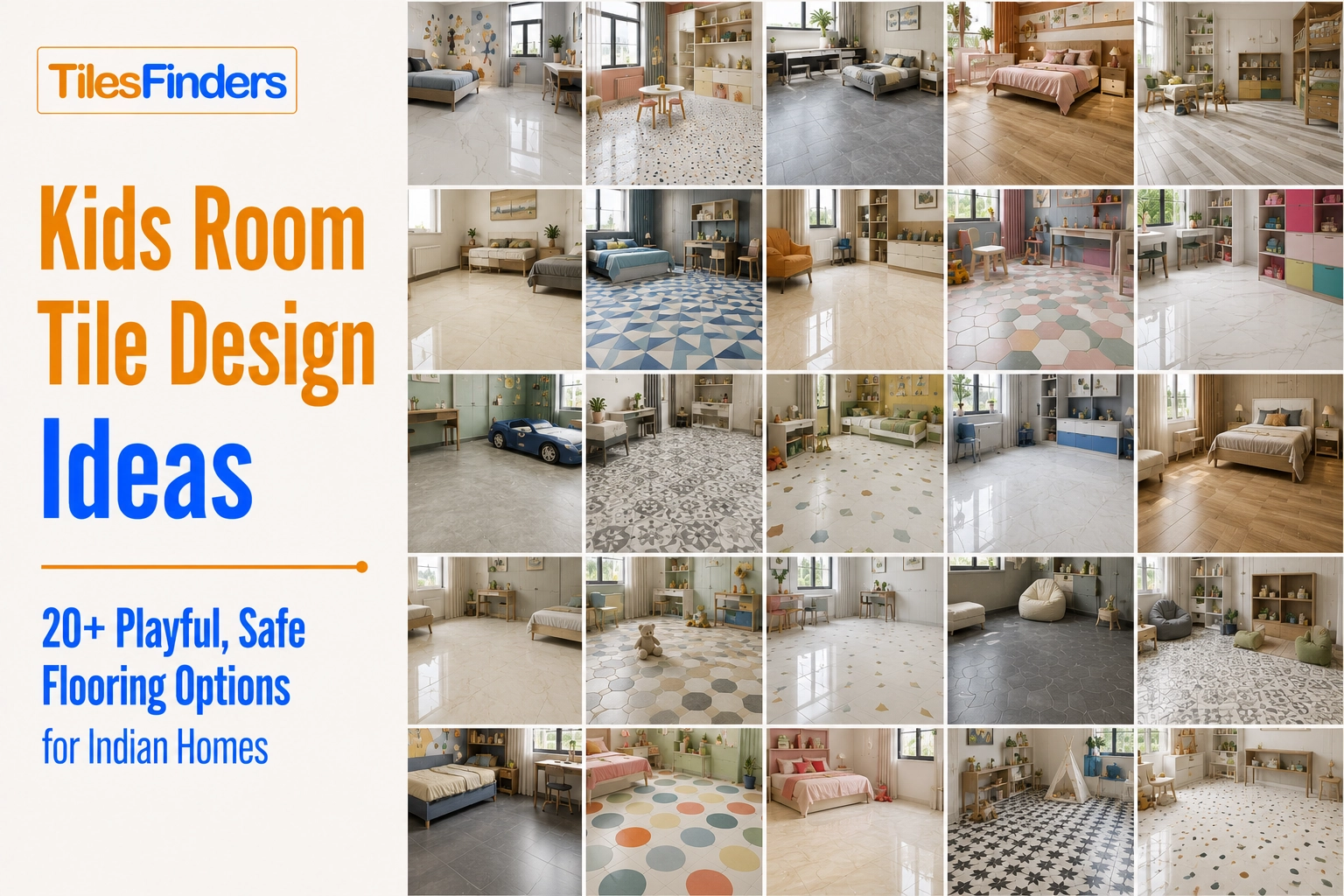
-221b7c9a-667f-42d2-b5b3-66ba2d2266c1.webp)