
Mosaic Tiles in India: Complete Guide to Patterns, Materials and Applications
Learn how printed mosaic-look tiles differ from genuine mosaic sheets, explore popular patterns, ...


Loading designs...
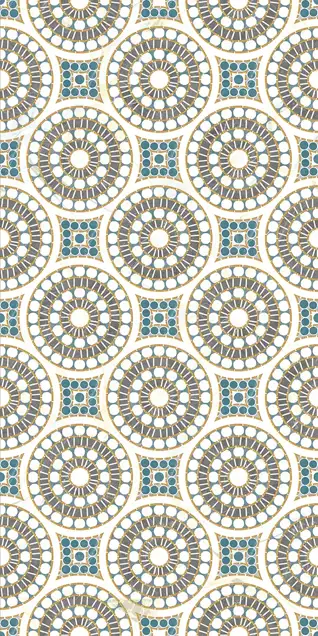
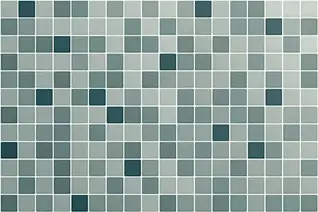

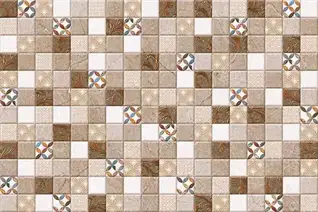
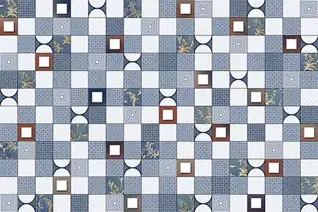
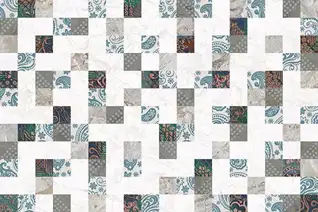
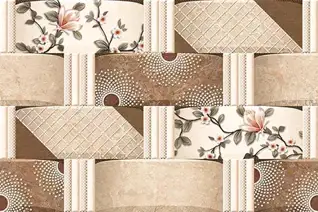
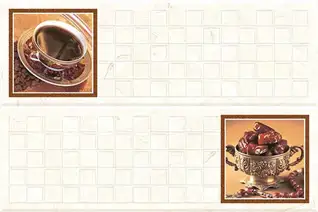
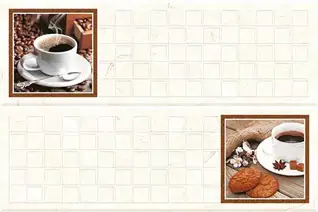
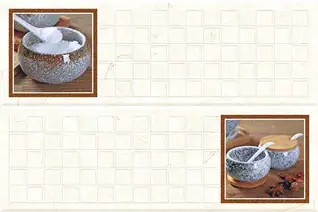
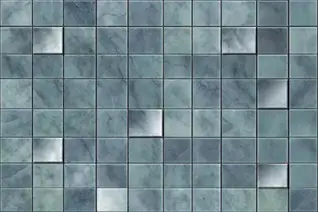
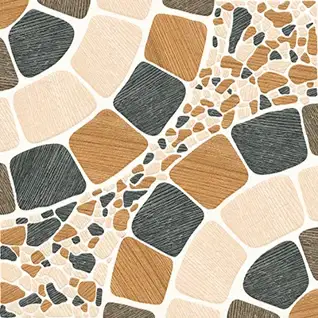
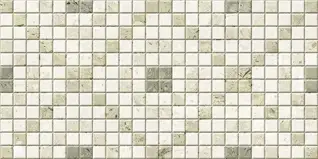
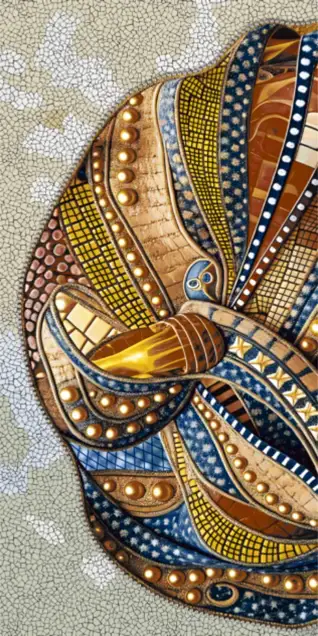
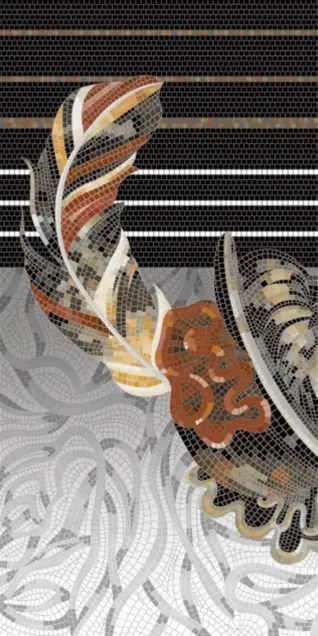
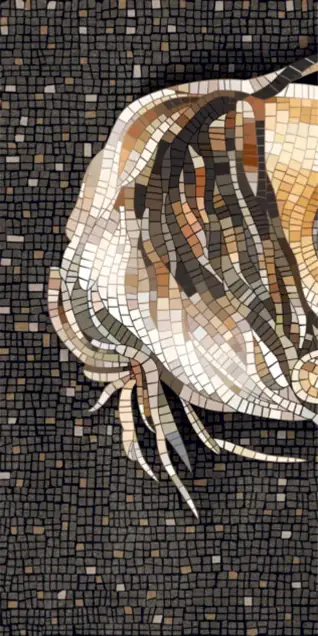
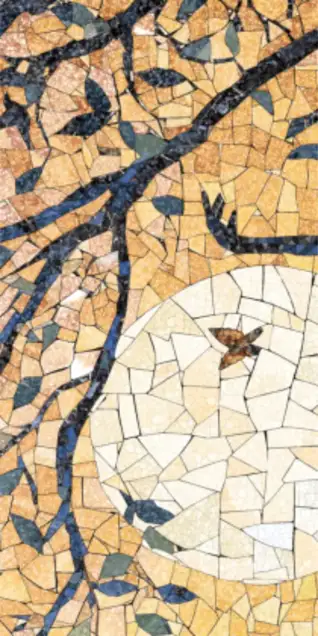
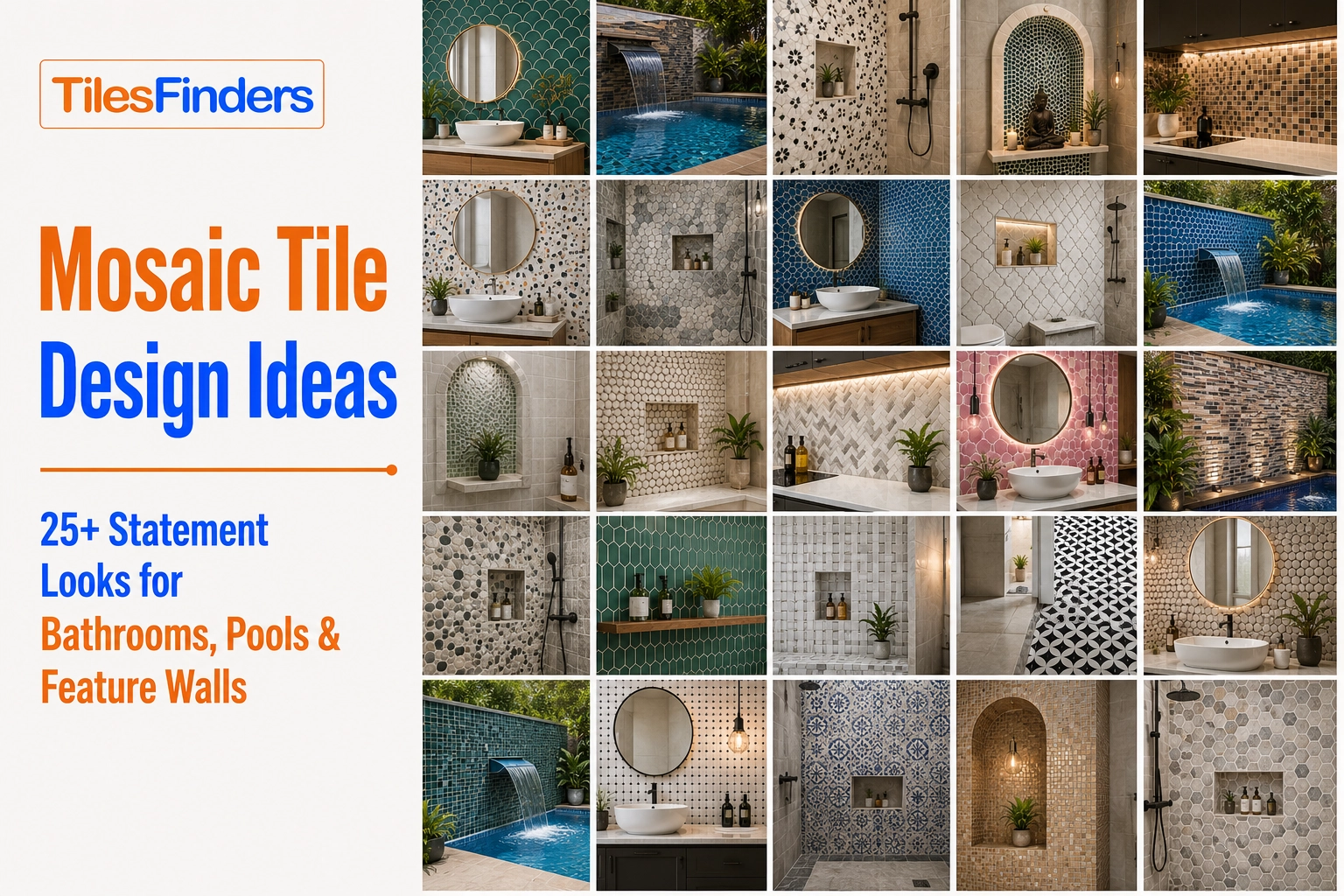
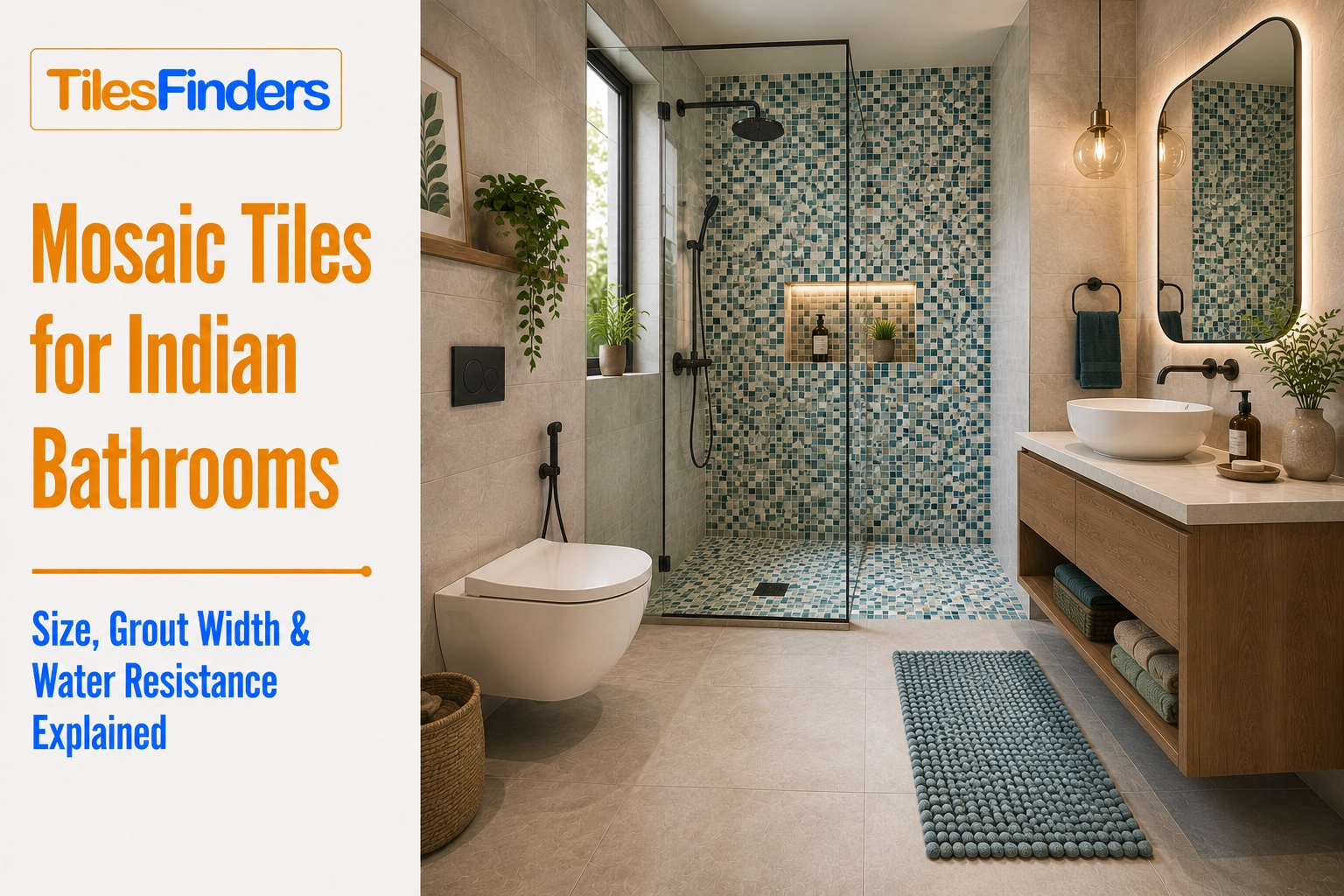
Mosaic tiles are small-format tiles or tile sheets that create pattern, texture, and visual depth across floors, walls, and feature surfaces. The term covers a wide range of tile bodies, from ceramic mosaic tile and porcelain mosaic tile to natural stone mosaic tile and GVT mosaic tile, all produced in small individual pieces mounted on mesh-backed sheets for faster installation. Mosaic tiles in India are most commonly used in bathrooms, kitchen backsplash, swimming pool surrounds, feature walls, and decorative floor borders. Sizes range from 1x1 mosaic tile (25x25mm individual pieces) to 2x2 mosaic tile (50x50mm pieces) and larger square mosaic tiles up to 100x100mm, with sheet dimensions typically 300x300mm (1x1) or 300x600mm. Prices range from Rs. 55 to Rs. 280/sq.ft from Morbi and Gujarat manufacturers depending on body, material, and pattern.
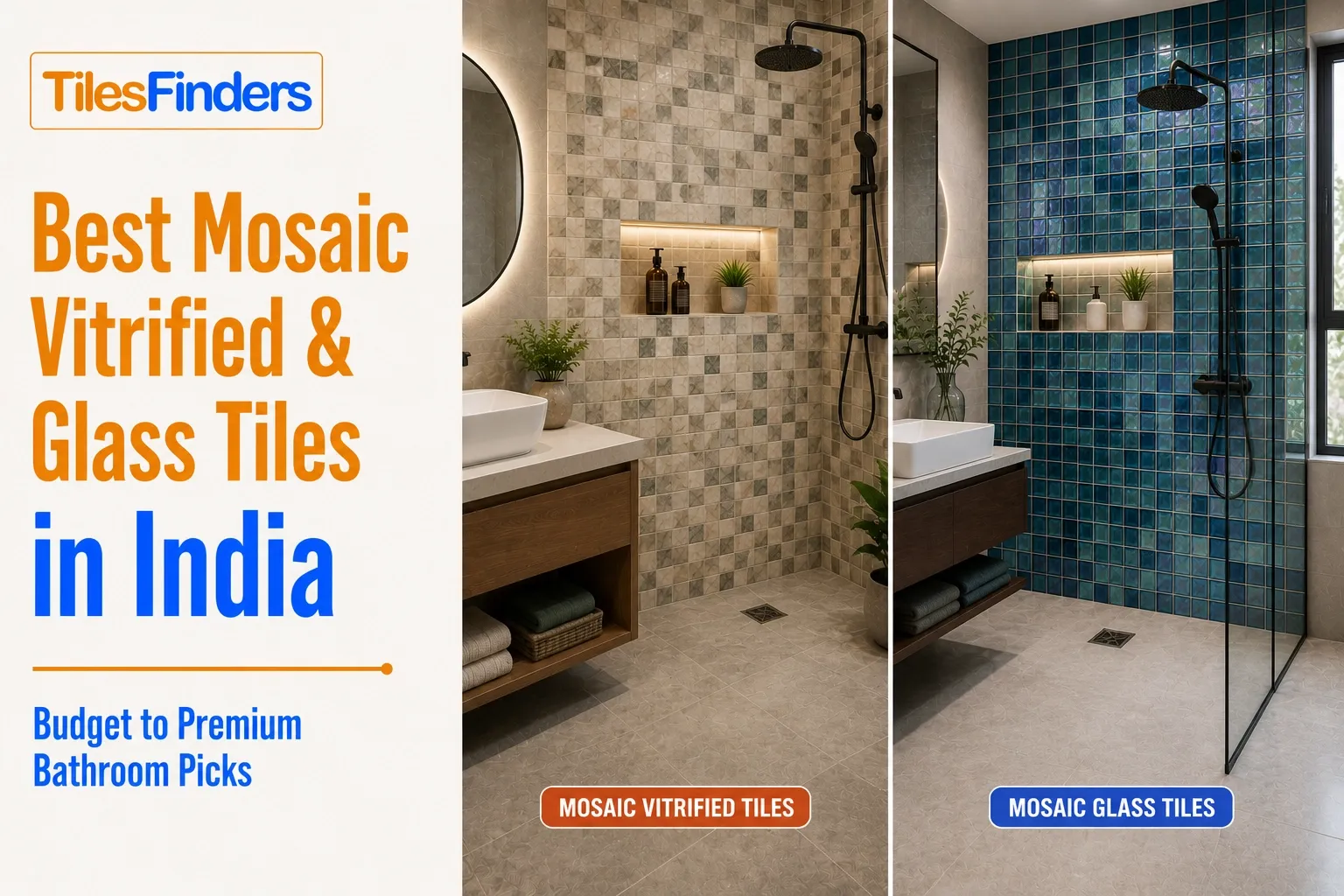
Mosaic tiles are available in four main body types in India. The body determines where the tile can be used, how it handles moisture, and what maintenance it requires:
| Mosaic Tile Type | Water Absorption | IS Standard | Floor Use | Wall Use | Price Range |
| Ceramic mosaic tile | 12% to 16% | IS 13630 | Wall-only (except dry 300x300mm floor use) | Yes | Rs. 25 to Rs. 80/sq.ft |
| Porcelain mosaic tile | 2% to 5% | IS 15622:2006 | Yes (matte finish) | Yes | Rs. 80 to Rs. 180/sq.ft |
| GVT mosaic tile | 0.05% | IS 15622:2006 | Yes (matte/GHR) | Yes | Rs. 55 to Rs. 130/sq.ft |
| Natural stone mosaic tile | Varies (3% to 20%+) | No IS standard | Yes (sealed) | Yes | Rs. 90 to Rs. 280/sq.ft |
Ceramic mosaic tile is the most affordable body type and is suitable for bathroom walls, kitchen backsplash, and feature walls. Ceramic tiles must not be used on wet bathroom floors because their water absorption of 12 to 16% means moisture penetrates the body over time. The 300x300mm (1x1) exception allows ceramic mosaic sheets on dry or light-use bathroom floors only.
Porcelain mosaic tile has lower water absorption than ceramic and can be used on bathroom floors in a matte finish. Porcelain mosaic tiles are denser, harder, and more resistant to frost and chemical cleaning than ceramic, which makes them suitable for indoor and covered outdoor use.
GVT mosaic tiles carry the lowest water absorption at 0.05% and are the most widely available mosaic body from Morbi manufacturers. GVT mosaic in matte or GHR finish can be used on bathroom floors, kitchen floors, and covered outdoor areas. GVT mosaic in glossy finish is suitable for walls only.
Natural stone mosaic tile covers several distinct stone types, each with different porosity, texture, and maintenance requirements. These are the most searched stone mosaic variants in India, along with the GVT look-alike alternative available on Tilesfinders:
| Stone Type | Porosity | Sealing Required | Best Use | Notes |
| Travertine mosaic tiles | High (12% to 20%) | Yes, annually | Walls, dry floors | Warm beige tones; must be sealed before and after grouting |
| Limestone mosaic tile | Moderate (5% to 15%) | Yes | Walls, light-use floors | Soft stone; not suited for high-traffic floors |
| Slate mosaic tile | Low to moderate (1% to 5%) | Recommended | Floors, feature walls | Natural split surface; good grip without sealing |
| Pebble mosaic tile | Varies | Recommended | Shower floors, outdoor paths | River pebbles on mesh; highly textured |
| Natural stone mosaic tile (marble) | Low (0.5% to 2%) | Yes | Walls, low-traffic floors | Polished marble is slippery on wet floors; use matte |
Travertine mosaic tiles are the most popular natural stone mosaic in India for bathroom feature walls and spa-style interiors. The warm cream, beige, and walnut tones of travertine complement both modern and traditional interior design. However, travertine is porous and requires sealing before installation and annually thereafter. In Indian homes where monsoon humidity is high, and cleaning routines involve acidic products, maintaining a sealed travertine surface is time-consuming and expensive. GVT travertine-look mosaic tiles replicate the same warm beige and cream tones at 0.05% water absorption, require no sealing, and are available from Morbi manufacturers from Rs. 55/sq.ft.
Pebble mosaic tile sheets use small river pebbles or split stone pieces mounted on mesh, creating a natural, highly textured surface. They are used for shower floors and outdoor paths because the irregular surface provides grip. The deep grout joints in pebble mosaic installations require epoxy grout to prevent mould growth, and the uneven surface makes cleaning more demanding than a flat tile surface. GVT pebble-look and textured mosaic tiles in matte or GHR finish give comparable grip with a flatter surface that is significantly easier to clean and maintain over time.
Slate mosaic tile has a natural split-face texture that provides grip on floors without additional treatment. The natural variation in slate thickness requires flexible adhesive and careful levelling, and installation waste is higher than with uniform manufactured tiles. GVT slate-look mosaic in matte finish replicates the dark grey, charred, and graphite tones of natural slate with consistent thickness across every tile, which reduces installation time and adhesive cost on large floor areas.
Why manufactured mosaic tiles outperform natural stone in most Indian applications: natural stone mosaic tiles require sealing on installation and regularly through the year, are sensitive to acidic cleaners common in Indian households, and vary in thickness and tone between batches, which complicates large installations. GVT tiles and porcelain tiles in stone-look finishes deliver the same visual character at lower maintenance cost, consistent dimensions, IS 15622:2006-certified water absorption, and no sealing requirement. For most Indian bathroom, kitchen, and feature wall applications, a GVT stone-look mosaic is the more practical choice.
The colour and design of mosaic tiles shape the visual character of a space more than almost any other tile choice. These are the most widely used mosaic tile colours and their common applications in Indian homes and commercial spaces:
| Mosaic Colour / Design | Common Body | Typical Use | Notes |
| Mosaic tiles white | Ceramic or GVT | Kitchen backsplash, bathroom walls | Bright, clean look; works with most grout colours |
| Black mosaic tiles | GVT or porcelain | Feature walls, bathroom floors | High contrast; shows watermarks in wet areas |
| Grey mosaic tile | GVT or porcelain | Bathroom walls and floors | Neutral; hides soap residue better than white |
| Gold mosaic tiles | Glass or glazed ceramic | Feature walls, luxury bathrooms | Usually glass body; accent use only |
| Blue and white mosaic tile | Ceramic or porcelain | Kitchen, poolside, bathroom | Classic Mediterranean look |
| Cream mosaic tiles | Ceramic or GVT | Bathroom walls, kitchen backsplash | Warm tone; forgiving on grout staining |
| Beige mosaic tiles | GVT or stone | Bathroom feature walls | Earthy tone; pairs with travertine and wood-look tiles |
| Pink mosaic tiles | Ceramic or glass | Bathroom feature walls | Accent use; classic Art Deco bathroom look |
| Brown mosaic tiles | GVT or stone | Feature walls, floor borders | Warm tone; works with wood-look floor tiles |
| Sage green mosaic tiles | Ceramic or GVT | Kitchen backsplash, bathroom walls | Contemporary palette; trending in 2024 to 2026 |
| Red mosaic tile | Ceramic or GVT | Feature walls, borders | Bold accent; rarely used as full-wall coverage |
| Terracotta mosaic tiles | Ceramic or GVT | Kitchen backsplash, outdoor walls | Terracotta is a colour, not a material; tile body varies |
Mosaic tiles in white remain the most popular mosaic colour in Indian bathrooms because they work with any grout colour, reflect light in small spaces, and are available in every mosaic body from ceramic to GVT to porcelain. White mosaic in a matte ceramic body is the most affordable option at Rs. 25 to Rs. 60/sq.ft from Gujarat.
Black mosaic tiles are used most often on bathroom feature walls, shower niches, and kitchen backsplash where a strong contrast statement is needed. Black GVT matte mosaic in 25x25mm (1x1) or 50x50mm (2x2) individual pieces on 300x300mm sheets is the most common format from Morbi manufacturers. On bathroom floors, black mosaic in matte finish hides soap residue and footprints better than white or light grey.
Terracotta mosaic tiles use terracotta as a colour description, not a material. Mosaic tiles in terracotta colour are made in ceramic or GVT bodies. Natural clay terracotta tiles require sealing and are not recommended for wet areas because of their high water absorption of 15% to 25%.
The pattern of a mosaic tile sheet is as important as the colour. These are the most widely used mosaic patterns in Indian homes and commercial spaces:
| Mosaic Pattern | Piece Shape | Sheet Format | Common Body | Best Use |
| Square mosaic tiles (1x1) | 25x25mm square | 300x300mm sheet | Ceramic, GVT, porcelain | Bathrooms, pools, kitchen backsplash |
| Square mosaic tiles (2x2) | 50x50mm square | 300x300mm sheet | GVT, ceramic | Bathroom walls, feature walls |
| Small mosaic tiles | 10x10mm to 25x25mm | 300x300mm or 320x320mm sheet | Glass, ceramic, porcelain | Pool liners, accent strips, borders |
| Large mosaic tiles | 100x100mm to 150x150mm | 300x300mm or 600x300mm sheet | GVT, ceramic | Feature walls, large bathroom surfaces |
| Round mosaic tiles | Circular pieces on mesh | 300x300mm sheet | Ceramic, glass | Feature walls, shower niches |
| Herringbone mosaic tile | Rectangular, offset V pattern | 300x300mm or 300x600mm sheet | Ceramic, GVT, porcelain, stone | Kitchen backsplash, bathroom walls |
| Chevron mosaic tile | Parallelogram, arrow pattern | 300x300mm sheet | Ceramic, GVT | Feature walls, bathroom floors |
| Basketweave mosaic tile | Rectangular, woven arrangement | 300x300mm sheet | Ceramic, porcelain | Traditional bathrooms, floor borders |
| Moroccan mosaic tiles | Geometric star-cross or hand-cut | 300x300mm sheet | Cement, ceramic | Feature walls, kitchen backsplash |
| Mosaic subway tile | 25x75mm or 50x100mm rectangle | 300x300mm sheet | Ceramic, GVT | Kitchen backsplash, shower walls |
| Pebble mosaic tile | Irregular river pebbles | 300x300mm sheet | Natural stone | Shower floors, outdoor paths |
| Wood mosaic tile | Thin wood-look planks on mesh | 300x600mm sheet | GVT or porcelain | Feature walls, spa walls |
Mosaic tiles suit different spaces based on the tile body, finish, and individual piece size. Here is where each type performs best:
GVT mosaic tiles from Morbi and Gujarat carry water absorption of 0.05% under IS 15622:2006, making them suitable for bathroom floors, kitchen backsplash, and covered outdoor walls. Individual piece sizes of 25x25mm (1x1) and 50x50mm (2x2) on 300x300mm mesh-backed sheets are the most widely available GVT mosaic formats from Gujarat manufacturers, priced from Rs. 55 to Rs. 130/sq.ft. Ceramic mosaic tile from the same manufacturers starts from Rs. 25/sq.ft for wall-only applications.
Porcelain mosaic tile in 25x25mm individual pieces on 300x300mm sheets for bathroom floors and kitchen backsplash is priced from Rs. 80 to Rs. 180/sq.ft from Indian suppliers. Natural stone mosaic tiles, including travertine mosaic tiles and limestone mosaic tile, are priced from Rs. 90 to Rs. 280/sq.ft depending on stone type and sourcing region. All natural stone mosaic tiles require sealing before installation and regularly during monsoon months to prevent water penetration in humid Indian climates. Epoxy grout is the standard specification for all natural stone mosaic joints in wet or covered outdoor areas.
Ceramic mosaic tile, porcelain mosaic tile, GVT mosaic tile, and natural stone mosaic tile in square, herringbone, chevron, basketweave, subway, pebble, Moroccan, and round formats, in white, black, grey, gold, blue, cream, beige, sage green, and terracotta colours, for bathroom floors, bathroom walls, kitchen backsplash, feature walls, and pool surrounds, are listed on Tilesfinders with individual piece size, sheet size, tile body, water absorption, and finish type on every product. Use the look filter to select mosaic and the colour filter to narrow by shade from Morbi and Gujarat manufacturers.
A mosaic tile is a small-format tile or mesh-backed sheet of small individual pieces used to create pattern, texture, and design across floors, walls, and feature surfaces. Mosaic tiles are available in ceramic, porcelain, GVT, and natural stone bodies in sizes from 10x10mm to 150x150mm individual pieces. Sheets are typically 300x300mm or 300x600mm for fast installation.
Yes. GVT matte or porcelain matte mosaic tiles in 25x25mm (1x1) pieces are suitable for bathroom floors. The increased number of grout joints on a mosaic floor improves grip compared to large format tiles. Never use glossy, polished, or PGVT mosaic tiles on bathroom floors as they are slippery when wet.
Herringbone mosaic uses rectangular pieces in an offset V pattern where the ends meet at the side of another piece. Chevron mosaic uses parallelogram-cut pieces that meet at a continuous point, creating a sharper arrow effect. Herringbone is more widely available and affordable. Chevron requires precise cuts and is more expensive to produce.
Some are, with proper sealing. Slate mosaic and porcelain mosaic work in wet bathrooms with adequate sealing. Travertine mosaic tiles and limestone mosaic tile are highly porous and must be sealed before and after grouting, and resealed annually. Pebble mosaic tiles work well on shower floors because the irregular surface provides grip. Use epoxy grout in all wet stone mosaic installations.
Ceramic mosaic tiles start from Rs. 25/sq.ft for wall applications from Morbi, Gujarat. GVT mosaic tiles range from Rs. 55 to Rs. 130/sq.ft. Porcelain mosaic tiles range from Rs. 80 to Rs. 180/sq.ft. Natural stone mosaic tiles, including travertine and limestone, range from Rs. 90 to Rs. 280/sq.ft depending on stone type.
Epoxy grout is the correct choice for mosaic tiles in wet areas, including bathroom floors, shower walls, and kitchen backsplash. The narrow joints in mosaic installations trap moisture easily, and epoxy grout prevents mould growth and staining. Standard joint width for 25x25mm mosaic pieces is 2 to 3mm.
Terracotta mosaic tile refers to tiles in a terracotta colour, not tiles made from natural terracotta clay. Terracotta-coloured mosaic tiles are produced in ceramic or GVT bodies. Natural clay terracotta tiles absorb 15% to 25% water and require sealing, making them unsuitable for wet areas without proper preparation.
The most common mosaic tile sizes in India are 25x25mm (1x1) individual pieces on 300x300mm sheets and 50x50mm (2x2) pieces on 300x300mm sheets. Small mosaic tiles in 10x10mm pieces are used for pool liners and fine accent work. Larger mosaic pieces up to 100x100mm are used for feature walls and large bathroom surfaces.