

Turquoise Tiles: Shades, Shapes, and Where They Work Best
Loading designs...
-
 2005
2005 -
 Sea Sand Celeste
 -
CR Coralito Crema
-
Mohra Aqua
-
Rust Metal Teal (800x1600)
-
Mohra Aqua
-
Mohra Aqua
-
Mohra Aqua
-
Mohra Aqua
-
9802
-
1309
-
Nixiey Aqua
-
Jazz 5006
-
Jazz 5010
-
Jazz 5030 Aqua
-
Jazz 5031 Teal
-
Jazz 5036
-
Iris 1020 Teal
-
RD-5059
-
2005

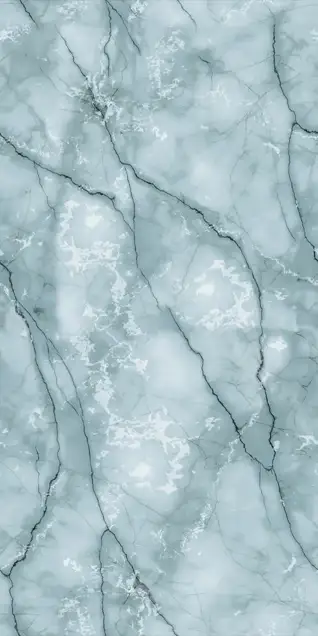
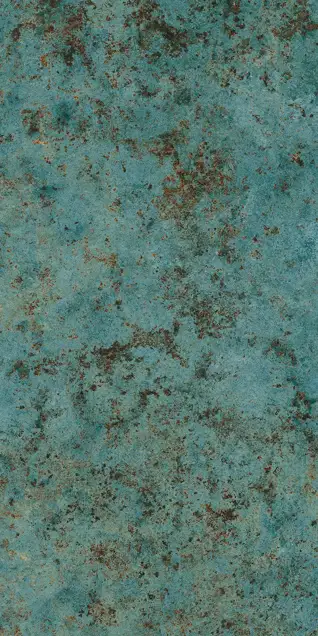
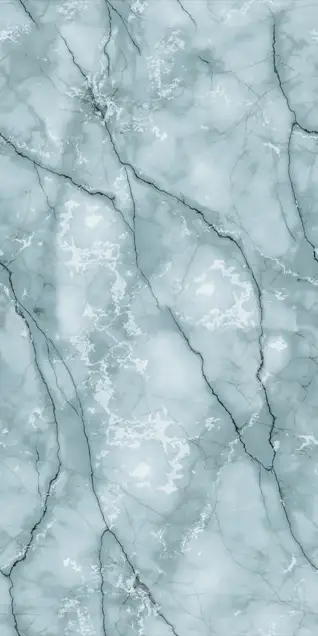
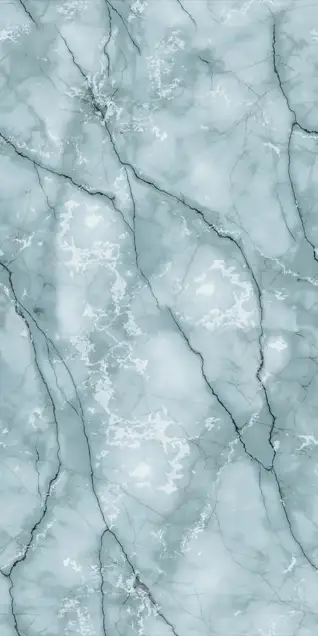
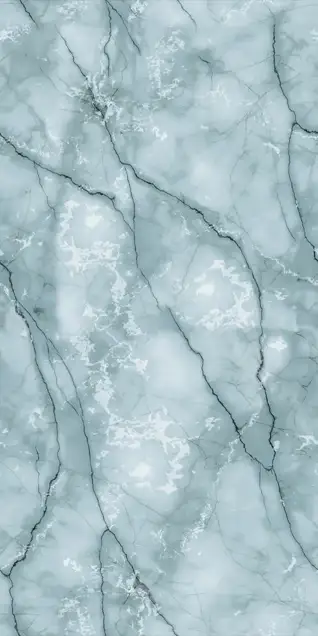
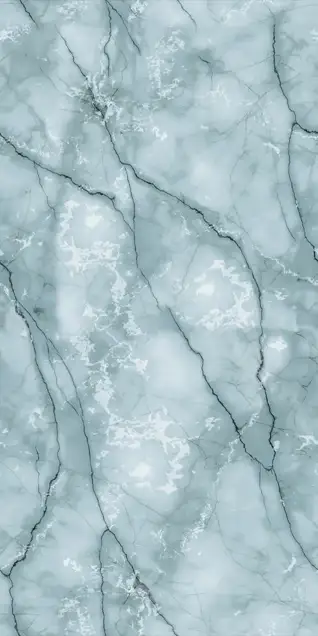
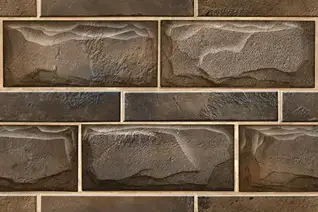
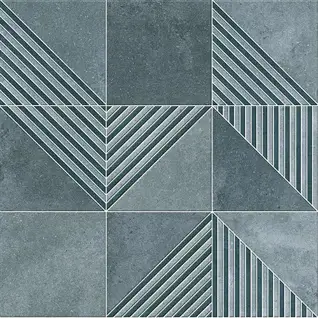
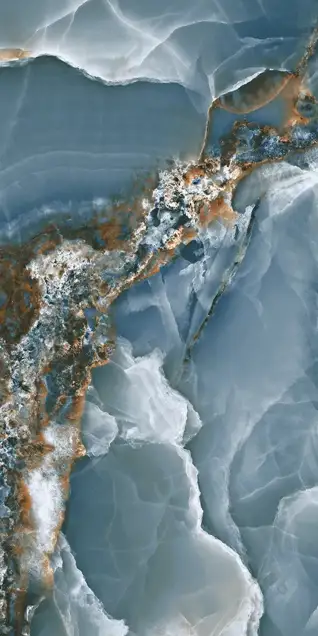
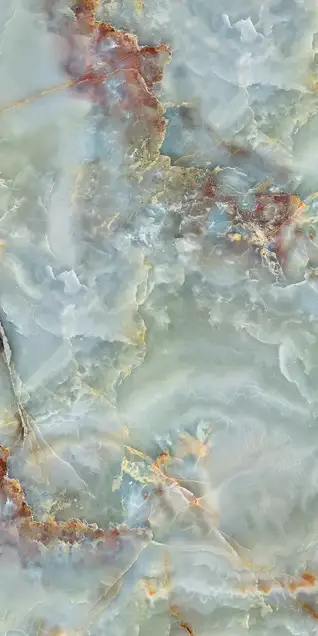
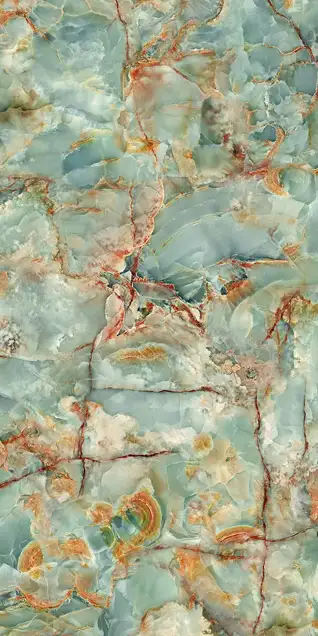
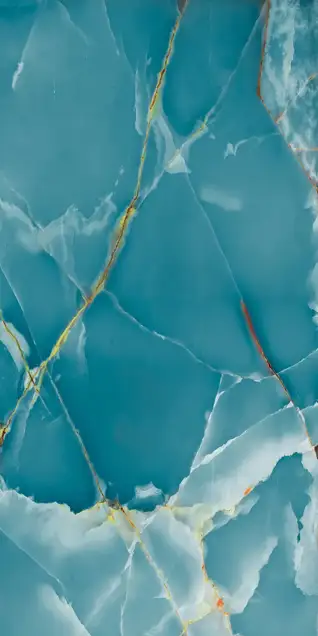
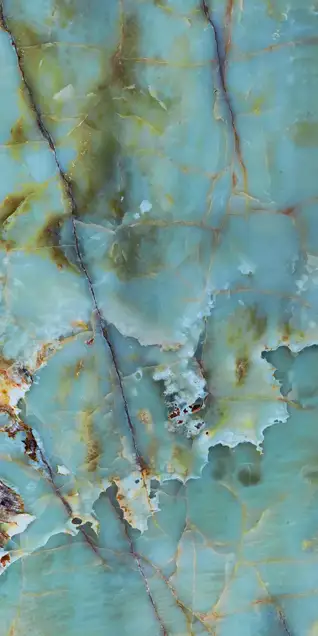
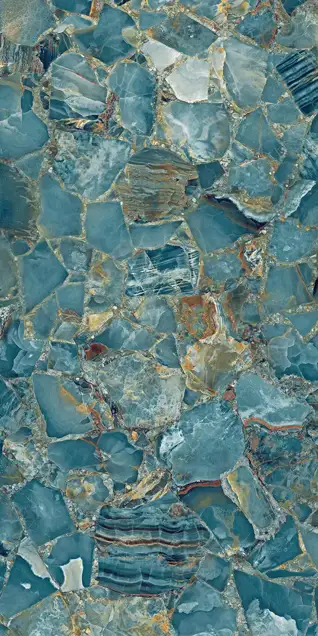
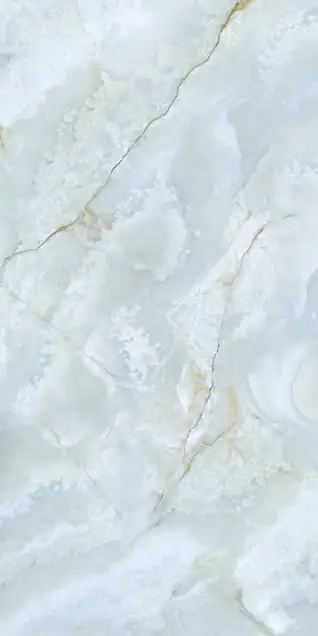
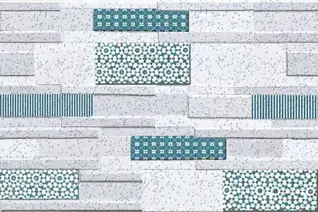
Turquoise sits between blue and green on the colour wheel, and that in-between quality is exactly why turquoise tiles show up across more shapes and product types than most single-toned colours. Turquoise bathroom tiles, turquoise pool tile, turquoise Moroccan tiles, and turquoise vinyl flooring all draw from the same base shade family but come from completely different manufacturing processes and price points. Demand for turquoise tiles has grown steadily as more Indian buyers move away from flat neutral colour schemes toward statement shades in bathrooms and feature areas. This page sorts turquoise by shade, then by shape, then by where each option actually belongs in a home.
Turquoise vs Turquoise Blue: Where the Shade Sits
Turquoise blue tiles lean further toward pure blue with less green undertone than standard turquoise, while light turquoise tiles pull toward a pale, seafoam tone that reads almost mint in bright light. Getting this distinction right matters before ordering samples, since a catalogue photo often cannot capture how far a specific batch leans blue or green. Turquoise floor tiles and turquoise blue floor tiles both need the same matte or GHR finish rule for safe wet-area use, regardless of which side of the shade spectrum the batch leans toward.
| Shade Variant | Undertone | Best Paired With |
| Turquoise blue tiles | Leans blue, minimal green | Chrome fixtures, white grout |
| Standard turquoise | Balanced blue-green | Brass fixtures, natural wood |
| Light turquoise tiles | Pale, seafoam-leaning | Light grey grout, coastal decor |
Turquoise by Body: Ceramic, Porcelain, Mosaic, Stone, Vinyl
Turquoise ceramic tile remains the standard, lower-cost option for walls and backsplash, priced from Rs. 30 to Rs. 80 per sq.ft. Turquoise porcelain tile absorbs less water and costs Rs. 55 to Rs. 130 per sq. ft., making it the safer choice for floors and wet areas. Turquoise marble tiles reproduce natural stone veining in a turquoise base tone through digital printing, while turquoise stone tile in natural material carries genuine mineral variation but needs sealing. Turquoise vinyl tile sits apart from the ceramic family entirely, offering a soft, resilient surface at a lower cost but without the durability or water resistance of a fired tile body.
- Turquoise ceramic tile: walls, backsplash, lower cost.
- Turquoise porcelain tile: floors and wet areas, lower water absorption.
- Turquoise marble tiles: printed stone-look, no sealing needed.
- Turquoise stone tile: natural material, needs periodic sealing.
- Turquoise vinyl tile: budget option, softer underfoot, shorter lifespan than fired tile.
Note: Turquoise vinyl tile should never be used in continuously wet areas like a shower floor. It suits dry to lightly damp rooms only, unlike ceramic or porcelain.
Shape and Pattern: Moroccan, Hexagon, Subway, Herringbone
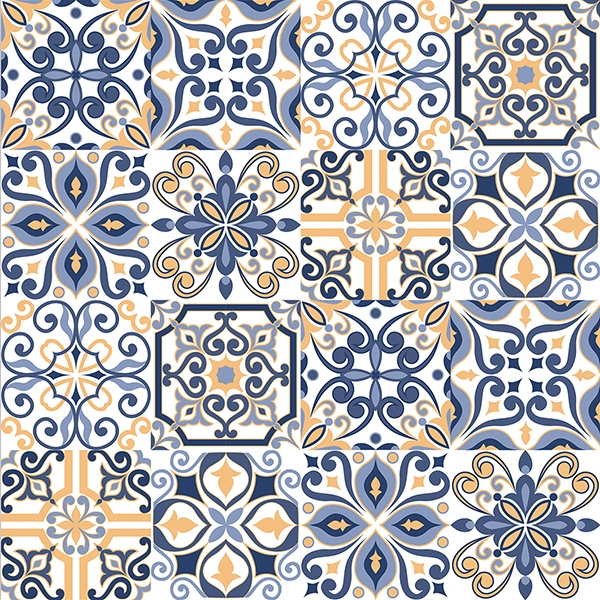
Turquoise Moroccan tiles bring a handmade, uneven surface with traditional geometric or floral motifs, best suited to a feature wall or floor accent rather than covering a full, large room. Turquoise hexagon tile and turquoise hexagon tiles both describe the same six-sided shape, common on bathroom floors in a small format and on feature walls in larger sizes. Turquoise subway tile follows the classic rectangular brick shape, most often used behind a kitchen counter or across a full shower wall, and turquoise brick tiles describe this same rectangular format under an alternate name. Turquoise herringbone tile and turquoise square tiles round out the shape range, with herringbone needing roughly 10% to 15% more material than a standard grid layout for angled cutting.
Turquoise color tile and turquoise color tiles, both general naming variants covering any shape in this shade, are searched by buyers who have not yet decided on a specific format and are browsing the full range before narrowing down.
Pro tip: For turquoise Moroccan tiles, always order a physical sample before committing to a full room, since the handmade texture and colour variation between pieces is a defining feature of the style, not a flaw.
Turquoise for Pools and Wet Areas
Turquoise pool tile and turquoise swimming pool tiles in glass or porcelain mosaic remain one of the most natural colour choices for this use, since the shade echoes the water itself. Turquoise mosaic tile on mesh sheets suits curved pool edges, steps, and waterline bands where a rigid larger tile cannot follow the contour. Turquoise shower tile on walls can use any finish safely, while shower floors need the same matte or textured finish rule that applies to every wet-area floor, regardless of colour.
Note: Glossy or polished turquoise tile of any body type must stay off pool floors, shower floors, and any wet-area floor. Matte, GHR, or mosaic format with many grout lines is required for safe underfoot grip.
Where Turquoise Works: Bathroom, Kitchen, Backsplash
Turquoise tiles for bathroom use remain the single largest category on this page, since the colour's blue-green balance reads as fresh, clean, and calming in a wet, enclosed space. Turquoise kitchen tiles work well with a turquoise backsplash tile strip behind the counter, paired with white or light wood cabinetry to keep the bold colour from overwhelming the room. Turquoise wall tiles more broadly suit any accent application, from a bathroom feature wall to a reception counter.
- Bathroom: turquoise porcelain or ceramic floor in matte finish, turquoise tiles for bathroom walls in any finish.
- Kitchen: turquoise backsplash tile strip behind the counter, not full-wall coverage.
- Pool: turquoise pool tile in glass or porcelain mosaic, matte or GHR finish on floors.
- Feature wall: turquoise Moroccan tiles or turquoise marble tiles for a single accent surface.
Keeping Turquoise Tiles Looking Bright
Turquoise tiles need only a weekly wipe with a pH-neutral cleaner to stay free of soap film and water spots, since the glazed surface on ceramic and porcelain resists staining well. Turquoise pool tile and turquoise mosaic tile in glass need regular brushing to prevent algae buildup in grout lines, a maintenance need shared with any pool surface, regardless of colour. Turquoise floor tiles in high-traffic areas benefit from a grout inspection twice yearly, since grout wears faster than the tile body itself in wet zones like bathrooms and kitchens.
- Wipe turquoise wall and floor tiles weekly with a pH-neutral cleaner.
- Brush turquoise pool tile and mosaic surfaces regularly to prevent algae buildup.
- grout around turquoise bathroom tiles twice yearly in high-use areas.
- Avoid acidic cleaners on turquoise stone tile, since they can etch natural mineral surfaces.
Turquoise Tile Specifications for Indian Buyers
Turquoise ceramic tile follows IS 13630, while turquoise porcelain and GVT formats follow IS 15622:2006, both suitable for the applications discussed on this page, depending on body and finish. Turquoise tiles for bathroom use in porcelain or GVT are priced from Rs. 55 to Rs. 130 per sq. ft., while turquoise pool tile and turquoise mosaic tile in glass run from Rs. 90 to Rs. 220 per sq.ft. Most turquoise ceramic and porcelain tile stock sold in India is manufactured in Morbi, Gujarat, with glass mosaic and natural stone options sometimes imported for pool and higher-budget projects.
Turquoise tiles in matte or GHR finish hold up well through the Indian monsoon on covered outdoor floors, since the textured surface continues to grip even under standing rainwater. Buyers ordering turquoise Moroccan tiles or turquoise marble tiles in bulk should confirm batch numbers match across the full order, since handmade and printed patterns both show more visible variation between production runs than a plain single-tone tile.
Sourced Across Morbi and Beyond
Turquoise blue, standard, and light turquoise shades sit together on Tilesfinders across ceramic, porcelain, glass mosaic, natural stone, and vinyl bodies sourced from manufacturers in Morbi and Gujarat. These turquoise tiles span Moroccan, hexagon, subway, herringbone, and square formats, with prices from Rs. 30 to Rs. 220 per sq.ft depending on body and pattern detail. Shade, shape, and body can all be compared side by side before ordering physical samples for a specific room.

FAQs
Not exactly. Turquoise sits between blue and green, while turquoise blue tiles lean further toward pure blue with less green undertone.
Turquoise bathroom tiles cost Rs. 40 to Rs. 180 per sq.ft in India, depending on whether the body is ceramic, porcelain, or glass mosaic.
Yes. Turquoise pool tile and turquoise swimming pool tiles in glass or porcelain mosaic are the standard choice for waterline bands and pool floors.
Turquoise vinyl tile works well for budget renovations or spaces needing a softer underfoot feel, though it lacks the durability and water resistance of ceramic or porcelain.
Small-format turquoise hexagon tile, under 100mm per side, works best for small bathroom floors since more grout lines improve grip.
Turquoise Moroccan tiles need careful handling due to their handmade, uneven surface, and often require a thicker adhesive bed than standard flat tile.
Yes. Light turquoise tiles reflect more light and keep small rooms feeling open, while darker turquoise shades work better in larger, well-lit spaces.
Yes. Most turquoise ceramic and porcelain tiles sold in India are manufactured in Morbi, Gujarat, alongside imported glass mosaic options for pool and higher-budget projects.