
Kitchen Backsplash Tiles: How to Choose the Perfect One for Your Home
Choose the best kitchen backsplash tiles for your Indian home with expert tips on tile sizes, fin...


Loading designs...





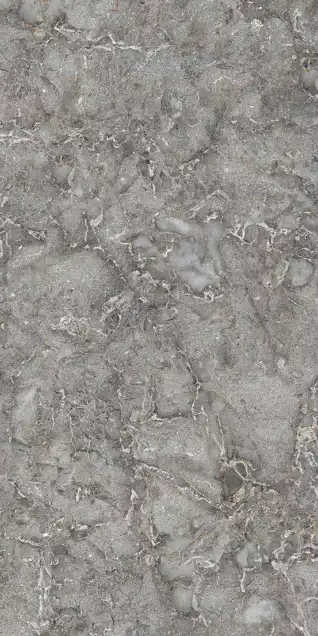








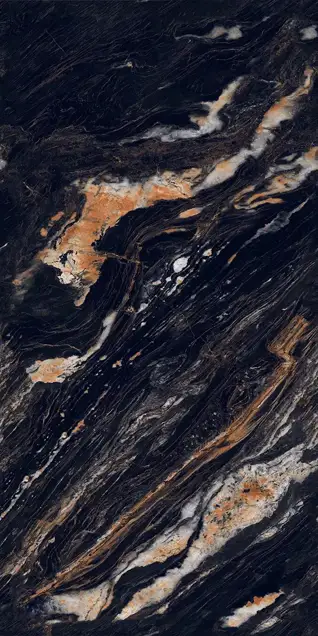

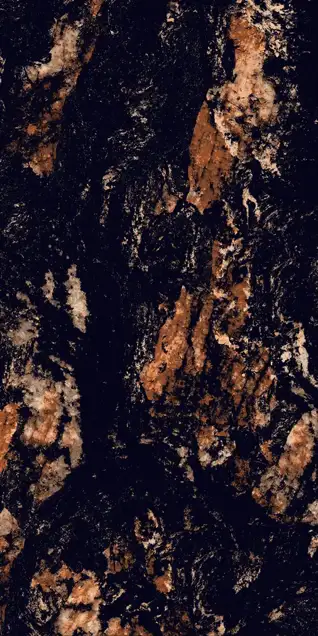
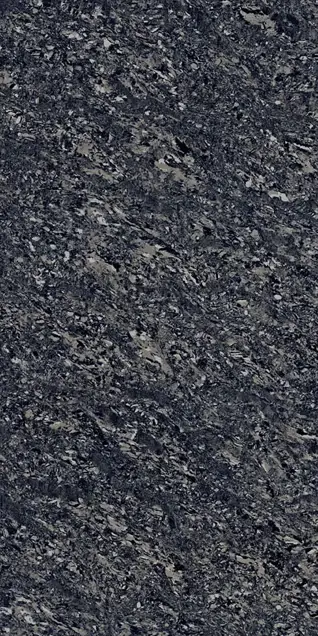
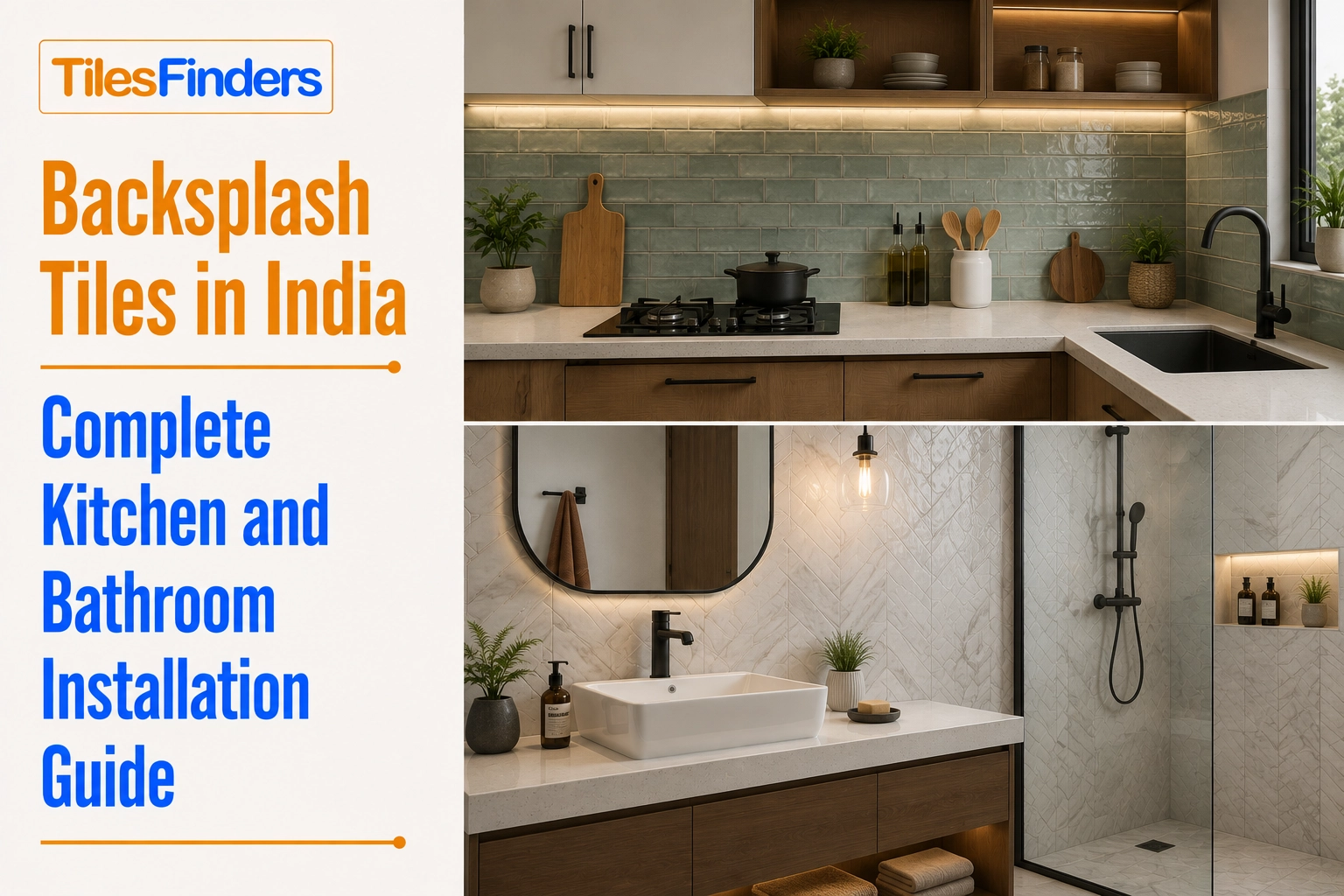
A backsplash tile has a unique position in the home tile hierarchy: it is the one surface where the functional requirement is the lightest, and the design freedom is the greatest. A kitchen backsplash tile does not get walked on, does not bear any structural load, does not need to drain water away, and does not need outdoor weather resistance. It needs to be easy to wipe clean, and it needs to look designed. Within those two requirements, almost every tile body type, every finish, and every design direction is available.
This freedom makes the backsplash the most expressive tile surface in the house. It is seen at eye level from every position in a kitchen. It frames the hob, defines the cooking zone, and sets the visual tone for the entire kitchen. A plain white ceramic backsplash in a compact Indian kitchen gives the space a clean, functional quality. A Moroccan-pattern GVT backsplash behind the cooking hob turns the same kitchen into a designed room with a distinct character. Getting backsplash tiles right is less about technical specification and more about understanding what the tile needs to do visually in the specific kitchen or bathroom context it occupies.
This page covers backsplash tiles across every relevant application in Indian homes: kitchen splashback tile choices and how to choose between them, shower backsplash tile specification, which differs fundamentally from kitchen, fireplace backsplash, the full range of design directions from herringbone and Moroccan to marble-look and stone-look, and how to coordinate a backsplash tile with the adjacent counter and cabinet surfaces.
A kitchen backsplash tile is a vertical indoor surface that faces three things: cooking oil splatter from the hob, steam from boiling pots, and water spray from the sink if the backsplash extends behind the sink area. It is not a fully wet surface like a shower wall, and it is not a floor. These are the only stresses it needs to handle beyond normal wall durability.
The best finish for a kitchen backsplash tile is the one that wipes clean most easily, because cooking oil splatter on a backsplash is a daily reality in any Indian kitchen. The honest answer to which finish is most practical for a kitchen backsplash: glossy. A smooth, glossy surface allows oil, splatter, and steam deposits to be wiped off with a damp cloth without residue. Matte and textured backsplash tiles hold cooking residue in the surface pores and require more effort to clean completely. Matte backsplash tiles can look more contemporary and are used widely in Indian modular kitchens, but the practical maintenance trade-off is real.
Any tile body type is suitable for a kitchen backsplash. Ceramic glossy tiles are the most traditional and most affordable Indian kitchen backsplash tile: ceramic has been the standard for Indian kitchen splashback surfaces for decades because it is easy to wipe clean, available in a full colour range, and priced accessibly at Rs. 25 to Rs. 65 per sq.ft. GVT in polished or matte finish is a quality upgrade. PGVT in large-format polished finish is used in premium Indian modular kitchens as a full backsplash panel.
The standard Indian kitchen backsplash runs from the worktop level to the underside of the wall cabinet, a height of approximately 450mm to 600mm. This covers the zone where cooking splatter, steam, and water spray are most concentrated. In kitchens without wall cabinets above the counter, the backsplash can run to the full wall height, creating a full-height splashback that also functions as a feature wall behind the cooking zone.
The full-height backsplash option is growing in popularity in Indian open-plan kitchen and living areas where the kitchen wall is fully visible from the adjacent room. A full-height backsplash in a large-format marble-look GVT or a patterned GVT creates a kitchen feature wall that gives the space a restaurant or hotel-kitchen quality. In this application, the backsplash tile is functioning as both a splashback and a feature wall simultaneously.
The standard height backsplash (to the cabinet underside) is more practical in most Indian apartment kitchens where the wall above the cabinet is plastered and painted. Extending the tile above the cabinet requires additional tile, additional installation time, and coordinating the tile with the wall colour above. For most Indian apartment kitchens, the standard height backsplash from worktop to cabinet underside is the correct extent.
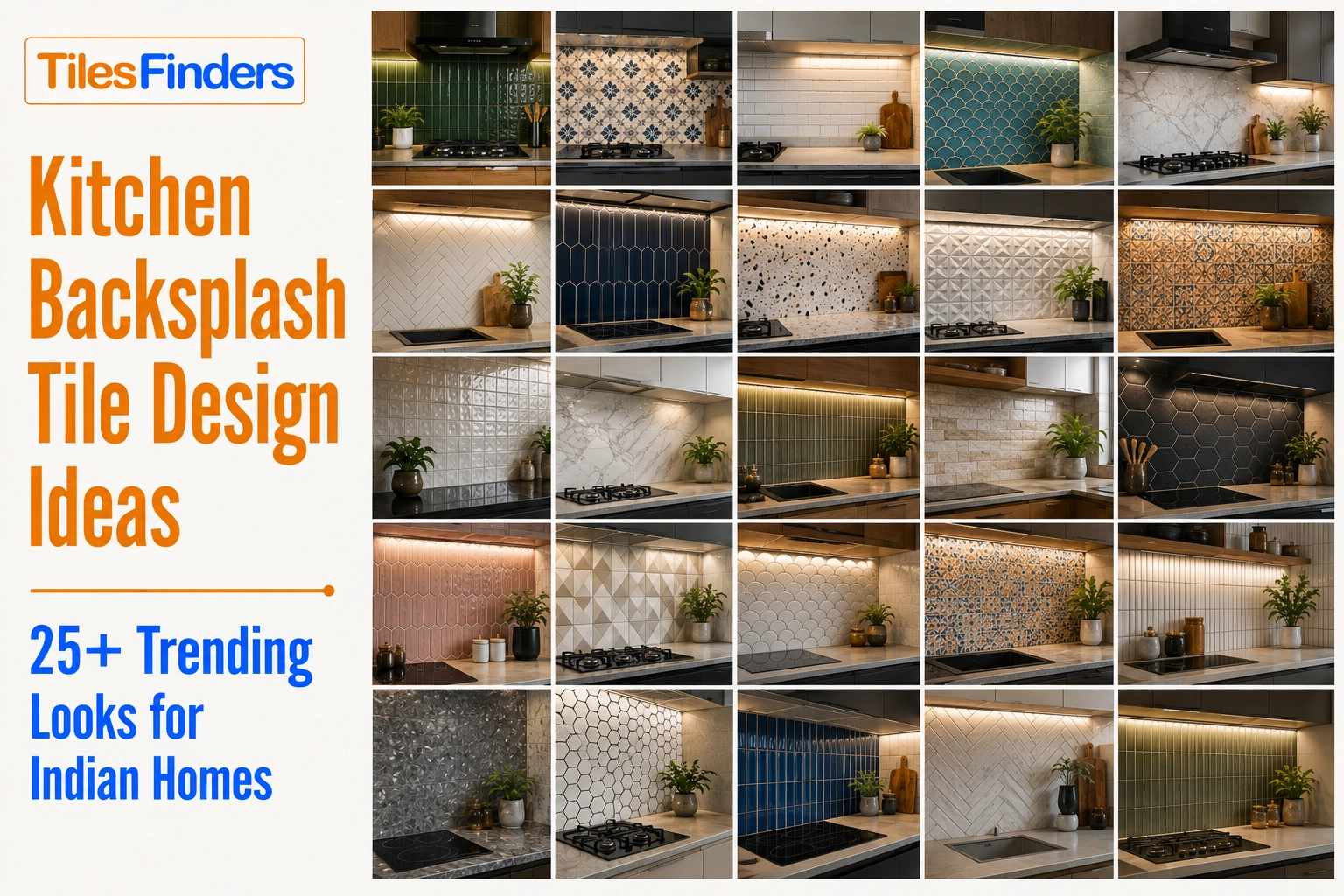
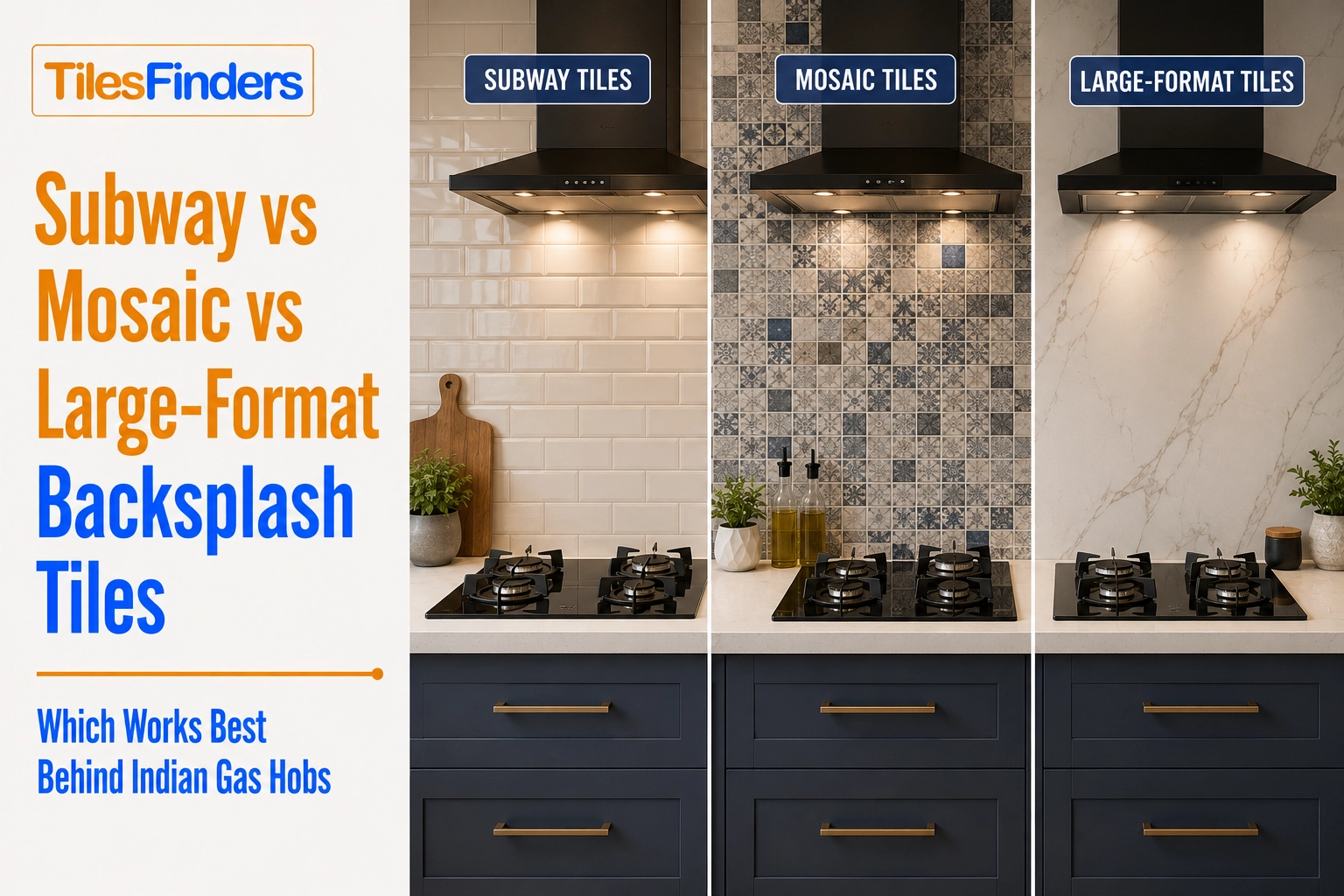
Subway-look tiles for a backsplash are tiles with a rectangular format and a clean, bevelled or flat surface in a single colour, installed in a running bond pattern. The subway tile backsplash is one of the most widely used backsplash designs globally and in Indian modular kitchens because it works with almost any cabinet colour, reads as clean and contemporary, and never goes out of style. White, off-white, light grey, and soft sage green are the most used subway-look tile colours for Indian kitchen backsplashes.
Subway-look tiles are standard-size GVT and ceramic tiles with a subway-style surface design and proportions, not individual small subway pieces. The tiles install as standard wall tiles with regular wall tile adhesive and can be grouted with either cement grout or epoxy grout. A white or off-white subway-look tile in glossy or satin finish in 300x600mm in a horizontal running bond is the most searched and most used backsplash design in Indian contemporary kitchens. Price range: Rs. 30 to Rs. 70 per sq ft.
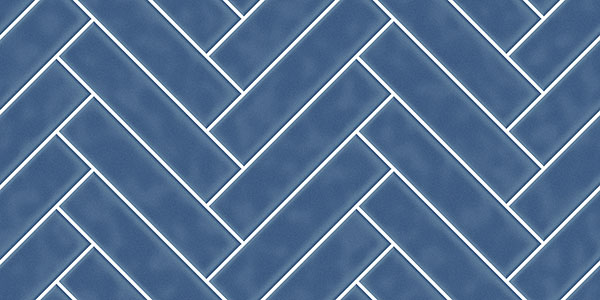
A herringbone tile backsplash uses tiles laid in a V-pattern, with each tile at a 45-degree angle to the adjacent tile, creating a repeating zigzag that gives the backsplash strong directional visual interest. The white herringbone backsplash is the most searched herringbone direction in India: a white or off-white tile in herringbone pattern gives the kitchen a contemporary, designed quality that a straight-lay grid of the same tile cannot achieve. Herringbone tiles in 300x600mm GVT or ceramic in white, grey, or green give the backsplash a pattern that reads clearly from the kitchen and draws the eye along the cooking zone.
Herringbone on a backsplash requires more installation precision than a straight or running bond layout: every tile must be cut at a precise angle at the perimeter where the herringbone meets the cabinet above and the worktop below. This adds to installation time and cost. The pattern also requires 15% to 20% more tile than a straight lay. The visual result justifies the additional cost for a backsplash surface that is seen at close range and benefits from pattern complexity in a way that a floor does not.
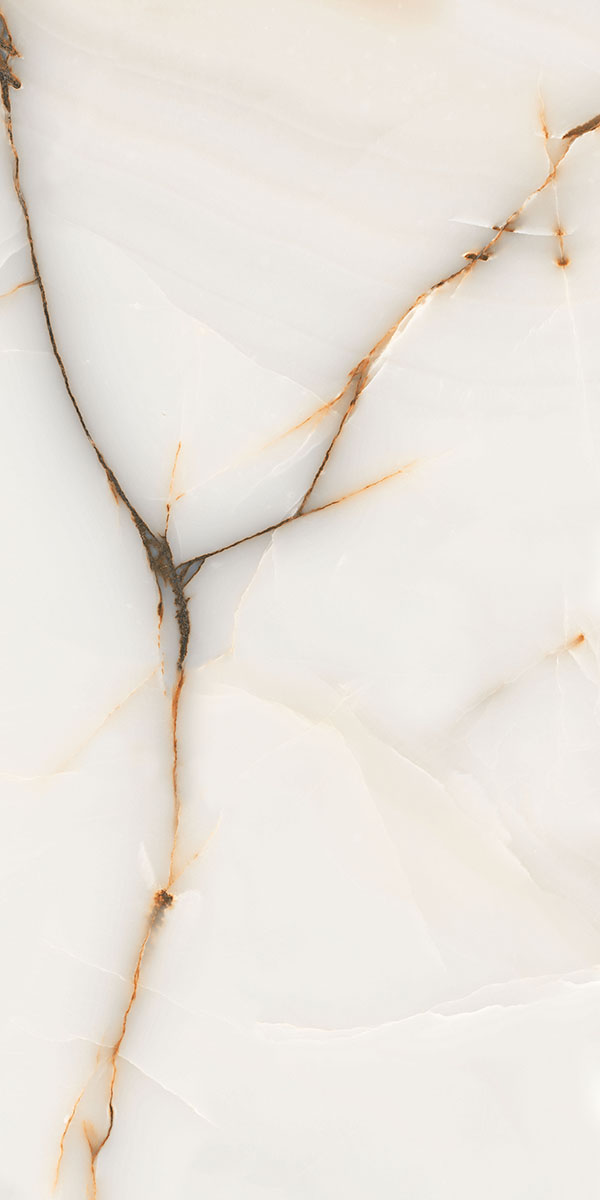
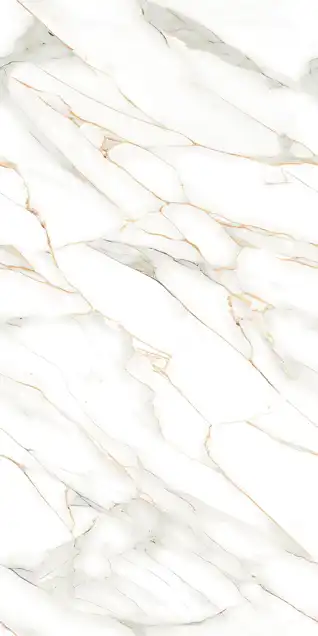
Marble tile backsplash in Indian kitchens and bathrooms almost always refers to GVT or porcelain marble-look tiles with a veined marble surface print, not actual cut marble. The reason is the same as for marble-look kitchen countertops: natural marble on a kitchen backsplash is etched and stained by the cooking acids, oil, and cleaning products that hit it daily. A marble look tiles backsplash in GVT or porcelain polished or glossy finish, gives an identical visual quality from the standard kitchen viewing distance, with none of the porosity vulnerability of actual marble. Carrara white with grey veining and Statuario with bold gold and grey veining are the most used marble-look backsplash directions in Indian modular kitchens. Price range: Rs. 50 to Rs. 110 per sq.ft.
Moroccan and Spanish-style backsplash tiles in the Indian market are GVT tiles with a geometric or encaustic-look surface print in the decorative colour and pattern traditions of North African and Mediterranean tile design. These tiles give a kitchen backsplash an artisanal, handcrafted quality: intricate geometric or floral patterns in combinations of terracotta, navy, sage, ivory, and black that create a visually rich surface behind the hob.
Moroccan-look and Spanish-look (sometimes called Mexican tile backsplash) decorative GVT tiles are printed on standard-size tile bodies, not hand-painted individual pieces. The pattern is achieved through high-definition digital print on GVT. These tiles are most effective on the focused backsplash zone directly behind the hob, where the pattern has a contained space in which to be read as a complete composition. Using a strongly patterned Moroccan tile across the full length of a kitchen backsplash can overwhelm a small Indian kitchen: one panel of three to five tiles as a hob surround, with a plain coordinating tile on either side, is the most considered approach.
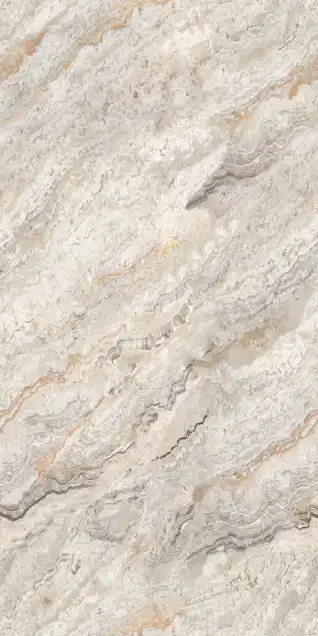
Stone tile backsplash and brick tile backsplash options in GVT give a kitchen a textured, organic character distinct from the cleaner surfaces of ceramic or marble-look tiles. A slate-look GVT tile in 300x600mm in a horizontal stack bond gives the backsplash a rough, natural quality that works well in Indian kitchens with wooden cabinet faces and warm-toned interiors. A brick-look GVT in 300x600mm terracotta-red or charcoal in a running bond gives a kitchen a warm, domestic quality that suits compact Indian home kitchens where the cooking space is also a social space. Stone look tiles and brick-look GVT in matte or GHR finish are fully appropriate for backsplash surfaces: a textured matte tile on a backsplash requires more diligent cleaning of oil splatter from the texture pockets than a glossy tile, but the visual character of a natural texture in a kitchen is worth the additional cleaning effort for many homeowners.
Coloured backsplash tiles in Indian kitchens are most often used as a single accent colour against white or neutral cabinets and worktops. Green tile backsplash options in sage, forest, and deep bottle green have become the most searched non-neutral backsplash colour in Indian interior design in recent years: a sage green or deep green ceramic or GVT tile in a subway or stack pattern behind a white modular kitchen gives the space a contemporary, botanical quality that works in both compact apartments and larger independent home kitchens.
Blue backsplash tile options in navy, cobalt, and powder blue in ceramic or GVT give the kitchen a coastal or Moroccan quality, depending on the specific tile direction. A deep navy blue tile in a standard stack behind a white kitchen is contemporary and graphic. A Moroccan-look tile in a combination of blue, white, and terracotta is more artisanal and character-rich. The key design rule for coloured backsplash tiles: the backsplash colour should appear somewhere else in the kitchen in a smaller quantity, either in cabinet hardware, a kitchen accessory, or the textile choice, to give the kitchen a connected colour scheme rather than an isolated accent.
Black backsplash tiles in matte or polished GVT or ceramic are used in kitchens with light-coloured or white cabinets and light worktops, where a strong contrast creates a high-impact, contemporary kitchen. A matte black ceramic or GVT tile in a subway or square format gives the kitchen a graphic quality that reads as both modern and bold. Polished black GVT on a backsplash gives a premium, dramatic finish, but shows every water splash and fingerprint at close range in the kitchen light.
The practical consideration for a black kitchen backsplash in India: white limescale deposits from hard Indian water are highly visible on a black backsplash surface and accumulate around the sink and hob areas with regular use. A glossy black backsplash tile requires more frequent cleaning to look maintained than a mid-grey or coloured tile. A matte black backsplash hides watermarks better than polished black, but still shows calcium deposits from hard water. Regular descaling with a diluted acid solution (never on natural stone) keeps a black tile backsplash clean.
Decorative backsplash tiles in India cover a wide range: GVT tiles with hand-painted look prints, floral patterns, botanical motifs, and graphic art prints. Flower tile backsplash options give a kitchen a personal, artisan quality that no plain colour or geometric pattern can achieve. These tiles are typically used as accent panels in a limited section of the backsplash, most effectively behind the hob, where they are seen as a framed composition. A full backsplash in a detailed floral pattern can look busy in a small kitchen: one panel of decorative tiles as a hob surround with plain coordinating tiles on either side is the most effective use of decorative tiles in an Indian kitchen.
A shower backsplash is a fully wet surface, which distinguishes it fundamentally from a kitchen backsplash in tile specification. A shower wall faces sustained water contact, steam, soap, and cleaning chemicals daily. The tile on a shower wall needs a waterproof adhesive system, epoxy or waterproof polymer grout, and a waterproofing membrane on the wall substrate before tiling. The tile body type for a shower backsplash should be GVT or porcelain with water absorption below 0.05%, or ceramic with a full waterproofing system behind the tile. For a full shower and wet bathroom tile specification, the bathroom tiles guide covers the complete wet area tile system.
On a shower wall tile, the finish choice is free since no one walks on a shower wall, and slip resistance is not a concern. Glossy, matte, GHR, and textured tiles all work on a shower wall. The grout specification for a shower backsplash is epoxy grout, which is waterproof and resists soap scum and mould more effectively than cement grout over time. Cement grout in a shower wall joint absorbs soap, mineral deposits, and mould in humid Indian conditions and becomes permanently discoloured within months of use.
A fireplace backsplash is the decorative tile surface on the wall behind or surrounding a fireplace hearth. It is a dry wall surface but faces radiant heat from the fire, not cooking heat. Standard GVT, ceramic, and porcelain tiles handle the radiant heat of a decorative fireplace without issue: tile bodies are fired at temperatures well above 1000 degrees Celsius in manufacture and are not damaged by the radiant heat of a domestic fireplace.
The design role of a fireplace backsplash is purely decorative: it is seen from across the room and creates a frame for the fireplace opening. Classic fireplace backsplash tile directions in Indian homes include black and white chequerboard ceramic tiles, deep-tone solid-colour GVT, Moroccan-look patterned GVT, and marble-look PGVT in a large format panel. The fireplace backsplash is one of the few applications where PGVT in polished finish is used as the visible surface because the aesthetic intention is a reflective, formal quality that suits the traditional role of a fireplace as a room's focal point.
Unlike kitchen countertop tiles, where epoxy grout is mandatory regardless of context, the grout specification for backsplash tiles depends on the application. The relevant question is: does the grout joint in this location come into direct food contact, sustained water immersion, or soap and mould exposure?
| Backsplash Application | Grout Recommendation | Why |
|---|---|---|
| Kitchen backsplash, hob zone | Epoxy grout is strongly recommended | Cooking oil and spice splatter stain cement grout over time; epoxy wipes clean permanently |
| Kitchen backsplash, sink zone | Epoxy grout mandatory | Direct water contact and soap exposure; cement grout moulds and stains at sink backsplash |
| Kitchen backsplash, general wall zone away from hob and sink | Cement or polymer-modified grout is acceptable | Less oil and water exposure; regular cleaning maintains the joint adequately |
| Shower backsplash | Epoxy grout mandatory | Sustained daily water, soap, and steam exposure; cement grout moulds within months |
| Bathroom sink backsplash | Epoxy grout is strongly recommended | Water splash and soap exposure; epoxy maintains hygienic joints over time |
| Fireplace backsplash | Cement or polymer grout adequate | Dry surface with no food or water contact; no hygiene concern at the grout joint |
A kitchen backsplash is one of the places in the home where affordable tile choices are genuinely valid. Unlike outdoor floors or kitchen countertops, where the wrong tile body type leads to adhesion failure or hygiene problems, a kitchen backsplash ceramic tile at Rs. 25 to Rs. 60 per sq ft is a fully appropriate specification. Ceramic tiles with 12% to 16% water absorption on a backsplash wall face no water immersion, no foot traffic, and no heavy use that degrades the body over time. A discount backsplash tile in ceramic glossy with epoxy grout at the sink zone is a correct and affordable kitchen backsplash specification.
The most cost-effective backsplash tile in India: plain ceramic glossy in 200x300mm or 300x600mm in white, ivory, or light grey from Morbi. Available from Rs. 22 to Rs. 45 per sq.ft ex-factory, and at Rs. 28 to Rs. 60 per sq ft at retail. A full Indian apartment kitchen backsplash of 20 to 30 square feet in plain ceramic glossy costs Rs. 600 to Rs. 1,800 in tile material at retail, making it one of the most affordable complete tile surface treatments in any room.
| Tile Type and Design | Body Type | Format | Finish | Retail Price (Rs./sq.ft) |
|---|---|---|---|---|
| Plain white or ivory glossy | Ceramic | 200x300mm, 300x600mm | Glossy | Rs. 28 to Rs. 60 |
| Subway look | Ceramic or GVT | 300x600mm | Glossy or Satin Matte | Rs. 32 to Rs. 75 |
| Herringbone or chevron pattern | GVT or Ceramic | 300x600mm | Glossy or Matte | Rs. 42 to Rs. 85 |
| Marble look | GVT or Porcelain | 300x600mm, 600x600mm | Polished or Glossy | Rs. 52 to Rs. 110 |
| Stone or slate look | GVT | 300x600mm | Matte or GHR | Rs. 48 to Rs. 90 |
| Moroccan or geometric pattern | GVT | 300x300mm, 300x600mm | Matte or Polished | Rs. 50 to Rs. 95 |
| Coloured (green, blue, black) | Ceramic or GVT | 200x300mm, 300x600mm | Glossy or Matte | Rs. 35 to Rs. 85 |
| Decorative or floral print | GVT | 150x150mm, 200x200mm, 300x300mm | Matte or Polished | Rs. 48 to Rs. 100 |
| Full-height PGVT panel | PGVT | 600x1200mm, 800x1600mm | Polished or Satin Matte | Rs. 68 to Rs. 140 |
Installation cost: Rs. 25 to Rs. 45 per sq.ft for standard straight or running bond backsplash tiling. Herringbone and chevron layouts add Rs. 12 to Rs. 20 per sq.ft. Large-format PGVT panels in 600x1200mm and above require back-buttering and precise alignment, adding Rs. 15 to Rs. 25 per sq.ft.
Backsplash tile selection starts with the kitchen or bathroom context, the cabinet and worktop colours the backsplash must coordinate with, and the design direction that suits the space. Browse ceramic, GVT, PGVT, and porcelain backsplash tiles in subway-look, herringbone, marble-look, Moroccan, stone-look, and coloured directions on TilesFinders. For the corresponding kitchen worktop tile decisions, the kitchen countertop tiles guide covers worktop body type, format, and grout specification in detail.
Ceramic glossy tile in 300x600mm is the most practical and most used kitchen backsplash tile in Indian homes. The smooth, glossy surface wipes oil and splatter clean more easily than matte tiles. For a more designed backsplash, GVT in a subway-look, herringbone, or marble-look in polished or satin matte finish is the quality upgrade. PGVT in large-format polished finish is used for full-height premium kitchen backsplash panels. Price range: Rs. 28 to Rs. 140 per sq.ft, depending on tile type and design.
At the sink zone and behind the hob, epoxy grout is strongly recommended for kitchen backsplash tiles. Cement grout in these areas absorbs cooking oil, soap, and water over time and becomes permanently stained and difficult to clean. For the general backsplash wall away from the hob and sink, polymer-modified cement grout is adequate if cleaned regularly. For a shower backsplash, epoxy grout is mandatory: sustained daily water and soap exposure turns cement grout mouldy within months in Indian humidity.
Yes. PGVT is specified for walls only, and a backsplash is a wall surface. PGVT in polished or satin matte finish in large format is used for premium kitchen backsplash panels, full-height kitchen feature walls, fireplace backsplash surrounds, and bathroom backsplash accent panels. The polished surface is easy to wipe clean and gives the backsplash a high-quality reflective finish that ceramic and standard GVT cannot match.
A kitchen backsplash tile is a vertical surface that faces cooking splatter, steam, and water spray: any tile body type in any finish is suitable. A shower backsplash tile is a fully wet surface that faces sustained daily water and soap immersion: it requires GVT or porcelain with water absorption below 0.05%, a waterproof adhesive system, a waterproofing membrane on the wall substrate, and epoxy grout. The tile specification for a shower backsplash is the same as for any other wet bathroom wall.
Plain ceramic glossy tiles in 200x300mm or 300x600mm in white, ivory, or light grey are the most affordable kitchen backsplash tile option in India, available from Rs. 28 to Rs. 60 per sq ft at retail. Ceramic is a fully correct specification for a kitchen backsplash wall because it is not a floor, not a wet immersion surface, and not a food-contact surface. A full Indian apartment kitchen backsplash in ceramic costs Rs. 600 to Rs. 1,800 in tile material.
300x600mm in a horizontal running bond is the most versatile and most used backsplash tile size for Indian kitchens. It fills the standard 450 to 600mm backsplash height in one to two tile widths with minimal cuts. 200x300mm in a similar layout is more traditional and gives the backsplash a finer grid. Decorative and patterned tiles in 150x150mm or 200x200mm are used as accent panels. Large-format PGVT in 600x1200mm is used for full-height premium backsplash panels where minimal joints are the priority.
Yes. A herringbone tile backsplash is one of the most effective design directions for an Indian kitchen because the V-pattern gives the backsplash visual interest and direction that a straight grid cannot achieve. The herringbone pattern requires 15% to 20% more tile than a straight lay and higher installation labour due to the precise angle cuts at the perimeter. White herringbone backsplash in 300x600mm GVT or ceramic is the most used herringbone direction in Indian contemporary kitchens. Price range: Rs. 42 to Rs. 85 per sq ft.
Standard ceramic, GVT, and PGVT tiles all handle the radiant heat of a domestic fireplace. Classic fireplace backsplash tile directions in Indian homes include black and white chequerboard ceramic, deep solid-colour GVT, Moroccan-look patterned GVT, and marble-look PGVT in a large-format panel. The fireplace backsplash is a dry surface with no food or water contact, so cement grout is adequate, though epoxy grout gives a longer-lasting joint colour. The tile can be chosen purely on aesthetic grounds with no functional restriction.