

GVT Tiles: Glazed Vitrified Tiles for Floors and Walls
Loading designs...
-
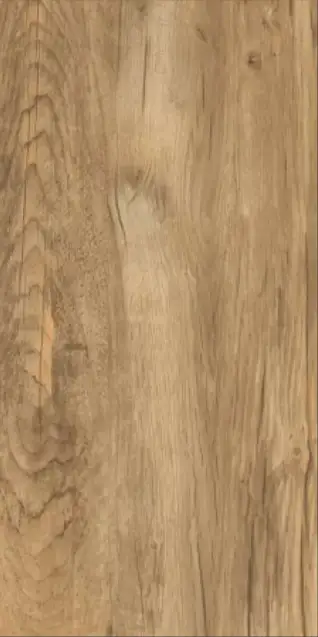 Canyon Oak Wood
 -
 Denver Beige
 -
Denver Brown
-
Envoque Bianco
-
Evoque Brown
-
Evoque Fossil Grey
-
Evoque Fossil Olive
-
GRA 1086
-
GRA 1104
-
GRA 1105
-
GRA 1140
-
GRA 19102304
-
Grande Brown
-
Gress Velvet Camel
-
Gress Velvet Limestone
-
Gress Velvet Moon
-
Gress Velvet Mud
-
Gress Velvet Silver
-
Gress Velvet Sky
-
Gress Velvet Sky Light
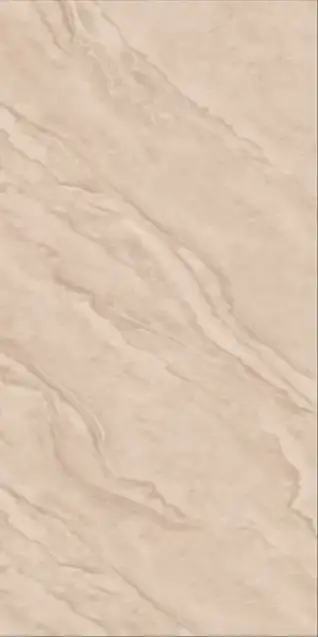
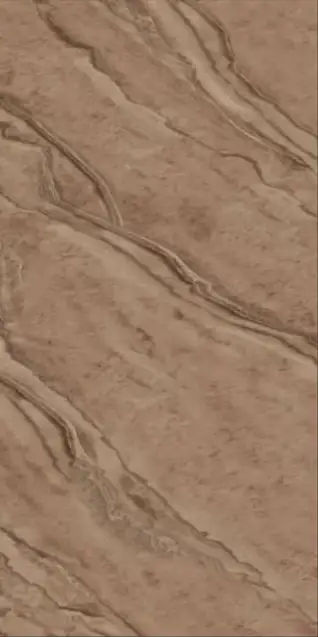




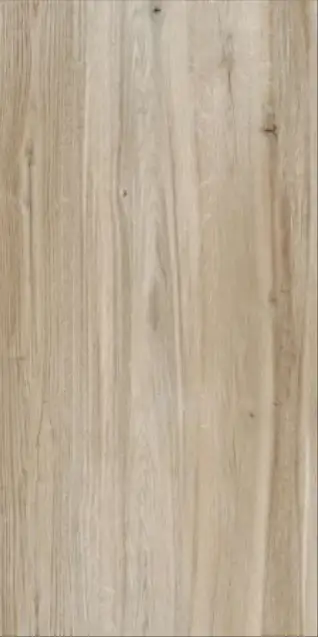


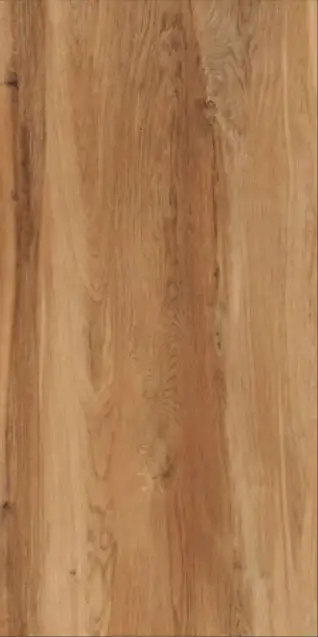
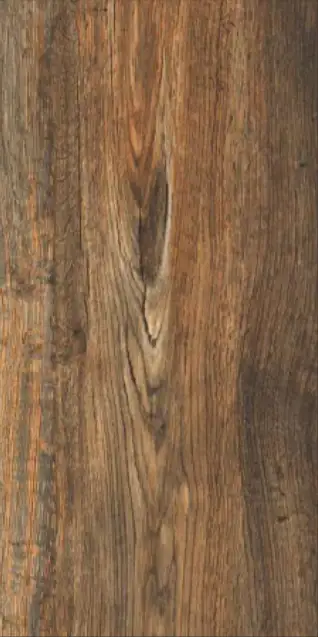








GVT tiles, short for glazed vitrified tiles, are one of the most widely used tile types in Indian homes and commercial buildings. They combine a vitrified body with a fired-on glaze layer that carries the surface colour, pattern, or texture. The glaze is applied before the final firing, which locks the design permanently into the tile surface.
Because the body beneath is vitrified, water absorption stays at 0.05%, making these tiles suitable for kitchens, bathrooms, living rooms, and covered outdoor areas. Most of the glazed vitrified tiles sold in India come from Morbi, Gujarat, where hundreds of manufacturers produce them in sizes from 300x300mm (1x1) up to 800x1600mm (32x64). Prices range from Rs. 55 to Rs. 160/sq.ft depending on size, finish, and print quality.
What Are GVT Tiles and How Are They Made
A glazed vitrified tile has two distinct parts: a dense vitrified body and a decorative glaze layer on top. The body is made from feldspar, quartz, silica, and clay, pressed under high pressure and fired at around 1,200 degrees Celsius. This firing process vitrifies the body, meaning the raw materials fuse into a solid, near-impervious mass. The glaze is a separate layer printed onto the tile surface using digital inkjet technology before the second firing.
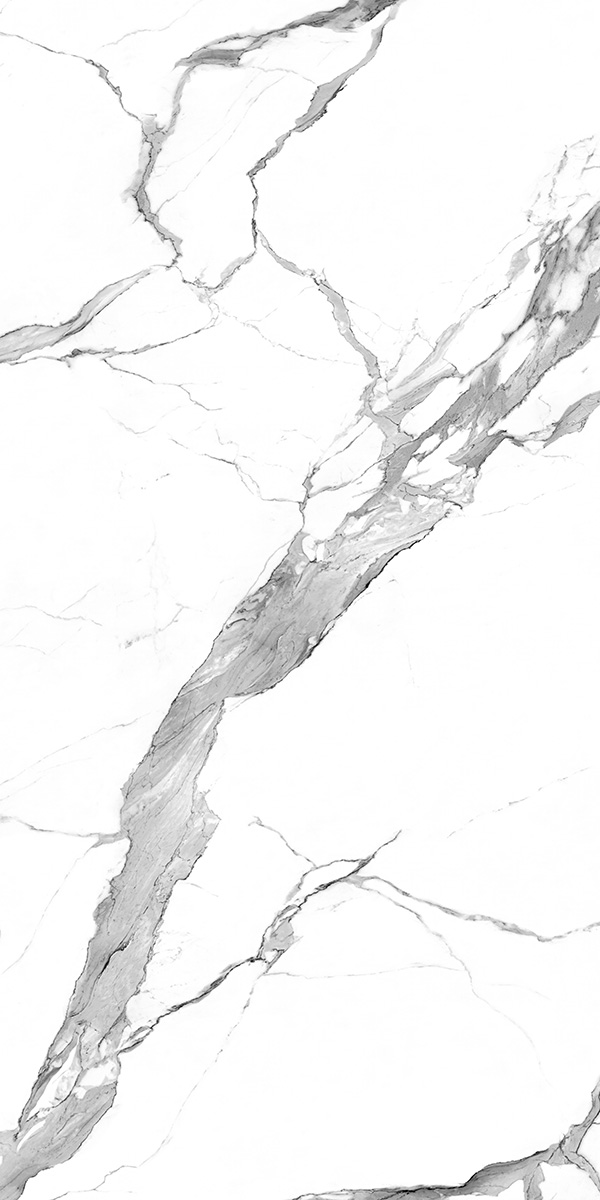
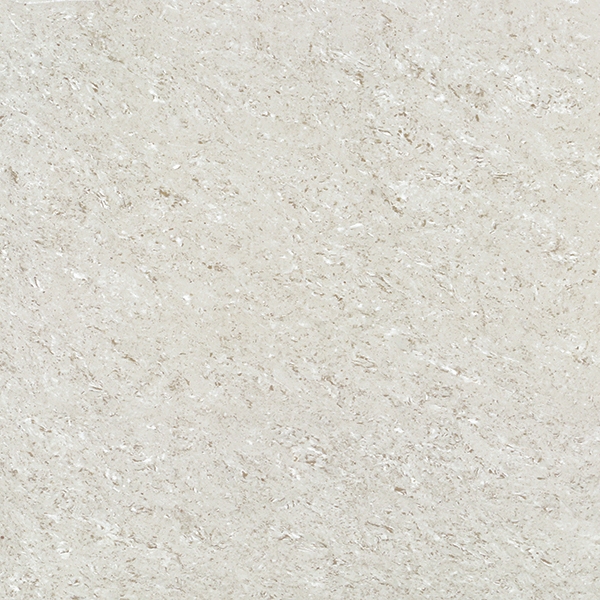
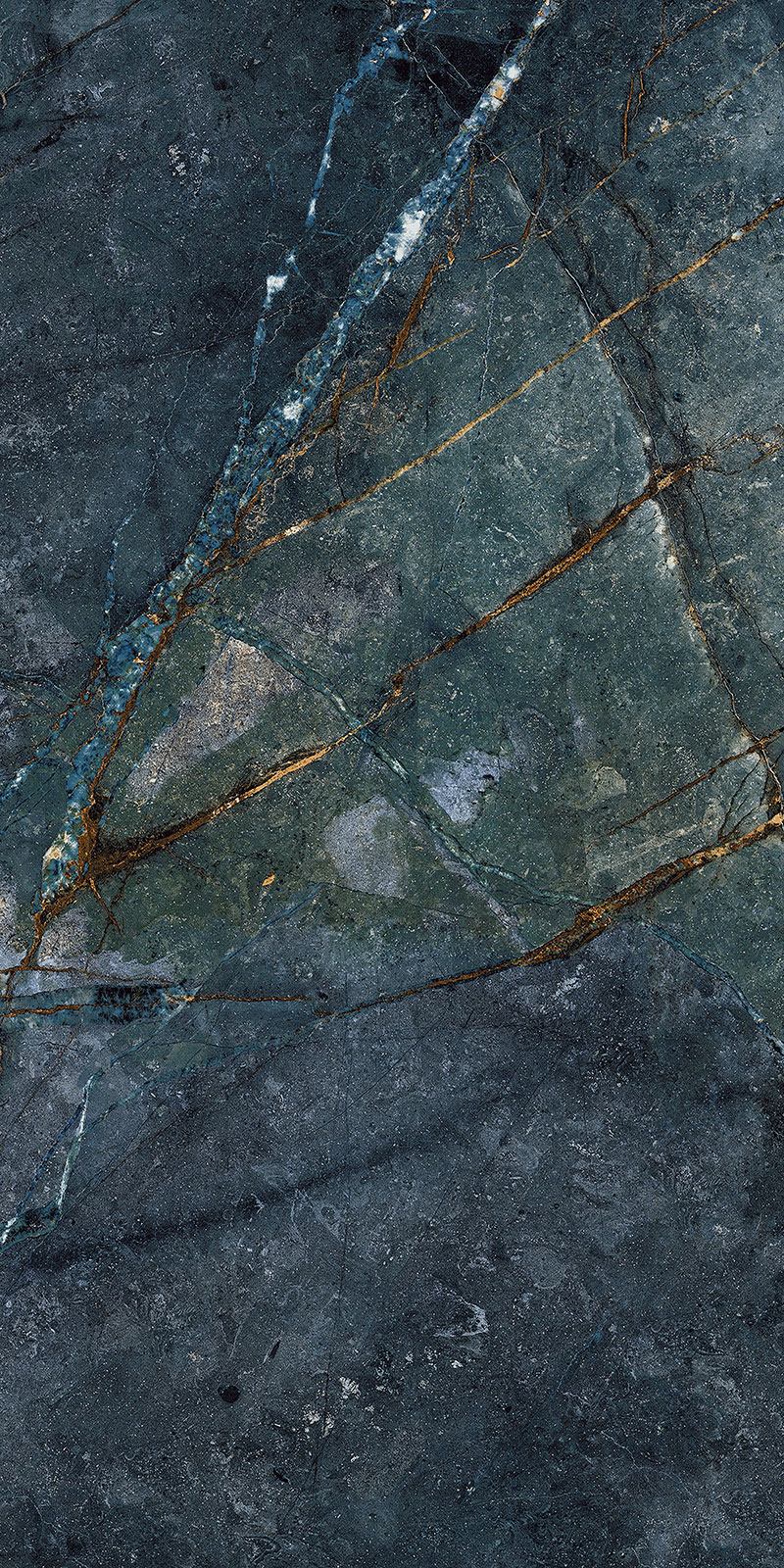
Digital printing is what separates modern digital glazed vitrified tiles from older screen-printed versions. Digital inkjet heads apply ink in precise dots, allowing manufacturers to reproduce marble veining, wood grain, cement texture, stone surface, and geometric patterns with accuracy that was not possible before 2010. The resolution of digital print GVT tiles today is comparable to high-quality photography.
The glaze layer on a GVT tile is typically 0.3mm to 0.5mm thick. This glaze carries all the visual character of the tile. Underneath, the vitrified body provides structural strength, dimensional stability, and the near-zero water absorption that makes these tiles practical for wet areas.
GVT Tiles: Available Sizes and Common Applications
Glazed vitrified tiles are manufactured in a wide range of sizes. Each size works best in specific rooms and layouts.
| Size (mm) | Alias | Best For | Typical Price (Rs./sq.ft) |
|---|---|---|---|
| 300x300 | 1x1 | Bathroom floors, small areas | Rs. 55 to Rs. 90 |
| 400x400 | 16x16 | Balconies, utility areas | Rs. 60 to Rs. 100 |
| 600x600 | 2x2 / 24x24 | Living rooms, bedrooms, kitchens | Rs. 70 to Rs. 130 |
| 600x1200 | 2x4 | Large living areas, corridors | Rs. 90 to Rs. 160 |
| 800x1200 | 32x48 | Commercial spaces, open halls | Rs. 100 to Rs. 160 |
| 800x1600 | 32x64 | Feature walls, large floor areas | Rs. 110 to Rs. 160 |
Among all sizes, glazed vitrified tiles 600x600 (the 2x2 format) remain the most popular in Indian homes. They suit living rooms, bedrooms, and kitchens, are easy to lay, and are widely available across price points. The 2x4 tile(600x1200mm) is gaining ground in larger apartments and commercial spaces where fewer grout lines give a cleaner look.
GVT Tiles Finishes: Matte, Glossy, and Textured Options
GVT tiles come in several surface finishes. Each finish affects how the tile looks, how it feels underfoot, and where it can safely be used.
| Finish | Look | Safe on Wet Floors? | Safe on Dry Floors? | Safe on Walls? |
|---|---|---|---|---|
| Matte | Flat, non-reflective | Yes | Yes | Yes |
| GHR (Glaze High Resistance) | Slightly textured matte | Yes | Yes | Yes |
| Sugar | Fine crystalline sparkle | Yes (with slope) | Yes | Yes |
| Glossy | High shine, mirror-like | No | Yes | Yes |
| Satin Matte | Semi-sheen, soft glow | No | Dry rooms only | Yes |
| Carving / Texture | Raised relief surface | Yes | Yes | Yes |
The most popular finish for floor use is matte. GVT matte tiles have a slightly rough surface that provides grip even when wet, making them practical for kitchens, bathrooms, and covered outdoor areas. Within the matte category, span GVT, full body vitrified, and porcelain, each with slightly different surface texture and price points.
Important: Glossy GVT tiles should NOT be used on bathroom floors or any wet floor surface. The polished glaze becomes dangerously slippery when wet. Glossy finish GVT is suitable for dry living room floors, bedroom floors, and all wall applications. For wet floor areas, always choose matte, GHR, or sugar finish GVT tiles.
Digital GVT Tiles: Designs and Print Quality
The term digital gvt tiles refers to glazed vitrified tiles produced using digital inkjet printing technology. Before digital printing became standard, GVT designs were limited by screen-printing, which could only produce flat, repetitive patterns. Digital printing changed this completely.
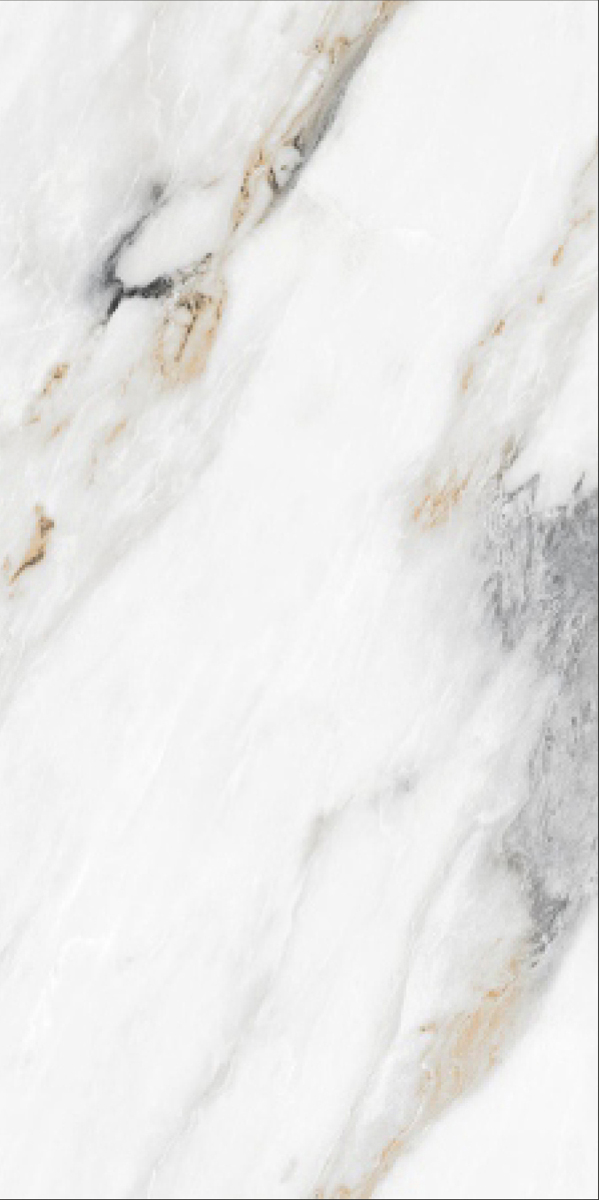
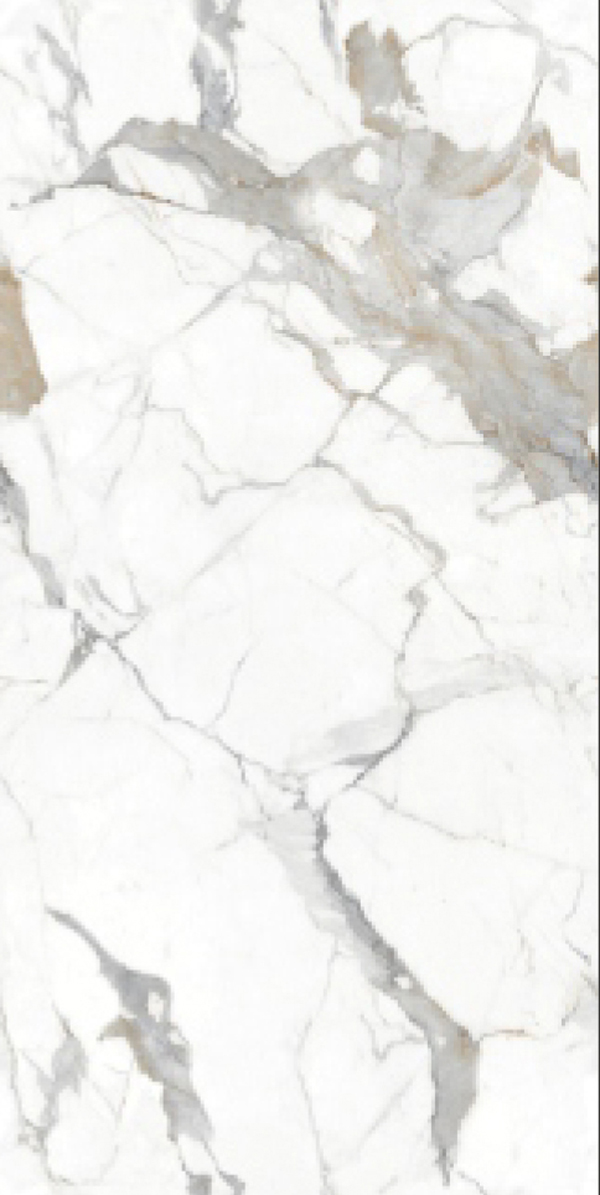
Today, Morbi-based manufacturers produce digital GVT tiles that closely replicate natural marble, slate, travertine, wood planks, concrete, and terracotta surfaces. The tile surface is photographed or digitally created at high resolution, then printed directly onto the glazed tile using industrial inkjet heads. Each tile in a batch can carry a slightly varied print, which is what makes the final laid floor look more natural rather than repetitively patterned. Among the most searched design categories in digital GVT are popular for living rooms and office lobbies, where a natural stone surface is desired without the maintenance cost of real stone.
The price for digital print GVT tiles depends on the complexity of the print and the tile size. A standard 600x600mm digital GVT in a marble or stone pattern typically costs Rs. 75 to Rs. 130/sq.ft from Morbi manufacturers. Large-format 600x1200mm digital tiles run Rs. 100 to Rs. 160/sq.ft.
GVT Tiles vs Other Tile Categories
Understanding how gvt vitrified tiles compare to other categories helps buyers pick the right product for their project.
| Feature | GVT | PGVT | Full Body Vitrified | Ceramic |
|---|---|---|---|---|
| Water Absorption | 0.05% | 0.05% | 0.05% | 12% to 16% |
| Floor Safe (Dry) | Yes | No | Yes | No (except 1x1) |
| Floor Safe (Wet) | Matte/GHR only | No | Yes | No |
| Wall Safe | Yes | Yes | Yes | Yes |
| Surface Design | Glaze + digital print | Polished glaze | Through-body colour | Glaze + print |
| Price Range | Rs. 55 to Rs. 160/sq.ft | Rs. 90 to Rs. 280/sq.ft | Rs. 90 to Rs. 240/sq.ft | Rs. 25 to Rs. 80/sq.ft |
| IS Standard | IS 15622:2006 | IS 15622:2006 | IS 15622:2006 | IS 13630 |
PGVT tiles carry a polished surface and are only suitable for walls, never floors of any kind. GVT tiles with matte or GHR finish cover both floor and wall applications, which makes them more versatile for full-room projects. On heavy-use commercial floors, where through-body colour matters more than surface design, they are often specified instead because any surface wear does not reveal a different colour underneath.
Where Glazed Vitrified Floor Tiles and Wall Tiles Are Used
Glazed vitrified floor tiles in matte or GHR finish work across living rooms, bedrooms, kitchen floors, bathroom floors, balconies, and covered outdoor areas. Wall applications include bathroom walls, kitchen backsplash walls, feature walls in living rooms, and commercial lobby walls.
Room-by-room guide:
- Living room floors: 600x600mm or 600x1200mm in matte or glossy finish. Glossy is acceptable here as the floor stays dry.
- Bedroom floors: 600x600mm matte or satin matte finish. Satin matte is suitable in dry bedrooms.
- Kitchen floors: Matte or GHR finish tiles only. Glossy and satin matte are unsafe for kitchen floor use.
- Bathroom floors: Matte or GHR finish only. Minimum 1:100 slope required with all GVT floor tiles in wet areas.
- Bathroom walls: Any GVT finish, including glossy and satin matte, works fine on walls.
- Covered outdoor / balcony: GHR or matte GVT works well in covered areas. Open terraces and driveways that face direct rain need tiles rated for exterior exposure, which are listed separately.
How to Choose GVT Tiles: A Practical Buying Guide
Follow these steps to narrow down the right glazed vitrified tile for your project.
Step 1: Fix the area. Confirm whether the tile goes on a floor, a wall, or both. This decides which finishes are allowed.
Step 2: Choose the finish. For any wet floor, pick matte or GHR. For dry floors, matte, satin matte, and glossy are all options. For walls, any finish works.
Step 3: Choose the size. For rooms under 100 sq.ft, stick with 600x600mm tiles. For larger rooms, 600x1200mm gives fewer grout lines. For walls, 300x600mm is common, but note it is a wall-only size.
Step 4: Set the budget. GVT tiles start at Rs. 55/sq.ft for 300x300mm matte and go up to Rs. 160/sq.ft for large-format digital designs. Always add 10% extra to the tile quantity for cuts and breakage.
Step 5: Check the grout. For bathroom floors and kitchen floors, use epoxy grout rather than cement grout. Epoxy grout is non-porous and resistant to stains, cleaning chemicals, and moisture. This matters because even though the tile itself absorbs almost no water, a cement grout joint can absorb water and stain over time. White GVT with epoxy grout is a common combination in Indian bathrooms; the full range includes matte, glossy, and sugar finish options across GVT and porcelain. For a cooler, more contemporary palette, in GVT matte is widely used in living rooms and office spaces across India.
Water Absorption and Monsoon Performance of GVT Tiles
A GVT tile body fired at vitrification temperature absorbs 0.05% water by weight. In practical terms, this means the tile does not take in moisture even when water sits on the surface for extended periods. During Indian monsoon months, when humidity levels stay high for four to five consecutive months in most states, a 0.05% absorption rate prevents the tile body from expanding, contracting, or developing surface cracks over repeated wet and dry cycles. This stability is why glazed vitrified tiles hold their finish and dimensional accuracy across many years of use in high-humidity interiors, unlike higher-absorption materials that can show surface crazing or joint staining within a few monsoon seasons.
Most GVT tiles available in India are produced in Morbi, Gujarat, which accounts for the largest share of vitrified tile manufacturing in the country. Morbi factories supply the 600x600mm (2x2) format starting from Rs. 70 to Rs. 130/sq.ft, and the 600x1200mm (2x4) large-format range from Rs. 90 to Rs. 160/sq.ft. The 2x2 size is the most widely manufactured and easiest to source across all price brackets. Digital print GVT in stone, marble, and concrete looks is also predominantly produced in Morbi, with Gujarat-based manufacturers collectively offering the widest variety of designs in the Indian market.
Shop GVT Tiles by Size, Finish, and Design on TilesFinders
Glazed vitrified tiles in matte, GHR, glossy, sugar, carving, and texture finishes, in sizes from 300x300mm (1x1) to 800x1600mm (32x64), in marble-look, stone-look, wood-look, concrete, and abstract digital print designs, for living rooms, bedrooms, kitchens, bathrooms, and feature walls, are listed on TilesFinders with water absorption, finish type, size alias, and manufacturing origin clearly marked on every product. Use the finish filter to narrow to matte or GHR for wet floor projects, and the size filter to shortlist tiles that suit your room dimensions.


FAQs
GVT stands for Glazed Vitrified Tile. It is a vitrified tile with a decorative glaze fired on the surface, combining a near-zero-absorption body with a printed or coloured glaze layer. GVT tiles are manufactured across a wide range of sizes and finishes and are used on both floors and walls in Indian homes and commercial projects. Most GVT tiles available in India are produced in Morbi, Gujarat.
Yes, matte and GHR finish GVT tiles can be used on bathroom floors. Glossy GVT tiles should not be used on bathroom floors because the polished surface becomes slippery when wet and poses a safety risk. On bathroom walls, any GVT finish, including glossy works without restriction. Always lay bathroom floor GVT tiles with a minimum 1:100 slope toward the drain.
GVT tiles absorb 0.05% water by weight. This near-zero absorption rate means the tile body does not take in moisture from wet floors, humid bathrooms, or monsoon conditions. It also prevents staining from liquids that sit on the surface. The 0.05% figure is the standard for vitrified tiles under IS 15622:2006 and applies to GVT tiles in all sizes and finishes.
GVT tiles have a digital-printed glaze layer in matte, glossy, or textured finishes and are suitable for both floors and walls. PGVT tiles have a polished glaze that creates a mirror-like finish and are suitable for walls only, never for any floor surface. PGVT tiles cost more per sq. ft. than comparable GVT tiles. If you need a polished look on a floor, choose full-body polished vitrified tiles, not PGVT.
600x600mm (2x2) and 600x1200mm (2x4) are the most suitable sizes for living room floors. The 2x2 size works well in rooms under 150 sq. ft. and is widely available from Rs. 70 to Rs. 130/sq.ft. The 2x4 format suits larger rooms and creates fewer grout lines for a cleaner look. Rooms above 300 sq. ft. can also use 800x1200mm tiles for a more open, seamless appearance.
Yes, digital GVT tiles are a type of glazed vitrified tile where the glaze design is applied using digital inkjet printing technology. All digital GVT tiles share the same 0.05% water absorption body as standard GVT. The difference is only in how the surface design is created. Digital printing allows more realistic marble, stone, wood, and geometric patterns than older screen-printing methods, and each tile can carry a slight design variation for a more natural look.
Epoxy grout is recommended for GVT tiles in bathrooms and kitchens. Epoxy grout is non-porous, stain-resistant, and does not absorb moisture, which protects the grout joint from the wet and dry cycles common in Indian bathrooms across monsoon months. Cement grout can be used in dry areas like bedrooms and living rooms, but epoxy grout is the safer choice wherever water contact is regular.
GVT tiles are priced from Rs. 55 to Rs. 160/sq.ft, depending on size and finish. The 300x300mm (1x1) matte tiles start at Rs. 55/sq.ft. The standard 600x600mm (2x2) range runs Rs. 70 to Rs. 130/sq.ft. Large-format 600x1200mm tiles in digital designs cost Rs. 90 to Rs. 160/sq.ft. Prices vary by brand, design complexity, and the point of purchase. Morbi, Gujarat, is the primary manufacturing hub, and factory prices are typically lower than retail showroom prices.