

Yellow Tiles: Mustard, Pale Yellow and Golden Tile Guide for Indian Homes
Loading designs...
-
 20918-D
 -
 20917-L
 -
20917-HL
-
20917-D
-
20915-D
-
20897-HL
-
20870-HL
-
20866-D
-
20833-DK
-
YELLOW
-
JAISALMER
-
RD-6031
-
RD-6031
-
RD-5055
-
RD-5052
-
RD-5039
-
RD-5036
-
RD-5034
-
RD-5017
-
RD-5010
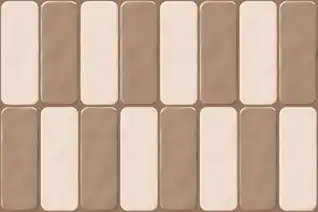
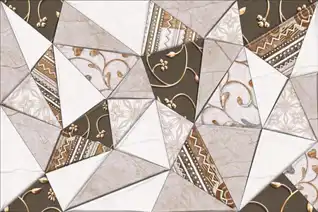
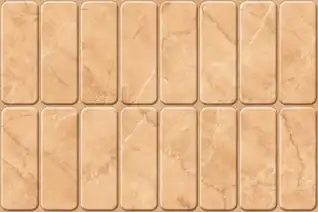


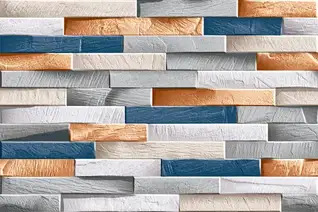
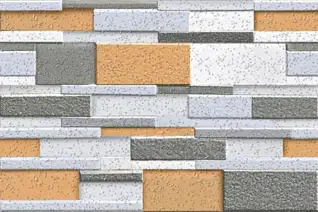
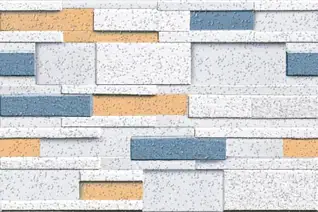
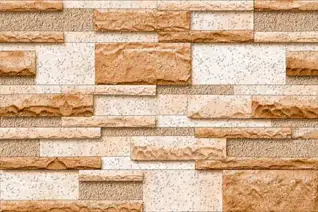
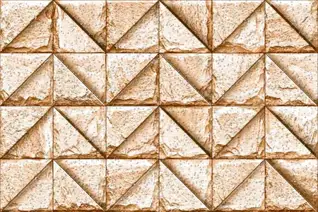
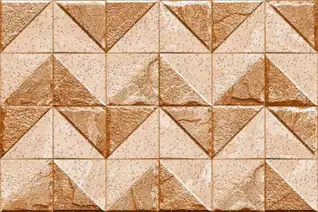
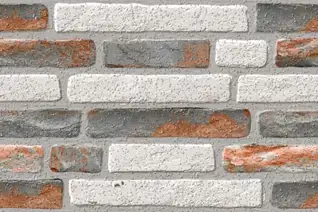
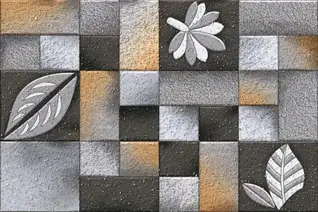
Yellow is the most deeply rooted colour in Indian architectural and decorative tradition. From the saffron-adjacent haldi yellow of wedding and pooja spaces to the warm ochre and mustard of traditional Rajasthani and Gujarati exterior walls, yellow has been part of the Indian built environment for centuries in a way that few other colours have. In contemporary Indian tile design, this cultural familiarity with yellow makes it a colour that Indian buyers approach with both confidence and specificity: they know what shade of yellow they want, whether it is the deep earthy warmth of mustard, the bright optimism of lemon yellow, the soft domesticity of pale pastel yellow, or the regal quality of golden yellow. GVT tiles from Morbi in the yellow and mustard colour range cover this full spectrum, from pale ivory-yellow to deep ochre-mustard in ceramic, GVT, and PGVT body types across floor and wall applications.
Yellow tiles in the Indian market serve three distinct design roles. On floors, yellow and mustard GVT tiles bring warmth into rooms that cool grey and white floors cannot deliver, and they coordinate naturally with the wooden furniture and warm interior palettes that are common in Indian homes. On bathroom and kitchen walls, yellow ceramic and GVT tiles create cheerful, bright spaces that feel distinctly personal rather than generically contemporary. On feature walls, a full mustard-yellow panel gives a room an instant colour identity that no other warm colour quite replicates.
This page covers yellow tiles across the full colour spectrum from pale pastel to deep dark mustard, the body types and finishes available for floor and wall applications, the specifically Indian design contexts where yellow tiles are most effective, the vintage and mid-century yellow tile bathroom aesthetic, the Athangudi-look yellow tile tradition, and colour pairings that make yellow tiles work in contemporary Indian interiors.
The Yellow Tile Colour Spectrum: From Pale to Deep
Yellow tiles in the Indian market span a wide range of tones that have different visual characters and suit different spaces and design intentions.
Pale yellow and pastel yellow: Soft, light yellow with a high white content that gives the tile a warm, creamy quality rather than a strong colour statement. Pale yellow tiles on a bathroom wall or kitchen backsplash give the space a gentle warmth that avoids the intensity of bright yellow. Pale yellow is the most forgiving yellow direction for Indian homes, where the tile colour must coordinate with warm white walls and cream or ivory furnishings.
Lemon yellow: Bright, clear yellow with a green undertone. Lemon yellow tiles are the most saturated and cheerful yellow direction, used in children's rooms, compact bathrooms where a high-energy colour is welcome, and kitchen backsplash panels where the intention is a bold, fresh colour statement.
Golden yellow: Warm yellow with amber and honey undertones. Golden yellow tiles give a surface the warm, luminous quality associated with Indian festivals, temples, and traditional interior decoration. On a bathroom wall or a pooja room feature panel, golden yellow GVT has a rich, festive quality that the cooler pale yellows and greener lemon yellows cannot achieve.
Mustard yellow: Deep, earthy yellow with brown-grey undertones. Mustard is the most sophisticated and design-forward yellow direction in contemporary Indian interior design. A mustard tile in a kitchen backsplash, bathroom feature wall, or bedroom accent panel gives the space a warm, grown-up colour identity that works with grey, terracotta, olive green, and warm wood tones. Mustard is not a bright or cheerful colour in the way lemon yellow is; it is a composed, architectural colour that suits contemporary Indian interiors with a considered design sensibility.
Dark and ochre yellow: Deep amber-yellow or ochre with strong brown undertones. The darkest end of the yellow spectrum: these tiles give surfaces a deeply traditional Indian quality, referencing the pigmented lime plaster walls of heritage haveli architecture and the ochre tones of Rajasthani fort exteriors. On a feature wall in a dining room or living room, dark ochre GVT gives the space a connection to Indian architectural heritage.
Yellow Tiles in the Indian Cultural Context
The cultural resonance of yellow in India is different from any other colour direction in tile design. Yellow is the colour of turmeric (haldi), which is used in every Indian religious ceremony, cooking tradition, and healing practice. It is the colour of marigold flowers that decorate every Indian festival and wedding. It is the colour of the sacred saffron that marks Indian temple architecture. This cultural presence means that yellow in an Indian home interior is never just a design choice: it carries an ambient warmth and auspiciousness that Indian buyers instinctively recognise.
In pooja rooms specifically, yellow and golden tiles are the most culturally appropriate colour direction. A warm golden yellow GVT tile panel behind the deity shelf or on the pooja room feature wall connects to the traditional use of yellow turmeric paste, marigold decoration, and saffron in devotional spaces. In a wedding hall or celebration space, bright yellow and golden tile on the floor or feature wall references the mandap decoration palette. These cultural applications of yellow tile in India are specific to the Indian market and give yellow a design utility that no other tile colour shares.
Yellow Floor Tiles: Finish and Specification
Yellow GVT tiles on floors must follow the same finish specification as any coloured floor tile: matte or satin matte for dry indoor floors, anti-skid for wet bathroom floors and outdoor surfaces. Polished or high-gloss yellow tiles are not recommended for floor use because the smooth surface does not provide adequate traction in wet conditions. On a dry living room or bedroom floor, a golden yellow or pale yellow GVT in satin matte finish in 600x600mm gives the room a warm glow that white or grey floors cannot achieve, and coordinates naturally with the wooden furniture and warm fabric colours of traditional Indian interiors.
Mustard floor tiles in matte or satin matte GVT in 600x600mm or 300x600mm give a living room or entrance foyer a bold, warm colour statement. Mustard on a floor is not a subtle choice: it reads strongly from across the room and dominates the colour character of the space. For this reason, mustard floor tiles work best in rooms where the walls and furniture are in neutral or complementary tones (warm white walls, natural wood furniture, terracotta accents) that let the mustard floor be the room's primary colour element.
Yellow Bathroom Floor Tiles
Yellow and pale yellow bathroom tiles on the floor require an anti-skid specification in the wet area. GVT in matte or textured finish in pale yellow or golden yellow in 300x300mm or 300x600mm with water absorption below 0.05% under IS 15622:2006 is the correct bathroom floor tile specification. Polished or glossy yellow tiles must not be used on any bathroom floor surface, regardless of colour. The vintage yellow tile bathroom, one of the most searched yellow tile directions in India, uses pale or mid-tone yellow ceramic or GVT in a small format (100x100mm or 150x150mm are the traditional formats) in a glossy finish on the bathroom wall and a matte finish on the bathroom floor.
Yellow Wall Tiles: Bathroom and Kitchen
Mustard Bathroom Tiles
Mustard yellow bathroom wall tiles are one of the most searched colour directions in the Indian bathroom tile market. A full bathroom wall in mustard GVT or ceramic glossy gives the bathroom a warm, decisive colour identity that is completely different from the safe white or grey bathroom. Against white sanitaryware (which is the standard in Indian bathrooms), mustard wall tiles create a high-contrast, warm-coloured bathroom that feels rich and personal. Mustard in a glossy ceramic or polished GVT finish on the bathroom wall cleans as easily as white and maintains its colour depth under bathroom lighting conditions. Price range: Rs. 32 to Rs. 78 per sq ft.
Mustard Kitchen Tiles
Mustard kitchen wall tiles on the backsplash tiles zone give the Indian modular kitchen a warm, character-rich colour that works against both white and dark cabinet colours. A mustard ceramic or GVT backsplash tile in 300x600mm or 300x450mm in glossy or satin finish gives the kitchen an earthy, warm quality that is particularly effective against white or light grey modular kitchen cabinets. Mustard kitchen tiles in a subway proportion (300x600mm in horizontal running bond) are one of the most used contemporary Indian kitchen backsplash directions, giving the kitchen a colour anchor that pairs naturally with brass or gold hardware and warm wood cabinet faces. Price range: Rs. 32 to Rs. 80 per sq ft.
Yellow and White Tile Combinations
Yellow and white tile combinations give a bathroom or kitchen the classic, cheerful quality of traditional Indian colour use: the white provides a neutral base that makes the yellow read clearly without competing colour. The most used yellow and white tile combination in Indian bathrooms: white ceramic wall tiles covering three walls with a yellow or pale yellow ceramic accent wall on the feature wall behind the basin or shower. In a kitchen, a white tile backsplash with a yellow Moroccan-look or geometric GVT panel behind the hob gives the kitchen a focal point without covering the full backsplash in a strong colour.
Grey and Yellow Tiles
Grey and yellow is the most design-forward yellow tile pairing in contemporary Indian interior design. A warm mid-grey wall tile with mustard yellow accents, or a grey floor tile with a mustard yellow feature wall, creates a sophisticated, composed palette that reads as deliberately chosen rather than traditional or safe. Grey and mustard yellow together reference the contemporary natural dye palette of Indian handloom fabrics and give an interior a considered, modern Indian quality. On a kitchen backsplash, alternating grey and mustard GVT tiles in a geometric pattern or a mustard backsplash against grey kitchen cabinets are the two most used grey-and-yellow tile combinations in Indian contemporary kitchens.
Yellow and Black Tile
Yellow and black tile combinations give a space a bold, high-contrast graphic quality. Black floor tiles with a yellow or mustard feature wall, or a yellow and black geometric tile pattern, create an interior with a strong graphic identity. In a compact bathroom or a boutique cafe, a yellow and black tile combination reads as deliberately designed and bold. This pairing is most effective in spaces where the design intention is dramatic, and the scale is compact enough for a high-contrast palette to be read as a composition rather than as competing individual decisions.
Vintage and Mid-Century Yellow Tile: Reviving a Classic
The vintage yellow tile bathroom is one of the most nostalgic search directions in Indian tile design. Indian homes built in the 1960s, 1970s, and 1980s commonly used pale yellow, warm cream, and butter-yellow ceramic tiles in small formats (100x100mm to 150x150mm) on bathroom walls, sometimes paired with black or white border tiles. This vintage yellow tile bathroom aesthetic has re-entered Indian interior design through the mid-century modern revival, where the warm, domestic colour palette of that era is seen as a counterpoint to the cold grey and white of contemporary minimalism.
The mid-century yellow tile bathroom in a contemporary Indian home typically uses pale or warm yellow ceramic glossy tiles in a small square format (100x100mm or 150x150mm) in a straight or diagonal grid, paired with black or dark tile accents at the border or floor level. A 4x4 inch (approximately 100x100mm) yellow ceramic tile in glossy finish with a dark grout gives the bathroom the compact, gridded quality of a vintage tile bathroom. GVT hexagon-look tiles in pale yellow or golden yellow on the bathroom wall give the mid-century aesthetic a slightly more contemporary character. Price range: Rs. 25 to Rs. 58 per sq.ft for small-format yellow ceramic tiles.
Athangudi-Look Yellow Tiles
Athangudi tiles are a traditional South Indian tile form originating from the Chettinad region of Tamil Nadu. They are hand-made, poured pigment tiles, where natural stone aggregate and mineral pigments are poured into brass moulds to create geometric patterns in earthy reds, yellows, greens, and blues. True Athangudi tiles are an artisan product made in small quantities by specialist makers in Chettinad and are not available as standard stock from Morbi tile manufacturers.
The Athangudi aesthetic in GVT from Morbi is achieved through digital print encaustic-look tiles that replicate the geometric pigment patterns and earthy yellow, terracotta, and green colour combinations of Athangudi originals on a standard GVT tile body. These tiles give the floor or living room tiles an accent panel, the visual quality of Athangudi geometric pattern tiles at a fraction of the cost and with full GVT durability. Athangudi-look yellow GVT tiles in 300x300mm in warm yellow and terracotta or yellow and black geometric combinations give an Indian home entrance foyer, dining room, or verandah the warmth and craft character of the Chettinad tile tradition in a manufactured product. Price range: Rs. 50 to Rs. 92 per sq.ft.
Moroccan Look Yellow Tiles
Moroccan-look yellow tiles in GVT digital print reference the geometric tile traditions of North Africa and the Iberian Peninsula in yellow, gold, terracotta, and ivory colour combinations. Geometric tiles in Moroccan-look yellow and gold from Morbi are available in 300x300mm and 200x200mm formats as digital print surface designs on standard GVT bodies. On a kitchen backsplash, hob panel or a bathroom feature wall, a Moroccan-look yellow GVT tile gives the space a warm, richly patterned quality with a colour palette that references both Moroccan tile tradition and Indian festive colour use. Price range: Rs. 50 to Rs. 92 per sq.ft.
Red and Yellow Parking Tiles
Red and yellow parking tiles are outdoor tiles in GVT or cement with an anti-skid rough or textured finish used as safety-marking floor tiles in parking areas, industrial floors, warehouse floors, and service areas. The red and yellow colour combination in parking floor tiles follows international safety colour standards: yellow marks pedestrian walkways, caution zones, and hazard borders; red marks fire equipment zones, emergency exits, and restricted access areas. Yellow anti-skid GVT parking tiles in 300x300mm or 600x600mm rough finish are used to demarcate pedestrian pathways through parking areas and to mark the edges of ramps, floor changes, and hazard zones. Price range: Rs. 35 to Rs. 65 per sq ft for yellow anti-skid parking GVT tiles.
Yellow Hex and Hexagon Look Tiles
Yellow hexagon tile searches refer to GVT tiles with a hexagonal pattern surface design on a standard-size tile body. The hexagonal grid is a digital print or relief design on the tile face, not individual hexagon-shaped tile pieces. Yellow or mustard hex-look GVT in 300x300mm gives a bathroom wall or kitchen backsplash a geometric, retro quality that references the mid-century honeycomb tile aesthetic in a warm yellow tone. Pale yellow hexagon-look GVT on a bathroom wall is one of the most contemporary vintage-revival directions in Indian bathroom design, combining the small-format visual density of actual mosaic tiles with the easy installation of a standard tile format. Price range: Rs. 45 to Rs. 85 per sq ft.
Yellow Tile Design Directions Quick Reference
| Yellow Direction | Best Application | Body Type | Finish | Pairs With | Price Range (Rs./sq.ft) |
|---|---|---|---|---|---|
| Pale/pastel yellow | Bathroom walls, kitchen backsplash, compact bedroom wall | Ceramic or GVT | Glossy or Satin Matte | White sanitaryware, light grey cabinets, natural wood | Rs. 28 to Rs. 65 |
| Lemon yellow | Children's bathroom, kitchen accent panel, feature wall | Ceramic or GVT | Glossy | White or off-white, natural wood, chrome fittings | Rs. 32 to Rs. 70 |
| Golden yellow | Pooja room feature panel, traditional bathroom wall, foyer accent | GVT or PGVT | Glossy or Polished | White, saffron, terracotta, warm wood | Rs. 42 to Rs. 88 |
| Mustard yellow | Kitchen backsplash, bathroom feature wall, bedroom accent wall | GVT or Ceramic | Glossy, Satin Matte, or Matte | Grey cabinets, warm wood, brass hardware, olive green | Rs. 32 to Rs. 82 |
| Ochre/dark yellow | Dining room feature wall, foyer floor, traditional interior | GVT | Matte or Satin Matte | Terracotta, dark wood, cream, deep red | Rs. 38 to Rs. 85 |
| Yellow hexagon looks | Vintage bathroom wall, kitchen backsplash panel | GVT or Ceramic | Glossy | White wall tiles, dark grout, black or white floor | Rs. 45 to Rs. 85 |
| Athangudi-look yellow | Foyer floor, dining room floor, verandah, heritage-style interior | GVT | Matte | Terracotta, ivory, natural stone, dark wood | Rs. 50 to Rs. 92 |
| Moroccan-look yellow | Kitchen backsplash, hob panel, bathroom feature wall | GVT | Glossy or Matte | White or off-white surrounding tiles, brass fittings | Rs. 50 to Rs. 92 |
| Yellow anti-skid parking | Parking area floor, pedestrian walkway marking, and industrial floor | GVT | Rough or Textured | Red anti-skid GVT, grey concrete floor | Rs. 35 to Rs. 65 |
Yellow Tiles Pricing from Morbi
Yellow, mustard, and golden GVT and ceramic tiles from Morbi across all formats and finish directions used in Indian residential and commercial applications. Ex-factory prices are 25% to 40% below retail: Rs. 20 to Rs. 38 per sq.ft for ceramic yellow and mustard in 100x100mm to 300x600mm glossy, Rs. 32 to Rs. 60 per sq.ft for GVT yellow and mustard in 300x600mm or 600x600mm in glossy or satin matte, Rs. 40 to Rs. 72 per sq.ft for GVT golden yellow or mustard in 600x600mm or 600x1200mm for feature walls, and Rs. 50 to Rs. 85 per sq.ft for Moroccan-look or Athangudi-look GVT digital print in yellow and geometric colour combinations. Installation costs follow standard wall tile (Rs. 20 to Rs. 38 per sq.ft) and floor tile (Rs. 30 to Rs. 50 per sq.ft) rates.
Choose the Right Yellow Tile
Yellow tile selection starts with the specific yellow tone that suits the room's design intention: pale and pastel for soft warmth, lemon for bright freshness, golden for traditional Indian richness, mustard for contemporary design-forward colour, ochre for heritage character. Then the application (floor in matte, wall in glossy or satin, outdoor in anti-skid), then the format and pattern direction. Browse yellow, mustard, golden, and pale yellow GVT and ceramic tiles in all formats and design directions on TilesFinders.

FAQs
Mustard tiles are GVT or ceramic tiles in a deep, earthy yellow with brown-grey undertones. Mustard is the most design-forward yellow direction in contemporary Indian tile design. It works as a kitchen backsplash tile against grey or white cabinets, as a bathroom feature wall tile against white sanitaryware, and as a bedroom accent wall tile against warm white walls. Mustard coordinates naturally with grey, warm wood, terracotta, olive green, and brass hardware. Price range: Rs. 32 to Rs. 82 per sq ft from Morbi.
Pale yellow tiles have a high white content and give a soft, creamy warmth without a strong colour statement. Golden yellow tiles have warm amber undertones and give a surface the rich, luminous quality associated with Indian festive and devotional colour use. Mustard tiles are deep, earthy yellow with brown-grey undertones: the darkest and most composed yellow direction, suited to contemporary Indian interiors with a design-forward sensibility. The three tones suit different rooms: pale yellow for soft all-round warmth, golden yellow for pooja rooms and traditional spaces, mustard for contemporary kitchens and bathroom feature walls.
Yes, with anti-skid specification. Yellow GVT in matte or textured finish with water absorption below 0.05% under IS 15622:2006 is the correct bathroom floor tile specification for yellow tiles. Glossy or polished yellow tiles must not be used on a bathroom floor. For the vintage yellow tile bathroom floor, small-format yellow ceramic in a matte or low-gloss finish in 100x100mm or 150x150mm is the historically accurate direction and is available from Morbi tile manufacturers.
Athangudi tiles are traditional South Indian poured pigment tiles from Chettinad, Tamil Nadu, made by hand in small quantities by specialist artisan makers. They are not standard stock from Morbi. Athangudi-look yellow GVT tiles from Morbi are digital print encaustic-look tiles that replicate the geometric patterns and warm yellow, terracotta, and black colour combinations of Athangudi originals on a standard GVT tile body. These give the floor an Athangudi-quality visual effect at a tile price point with GVT durability. Price range: Rs. 50 to Rs. 92 per sq.ft.
Red and yellow parking tiles are anti-skid GVT tiles in safety-marking colours used to demarcate pedestrian walkways, caution zones, and hazard boundaries in parking areas, industrial floors, and warehouse spaces. Yellow marks pedestrian pathways and caution zones; red marks fire equipment locations, emergency exits, and restricted areas. Yellow parking tiles in 300x300mm or 600x600mm rough or textured anti-skid GVT finish are available from Morbi tile manufacturers. Price range: Rs. 35 to Rs. 65 per sq ft.
A yellow hex tile is a GVT or ceramic tile with a hexagonal pattern surface design on a standard-size tile body (typically 300x300mm). The hexagonal pattern is a digital print or relief design on the tile face, not an individual hexagon-shaped piece. Yellow and pale yellow hexagon-look GVT tiles give a bathroom wall or kitchen backsplash a geometric, vintage quality that references the mid-century honeycomb tile aesthetic in a warm yellow tone. Price range: Rs. 45 to Rs. 85 per sq ft.
Mustard yellow tiles pair most effectively with grey (the most used combination in contemporary Indian kitchens and bathrooms), warm wood cabinet faces and furniture, terracotta (for a traditional Indian earthy palette), olive green (for a botanical, organic interior palette), and brass or gold metal hardware and fittings. Mustard against white walls and white sanitaryware is the most accessible pairing. Mustard against dark charcoal or navy creates a high-contrast, bold combination suited to a compact bathroom or a boutique commercial space.