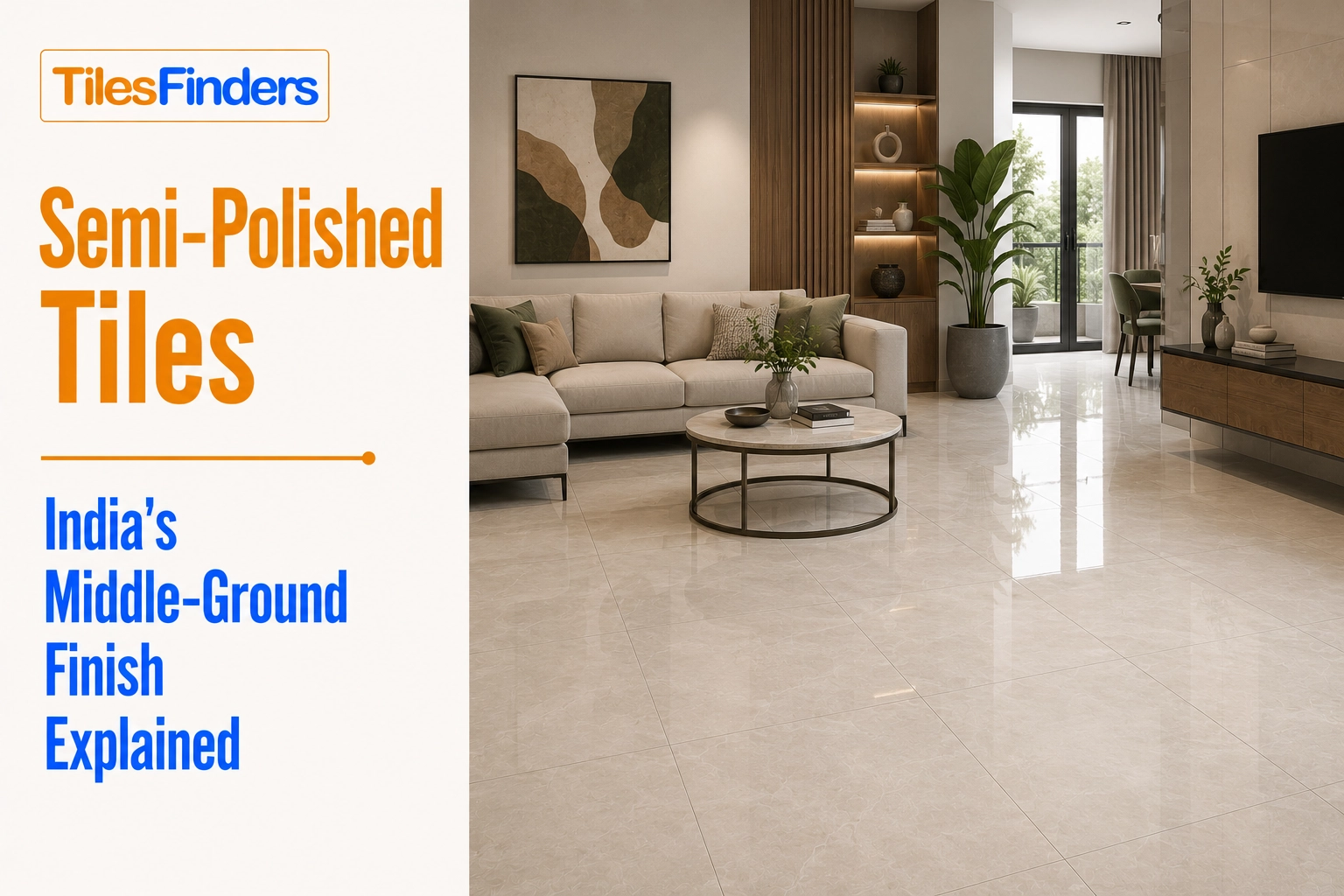
Semi-Polished Tiles: India's Middle-Ground Finish Explained
From glare and cleaning effort to room compatibility and performance expectations, discover the p...


Please Change Your Pincode And Explore Designs
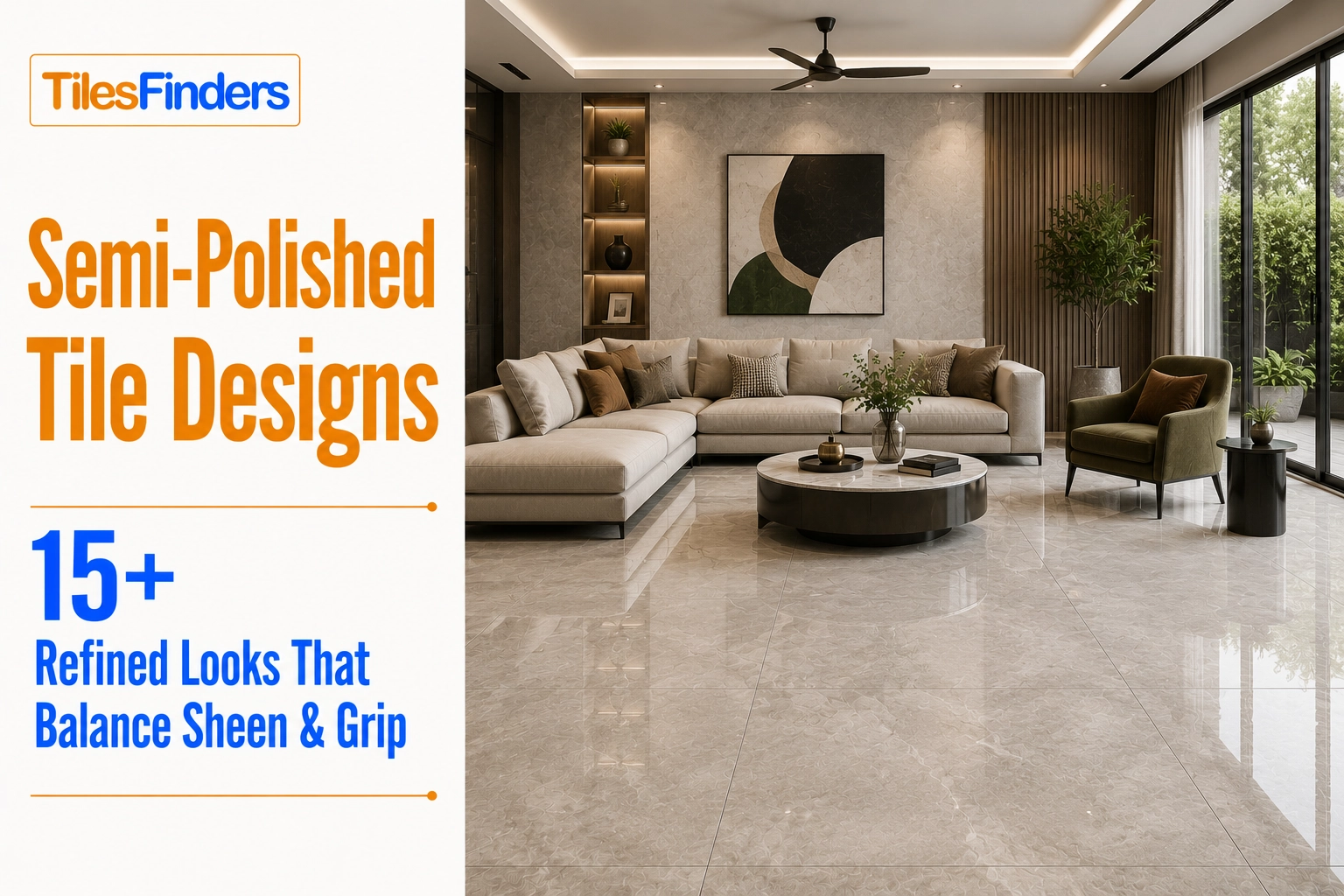
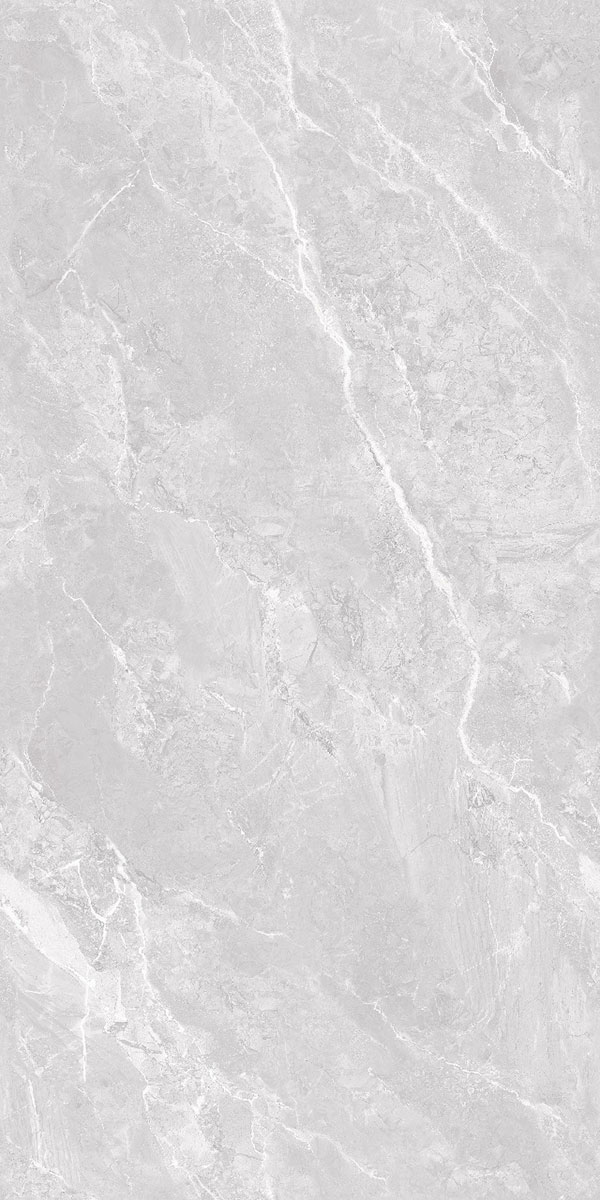
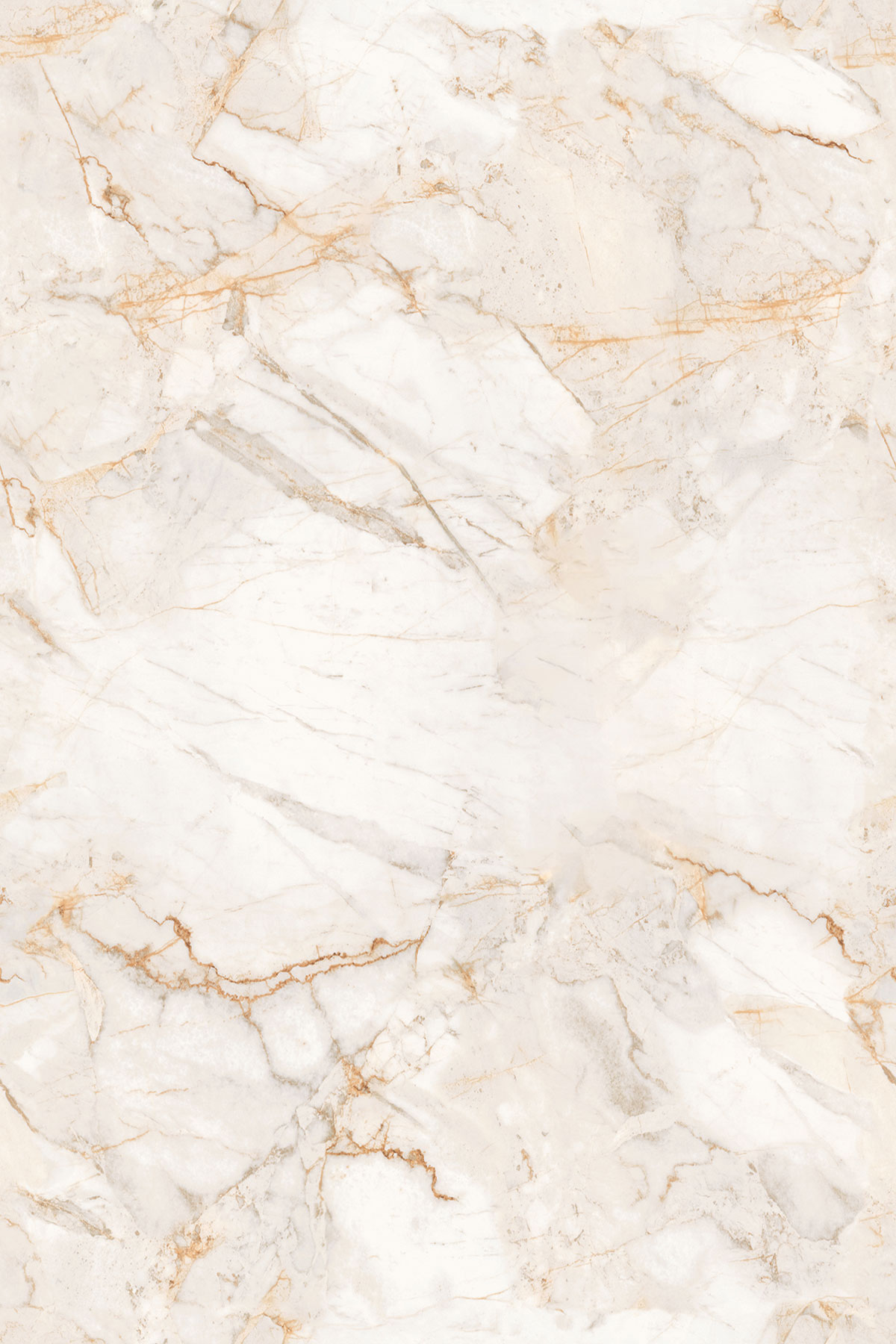
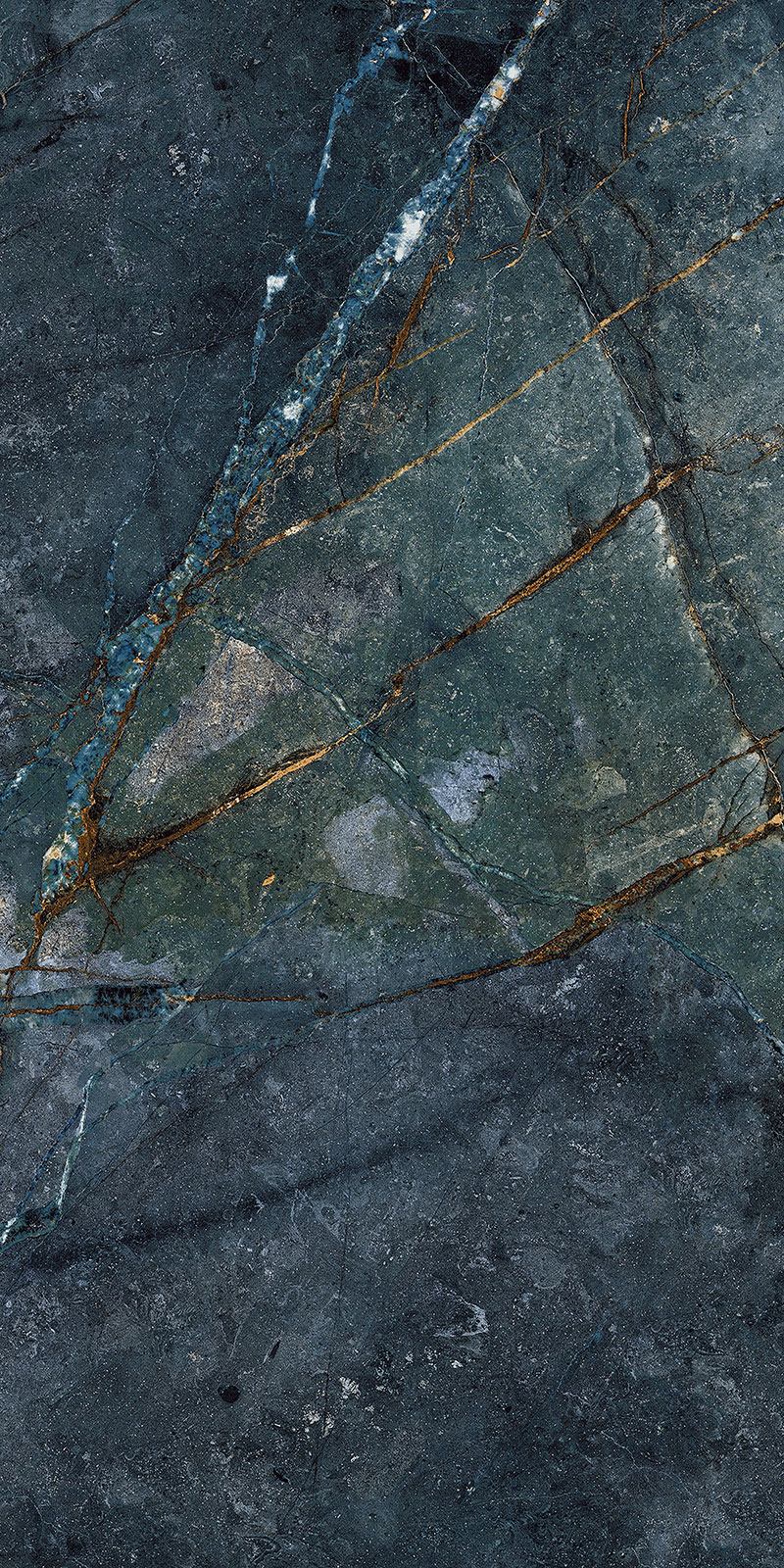
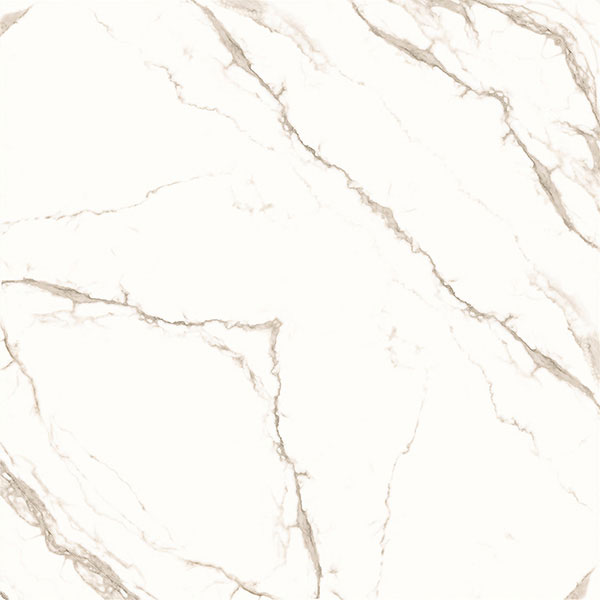
Semi polished tiles carry a light, partial polish, enough to add a gentle sheen without the full mirror shine a genuinely polished or glossy tile carries. TilesFinders groups this finish with matte and satin as one of the practical, low-maintenance options rather than as a step on the reflective glossy ladder, and recommends it specifically for counters and reception areas where daily wiping and smudge resistance matter more than maximum shine.
This is worth stating clearly upfront, since the name invites confusion with the site's semi-high glossy tiles finish. The two are genuinely different positions: semi-high glossy sits partway up the shine and reflectivity scale, while semi-polished sits alongside matte and satin as a practical, everyday surface that happens to carry a touch more sheen than fully matte.
Prices for semi-polished tiles range from Rs. 60 to Rs. 130 per sq.ft from Morbi and Gujarat manufacturers, depending on body and size. This finish suits counters, reception areas, and general floor and wall use where practicality matters as much as appearance.
Buyers researching this finish are usually weighing it against either plain matte or a fully polished tile, rather than against the glossy family, since the decision typically comes down to wanting a bit more visual interest than matte offers without accepting the maintenance a full polish demands.
A semi-polished surface receives a lighter buffing or polishing pass than a fully polished tile, leaving enough of the surface's natural texture intact to retain meaningful grip and to hide smudges, fingerprints, and daily dust considerably better than a fully mirrored surface would. The result sits visually between a flat matte tile and a fully reflective polished one, without behaving like either extreme.
This is a genuinely different manufacturing goal from chasing maximum shine, since the point of this finish is balancing a touch of sheen against real-world practicality rather than pushing reflectivity as far as it will go. A fully polished tile trades practicality for shine; this finish keeps more of the practicality while still adding visible depth over plain matte.
This makes the finish a genuinely different manufacturing target from the glossy family altogether, since a glossy or high gloss tile is engineered specifically to maximise reflectivity regardless of the practicality tradeoff, while this finish is engineered to hold that balance deliberately in the other direction.
This finish should not be confused with the site's semi high glossy tile, despite the similar sounding name. Semi high glossy sits on the reflective ladder between standard glossy and full high gloss, chasing progressively more shine and mirror-like reflection at each step.
Semi polished instead sits with matte and satin as a practical, low-maintenance grouping, prioritising grip, dust resistance, and easy wiping over chasing shine at all. The two finishes solve different problems, and buyers researching one should confirm they are not accidentally looking at the other before ordering.
A quick way to check which finish a specific listing actually describes is to ask directly whether it is grouped with the site's matte and satin range or with its glossy and high gloss range, since the name alone is not always a reliable guide across every manufacturer using similar terminology.
Counters are one of the two applications this finish is most consistently recommended for, since a countertop tile surface gets wiped down multiple times a day and needs a surface that hides smudges and light marks between cleanings rather than broadcasting every fingerprint the way a fully polished surface would.
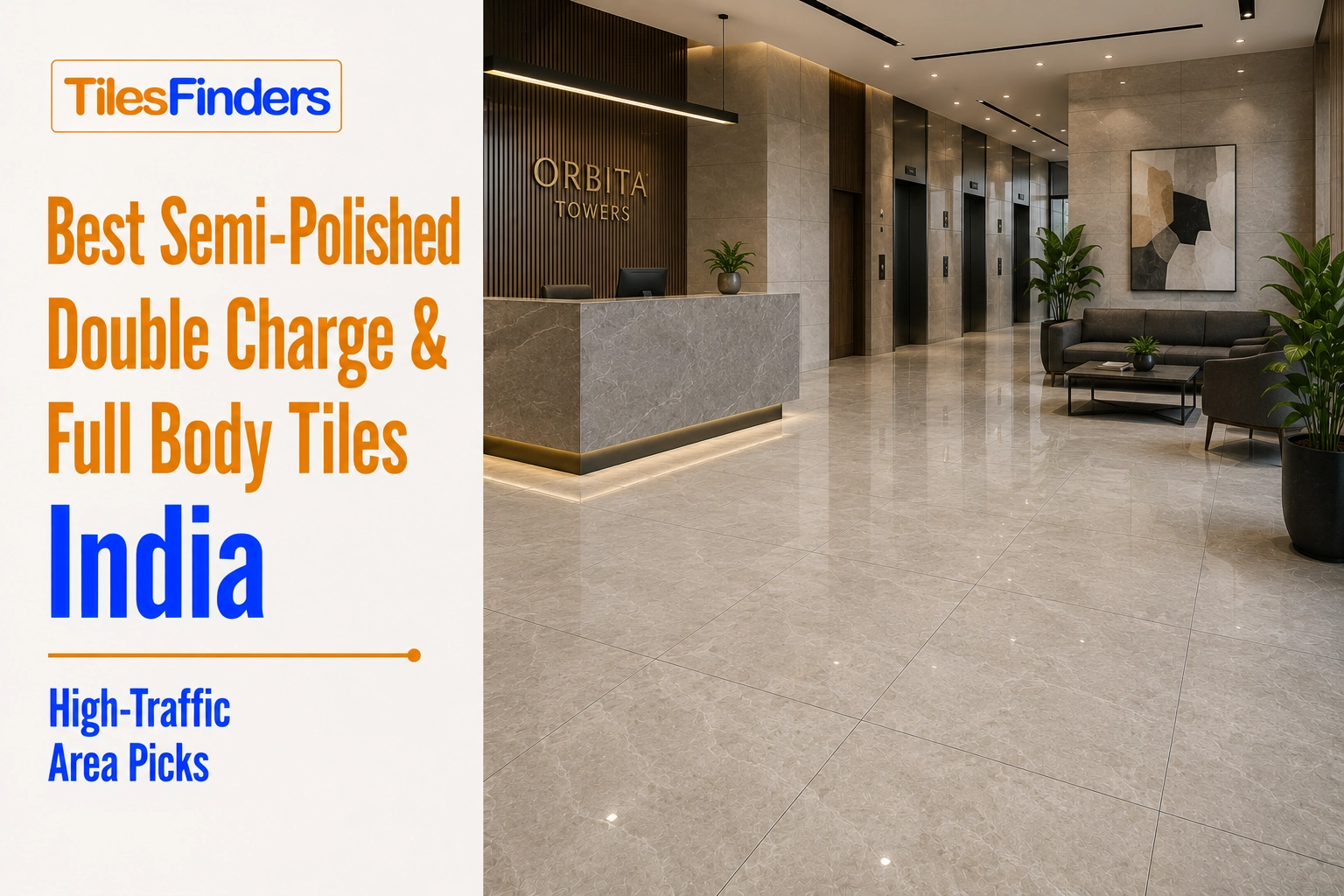
Reception areas make up the second consistent recommendation, for a related but distinct reason. A fully polished floor in a busy reception looks premium in a photograph but shows dust quickly and can become genuinely slippery, a real concern in a space with constant foot traffic. This finish, alongside matte and posh matte, is the safer choice for exactly this kind of high-visibility, high-traffic space.
A kitchen island or a bathroom vanity top follows the same logic as a kitchen counter, since both surfaces see frequent contact and benefit from hiding daily marks rather than showing every touch. Large format sizes, such as 600x1200mm or 800x1600mm, work particularly well for a countertop in this finish, since fewer joints across the surface reduce both the visual interruption and the number of places dust and grime can settle.
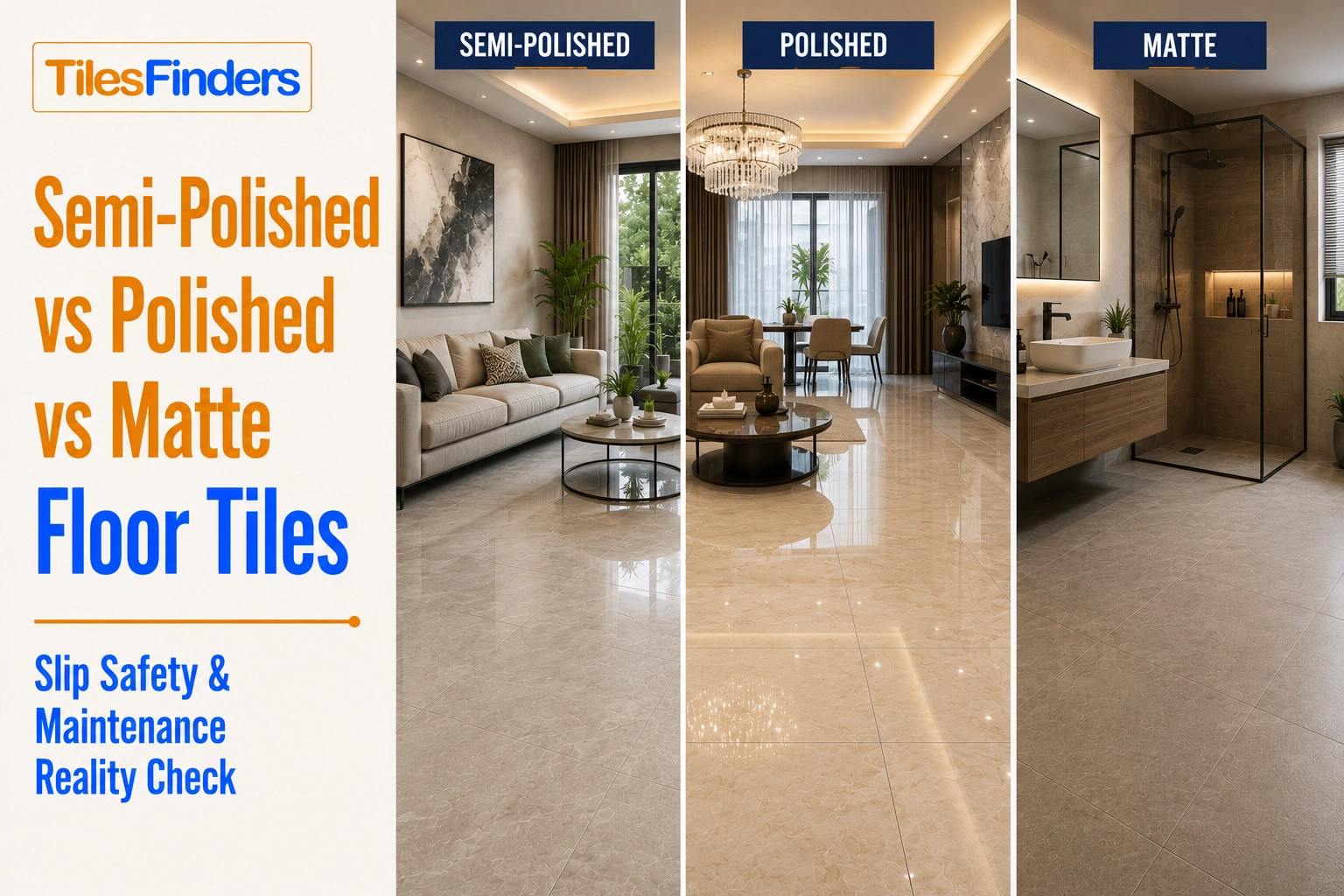
Compared with a fully polished or glossy tile, this finish gives up some shine in exchange for meaningfully better grip and considerably less visible dust and smudging day to day. A fully polished surface remains the more dramatic, premium-looking option in a photograph, but this finish holds up better under actual daily use in a busy space.
Compared with standard matte, this finish adds a visible sheen and a slightly more refined look while retaining most of matte's practicality, without asking for the more demanding maintenance routine a fully polished tile or a specialised finish like polished sugar tiles would need. This makes it a genuinely useful middle ground for buyers who find plain matte a little flat but full polish impractical for a heavily used surface.
Beyond counters and reception areas, this finish works well on general living room and bedroom floors wanting a touch more refinement than plain matte offers, and on bathroom or kitchen walls where a slight sheen suits the room without the slip risk a floor would face from a fully glossy surface.
Note: Floor use in a wet area should still default to a matte, textured, or specifically rated anti-skid finish rather than this one, since semi-polished trades away some of matte's maximum grip for its added sheen, even if it remains considerably safer than a fully polished surface. Confirm the specific product's rating for any floor seeing regular water exposure.
This finish is produced across porcelain, vitrified, and GVT bodies, following the same underlying water absorption differences that apply to any tile regardless of surface sheen. Vitrified and GVT versions generally suit the widest range of floor and countertop applications, given their lower water absorption and greater durability under daily wear.
Porcelain versions of this finish are priced from Rs. 60 to Rs. 90 per sq.ft from Morbi and Gujarat manufacturers. Vitrified and GVT versions cost more, from Rs. 85 to Rs. 130 per sq.ft, reflecting the denser body and lower water absorption these options offer.
Countertop applications should also budget for cutting, edge finishing, and sink or hob cutout work separately from the base tile price, since these add meaningfully to a countertop project's total cost regardless of the finish chosen. GST and freight from Gujarat should be added to any full project quote.
Genuine semi-polished tiles carry water absorption consistent with their underlying porcelain, vitrified, or GVT body, keeping the tile stable through India's monsoon humidity across the counter, floor, and wall applications this finish suits. Most tiles in this finish sold in India are manufactured in Morbi, Gujarat.
Price for this finish spans Rs. 60 to Rs. 130 per sq.ft depending on body and size. Buyers outside Gujarat should confirm freight costs separately, particularly ahead of the monsoon season when transit timelines for a larger project can shift.
Choosing semi-polished tiles usually comes down to wanting a touch more sheen than plain matte without taking on the maintenance and slip tradeoffs a fully polished or glossy tile carries, whether for a busy countertop, a reception floor, or a general living space. TilesFinders lists this finish from Morbi and Gujarat manufacturers with body, size, and water absorption confirmed on every listing.
A well-specified semi-polished tile, matched to the right application, delivers a genuinely practical middle ground between flat matte and full polish, one that holds up to daily wiping and foot traffic without looking plain.
Semi polished tile carries a light, partial polish, adding a gentle sheen without the full mirror shine a fully polished tile has. It retains more grip and hides smudges better than a fully polished surface. It is grouped with matte and satin as a practical, everyday finish rather than a highly reflective one.
No, despite the similar name. Semi high glossy sits on the reflective shine ladder between standard glossy and full high gloss. Semi polished instead sits with matte and satin as a practical, low-maintenance grouping focused on grip and smudge resistance rather than maximum shine.
Yes, counters are one of the most common recommended applications for this finish. A countertop gets wiped frequently and benefits from a surface that hides smudges well. Porcelain, vitrified, and GVT bodies all work well here, though budget separately for cutting and edge finishing work.
A fully polished tile looks premium but shows dust and fingerprints more readily and can be slippery, particularly in a high-traffic space. Semi polished trades some shine for meaningfully better grip and less visible daily wear. This makes it the safer choice for a busy reception area or countertop.
Semi polished tiles typically cost between Rs. 60 and Rs. 130 per sq.ft in India. Porcelain sits at the lower end, while vitrified and GVT cost more. Prices vary by body, size, and dealer.
A matte, textured, or specifically anti-skid rated finish is the safer default for a wet bathroom floor. Semi polished trades away some grip for its added sheen, so confirm the specific product's rating before using it in a wet area. It works better on a bathroom wall than a wet floor.