

Glossy Tiles – Bringing Brilliance to Every Corner
Loading designs...
-
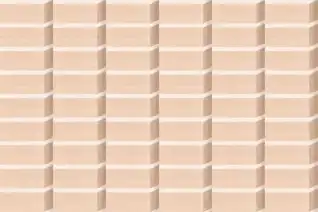 20933-L
 -
 20933-HL2
 -
20933-HL1
-
20933-D
-
20932-HL2
-
20932-HL1
-
20932-L
-
20931-HL-2
-
20931-HL-1
-
20931-L
-
20930-L
-
20930-HL-2
-
20930-HL-1
-
20930-D
-
20929-HL-2
-
20929-HL-1
-
20929-L
-
20928-L
-
20928-HL-2
-
20928-HL-1
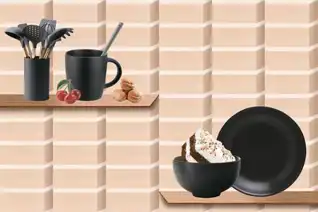

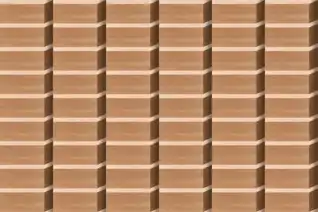










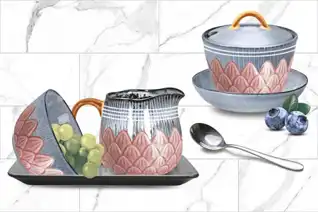





Do not confuse the terms "glossy" and "polished glossy"; they are distinct. These tiles are composed of two components: a tile body and a glazed surface, with a glossy finish created using glass and other glazing materials. Glossy tiles feature a glazed surface composed of glass and other finishing materials, applied over a tile body. This glazing gives the tile its characteristic shine, smoothness, and light-reflective quality. Unlike polished glossy tiles (which are mechanically polished), glossy tiles achieve their finish through glazing during manufacturing.
Glossy tiles are available in plain and embossed designs, offering both smooth reflective surfaces and textured decorative patterns. They are predominantly manufactured in ceramic bodies and are mainly used on walls, especially in kitchens and bathrooms. In ceramic glossy tiles, the most common sizes are 300×450 mm and 300×600 mm, which together account for around 90% of all glossy tile production. Other available ceramic glossy sizes include 250×450 mm, along with subway formats like 100×300 mm, 100×200 mm, and 75×200 mm, all produced in glossy finishes. Overall, 97% of glossy tile consumption in India comes from ceramic glossy wall tiles, making them the core of this product category.
Glossy tiles are also produced in porcelain bodies, but only for floors and in very limited quantities. Available sizes typically include 300×300 mm, 400×400 mm, and 600×600 mm, but glossy finishes in porcelain are rarely seen, contributing to only about 3% of total porcelain tile production in India. Because porcelain matte and polished glossy tiles dominate the floor segment, the demand for porcelain glossy tiles is minimal.
Over time, in many applications, the role of traditional glossy tiles, especially for floors, has been replaced by polished glossy (PGVT/Polished Glazed Vitrified Tiles), which offer superior shine, durability, and a premium finish. Despite these distinctions, glossy ceramic tiles remain one of the most popular choices for wall applications due to their affordability, brightness, ease of cleaning, and versatility. They continue to be a preferred option for homes and commercial interiors where wall aesthetics and light enhancement matter most.
What Sets Glossy Tiles Apart?
A glossy finish offers far more than just surface shine. It enhances the overall functionality, design flexibility, and ambience of any space. Here’s an expanded look at why glossy tiles are one of the most preferred choices for homeowners, designers, and architects:
1. Mirror-Like Reflection – Makes Spaces Appear Bigger & Brighter
The surface of glossy tiles acts like a subtle mirror, bouncing light across the room. Benefits:
- Creates the illusion of a larger, more open space, ideal for compact rooms.
- Enhances natural light, reducing dark corners and shadows.
- Works wonderfully in rooms with limited windows or artificial lighting.
- Perfect for modern interiors where brightness and openness are key design goals.
This light-reflective quality is one of the strongest reasons glossy tiles are used in living rooms, kitchens, bathrooms, and commercial spaces that need visual expansion.
2. High Colour Clarity – Richer Shades & Sharper Patterns
The glossy coating intensifies the visual depth of colours, grains, and designs. How it enhances the look:
- Colours appear more vivid, deep, and premium.
- Marble veins, stone textures, and digital patterns look more defined and dramatic.
- Tiles retain their fresh, vibrant appearance for years with minimal fading.
- Suitable for statement walls where crisp detail matters.
This makes glossy tiles ideal for marble-effect slabs, designer walls, and decorative patterns.
3. Sleek, Premium Appeal – Instantly Elevates Any Interior
Glossy tiles bring a timeless sense of sophistication and luxury. Why designers love them:
- Their glossy finish delivers a modern, upscale appearance.
- Matches easily with wood, metal, fabric, and glass decor elements.
- Works in both contemporary and classic interiors, from minimal Scandinavian to royal marble themes.
Even simple rooms look more finished, stylish, and high-end when glossy tiles are used.
4. Effortless Maintenance – Shine That Lasts with Minimal Effort
One of the biggest advantages of glossy tiles is how easy they are to maintain. Maintenance benefits:
- Dirt, splashes, and stains do not penetrate the surface, making cleaning effortless.
- A single wipe with mild soap and water restores the original shine.
- Resistant to common kitchen and bathroom stains like oil, toothpaste, and soap residue.
- Ideal for areas where hygiene and cleanliness are important.
The smooth texture prevents dust accumulation, making glossy tiles perfect for busy homes and commercial environments.
5. Design Versatility – Fits Almost Every Interior Style
Glossy tiles offer complete creative freedom. Versatility advantages:
- Available in hundreds of colours, from subtle neutrals to bold accents.
- Offered in multiple sizes for walls, floors, backsplashes, countertops, and feature panels.
- Works beautifully with both matte tiles and textured tiles for contrast-based designs.
- Suitable for modern, traditional, industrial, luxury, minimalistic, and artistic interiors.
Whether you want calm, neutral spaces or bold, expressive designs, glossy tiles adapt effortlessly.
6. Improved Lighting Efficiency
Glossy surfaces reflect both natural and artificial light, making the space feel brighter without increasing energy consumption.
Lighting benefits:
- Reduces the need for additional lighting fixtures.
- Makes rooms look warm, inviting, and well-lit throughout the day.
- Enhances decor elements by reflecting accent lighting beautifully.
- Ideal for commercial spaces where bright interiors leave a stronger impression.
Colours Available in Glossy Tiles
- AQ Green (Aqua Green) – A fresh, soothing shade ideal for spa-like bathrooms and refreshing kitchen walls.
- White – A pure, open, minimal colour that brightens spaces and suits modern, Scandinavian interiors.
- Beige – A warm, timeless tone perfect for creating calm, premium living rooms and bedrooms.
- Blue – A versatile shade that ranges from pastel to royal, ideal for artistic interiors and feature walls.
- Ivory – A soft, elegant neutral that enhances classic luxury and warm contemporary spaces.
- Grey – A modern, industrial-friendly colour available in light to charcoal tones for sleek interiors.
- Black – A bold, dramatic shade suited for luxury living rooms, premium accents, and commercial spaces.
- Brown – An earthy, grounded colour best for warm spaces with wood-inspired decor.
- Terracotta – A rustic, Mediterranean tone perfect for balconies, artistic corners, and earthy themes.
- Green – A rich, natural shade (emerald or leaf) that adds freshness to feature walls and interiors.
- Golden – A luxurious, glamorous tone used for designer walls and premium decor highlights.
- Red – A bold, energetic colour ideal for accent walls, retail interiors, or vibrant kitchen designs.
- Yellow – A cheerful, uplifting shade perfect for kids' rooms, studios, and creative spaces.
- Purple – A royal, artistic colour that adds uniqueness to boutique-style and luxury feature walls.
- Wenge – A dark wood-inspired tone ideal for premium wood-effect tiles in bedrooms or TV panels.
- Turquoise – A lively blend of blue and green, perfect for artistic backsplashes and vibrant bathrooms.
- Sandune – A soft, sand-toned colour suited for natural, coastal-inspired, calm interiors.
- Pink – A soft or bold feminine shade ideal for stylish bathrooms, bedrooms, and feature walls.
- Wood Brown – A glossy wooden texture offering luxury wood aesthetics for living and commercial panels.
- Multi-Colour – A mix of artistic patterns ideal for backsplashes, niches, and decorative feature walls.
Glossy vs. Polished Glossy Tiles
Glossy tiles get their shine from a glazed coating, which can make the surface look a little wavy when viewed from an angle. Polished glossy tiles look much smoother and flatter because they are mechanically polished after glazing. Since glossy tiles use a softer glaze, they can get scratched more easily, while polished glossy tiles are harder and more durable.
Glossy tiles reflect light well but with a softer shine, whereas polished glossy tiles offer a sharp, mirror-like shine that looks richer and more premium in any space.
Spaces That Love Glossy Tiles
Living Rooms
Glossy tiles are mainly used on living room walls to enhance brightness and create a more premium visual appeal. Their reflective surface helps spread natural light evenly, making the space feel open and welcoming. In many rural and semi-urban homes, glossy tiles are commonly used as wall decor behind the TV unit or main seating area. For such feature walls, 300×600 mm glossy ceramic tiles are the most preferred size, as they offer a clean and continuous look with fewer joints. 300×450 mm glossy tiles are also widely used for full-wall applications. Glossy tiles are generally not used for flooring; instead, polished glossy tiles are chosen for floors.
Bedrooms
In bedrooms, glossy tiles are used selectively to create a neat, calm, and visually pleasing wall surface. They pair well with soft colours and simple interiors, adding a subtle shine without overpowering the space. Glossy tiles are not used on bedroom floors, but are popular for accent walls or headboard backdrops. Glossy subway tiles, especially in 100×300 mm and 100×200 mm, are commonly used behind beds to create simple, modern patterns. In some cases, 300×450 mm glossy ceramic tiles are used for full-height wall cladding where a clean and uniform finish is desired.
Kitchens
Glossy tiles are one of the most practical choices for kitchen walls because they are stain-resistant, easy to clean, and moisture-friendly. Their shiny surface reflects light, keeping the kitchen bright and hygienic. For kitchen backsplashes and wall areas, 300×600 mm and 300×450 mm glossy ceramic tiles are most commonly used, as they provide proper coverage and easy alignment. Subway tiles in 100×300 mm and 75×200 mm are especially popular in modern and compact kitchens for creating decorative patterns. In rural India, glossy tiles are also sometimes used on floors in the form of 600×600 mm glossy porcelain tiles, mainly because of their economical pricing, although this practice is limited.
Bathrooms
Glossy tiles are widely used in bathrooms because they reflect light and make small spaces appear larger and cleaner. They help create a fresh, spa-like look while remaining easy to maintain. For bathroom walls, 300×600 mm and 300×450 mm glossy ceramic tiles are the most preferred sizes, as they fit well in both vertical and horizontal layouts. 250×450 mm tiles are often chosen for decorative motifs, borders, and highlighter areas due to their manageable size and design flexibility. Glossy tiles are primarily used on bathroom walls rather than floors.
Pooja Rooms
Glossy tiles are well-suited for pooja rooms because they enhance brightness, purity, and a sense of calm, qualities that are essential in a sacred space. Light colours such as white, ivory, and pastel shades look especially elegant in a glossy finish. For pooja room walls, 300×600 mm and 300×450 mm glossy ceramic tiles are commonly used to create a clean and graceful backdrop for mandirs and religious decor. These sizes allow for neat installations without distracting patterns.
Restaurants & Cafes
Restaurants and cafés use glossy tiles mainly on walls to create a lively, clean, and visually engaging environment. The glossy surface reflects artificial lighting, making dining spaces look energetic and appealing. While large slabs are used for feature concepts, for regular wall applications, 300×600 mm and 300×450 mm glossy ceramic tiles are the most practical choices. These sizes support easy maintenance and withstand frequent cleaning, which is essential in food service areas.
Balconies & Sit-Out Areas
Glossy tiles are suitable for balcony and sit-out area walls, especially in semi-covered spaces where direct water exposure is limited. Their reflective surface helps brighten the area by bouncing natural light, creating a fresh and cheerful atmosphere. For balcony walls and planter backdrops, 300×600 mm glossy tiles are commonly used to achieve a modern, uncluttered look. In smaller decorative sections, 250×450 mm tiles are sometimes applied to add visual interest without overwhelming the space.
Bring Brilliance to Every Corner with TilesFinders
Your space deserves nothing less than timeless beauty and effortless elegance. With our wide range of glossy tiles, available in stunning colours, modern sizes, and premium finishes, you can transform any room into a brighter, more luxurious version of itself. Whether you're designing a home, renovating a commercial space, or highlighting a feature wall, TilesFinders makes it easy to explore, compare, and choose tiles that match your vision. Discover the perfect glossy tiles today and let your interiors shine with unmatched brilliance.



FAQs
Yes, glossy tiles can scratch more easily compared to matte or polished tiles because their glazed surface is softer. That is why glossy tiles are best used on walls rather than floors. When used on floors, dragging heavy furniture or sharp objects can damage the surface and leave visible scratches. For wall applications, glossy tiles are durable for everyday use and maintain their shine well.
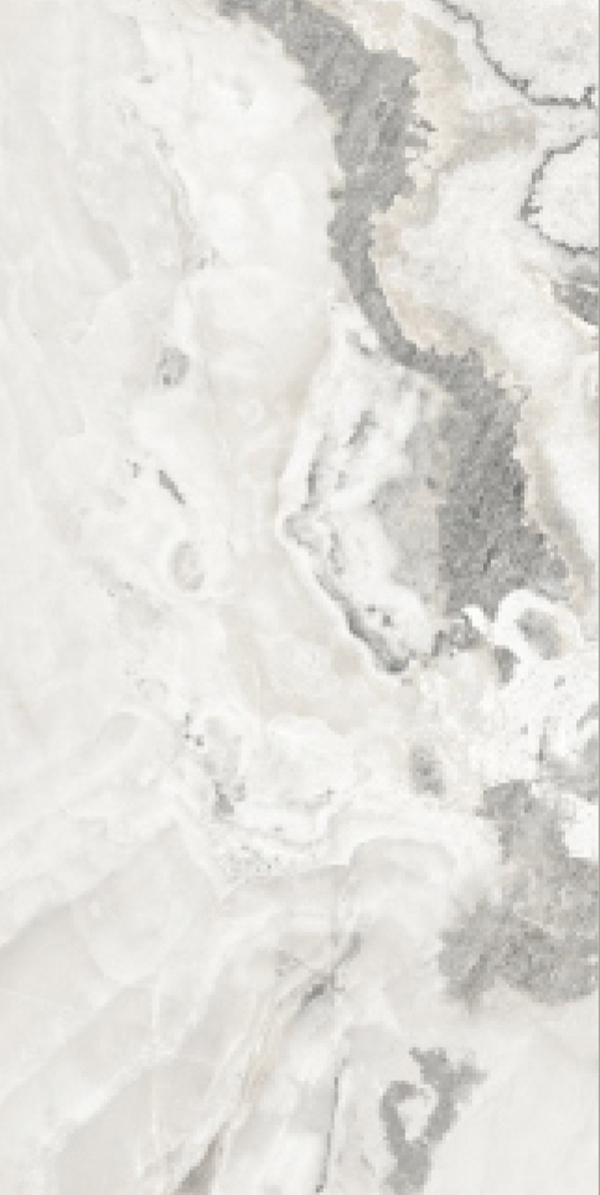
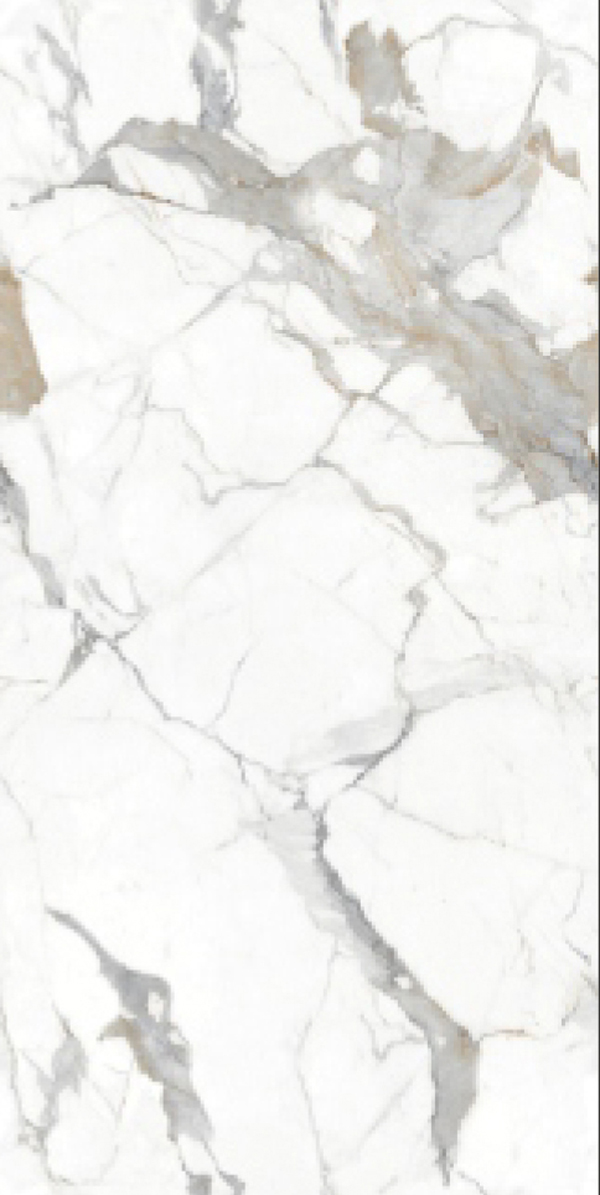
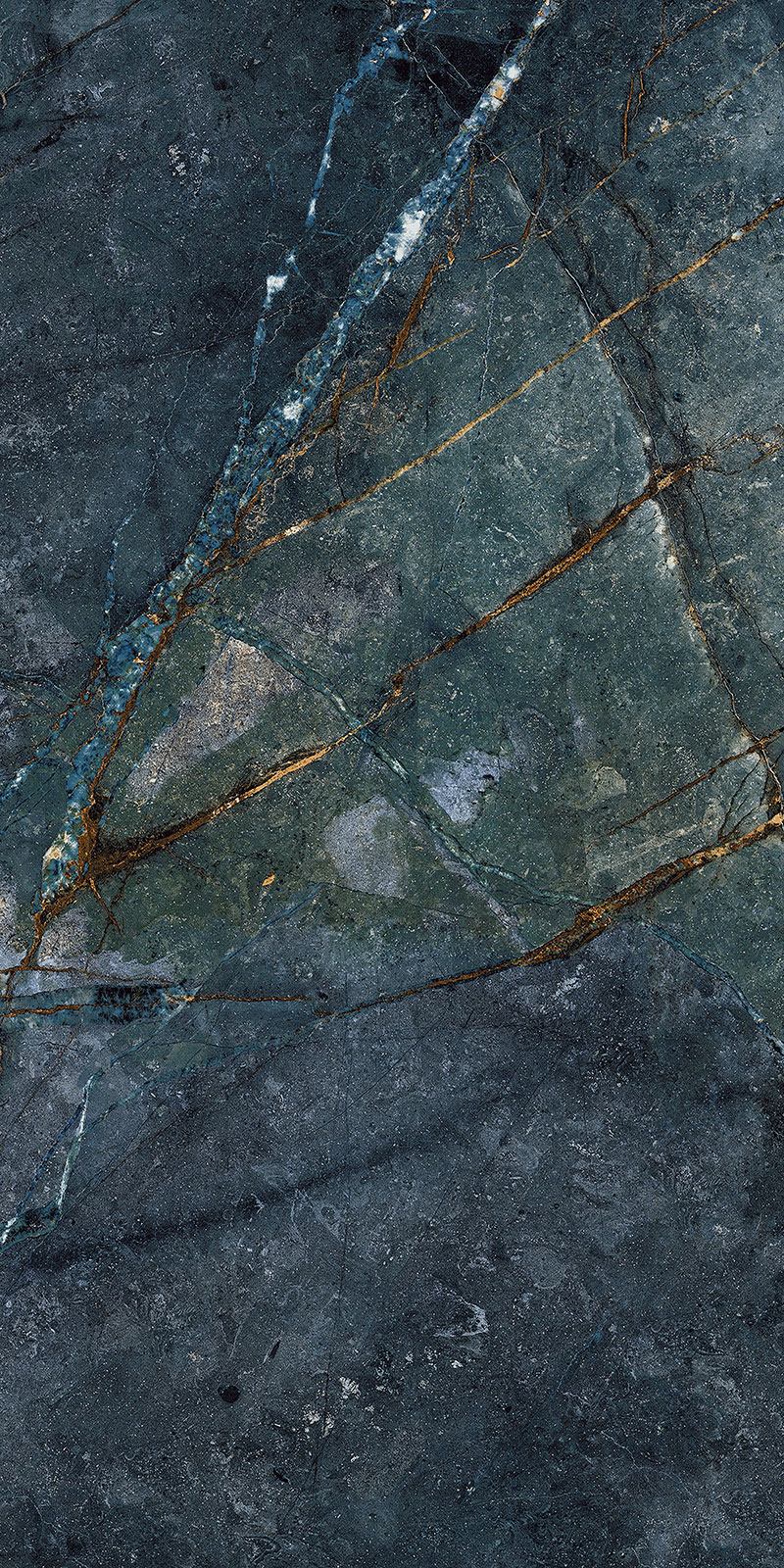
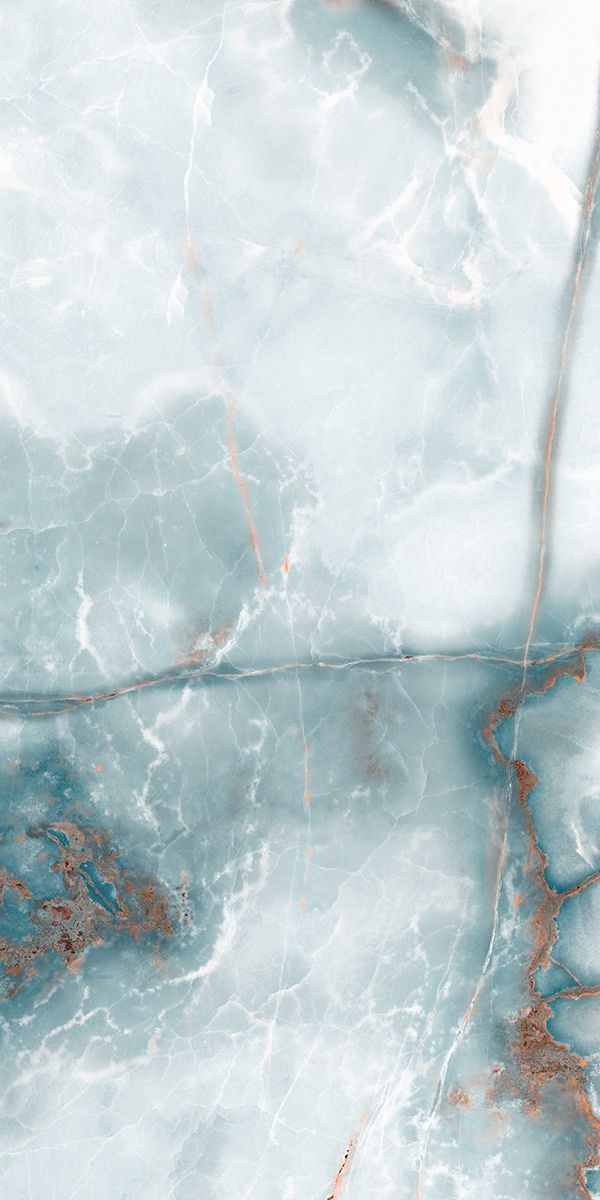
Glossy tiles come in a wide range of stunning designs to match every interior style. Popular options include wooden, marble, stone, granite, textured, cement, floral, 3D, mosaic, geometric, travertine, onyx, statuario, and plank designs.
Yes, glossy tiles can show water spots, smudges, or fingerprints more easily than matte tiles because of their shiny surface. This is more noticeable on dark-coloured glossy tiles, while light colours tend to hide marks better.
No, glossy tiles are actually easier to maintain. Their smooth surface prevents dust and stains from sticking, making cleaning quick and effortless. Matte tiles hide scratches better but require more scrubbing.