

Purple Tiles: A Complete Guide to Shades, Body Types and Applications for Indian Homes
Loading designs...
-
 NEXUS 01
 -
 10766-D
 -
10766-HL
-
10766-L
-
ELE-1216
-
RD-5061
-
SP MORADO P 822
-
20818-D
-
20818-HL
-
20844-D
-
20850-D
-
20850-HL
-
20920-D
-
20920-HL




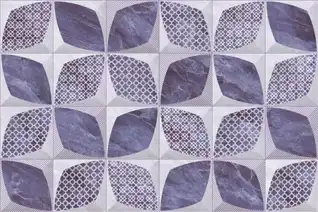





Purple tiles cover a wider tonal range than most buyers expect. From barely-there lavender through dusty purple and mauve to deep plum, each shade works differently depending on room size, light, and the surfaces it sits alongside. This guide covers all the shades available in the Indian market, the body types that carry them (GVT, ceramic, and porcelain), where each works best across bathrooms, floors, walls, kitchens, and living rooms, and how to pair purple tiles with fittings, grout, and neighbouring surfaces. Use the sections below as a reference before making a buying decision.
Why Purple Tiles Work in Indian Homes
Purple sits between warm and cool on the colour wheel. That in-between position is what makes it flexible. A warm purple like mauve reads well next to timber vanity units and brass fittings. A cool purple like lavender works with chrome, white sanitaryware, and grey stone-look tiles.
Purple tiles have also become easier to specify in India over the past few years. Digital inkjet printing on GVT has expanded the shade range well beyond the limited lavender and lilac options that ceramic manufacturers offered earlier. Dusty purple, slate purple, lilac marble-look, and muted plum tones are all now available in GVT matte and PGVT polished finishes from Indian manufacturers.
The colour carries cultural weight in India too. Violet and purple tones are associated with devotion and spiritual calm, which makes purple tiles a natural fit for pooja rooms alongside their growing use in bathrooms and bedrooms.
Purple Tile Shades: The Full Tonal Range
The shade you choose changes the feel of the room significantly. Here is what each tone looks like in practice and where it works best in an Indian home.
| Shade | What It Looks Like | Works Best In | Light Condition |
| Lavender | Pale, cool violet with a blue-grey undertone | Bathroom wall, bedroom, pooja room | Both natural and artificial light |
| Light purple / Lilac | Soft purple, slightly warmer and pinker than lavender | Bedroom feature wall, bathroom | Best in natural light |
| Dusty purple | Muted, greyed-down purple with a taupe undertone. Reads almost as a neutral | Bathroom, kitchen backsplash, living room | Works well in low-light spaces |
| Mauve | Warm brownish-pink purple, earthy tone | Bathroom, entrance hall, bedroom | Warm rooms with incandescent light |
| Mid purple | Clean, saturated violet-purple | Feature wall, bathroom accent, backsplash | Needs good light; heavy in small rooms |
| Dark purple / Plum | Deep, rich violet that reads near-black in low light | Shower feature wall, bathroom accent | Accent use only; pair with white or brass |
A tile in dusty purple tone is the most searched muted shade in this range. It suits buyers who want colour without a bold commitment. It pairs well with warm whites, natural stone-look tiles, and brass or aged-bronze fittings. For buyers new to purple tiles, dusty purple is the safest starting point.
Best Purple Tile Types by Body and Category
Purple tiles come in three main body types in the Indian market: GVT, ceramic, and porcelain. Each has different water absorption, finish options, and area restrictions.
| Body Type | Water Absorption | Shades Available | Floor Use | Wall Use | Price Range (Rs./sq.ft) |
| GVT (Glazed Vitrified) | 0.05% (IS 15622) | Full range: lavender to dark plum | Yes (matte/GHR/sugar finish) | Yes | Rs. 45 to Rs. 160 |
| PGVT (Polished Glazed Vitrified) | 0.05% (IS 15622) | Mid to dark purple, lilac marble-look | Dry indoor floors only | Yes | Rs. 60 to Rs. 190 |
| Ceramic | 12% to 16% (IS 13630) | Lavender, lilac, mauve, mid purple | 300x300 bathroom floor only | Yes (all sizes) | Rs. 35 to Rs. 100 |
| Porcelain | 2% to 5% (IS 13630) | Lavender, dusty purple, slate purple | Yes (matte finish) | Yes | Rs. 50 to Rs. 140 |
Note: Ceramic tiles are wall-format tiles in 300x450mm and 300x600mm. Do not use these on any floor. The only ceramic tiles that can go on a floor is 300x300mm, and only in bathrooms. For purple floor tile applications, use GVT or porcelain.
Note: PGVT polished finish tiles must never be used on wet area floors, bathroom floors, or outdoor floors. The polished surface is slippery when wet. Use PGVT tiles only on walls and dry indoor floors such as living rooms and bedrooms.
Purple ceramic tile in a glossy finish is the most economical option for bathroom walls and kitchen backsplash areas. For bathroom floors, switch to a GVT matte or sugar finish purple tile of the same shade. Purple porcelain tile in a matte finish works on both bathroom floors and walls.
Recommended Sizes and Finishes for Purple Tiles
The size you choose changes how much pattern repeat shows across a surface, and how the room reads.
| Size | Alias | Best Use for Purple Tiles | Notes |
| 300x300mm | 1x1 | Bathroom floor, pooja room floor | Good for small rooms; clear pattern repeat |
| 300x450mm | 12x18 | Bathroom wall, kitchen backsplash | Wall only. Most common ceramic purple size |
| 300x600mm | 12x24 | Bathroom wall, kitchen backsplash | Wall only. Fewer grout lines than 12x18 |
| 600x600mm | 2x2 | Living room floor, bedroom floor, bathroom wall | Most versatile size for purple floor tile |
| 600x1200mm | 2x4 | Living room feature wall, bedroom wall, open floor | Large repeat; best for lilac marble-look |
For finish selection, the rule is simple: matte, sugar, or GHR for any floor use. Glossy or polished finishes go on walls and dry indoor floors only. A purple subway tile in ceramic gloss is fine on a kitchen or bathroom wall. The same glossy tiles on a bathroom floor is a slip risk.
Where Purple Tiles Work Best
Purple Bathroom Tiles
The bathroom is the most common application for purple tiles in Indian homes. Lavender bathroom tiles in 300x450mm or 300x600mm ceramic or GVT on the walls give a calm, restful quality to a bathroom. They pair well with white sanitaryware, chrome fittings, and a white or light grey floor tile. For a stronger look, a dark purple tile on a single wall paired with white tiles on the rest of the bathroom is a clean, high-contrast approach.
A mauve tile bathroom leans warmer than lavender. It suits bathrooms with warm-toned lighting, timber vanity units, and brushed brass taps. Purple hexagon tiles in 100mm to 150mm format on the bathroom floor, combined with white wall tiles, is a popular combination in Indian bathrooms. For purple shower tile walls, use GVT matte or porcelain matte with 0.05% or under 5% water absorption respectively.
See the full guide on [bathroom tiles](/area/bathroom-tiles) for size and finish recommendations by bathroom type.
Purple Floor Tiles
Purple tile flooring in a living room or bedroom suits larger formats: 2x2 (600x600mm) or 2x4 (600x1200mm) GVT in dusty purple or a lilac marble-look. The larger format keeps the pattern subtle across a big floor. A saturated mid or dark purple floor tile works as a feature if the room has high ceilings and good natural light, but it needs careful pairing with light furniture and white walls.
For bathroom floors, light purple tile in GVT matte 1x1 (300x300mm) or a hexagon format gives colour without making the floor feel heavy. For entrance halls and pooja rooms, a purple and white geometric or encaustic tile in 1x1 format gives a heritage-style pattern that suits traditional Indian bungalows. Purple slate tile is a natural stone option for covered outdoor paths and verandah floors in North India hill homes.
Purple Wall Tiles
Purple wall tiles are used in bathrooms, kitchens, living rooms, and bedrooms. A lilac marble-look PGVT tile in 2x4 (600x1200mm) on the feature wall behind a sofa or television unit gives depth and colour without committing the entire living room to a purple palette. For bedroom walls, a light purple tile in GVT or ceramic on the headboard wall suits most Indian bedroom styles. For kitchen walls, see the kitchen backsplash section below.
Purple Kitchen Tiles
Purple kitchen tiles are most commonly used on the backsplash between the counter and upper cabinets. A purple backsplash tile in GVT matte or glossy finish (300x600mm), a purple metro tile in ceramic gloss (75x150mm), or a purple subway tile in a brick-bond layout all work well here. Pair the backsplash with white or neutral-coloured cabinets. A dusty purple or mauve metro tile in the kitchen is easier to live with long-term than a saturated violet.
For a full guide on kitchen backsplash tile selection, see [kitchen tiles](/area/kitchen-tiles).
Purple Tiles for Pooja Room and Bedroom
Violet and purple tones hold devotional significance in Indian tradition, which makes purple tiles a natural fit for pooja rooms. Soft lavender, lilac, or a small-format purple and white geometric tile on the walls of a pooja room gives a calm quality. For bedroom use, a purple feature wall on the headboard side in GVT or PGVT is the most common approach. Light shades suit smaller bedrooms. Dark purple or plum tiles work better in larger rooms with high ceilings.
Design and Pairing Guide for Purple Tiles
| Purple Shade | Pair With (Walls/Cabinets) | Fittings | Floor Tile | Grout Colour |
| Lavender | White, soft grey, cream | Chrome or brushed nickel | White or light grey GVT matte | White or light grey |
| Dusty purple | Warm white, greige, taupe | Brass or aged bronze | Warm beige or stone-look GVT matte | Warm grey or sand |
| Mauve | Warm white, blush, natural timber | Brushed brass or copper | Cream or warm stone GVT matte | Warm white |
| Light purple / Lilac | White, pale sage green | Chrome or matte white | White or wood-effect GVT matte | White or off-white |
| Mid purple | White, light grey | Matte black or chrome | White or grey GVT matte | White or mid grey |
| Dark purple / Plum | White, charcoal, deep navy | Brushed brass or matte black | White, grey, or black GVT matte | Charcoal or dark grey |
Gold or brass-toned epoxy grout with a dark purple or plum tile is a popular choice in Indian pooja rooms and bathroom feature panels. It gives a jewel-like finish that works best in a defined panel area rather than across a large surface. Keep grout tone consistent throughout the room. Changing grout colour between areas fragments the look.
Purple Tiles Price in India
| Body Type | Format | Shade Range | Price Range (Rs./sq.ft) |
| GVT matte | 300x300 to 600x1200 | Full purple range | Rs. 45 to Rs. 140 |
| PGVT polished | 600x600, 600x1200 | Lilac marble-look, mid to dark purple | Rs. 60 to Rs. 190 |
| Ceramic (wall only) | 300x300 to 300x600 | Lavender, lilac, mauve, mid purple | Rs. 35 to Rs. 100 |
| Porcelain matte | 300x300 to 600x600 | Lavender, dusty purple, slate purple | Rs. 50 to Rs. 140 |
| Purple metro / subway tile (ceramic) | 75x150, 100x200 | Lavender, mauve, mid purple | Rs. 40 to Rs. 90 |
| Purple hexagon GVT | 100 to 200mm hex | Lavender, lilac, mid purple | Rs. 65 to Rs. 160 |
Prices are indicative and based on Indian market data as of 2026. Final prices vary by brand, design, finish, and order quantity.
Browse Purple Tiles
The full range of purple tiles for bathrooms, floors, walls, kitchens, and living rooms is listed on Tilesfinders with body type, finish, water absorption, size, and price for every product. Use the colour and finish filters to narrow down the right shade and format for your project.


FAQs
GVT tiles in India cover the full purple range: lavender, light purple, lilac, dusty purple, mauve, mid purple, and dark plum. Ceramic tiles are mostly available in lighter shades such as lavender, lilac, and mauve. Porcelain tiles cover lavender, dusty purple, and muted slate-purple tones. Natural purple slate from Himachal Pradesh is also available for floor and wall use.
Yes. Use GVT matte, sugar, or GHR finish purple tiles with a minimum R10 slip rating on bathroom floors. Purple porcelain tiles in matte finish also work on bathroom floors. Do not use ceramic purple tiles on bathroom floors (12% to 16% water absorption is too high). Do not use PGVT polished purple tiles on any wet floor as the polished surface is slippery when wet.
A dusty purple tile is a muted, desaturated shade of purple with a grey or taupe undertone. It sits between grey and purple in appearance and reads close to a neutral in low-light conditions. It pairs well with warm whites, natural stone-look tiles, and brass fittings. Among all the purple shades, dusty purple is the easiest to live with long-term and works in bathrooms, kitchens, and living rooms.
Lavender tiles have a cool, blue-grey undertone and look softer and more muted. Lilac tiles are slightly warmer and pinker. In practice: lavender suits bathrooms with chrome fittings, white walls, and grey floor tiles. Lilac suits rooms with cream, blush, or natural timber finishes. Indian tile catalogues sometimes use the two names interchangeably, so check the tile in the actual light conditions of the room before buying.
Match the grout to the background base colour of the tile, not the motif colour. Lavender and light purple tiles work with white or light grey grout. Dusty purple and mauve tiles suit warm grey or sand grout. Dark purple or plum tiles need dark grey or charcoal grout to avoid the grout lines fragmenting the surface. Always use epoxy grout in bathrooms and kitchens regardless of colour. Epoxy grout resists moisture and staining significantly better than cement grout.
Yes, with the right shade and format. A lilac marble-look PGVT tile in 2x4 (600x1200mm) on a single feature wall in the living room gives depth and colour without making the room feel heavy. For living room floors, a dusty purple or light lilac GVT matte in 2x2 (600x600mm) works well when paired with white or grey walls and light-coloured furniture. Avoid saturated mid-purple or dark plum tiles on a living room floor unless the room has high ceilings and strong natural light.
Lavender, lilac, and soft purple GVT tiles on pooja room walls give a calm, devotional quality. Purple and white geometric tiles in 1x1 (300x300mm) on the floor give a traditional pattern that suits small pooja room proportions. For the feature wall behind the deity shelf, a deeper mid-purple or a Moroccan-style geometric tile in purple gives a strong, intentional focal point. Gold or brass grout with a dark purple tile is a popular combination in pooja rooms.
Ceramic purple wall tiles start at Rs. 35 per sq.ft. Standard GVT matte purple tiles start at Rs. 45 per sq.ft. Mid-range GVT with high-definition print finishes sit at Rs. 80 to Rs. 130 per sq.ft. PGVT polished lilac marble-look tiles go up to Rs. 190 per sq.ft. Purple porcelain tiles in matte finish sit at Rs. 50 to Rs. 140 per sq.ft. All prices vary by brand, design, and order quantity.