

Tile Designs in India: Floor Tiles, Wall Tiles, and Home Design Guide
Loading designs...
-
Quantum Grey 1200x1800Glossy -
80240GL PURE WHITE 800x2400Glossy -
107 500x500Matte -
11079 S 600x600Sugar -
CR Endless Eternity Rust 800x1200Matte Carving -
Ant Cremilo (800 x 1600) 800x1600Glossy -
3D 001 600x1200Glossy -
KDT 190 400x400Matte -
Golden Oak 200x1000Matte -
Costa 03 300x600Matte -
1001 300x450Matte -
Quantum Natural 1200x1800Glossy -
80240GL Z BLACK 800x2400Glossy -
407 500x500Matte -
EL Caparai Grey (800x1600) 800x1600Glossy -
EL Paras Stone 800x1200Glossy -
11125 S 600x600Sugar -
3D 002 600x1200Glossy -
Daimond 024 400x400Matte -
Classic Oak 200x1000Matte
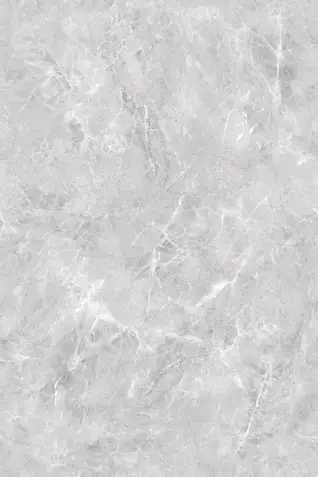

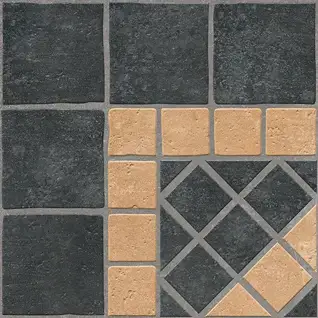
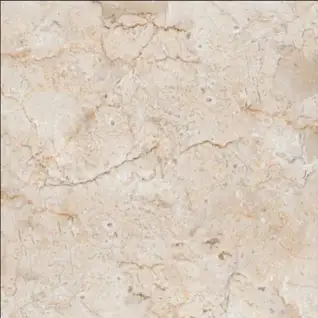

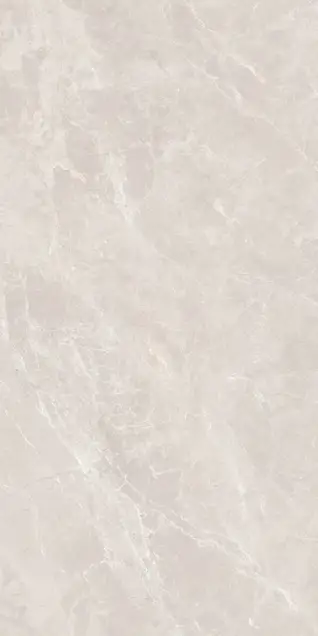

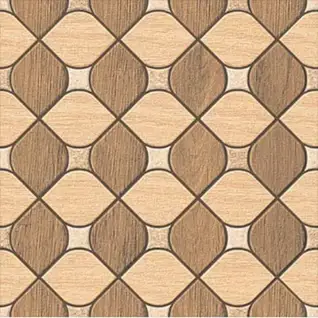

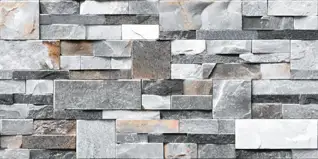
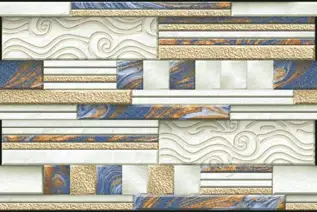
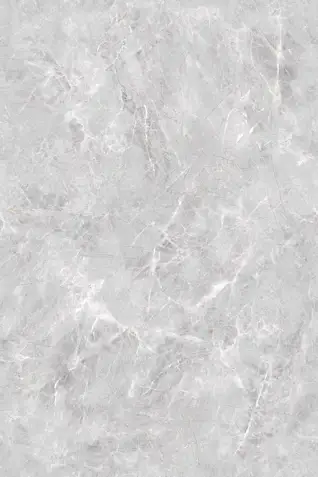

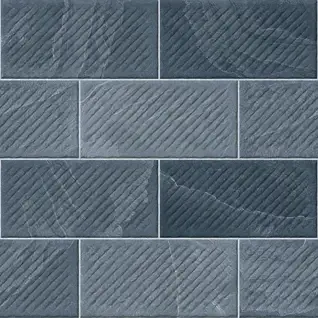
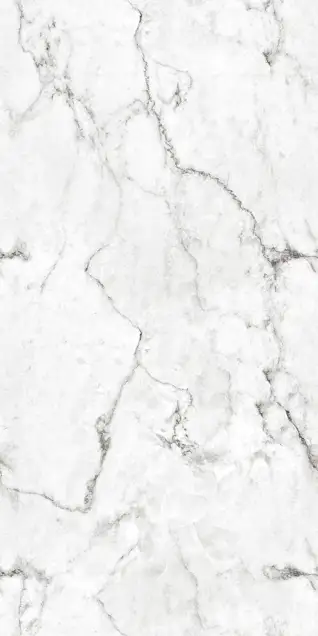

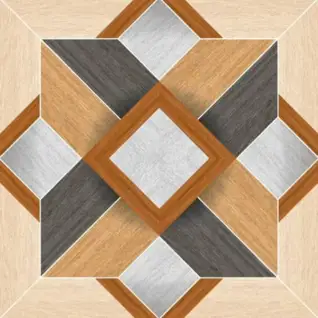

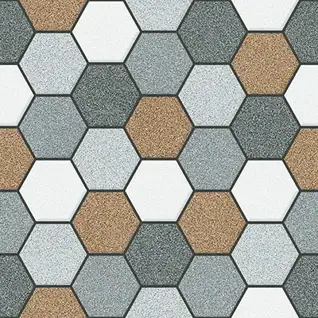

Tile design is one of those decisions that sounds straightforward until you are standing in a showroom with 400 samples and no clear way to compare them. The tile you choose for a living room floor stays there for 15 to 20 years. The one on a bathroom wall faces soap, steam, and cleaning agents every single day. The one on the house front elevation handles monsoon rain, direct summer sun, and temperature swings of 30°C between morning and afternoon. Getting the design right means getting three things right at the same time: how it looks, which category it belongs to (and whether that category is correct for the surface), and what it costs. This page covers all three. Tile designs in India are available from Rs. 20 per sq.ft for ceramic wall tiles up to Rs. 350 per sq.ft for large-format vitrified slabs.
How to Read a Tile Design Before You Buy
Most tile buyers in India choose based on images alone. That works for shortlisting, but it breaks down at the buying stage because two tiles that look identical in a photo can belong to completely different categories with different technical performance, different correct surfaces, and a price difference of Rs. 60 to Rs. 100 per sq.ft.
Every tile design on this platform carries five pieces of information that matter before you place an order.
Category tells you what the tile body is made of. GVT, PGVT, double charge, full body, colour body, porcelain, ceramic, and nano are the nine categories on this platform. Each has a different water absorption rate, different correct surfaces, and a different price range. Two tiles can look identical but one may be GVT (correct for outdoor walls) and the other may be PGVT (must not go on any wet or outdoor surface).
Finish tells you what the surface feels and behaves like. A glossy finish cleans easily but shows footmarks. A matte finish hides dust but is harder to wipe clean if there is oil contact. A rain drop or GHR finish, gives anti-skid performance for wet floors. The finish determines where the tile can safely go, not just how it looks.
Size determines how the tile feels at room scale. A 2x4 (600x1200mm) tile and a 2x2 (600x600mm) tile can carry the same design. On a 12x14 ft living room floor, the 2x4 version creates roughly half as many grout lines and reads as a larger, more continuous surface.
Look is the design language: marble, stone, wood, cement, monochrome, Moroccan, geometric, and so on. This is the visual shorthand that most buyers start with, and it is the right place to start, as long as the category and finish filter is applied after.
Price in India varies by all of the above. The same marble look is available in ceramic (Rs. 25 to Rs. 60 per sq.ft), GVT (Rs. 55 to Rs. 110 per sq.ft), and PGVT (Rs. 70 to Rs. 160 per sq.ft). The look is similar. The category, correct surface, and price are very different.
Tile Design for Floor: What Works Room by Room
The floor tile design choice changes based on the room it goes into and who uses it. Here is a room-by-room breakdown of what actually performs well in Indian homes.
Living Room and Hall Floor Tiles Design
The most popular tile design for living room floors in India right now is a marble-look GVT or PGVT in 2x4 (600x1200mm) size with glossy or polished finish. White, ivory, and light grey marble patterns are the most ordered colours. These reflect light and make the hall feel larger. The glossy finish shows footprints more than a matte finish, but most homeowners accept that trade-off for the look. The 2x4 format is the right choice for rooms above 120 sq.ft. Below 120 sq.ft, a 2x2 (600x600mm) is easier to lay correctly.
Kitchen Floor Tile Design
The kitchen floor needs a matte or sugar finish regardless of the design you choose. Any glossy or polished tile on a kitchen floor becomes a slip hazard the moment oil or water touches it, which in an Indian kitchen is several times a day. The most practical kitchen floor tile designs in India are stone-look and cement-look GVT in matte finish at 2x2 (600x600mm). These hide grime between cleanings, clean easily with a standard floor cleaner, and stay looking consistent year after year.
Bathroom Floor Tile Design
Anti-skid performance is non-negotiable on a bathroom floor. Rain drops, matte, and GHR finish tiles are the correct choices. The designs that work best are simple: light grey stone-look, white marble-look, and subtle geometric patterns in matte finish. Avoid highly patterned or dark-coloured tiles on bathroom floors because they make small bathrooms feel visually smaller and show soap residue marks more clearly.
Bedroom Floor Tile Design
The bedroom floor has the least technical restriction of any indoor surface. No water contact, no slip risk, no heavy load. This is where matte carving, satin matte, posh, and wood-look tile designs perform best. These finishes have low reflectivity and a calm visual character that works better in a sleep space than a polished marble-look floor would. Wood-look GVT in 2x4 size is one of the most searched tile designs for bedroom floors in India.
Parking and Outdoor Floor Tile Design
Only vitrified tiles with water absorption below 0.5% per IS 15622 are permitted for outdoor and parking floors. Stone-look GHR finish GVT in 400x400mm or 500x500mm size is the most widely used tile design for car parking areas in India. The GHR finish gives physical texture that performs well on anti-skid even when the floor is wet.
Tile Design for Wall: Surface by Surface
Wall tile design choices follow different rules from floor tiles. The slip-resistance requirement is removed, opening up more finish options. But the cleanability and surface-contact requirements vary depending on which wall it is.
Kitchen Wall Tile Design
The wall directly behind the hob and counter needs a glossy, high-glossy, or polished finish regardless of the design. In Indian kitchens where mustard oil, ghee, and deep-frying are daily practices, the backsplash wall accumulates baked-on oil deposits. Only a smooth, glossy surface releases these with a degreaser without staining. Subway tile patterns and large-format marble-look GVT panels are the two most popular kitchen wall tile design approaches in India right now. The subway pattern in ceramic, 12x18, glossy white, is the most affordable kitchen wall tile design, priced at Rs. 20 to Rs. 45 per sq.ft.
Bathroom Wall Tile Design
Bathroom walls are in contact with soap film, water, and cleaning agents daily. Glossy ceramic in 12x18 (300x450mm) or 12x24 (300x600mm) is still the most widely used bathroom wall tile in India because it is affordable, cleans easily, and is available in hundreds of colours and patterns. The shift toward larger-format bathroom wall tiles (2x4 PGVT panels) is a visible design trend in Indian flat renovation projects from 2022 onward. A single 2x4 polished marble-look panel on the wall facing the shower or entry gives a hotel-like look at around Rs. 80 to Rs. 140 per sq.ft.
Living Room Feature Wall Tile Design
The TV wall or the wall opposite the main seating is increasingly being tiled in Indian homes rather than painted. A 2x4 or 32x48 PGVT tile in a marble or stone design, fixed floor to ceiling, creates a reflective backdrop that changes how the entire room feels. This is the fastest-growing wall tile design application in Indian residential projects. The contrast between a matte floor and a polished feature wall is a design decision, not just an aesthetic one: the matte floor absorbs footfall sound and hides dust; the polished wall reflects light and makes the room feel larger.
Elevation and Exterior Wall Tile Design
House front elevation tile designs in India use matte, GHR, stucco, and high-depth punch finishes on vitrified tiles. The high-depth punch finish in 12x18 or 12x24 GVT is the most popular exterior wall tile design across independent houses and villas. It creates a textured stone or slate cladding look that holds up through 10 to 15 monsoon seasons without the upkeep that paint or natural stone requires.
Tile Designs for Home: Room Combinations That Work
Choosing tile designs room by room is one thing. Making them feel cohesive across a whole home is a different challenge. Most Indian homes that look well-designed from a tiling standpoint follow one of three approaches.
Approach 1: One Neutral Floor Throughout
The entire flat uses the same 2x4 matte or glossy GVT on every floor: living room, bedroom, kitchen, and foyer. Bathrooms use a matching design in a smaller size with an anti-skid finish. This makes the home feel continuous and larger than it is. Rooms feel connected rather than compartmentalised. This is the most practical and most affordable approach for a flat of 900 to 1,500 sq.ft. Cost: Rs. 55 to Rs. 100 per sq.ft for the common floor tile.
Approach 2: Neutral Floor, Feature Walls
The floor uses a single tile throughout. Feature walls in the living room, master bedroom, and bathroom feature contrasting designs: a marble-look PGVT panel in the living room, a wood-look or stone-look GVT panel in the bedroom, and a glossy large-format tile in the bathroom. The floor acts as a visual anchor, and the feature walls provide design interest without making any room feel cluttered.
Approach 3: Area-specific Design Language
Each room uses a different design approach, matched to its use. The living room gets a large marble-look PGVT floor with minimal grout lines. The kitchen gets a practical stone-look matte floor and a bold geometric or cement-look backsplash. The bathroom gets a monochrome or dark stone-look floor with a light wall tile. This approach requires more planning and a slightly higher budget, but gives each room a distinct character.
All three approaches work across Indian home sizes. The first is most forgiving of budget constraints. The third is most design-intensive.
Unique Tile Designs: What Makes a Design Stand Out
The tile industry produces thousands of designs each season. Most are variations on four or five enduring looks: marble, stone, wood, cement, and geometric. What makes a tile design genuinely stand out is not the pattern itself but the combination of three things: the look, the finish, and the size working together in the correct way for the surface.
A marble-look tile is not unique on its own. A 32x48 bookmatch PGVT marble-look panel with mirror-matched veining, fixed on a feature wall with hairline grout, is a specific design decision that reads as distinctive in an Indian home. The uniqueness comes from the format and fixing approach, not just the image on the tile.
A geometric tile is not unique on its own. A 12x24 geometric GVT in a matte carving finish, installed in a chevron offset layout on a bathroom wall, creates a three-dimensional shadow effect that changes throughout the day as light moves. That is a unique result. The tile is standard. The combination is not.
Unique tile designs on this platform fall into three categories worth exploring specifically: bookmatch tiles (two tiles that mirror-match to create a symmetrical vein pattern), 3D look tiles (surface relief that creates physical depth), and highlighter tiles (a single decorative tile or row used within a field of plain tiles to add detail without covering the whole surface).
Affordable Floor Tiles and Cheapest Tiles in India: Real Price Ranges
One of the most searched questions in the Indian tile market is "affordable floor tiles" or "cheapest tiles", and the answer depends entirely on which surface, which category, and which city you are buying in.
Here is an honest price breakdown by category for Indian market conditions in 2025-26:
| Category | Size | Finish | Price Range | Correct Surface |
| Ceramic | 1x1 (300x300mm) | Matte | Rs. 20 to Rs. 45/sq.ft | Floor (wet areas only) |
| Ceramic | 12x18 or 12x24 | Glossy | Rs. 20 to Rs. 65/sq.ft | Wall only |
| Porcelain | 16x16 or 20x20 | Matte | Rs. 35 to Rs. 90/sq.ft | Floor and wall |
| GVT | 2x2 (600x600mm) | Matte or Glossy | Rs. 45 to Rs. 95/sq.ft | Floor and wall |
| GVT | 2x4 (600x1200mm) | Matte or Glossy | Rs. 55 to Rs. 110/sq.ft | Floor and wall |
| Double Charge | 2x2 or 2x4 | Polished | Rs. 55 to Rs. 110/sq.ft | Dry indoor floor only |
| PGVT | 2x2 to 32x64 | Polished Glossy | Rs. 60 to Rs. 180/sq.ft | Wall and dry indoor floor |
| Full Body | 2x2 or 2x4 | Matte or GHR | Rs. 80 to Rs. 220/sq.ft | Floor, wall, commercial |
| Colour Body | 2x4 to 32x64 | Various | Rs. 90 to Rs. 300/sq.ft | Floor and wall |
The cheapest tiles in India for a living room floor are GVT in a 2x2 matte finish, starting at Rs. 45 per sq.ft. Going below this in a living room means using porcelain (Rs. 35 per sq.ft) or ceramic in 1x1 size, both of which work but have lower scratch resistance over time.
The cheapest tiles for walls are ceramic in 12x18 glossy at Rs. 20 per sq.ft. These are IS 13630-compliant, widely available across India, and the standard choice for kitchen and bathroom walls in budget residential projects.
The perception that affordable floor tiles must look cheap is wrong. A 2x2 GVT in matte stone-look at Rs. 50 per sq.ft looks identical to a 2x2 GVT at Rs. 90 per sq.ft from a design perspective in most rooms. The difference is body density, surface resistance, and warranty period, not the visual outcome.
How to Use the Design Filter on This Page
This page has one of the most detailed tile filter systems in India. Here is how to use it to find the right tile design without spending an hour scrolling.
Start with the area if you know the room. Selecting "Living Room" or "Bathroom" immediately filters to tiles that work for that surface. This removes hundreds of designs that technically cannot go where you need them.
Add Finish next. If the floor needs anti-skid, select matte, GHR, or raindrops. If you want a reflective look for a feature wall, select glossy, high-glossy, or polished. This narrows the pool to designs that fit both the look and the surface requirement.
Add Look last. Marble, stone, wood, cement, geometric, and the rest are the visual families. By the time you reach this filter, you are looking at tiles that are both visually right and technically correct for your surface.
Size and Category filters let you go deeper once you have a shortlist. Size helps you understand how the tile will feel at room scale. The category tells you the exact technical specification, IS standard, and price tier.
The Punch filter is worth knowing if you are looking at wall tiles: plain punch is a standard glazed surface, high-depth punch gives physical texture with a depth of 2.5 to 5mm (wall only), and texture punch gives 0.3 to 1mm depth for a fabric or slate feel.
Final Thoughts Before Choosing Tile Designs
Tile design in India is a decision that affects your home for 15 to 20 years. The design you choose should look right, belong to the correct category for the surface it is going on, and sit within a price range that leaves enough budget for fixing, grout, and wastage. This platform has 9 tile categories, 16 finishes, 16 looks, 15 sizes, and 22 area filters, so you can narrow from thousands of designs to a shortlist of 10 or 20 that are both visually right and technically correct before you contact a dealer. Start with the filter above, or browse by area: living room tiles, bathroom tiles, kitchen tiles, or elevation tiles.
FAQs
Marble-look GVT or PGVT in 2x4 (600x1200mm) with glossy or polished finish is the most popular living room floor tile design in India. White, ivory, and light grey marble patterns are the most ordered. The 2x4 format creates fewer grout lines than 2x2 in the same room, making the floor read as a more continuous surface. Prices start at Rs. 55 per sq.ft for GVT and Rs. 70 per sq.ft for PGVT.
Glossy ceramic in 12x18 (300x450mm) is the most widely used bathroom wall tile design in India, available from Rs. 20 per sq.ft. For a more design-forward look, a 2x4 PGVT marble-look or stone-look panel on the main bathroom wall costs Rs. 80 to Rs. 140 per sq.ft and gives a hotel-like result. The finish on any bathroom wall must be glossy or polished for easy cleaning.
Affordable floor tiles in India start at Rs. 35 per sq.ft for porcelain matte in 16x16 size and Rs. 45 per sq.ft for GVT matte in 2x2 size. These are IS 15622 compliant with water absorption below 0.5% and handle daily cleaning, foot traffic, and mopping without surface degradation. Ceramic 1x1 floor tiles start at Rs. 20 per sq.ft for wet area floors.
GVT in matte, GHR, stucco, or high-depth punch finish is the correct tile design for exterior walls in India. Water absorption must be below 0.5% per IS 15622. Stone-look and slate-look designs in 12x18 or 12x24 high-depth punch GVT are the most popular exterior wall tile designs for Indian houses. Glossy and polished finishes must not be used on exterior walls.
The look filter includes categories like bookmatch, geometric, 3D look, Moroccan, rustic, and highlighter designs that go beyond standard marble and stone looks. Bookmatch tiles mirror-match veining between two tiles for a symmetrical pattern. 3D look tiles have physical surface relief. Highlighter tiles are used as single rows or panels within a field of plain tiles to add detail without covering the whole surface.
Start with the area (which room and which surface: floor or wall). Then check the finish requirement for that surface (matte for wet floors, glossy for cooking walls and bathroom walls, any finish for dry indoor floors). Then choose the look that fits the visual direction of the room. The filter on this page is structured in that order. Area first, finish second, look third. Most tile design mistakes in India happen because buyers skip straight to the look without checking the area and finish first.
Ceramic wall tiles in 12x18 or 12x24 size with glossy finish start at Rs. 20 per sq.ft and are the cheapest tiles for bathroom and kitchen walls in India. For floors, ceramic 1x1 starts at Rs. 20 to Rs. 40 per sq.ft, and porcelain matte in 16x16 starts at Rs. 35 per sq.ft. Both are IS-compliant and widely available from tile dealers across India.
You can browse and shortlist tile designs online through this platform. For buying, you connect directly with the tile dealer listed on each design. Many dealers on the platform supply across multiple cities in India and can arrange samples before bulk orders. The platform does not sell tiles directly; it connects buyers with tile dealers and suppliers.