
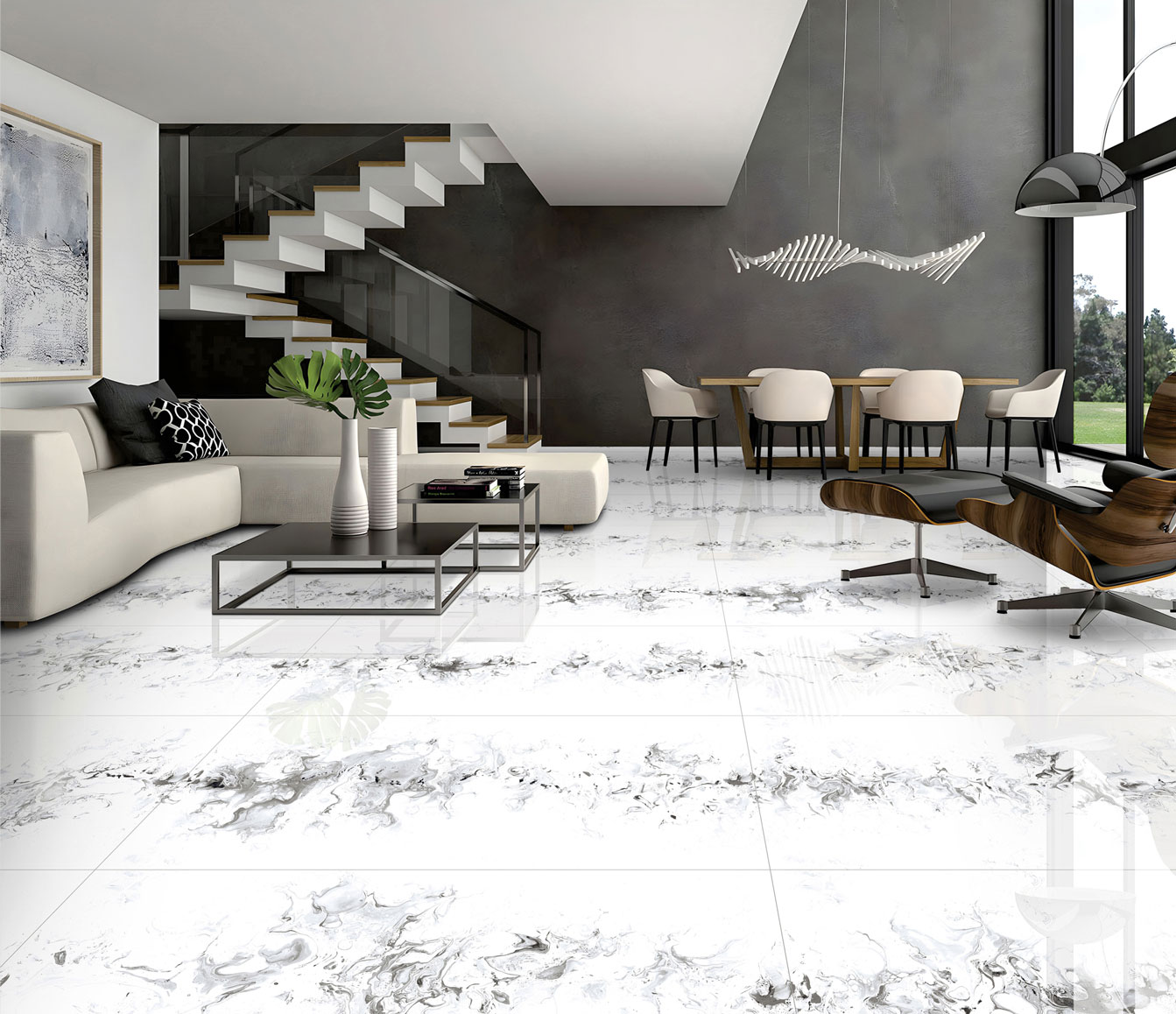
Luxury Living Room Tiles: Designs That Impress Guests
Elevate your living room with luxury tiles that impress. Discover seamless large-format trends, d...


Loading designs...




















The living room is the largest tiled floor in most Indian homes and the one surface that every guest sees first. Living room tiles need to handle daily foot traffic from the whole household, hold their finish under furniture legs and chair movement, and still look composed when the room is at rest. The tile choice here is a long-term decision: a living room tile in a typical Indian home stays in place for fifteen to twenty years, so getting the body type, size, and finish right matters more than it does in any room where the tile is only a backdrop.
The living room is a dry indoor area. It does not face the water exposure of a bathroom, the grease and cleaning chemical exposure of a kitchen, or the foot-borne mud and rain of an entrance passage. This means the tile specification opens up considerably: polished glossy finishes, large-format slabs, and light-coloured surfaces are all practical choices in a dry living room that would not be appropriate in wetter or higher-traffic zones elsewhere in the house.
This page covers the full living room tile decision: which body types are correct for living room floors versus living room walls, how tile size affects the perception of the room, which colour directions are most used in Indian homes today, and what prices to expect for living room floor tiles sourced from Morbi, Gujarat.
Living room floors are dry, indoor, and subject to regular foot traffic. The tile body type decision for a living room floor is primarily about traffic load, surface hardness, and the finish options available in each body type.
Glazed Vitrified Tiles are the most used body type for living room floors in India. GVT absorbs less than 0.05% water, is rated under IS 15622:2006, and is available in every finish used in living rooms: matte, polished glossy, GHR, satin matte, and sugar finish. GVT living room tiles are available in sizes from 600x600mm up to 800x1600mm. The body is hard and scratch-resistant, which handles the chair leg and foot traffic of a living room over many years without surface degradation. Price range: Rs. 40 to Rs. 120 per sq.ft, depending on size, finish, and surface design.
Full body vitrified tiles absorb less than 0.05% water and carry the colour and pattern through the full depth of the tile body. This means a chip or scratch on the tile surface does not expose a different-coloured base beneath. For living rooms with heavy furniture, high foot traffic, or where the floor will be used for many decades without replacement, full-body vitrified tiles are the most durable specification. Available in matte and textured finishes. Price range: Rs. 55 to Rs. 130 per sq ft.
Porcelain tiles for living room floors absorb 2% to 5% water and are harder than ceramic but softer than GVT. They are suitable for light to moderate foot traffic in living rooms and are available in matte and satin matte finishes. Porcelain is a good mid-range option for living rooms in smaller homes or apartments where the traffic load is lower. Price range: Rs. 40 to Rs. 90 per sq ft.
Ceramic tiles are rated under IS 13630 and absorb 12% to 16% water. On living room floors, only 300x300mm ceramic tiles on light-traffic floors are within specification. For the main living room floor in a typical Indian home with regular foot traffic, ceramic wall tiles are better suited to the living room walls rather than the floor. Ceramic in larger sizes and on higher-traffic floors will show surface wear faster than GVT or full-body vitrified. Price range: Rs. 25 to Rs. 70 per sq ft.
PGVT (Polished Glazed Vitrified Tiles) are specified for walls only and must not be used on any floor surface, including living room floors. The polished high-gloss surface of PGVT is not engineered for floor load and does not carry the required slip resistance rating for a floor tile. PGVT in large formats such as 600x1200mm or 800x1600mm is used on living room feature walls and accent panels, where its reflective surface amplifies light and gives the wall a slab-like appearance.
The living room is a dry indoor area, which means the full range of tile finishes is technically available. The practical decision is between appearance and maintenance.
| Finish | Suitable for Living Room Floor? | Visual Character | Maintenance |
|---|---|---|---|
| Polished Glossy (GVT) | Yes | High-shine, reflective, amplifies light and room size | Shows dust and footprints more readily, needs regular cleaning |
| Matte | Yes | Flat, diffused surface, hides dust and minor marks | Very low, easiest to maintain of all living room finishes |
| GHR (Glossy High Relief) | Yes | Textured relief with gloss highlights, stone-like depth | Low to moderate, texture hides dust in recesses |
| Satin Matte | Yes, indoors | Soft sheen between matte and gloss, warm appearance | Low, does not show footprints like full gloss |
| Sugar Finish | Yes, indoors | Fine granular texture, soft light reflection | Low, hides dust well |
| Matte Carving | Yes | 3D carved surface, strong directional shadow lines | Moderate, carved grooves collect dust |
Note: PGVT polished glossy finish must not be used on any floor. On living room walls, PGVT is a valid and commonly used finish.
Tile size in a living room does two things simultaneously: it determines how many grout joints appear across the floor, and it sets the visual scale of the room. Larger tiles with fewer grout lines make a room look bigger. Smaller tiles with more joints add rhythm and pattern but can visually segment a space.
| Tile Size | Trade Alias | Best for the living room | Visual Effect |
|---|---|---|---|
| 600x600mm | 2x2 foot | Compact living rooms, apartments, and traditional layouts | Classic square grid, balanced in smaller spaces |
| 800x800mm | Approx 2.5x2.5 foot | Standard living rooms, moderate-sized Indian homes | Fewer joints, cleaner open read than 600x600mm |
| 600x1200mm | 2x4 foot | Medium to large living rooms | Strong rectangular grid, contemporary, elongates the room visually |
| 800x1600mm | Approx 2.5x5 foot | Large living rooms, open-plan spaces | Very few joints, slab-like floor, maximum sense of space |
| 1200x1800mm | 4x6 foot | High-end, large living rooms, double-height spaces | Almost seamless floor read, architectural-grade finish |
Practical note: Larger format tiles require a flatter, more precisely levelled floor base. 800x1600mm and 1200x1800mm tiles need a full mortar bed with back-buttering to achieve proper coverage and prevent hollow spots. The installation cost per sq. ft. is higher for large-format tiles than for 600x600mm.
Grey is the most used living room tile colour in Indian homes today across all price points and city markets. The appeal of grey is its neutrality: a mid-grey or warm-grey GVT floor tile works with dark wood furniture, white walls, bright upholstery, and almost any curtain or rug colour without competing. Grey living room tiles range from light silver-grey in a polished finish that brightens a lower-light room, to deep charcoal in a matte finish that gives a grounded, contemporary feel to a larger space.
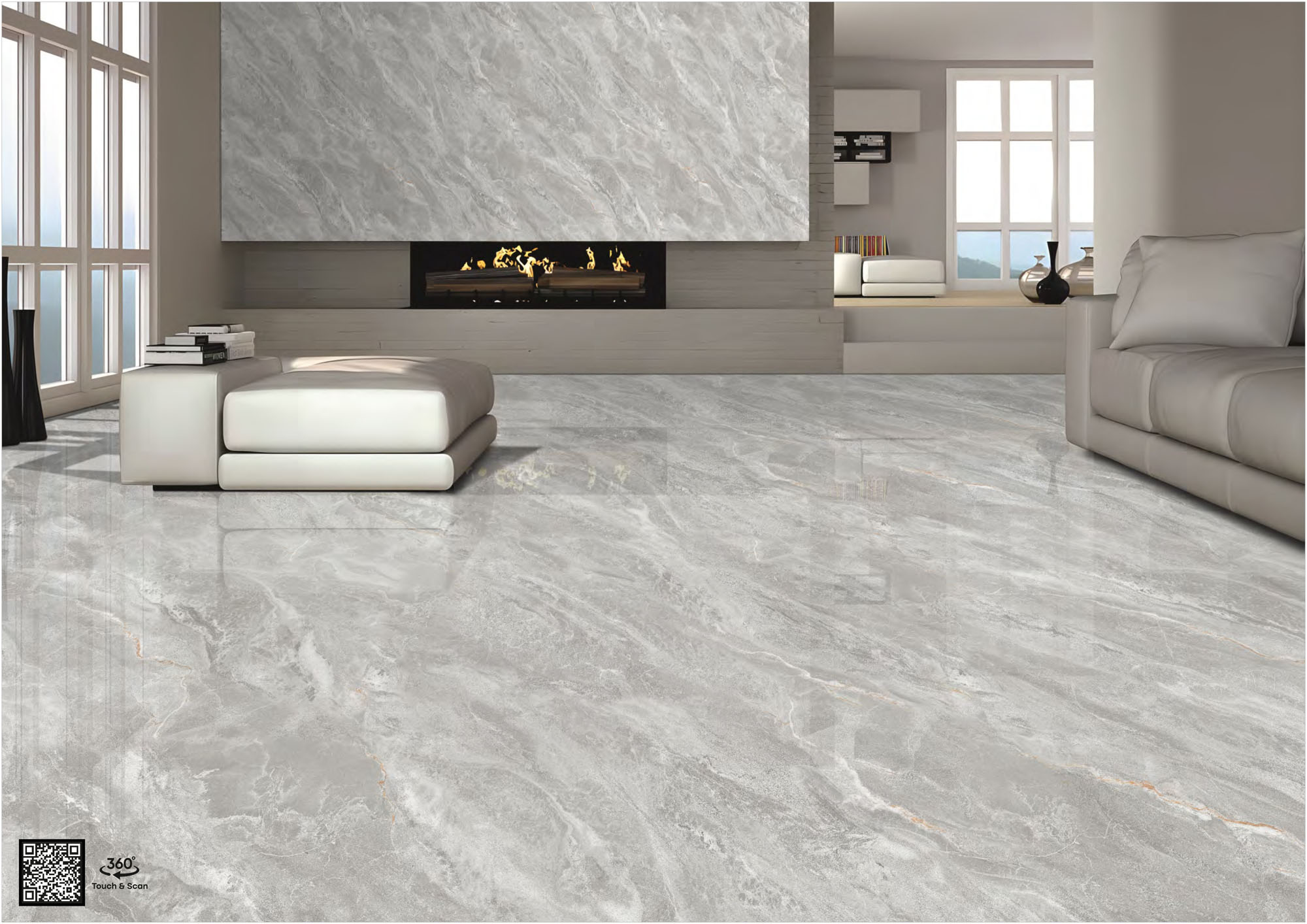
Grey tiles for the living room are most used in 600x1200mm and 800x1600mm formats in polished glossy or satin matte GVT. The large format with minimal grout lines reads as a single grey plane across the floor, which is the contemporary interior look most associated with grey tile living rooms. Price range: Rs. 50 to Rs. 110 per sq.ft for grey GVT in living room sizes from Morbi.
White living room tiles, typically white limestone-look, white marble-look, or plain white GVT in polished or satin matte finish, are the second most popular living room tile colour direction in India. A white or near-white floor tile amplifies natural light and makes any room feel larger and more open. The practical consideration with white tiles in a living room is that they show dust, pet hair, and footprints more readily than grey or beige tiles, which means more frequent sweeping and mopping.
White tiles for the living room work best in homes with large windows and good natural light, where the floor can carry the brightness without looking clinical. For homes with lower ceilings or limited light, a warm ivory or cream tone within the white range is easier to live with than a pure bright white. Price range: Rs. 45 to Rs. 100 per sq ft for white GVT living room tiles in polished or satin matte finish from Morbi.
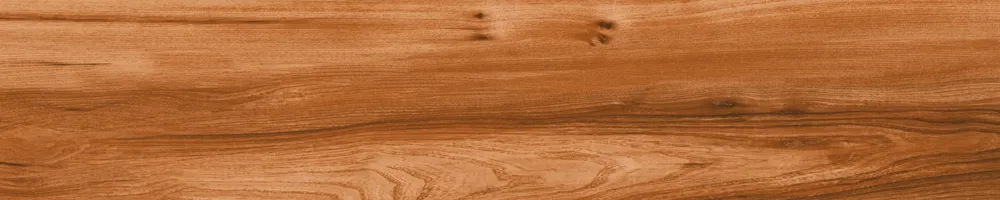
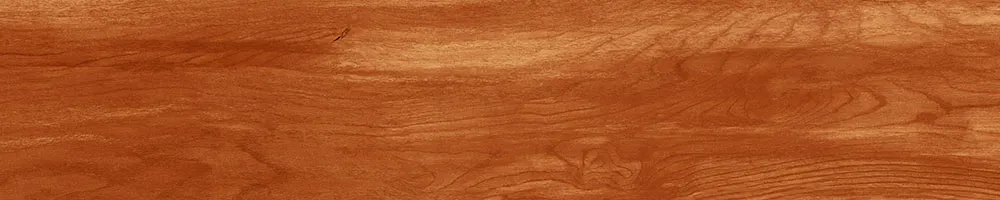
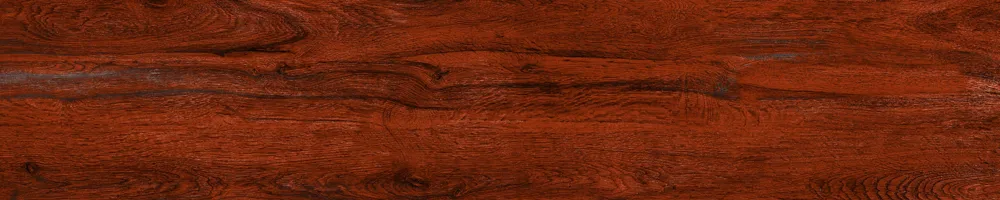
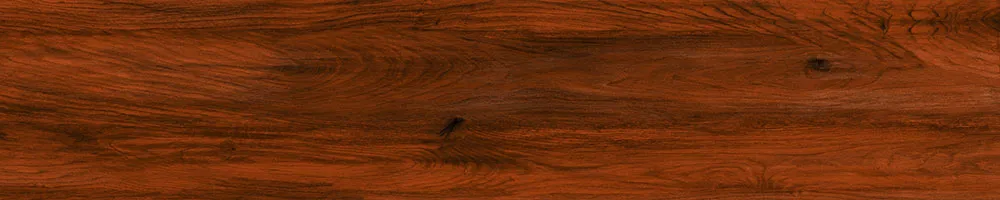
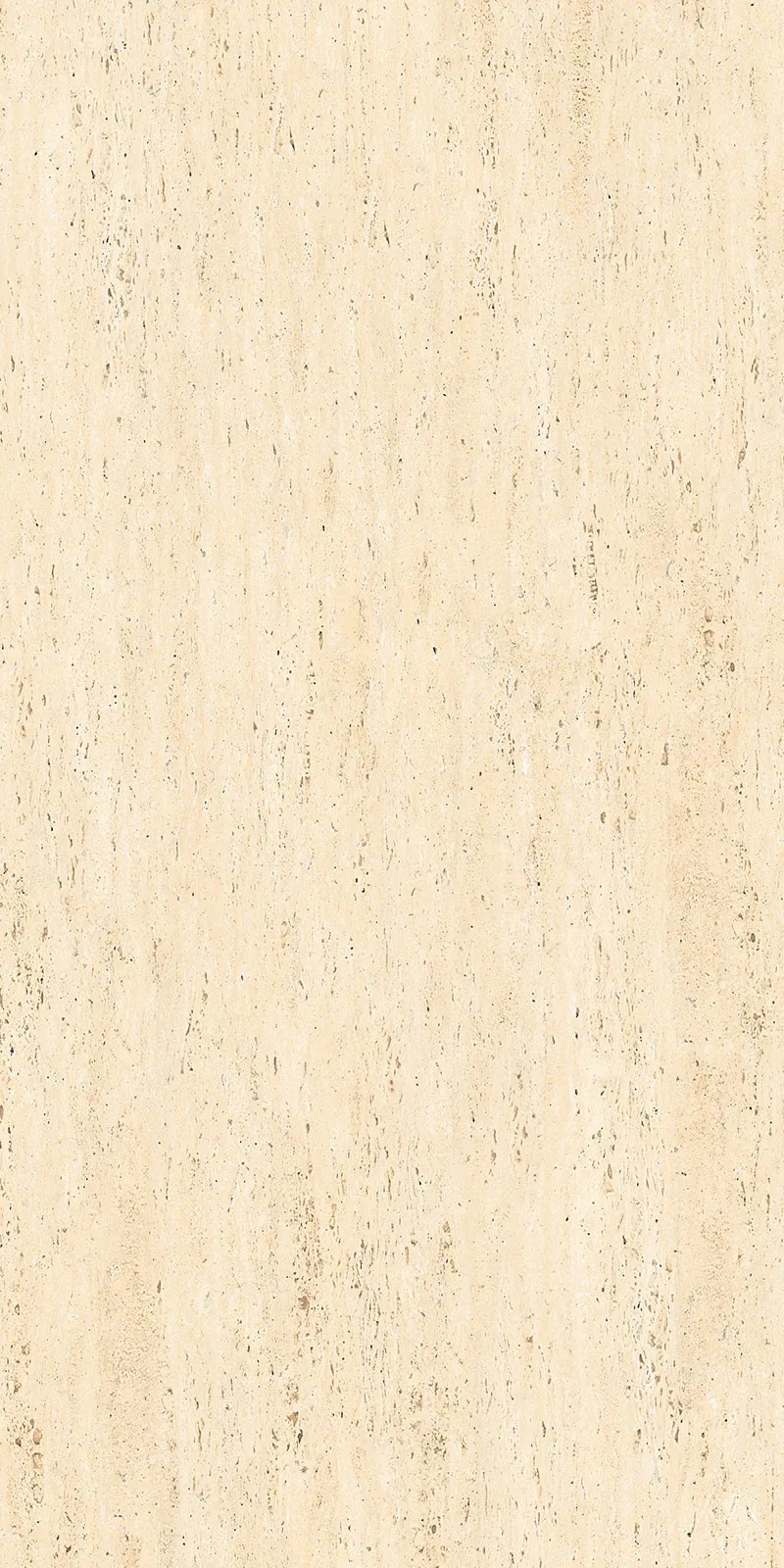
Beige and brown living room tiles are the most used warm-tone direction in Indian residential interiors, particularly in traditional and semi-traditional homes. Beige GVT in a sandstone-look or travertine-look surface brings warmth to the floor without the starkness of white or the coolness of grey. Brown tiles in deeper amber, walnut, or chocolate tones give the living room a richness that works well with dark wood furniture and warm-coloured walls.
Beige tiles for the living room in polished GVT are the most practical warm-tone choice: the polished surface keeps the colour bright and the floor easy to clean. Brown tiles for the living room in matte or satin matte finish have a more informal, grounded quality that suits family living rooms where a high-shine floor would feel out of place. Price range: Rs. 40 to Rs. 95 per sq ft for beige and brown GVT living room tiles from Morbi.
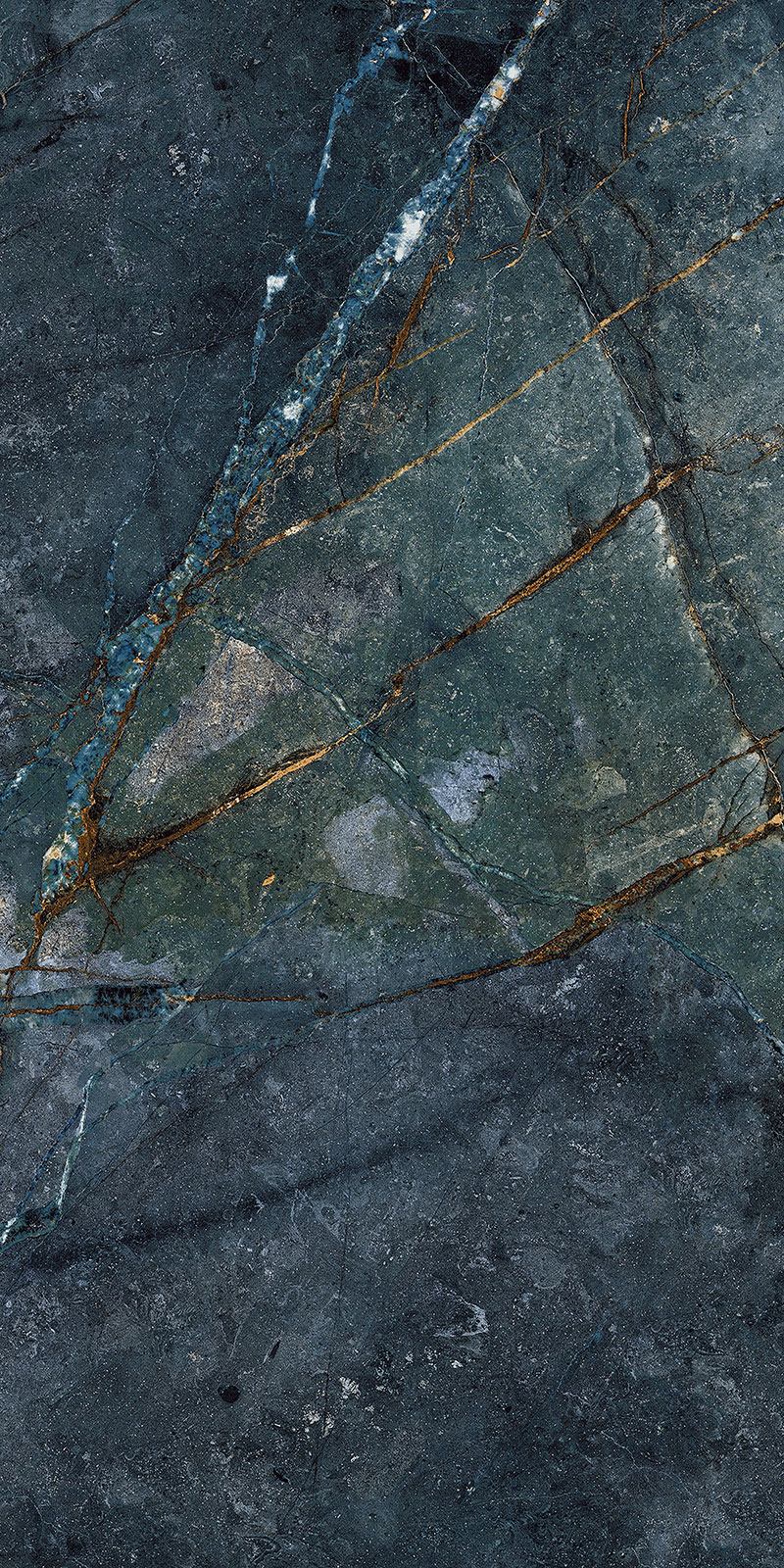
Black living room tiles are used as statement floors in contemporary and high-design Indian interiors. A deep black or near-black GVT tile in polished finish on a living room floor creates a dramatic, high-contrast interior when paired with white walls and light-coloured furniture. In matte finish, black tiles for the living room give a more grounded, architectural quality without the reflective drama of polished black. Black tiles in 600x1200mm or 800x1600mm are the most used formats for black living room floors. Price range: Rs. 55 to Rs. 110 per sq.ft.
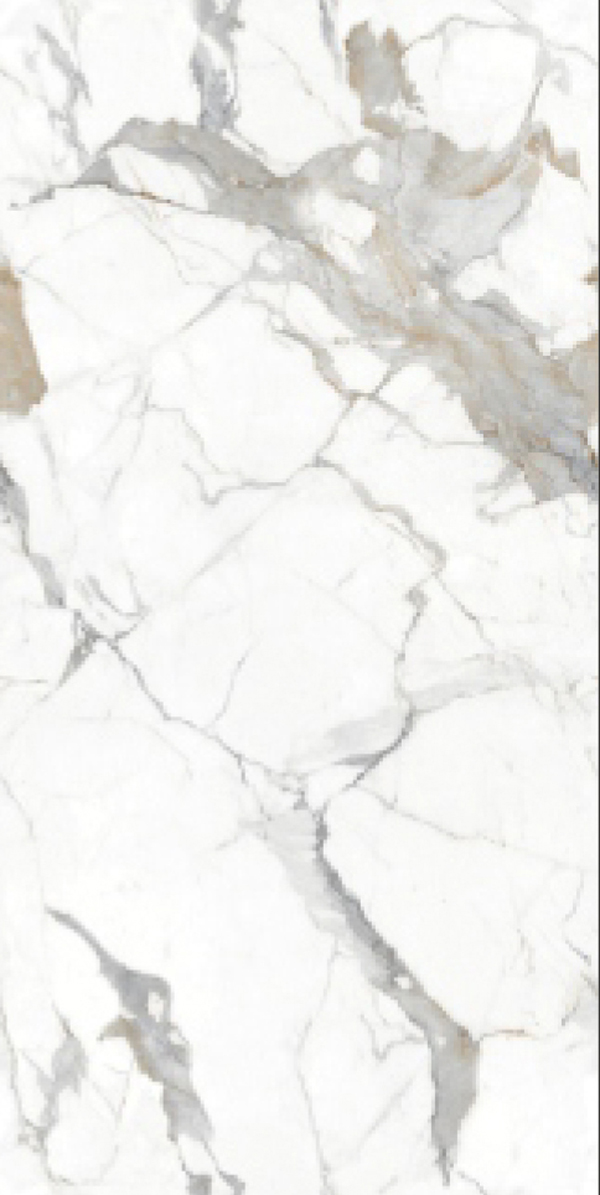
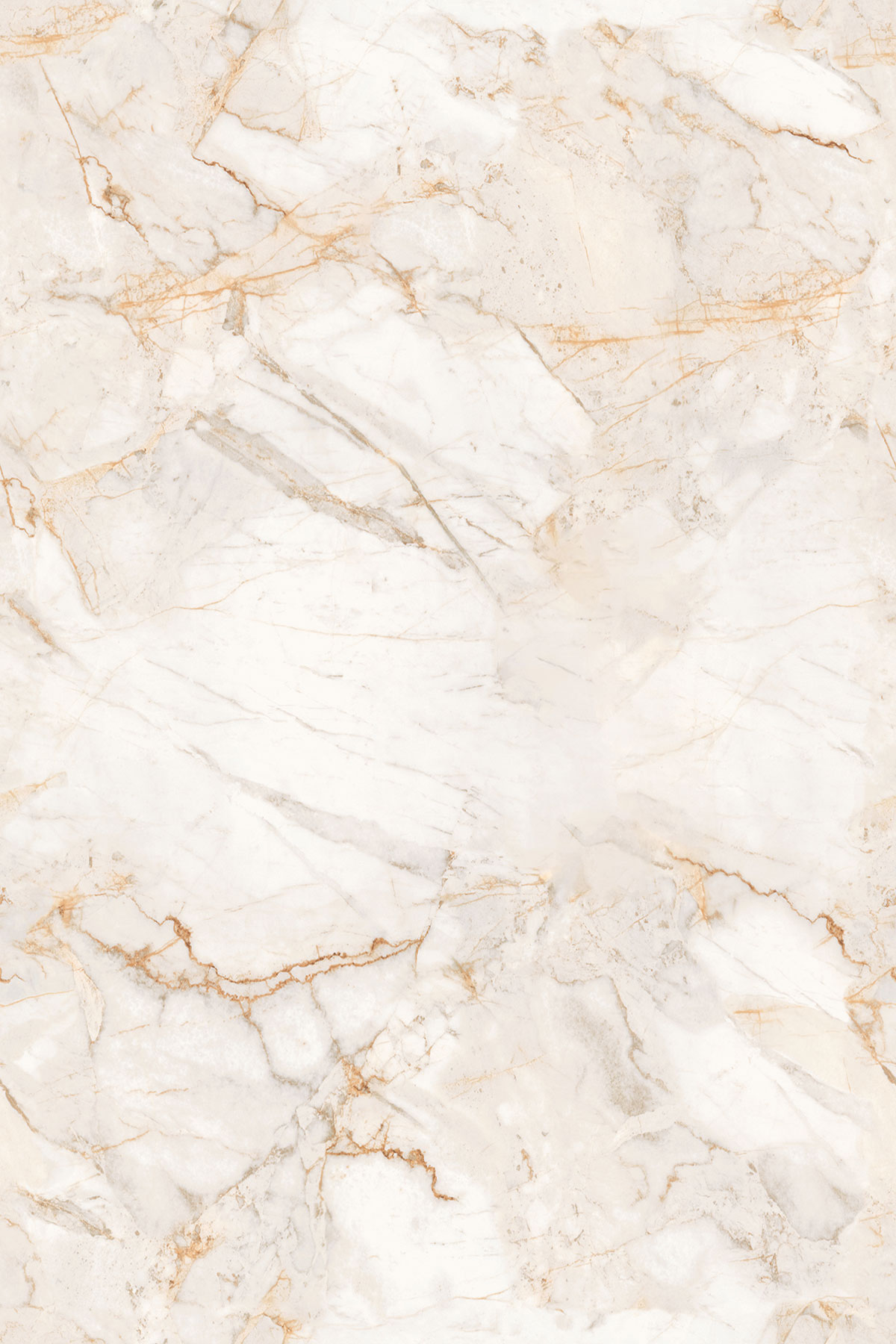
Marble look tiles for the living room are GVT tiles with a digital surface print that replicates the veining, colour variation, and surface character of natural marble. Carrara white with grey veining, Statuario with gold veining, and Nero Marquina black marble are the most replicated patterns in Indian living room tile design. GVT marble-look tiles in polished finish give the living room the visual richness of marble at a fraction of the cost and without the porosity and staining risk of actual stone. Marble look tiles in 800x1600mm format are the most used size for living room marble-look floors in contemporary Indian homes. Price range: Rs. 55 to Rs. 120 per sq ft from Morbi.
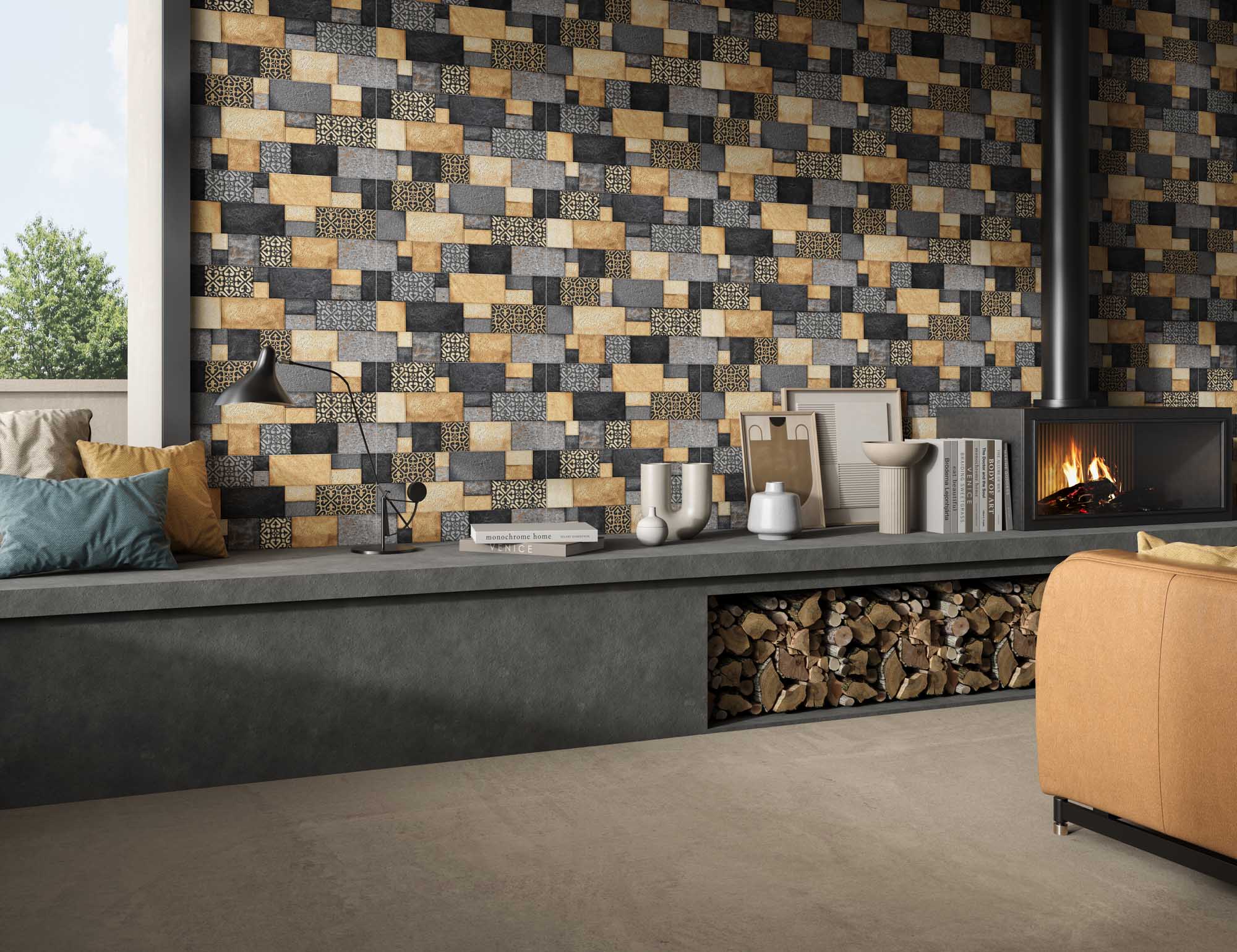
3D tiles in the living room are used on walls, not on the floor. A 3D relief tile on a living room floor would create an uneven surface that collects dirt in the carved grooves and is uncomfortable underfoot. On a living room feature wall, accent panel, or TV back wall, however, a 3D Matte Carving GVT tile creates strong shadow depth that changes with room lighting through the day.
The most common 3D tile application in an Indian living room is a feature wall behind the TV unit or sofa. A 300x600mm or 600x600mm GVT tile in Matte Carving finish on this wall creates a textured backdrop that gives the room a designed quality without requiring any other wall treatment. PGVT in large formats on the same wall gives a more reflective, slab-like feature wall effect. Price range for 3D feature wall tiles: Rs. 55 to Rs. 110 per sq.ft.
Anti-skid tiles for the living room are a frequently searched category, but the actual need for an anti-slip specification on a dry indoor living room floor is lower than most buyers assume. A standard dry living room floor, whether matte GVT, satin matte, or even polished GVT, is not a surface that presents significant slip risk under normal conditions. Polished GVT on a dry living room floor has a coefficient of friction well within safe indoor use parameters.
Anti-slip or textured tiles become genuinely important on wet surfaces: bathroom floors, kitchen floors where water spills are frequent, balcony floors, and outdoor areas. For a living room that remains dry, the choice between matte and polished GVT is a maintenance and aesthetic preference, not a safety specification. If a living room connects directly to an outdoor area, balcony, or wet entry passage, a textured or matte tile at that transition zone is a reasonable precaution. For the main living room floor area itself, any finish-appropriate GVT tile performs adequately.
The most used design directions in Indian living room tile design today follow three broad approaches.
The first is the large-format neutral floor: a 600x1200mm or 800x1600mm GVT tile in light grey, warm white, or cream beige in polished or satin matte finish, laid with tight 1.5mm to 2mm grout joints. This creates an almost seamless floor plane that reads as a single material surface rather than individual tiles. The design effect is contemporary and space-amplifying.
The second is the marble-look floor: GVT marble-look tiles in Carrara white or Statuario pattern in 800x1600mm polished format, sometimes with a book-matched layout where adjacent tiles are mirror images of each other. This gives the living room floor the appearance of a continuous marble slab without the porosity or cost of actual marble.
The third is the two-material floor: a primary neutral tile across the main living room floor area with a contrasting border tile or inlay strip at the perimeter or around a central rug zone. This approach creates a defined living room floor composition that separates the sitting area from the passage zone visually.
GVT living room floor tiles manufactured in Morbi, Gujarat and certified under IS 15622:2006 are the standard specification for Indian residential living room floors. Ex-factory prices from Morbi for GVT living room tiles in standard residential sizes: Rs. 40 to Rs. 60 per sq.ft for 600x600mm in matte or polished finish, Rs. 55 to Rs. 90 per sq.ft for 600x1200mm, and Rs. 70 to Rs. 120 per sq.ft for 800x1600mm in polished or satin matte finish. Marble-look and designer surface GVT tiles at the upper end of these size ranges: Rs. 80 to Rs. 130 per sq.ft.
Retail prices across Indian cities are typically 25% to 40% above ex-factory prices from Morbi, depending on dealer margin and transport distance from Gujarat. Full body vitrified tiles in living room sizes run Rs. 55 to Rs. 130 per sq.ft at retail. Ceramic tiles suitable for living room walls: Rs. 25 to Rs. 70 per sq.ft.
Living room tile selection starts with the floor size, the traffic level, and the natural light available in the room. Browse GVT, full body vitrified, and ceramic living room tiles in grey, white, beige, marble-look, and black on TilesFinders and compare body type, finish, and size options before shortlisting.
GVT (Glazed Vitrified Tiles) in polished glossy or matte finish are the best choice for living room floors in India. GVT absorbs less than 0.05% water under IS 15622:2006, is hard enough for daily foot traffic, and is available in every surface design used in living rooms: marble-look, stone-look, solid colour, and wood-look. Sizes most used for living room floors: 600x1200mm and 800x1600mm. Price range: Rs. 55 to Rs. 120 per sq ft from Morbi.
600x1200mm and 800x1600mm are the most used tile sizes for living room floors in Indian homes today. Larger formats create fewer grout lines across the floor, which makes the room look bigger and the floor more composed. 600x600mm works well in compact living rooms and apartments. 800x800mm is a good middle option for standard-sized Indian living rooms, where 600x1200mm would create too many directional joint lines.
Yes. Polished GVT tiles are suitable for dry indoor living room floors. The living room is not a wet area, so the polished surface does not present a slip concern under normal dry use. The practical trade-off of polished tiles in a living room is that they show dust, footprints, and pet hair more readily than matte or satin matte tiles, which means more frequent cleaning to keep the floor looking its best.
GVT (Glazed Vitrified Tiles) is the correct body type for living room floors. PGVT (Polished Glazed Vitrified Tiles) is specified for walls only and must not be used on any floor, including living room floors. On living room walls and feature panels, PGVT in large formats gives a highly reflective, light-amplifying surface. On living room floors, use GVT in a polished finish if you want a glossy floor, not PGVT.
Anti-slip tiles are not a necessary specification for a dry indoor living room floor under normal conditions. Standard GVT in matte, satin matte, or polished finish all perform safely on a dry living room floor. Anti-slip or textured tiles become important in wet areas such as bathrooms, kitchen floors, balconies, and outdoor spaces. If the living room connects directly to a wet entry area or balcony, a textured or matte tile at that transition zone is a reasonable choice.
Grey, white, and beige are the three most used living room tile colours in Indian homes. Grey GVT in polished or satin matte finish is the most popular current choice for its neutrality and low-maintenance character. White and ivory tiles work well in brighter rooms with good natural light. Beige and warm brown tones suit traditional and semi-traditional living rooms. Black tiles are used for high-contrast contemporary interiors. The right colour depends on the room's natural light, wall colour, and furniture palette.
Marble look tiles for the living room are GVT tiles with a digital surface print that replicates the veining and colour of natural marble. They give the living room floor the visual richness of marble at a fraction of the cost and without the porosity and staining risk of actual stone. GVT marble-look tiles in polished finish, 800x1600mm format, are the most used option for living room marble-look floors in India. Price range: Rs. 55 to Rs. 120 per sq ft from Morbi.
Ceramic tiles rated under IS 13630 with 12% to 16% water absorption are suitable for living room walls and for light-traffic living room floors in 300x300mm format only. For the main living room floor in a typical Indian home, GVT or full-body vitrified tiles are the correct specification. Ceramic tiles in larger sizes on living room floors will show surface wear faster than vitrified options under regular household foot traffic.