

Wall Tiles for Indian Homes: Sizes, Finishes, and Feature Wall Designs
Loading designs...
-
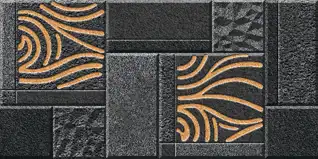
BARLIN O1 300x600mm -

AMERICAN WALNUT 200x1000mm -
URBAN ROCK_11_R1 300x600mm -
URBAN ROCK_02_R1 300x600mm -
EARTHSTONE 07_A 300x600mm -
20933-L 300x450mm -
20933-HL2 300x450mm -
20933-HL1 300x450mm -
20933-D 300x450mm -
20932-HL2 300x450mm -
20932-HL1 300x450mm -
20932-L 300x450mm -
20931-HL-2 300x450mm -
20931-HL-1 300x450mm -
20931-L 300x450mm -
20930-L 300x450mm -
20930-HL-2 300x450mm -
20930-HL-1 300x450mm -
20930-D 300x450mm -
20929-HL-2 300x450mm

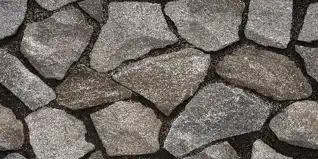
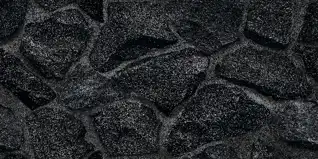
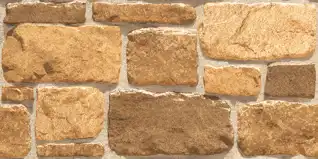









Wall tiles protect surfaces from moisture, heat, and daily wear while giving rooms a clean, finished look. From bathrooms and kitchens to living room feature walls and bedroom accent sections, the right wall tiles make a practical difference. In India, wall tiles come in ceramic, porcelain, GVT, and PGVT body types, and in sizes ranging from compact 12x18 for bathroom walls to large 32x64 for statement living room walls. Finishes include glossy, matte, sugar, stucco, and matte carving, each suited to different spaces and lighting. This page covers all wall tile options at Tilesfinders, along with size guidance, finish comparisons, and wall tiles price ranges for the Indian market.
Wall Tiles by Room: The Right Tile for Each Space
Different rooms need different wall tile types. Choosing by room first saves time and avoids costly mistakes.
Bathroom Wall Tiles
Bathrooms need tiles that handle daily moisture, steam, and cleaning. Ceramic wall tiles work well here because they absorb very little through the glaze and are easy to clean. For a more polished look, PGVT tiles in sizes like 2x4 or 32x64 give bathroom walls a sharp, reflective finish. Glossy finishes are the most popular choice for bathroom walls because they reflect light and resist water stains.
Popular bathroom wall sizes: 12x18, 12x24, and 2x4. You can browse the full range in our bathroom tiles section.
Note: Glossy and polished finishes should not be used on bathroom floors as they are slippery when wet. Use them only on walls.
Kitchen Wall Tiles
Kitchen walls need tiles that can take heat, oil, and daily spills. Glossy ceramic tiles in 12x18 or 12x24 are the most common choice for kitchen backsplash walls in Indian homes. They clean easily and hold up well against cooking stains. For a more textured look, matte carving tiles add depth without showing every fingerprint. Sugar finish tiles, with glossy drops on a matte base, also work well in kitchens.
For kitchen walls and backsplash areas, see our full range of kitchen tiles.
Living Room Feature Wall Tiles
The living room accent wall calls for tiles with a stronger visual presence. Large-format GVT or PGVT tiles in 2x4, 32x48, or 32x64 sizes give living room walls a clean, spacious look. Marble look and stone look designs are the most chosen options for TV unit walls and entrance-facing walls. Matte carving and stucco finishes add texture and shadow depth, which makes them well-suited for feature wall tiles in living rooms.
Bedroom Wall Tiles
Bedrooms work best with calmer tile choices. Matte finish tiles in soft colours, wood look designs, or light stone patterns give bedroom walls a settled look. A single-wall accent behind the bed using a matte carving or GHR finish tile in 2x4 or 32x64 adds character without making the room feel heavy.
Decorative Wall Tiles: Feature Walls, Accent Sections, and Elevation
Decorative wall tiles are used when a plain surface will not do. They are chosen for areas where the wall itself is meant to draw attention: behind a TV unit, above a sofa, at a building entrance, or as a bathroom feature wall.
The most popular types of decorative wall tiles at Tilesfinders include:
- Marble look tiles in large formats for a formal, high-impact look
- Stone look tiles in matte or GHR finish for a natural, textured wall
- Matte carving tiles with glossy veins pressed into the surface
- Stucco finish tiles with a cement-plaster surface for an industrial style
- Mosaic and geometric tiles for bathroom feature walls or pooja room walls
- 3D look tiles with raised surfaces for entrance walls and elevation sections
Feature wall tiles work best when they cover one wall or a defined section rather than the whole room. This gives the wall focus without making the space feel closed. For marble look options, the marble look wall tiles page covers the full range. For stone and cladding styles, the stone look wall tiles page has the options.
Elevation Wall Tiles
Elevation tiles cover building facades, compound walls, and exterior accent areas. They come with embossed, carved, or textured surfaces that create a shadow-and-depth effect on the wall face. High-depth punch tiles in a 12x24 size are used specifically for elevation and cladding. These tiles are fixed on walls only and must never be laid on floors.
Note: High-depth punch tiles are available only in 12x18 and 12x24 sizes. They are strictly for wall cladding and elevation. Do not use them on floors.
Wall Tile Sizes: How Size Changes the Look of a Room
Size has a direct effect on how a room looks. Smaller tiles add detail and texture. Larger tiles reduce the number of grout lines and make walls look cleaner and more open. Here is how the main wall tile sizes work in Indian homes.
| Size | Preferred Alias | Wall Use | Floor Use | Constraint |
| 300x450 mm | 12x18 | Yes | No | NEVER on floors |
| 300x600 mm | 12x24 | Yes | No | NEVER on floors |
| 600x600 mm | 2x2 | Yes | Yes | None |
| 600x1200 mm | 2x4 | Yes | Yes | None |
| 800x1200 mm | 32x48 | Yes | Yes | None |
| 800x1600 mm | 32x64 | Yes | Yes | None |
| 1200x1800 mm | 6x4 (slab) | Yes | Yes | Do not use the word 'porcelain' for this size |
For compact bathrooms, 12x18 and 12x24 are the most practical choices because they tile around fittings with less cutting waste. For living room walls and feature walls, 2x4 and 32x64 create a more open and spacious look. For large-format feature walls and entrance slabs, the 6x4 slab format gives dramatic, near-seamless coverage.
A quick practical guide: for walls under 8 feet tall, stick to tiles up to 2x4. For walls 9 feet and above, 32x64 or slab formats look more proportionate. You can see 300x600 mm wall tiles and 600x1200 mm large wall tiles in the size pages.
Wall Tile Materials: Ceramic, Porcelain, GVT and PGVT Explained
The body type (material category) of a wall tile determines its water resistance, weight, strength, and price. Here is how the main types compare for wall use.
| Category | Water Absorption | Best for Walls | Available Sizes |
| Ceramic | 12% to 16% | Bathroom, kitchen, utility walls | 12x18, 12x24, 1x1 |
| Porcelain | 2% to 5% | Bathroom and kitchen walls | 1x1, 2x2, 2x4, 8x40 |
| GVT | 0.05% | All interior walls, feature walls | 2x2, 2x4, 32x48, 32x64 and above |
| PGVT | 0.05% | Bathroom walls, living room accent walls | 2x2, 2x4, 32x48, 32x64 and above |
| Full Body | 0.05% | Exterior walls, elevation cladding | 2x2, 2x4, 32x64, 6x4 and above |
Ceramic tiles, made as per IS 13630, are the most used wall tiles in Indian bathrooms and kitchens. They absorb between 12% and 16% water, but this is fine for walls where standing water is not an issue. For shower walls and consistently wet surfaces, porcelain tiles with 2% to 5% water absorption are a stronger option.
GVT and PGVT tiles, tested under IS 15622, absorb only 0.05% water and are the correct choice for large feature walls, living room accent walls, and any wall where strength and finish quality both matter. [GVT tiles for walls](/category/glazed-vitrified-tiles) come in a wide range of looks and sizes. [PGVT tiles](/category/pgvt-tiles) have a polished surface and are best for bathroom walls and formal living spaces.
Note: PGVT tiles must not be used on wet floors. They are polished and slippery when wet. Use PGVT on walls only in bathroom and living room settings.
Full body tiles, which have colour running through the entire tile body, are the best choice for exterior walls and elevation cladding where edges may be visible or where abrasion from weather is a concern. Ceramic wall tiles are the starting point for most residential wall projects.
Finishes for Wall Tiles: What Each Finish Looks Like and Where It Works
The finish on a wall tile changes both the look and the practicality of the installation. Here is a clear comparison of the main finishes used on walls in India.
| Finish | Look / Feel | Works Best For | Avoid |
| Glossy / Polished Glossy | Bright, reflective | Bathroom walls, kitchen walls | Wet floor areas |
| Matte | Soft, flat finish | Living rooms, bedrooms, feature walls | Nothing major |
| Matte Carving | Matte with glossy carved lines | Feature walls, elevation walls | Nothing major |
| Sugar | Glossy drops on matte base | Bathroom and kitchen walls | Nothing major |
| Stucco | Cement-plaster look | Feature walls, industrial look rooms | Nothing major |
| GHR (Glaze High Resistance) | Stone-like textured surface | Elevation walls, outdoor walls | Nothing major |
| Glossy Carving (Rocker) | Grooved veins on polished surface | Accent walls, TV unit walls | Hard to clean in grooves |
Glossy and polished glossy finishes are the best choice for bathrooms and kitchens because they reflect light, resist stains, and clean with a damp cloth. For living rooms and bedrooms, matte finishes look more current and do not show marks easily. For exterior walls and elevation use, GHR finish tiles hold up well against sunlight, rain, and dust.
Note: Satin matte finish is very slippery when wet. Do not use satin matte tiles on any floor in wet areas. It is fine for dry walls.
Wall Tiles Price in India: Range by Material and Size
Wall tile prices in India vary by body type, size, finish, and brand. The table below gives indicative ranges based on current Indian market data. Prices vary by region, brand, and quantity. These are estimates only.
| Material / Type | Price Range (per sq.ft) | Best Use on Walls |
| Ceramic wall tiles | Rs. 25 to Rs. 50 | Bathrooms, kitchens, utility areas |
| Porcelain wall tiles | Rs. 32 to Rs. 60 | Bathrooms, kitchen walls, shower walls |
| GVT wall tiles | Rs. 35 to Rs. 75 | Living rooms, bedrooms, feature walls |
| PGVT wall tiles (2x4, 32x64) | Rs. 45 to Rs. 120 | Bathroom walls, living room accent walls |
| Large-format slab tiles (6x4 and above) | Rs. 60 to Rs. 200 | Feature walls, entrance walls, TV unit walls |
| Decorative / third-fired tiles | Rs. 100 to Rs. 300 | Feature walls, accent sections, pooja room walls |
The biggest factor in price is body type. Ceramic tiles in standard sizes cost Rs. 25 to Rs. 50 per sq.ft and covers most residential bathroom and kitchen wall needs well. GVT and PGVT tiles range from Rs. 35 to Rs. 120 depending on size and finish. Large wall tiles in slab formats start at Rs. 60 and go above Rs. 200 for designer collections.
Finish also affects price. GHR and matte carving finishes sit at the higher end within each category. Plain matte and standard glossy finishes are the most budget-friendly choices within any tile body type.
Brand and quality grade also affect the final cost. Established Indian tile brands maintain consistent sizing and colour matching across batches, which matters for large wall areas. Generic or unbranded tiles may be cheaper, but are harder to match if you need extra tiles later.
How to Choose the Right Wall Tiles for Your Home
Choosing wall tiles does not need to be complicated if you follow a simple sequence.
- Start with the room. Bathroom walls need water-resistant tiles. Living room feature walls need a visual statement. Kitchen walls need easy-clean finishes.
- Choose the size next. Smaller rooms look better with 12x18 or 12x24. Larger rooms and feature walls benefit from 2x4, 32x64, or slab formats.
- Pick the finish based on lighting and use. Bright rooms work well with matte. Dark rooms benefit from glossy or polished glossy tiles that reflect light.
- Set a budget range per sq.ft before you browse. This narrows the body type options quickly.
- Order 5% to 10% extra material to account for cutting waste and future repairs.
If your wall tile project includes both wet areas and dry areas, use two different tile types rather than one compromise tile across both.
Browse Wall Tiles at Tilesfinders
Tilesfinders lists wall tiles from manufacturers across Morbi and other Indian tile production centres. You can filter by size, finish, body type, look, and colour to find the right tile for your project. Each design page shows technical details, including size, finish, body type, and available collections.
Once you shortlist designs, use the nearby showroom locator to find a dealer in your city who carries the same collections. This way you can see the actual tile before ordering.
Tilesfinders lists wall tiles across all body types, sizes, finishes, and looks in one place. You can compare designs, check technical specs, and shortlist options before visiting a showroom. Use the city locator to find nearby dealers who carry the collections you have shortlisted. All tiles listed follow IS 15622 and IS 13630 standards, and wall tile prices shown reflect current Indian market rates. Prices vary by brand, region, and order size.
FAQs
Ceramic tiles in 12x18 or 12x24 sizes are the most practical choice for Indian bathroom walls. They are light, easy to fix, and clean well. For a more polished finish, GVT or PGVT tiles in 2x4 size work well on bathroom walls. Water absorption for ceramic tiles is 12% to 16%, which is fine for walls. For shower walls with direct water contact, porcelain tiles with 2% to 5% water absorption are a better fit.
For a bathroom under 40 sq.ft, 12x18 or 12x24 tiles keep cutting waste low and tile proportions balanced. Avoid tiles above 2x4 in very small bathrooms as large tiles require precise wall flatness and can be tricky to cut around fittings. If you want a slightly more open look without going large, 2x2 tiles with a glossy finish reflect more light and make the space feel brighter.
Glossy finish ceramic or porcelain tiles are the most practical for Indian kitchen walls. They resist oil and masala stains, and clean quickly with a damp cloth. Matte carving and sugar finish tiles also work in kitchens but need slightly more effort to clean around the textured areas. Avoid polished sugar and glossy carving finishes in heavy Indian cooking environments as the grooves are hard to keep clean.
Decorative wall tiles are tiles with patterns, textures, or 3D surfaces used in specific areas to create visual interest. They are commonly used for living room feature walls, TV unit walls, entrance walls, bathroom accent sections, and pooja room walls. Popular options include marble look tiles, stone look tiles, matte carving tiles, and geometric designs. They are normally used on one wall or a defined wall section rather than across the full room.
Wall tiles price in India starts from Rs. 25 per sq.ft for basic ceramic tiles and goes up to Rs. 300 per sq.ft or more for designer decorative tiles. Standard GVT tiles used for living room walls fall between Rs. 35 and Rs. 75 per sq.ft. Large format slab tiles for feature walls range from Rs. 60 to Rs. 200 per sq.ft depending on size and brand. Prices vary by region, brand, and order quantity.
PGVT tiles can be used on bathroom walls without any issue. They have 0.05% water absorption and a polished finish that looks sharp in bathroom settings. PGVT tiles must not be used on bathroom floors or any wet floor surface because the polished finish is slippery when wet. If you want to match the wall and floor look, pair PGVT walls with a matte or GHR finish floor tile in the same colour family.
In the Indian tile market, tiles above 600x600 mm (2x2) are generally considered large format for wall use. The most popular large wall tiles are 600x1200 mm (2x4) and 800x1600 mm (32x64). Slab format tiles starting from 1200x1800 mm (6x4) are used for feature walls and entrance areas. These large wall tiles are available in GVT, PGVT, Full Body, and Colour Body categories. They need flat, well-prepared walls for a straight finish.
High Depth punch tiles (with 2.5 to 5 mm surface depth) are used for both exterior elevation walls and interior feature wall cladding. They are available in 12x18 and 12x24 sizes. These tiles create a strong stone or brick texture effect and are chosen for building facades, compound walls, living room accent walls, and entrance walls. High Depth punch tiles must never be laid on floors because their uneven depth surface creates a tripping risk.