

Balcony Tiles: Floor, Design and Specification Guide for Indian Homes
Loading designs...
-
 AMERICAN WALNUT
 -
 7007
7007 -
7038
-
7039
-
7040
-
7041
-
BRASS-MULTY
-
EBANA-BIANCO
-
EBANA-MIST
-
FOGG-AQUA
-
FOGG-BLUE
-
FOGG-GREY
-
FOGG-SILVER
-
STATUARIO-STREET
-
VISUAL-BLUE
-
VISUAL-GREEN
-
VISUAL-MULTY
-
D1 P 1104
-
D1 P 1104 L
-
Daimond 001





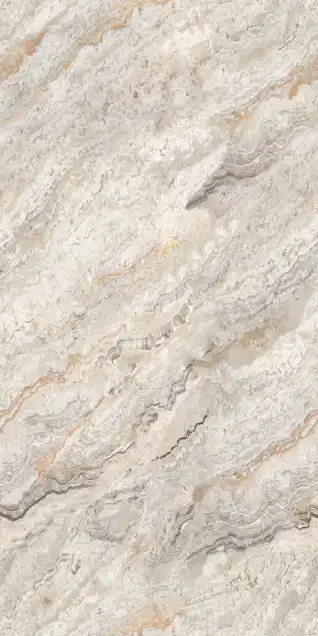

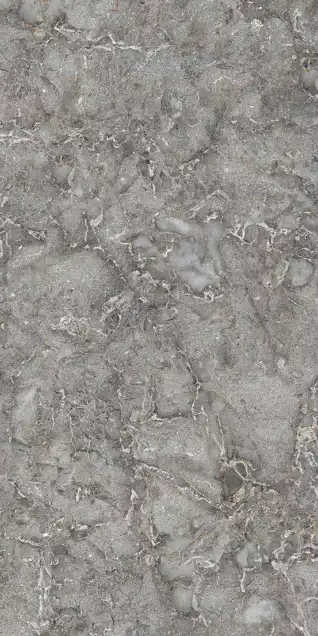










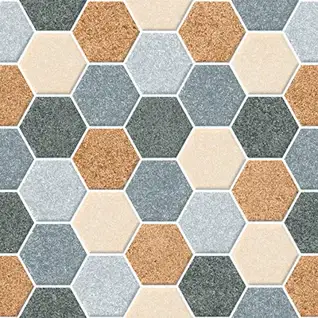
A balcony in an Indian home occupies a unique position in the tile specification hierarchy. It is outdoors but attached to a specific interior room. It is elevated, usually above a living space in the flat below. It is small, typically 40 to 100 square feet in an apartment. It is seen from the street on the front face of the building and from the adjacent room when the door or window is open. Balcony tiles have to satisfy four different requirements simultaneously: outdoor durability through monsoon rain and sun, anti-skid grip when wet, a visual quality that works from the street as part of the building's front elevation, and a design relationship with the interior room the balcony serves.
The specification for balcony tiles is the same as for any exposed outdoor surface: GVT in matte or textured finish with water absorption below 0.05% under IS 15622:2006. Ceramic tiles, polished tiles, satin matte tiles, and sugar finish tiles must not be used on a balcony floor. These specifications apply regardless of how the balcony is used: even a balcony that is primarily a visual feature rather than a daily-use outdoor space gets rained on, gets morning dew, and gets cleaned with water. The floor specification is outdoors from the day the building is completed.
This page covers balcony tiles across all the main decisions: the correct outdoor specification, wooden tiles for balcony floors, small balcony tile design, front balcony design and its relationship to the building elevation, balcony pillar and parapet wall tiles, the tile design directions that work in Indian balcony proportions, and pricing for balcony tiles from Morbi.
Balcony Tile Specification: What Every Balcony Floor Tile Must Meet
Water Absorption and IS Standard
Any tile on an open Indian balcony floor must absorb less than 0.05% water under IS 15622:2006. GVT and full-body vitrified tiles meet this requirement. Porcelain tiles absorb 2% to 5% water, which is significantly better than ceramic but still higher than GVT. For an open balcony that receives direct monsoon rain, GVT is the stronger specification. Porcelain in matte finish is acceptable on covered or enclosed balcony sections that do not receive direct rain. Ceramic tiles with 12% to 16% absorption must not be used on any open balcony floor. For all outdoor tiles on exposed surfaces, the same water absorption hierarchy applies.
Anti-Skid Finish
Anti-skid tiles for a balcony are a genuine safety requirement. A balcony floor gets direct rain, morning dew, and cleaning water. A polished or smooth-surfaced tile on a wet balcony creates a fall risk. The correct finish for a balcony floor is matte, textured, rough, or GHR (Glossy High Relief). These finishes provide outdoor wet grip. A textured or rough-surface GVT tile provides higher grip than a flat matte tile, which is preferable for balconies used as sitting areas or for drying clothes, where water is more frequently present. Flat matte GVT is adequate for balconies with low foot traffic that are kept relatively dry.
Waterproofing Below the Tile
A balcony slab in an Indian multi-storey building sits above the ceiling of the flat or room below. Water that penetrates through the balcony tile system, the adhesive, and the slab will appear as a ceiling stain in the unit below. A waterproofing membrane applied to the balcony slab before the tile system is mandatory for any balcony above a living space. The complete waterproofing membrane system for a balcony follows the same principles as for a roof terrace, carried up the parapet wall by at least 150mm and integrated at the drain. For a full explanation of the waterproofing system, the terrace tiles guide covers membrane types, construction sequence, and drain integration in detail.
Wooden Tiles for Balcony: The Most Searched Indian Balcony Floor Direction
Wooden tiles for a balcony, specifically GVT tiles with a wood-grain surface design in outdoor-rated matte or GHR finish, are by far the most searched balcony tile direction in India. The reason is the visual appeal of a timber deck on a balcony: a wood-look floor gives the balcony the warmth and domestic character of an outdoor living space, turning what might otherwise be a plain concrete projection into a room extension that feels designed and inviting. Wood look tiles in GVT matte or GHR finish in plank formats replicate the grain, tone, and proportions of timber on a tile body that absorbs less than 0.05% water, handles monsoon rain without warping, swelling, or developing termite damage, and requires no sealing or annual maintenance.
The correct outdoor specification for wooden tiles for a balcony is GVT matte or GHR finish. Indoor wood-look GVT tiles, which may be available in polished or satin matte finish, must not be used on a balcony floor: the finish provides inadequate outdoor grip, and the tile may not be rated for outdoor thermal cycling. Confirm GVT body type and matte or GHR finish before ordering any wood-look tile for a balcony floor.
Format for balcony wood tiles: 200x1200mm or 300x1200mm plank format gives the most convincing timber-deck proportions on a balcony floor. In a small balcony under 60 square feet, the 200x1200mm format is proportionally more appropriate than the wider 300x1200mm. The plank tiles are laid with the long edge running parallel to the longer dimension of the balcony, which creates the visual effect of timber boards running the length of the outdoor space. Warm oak and grey-washed oak are the most used colour directions. Price range: Rs. 58 to Rs. 110 per sq ft for outdoor-rated GVT wood-look balcony tiles from Morbi.
Small Balcony Tiles Design
Most Indian apartment balconies are small, typically 4 to 6 feet wide and 8 to 12 feet long, giving a floor area of 40 to 72 square feet. Tile size and pattern choice on a small balcony have a disproportionate effect on how the space reads. The wrong tile format makes a small balcony look even smaller; the right format makes it feel like a deliberate outdoor zone.
For a small balcony under 60 square feet, 300x300mm or 300x600mm tiles are the most proportionate formats. A 600x600mm tile on a 4-foot-wide balcony shows only one and a half tiles across the floor width, with a cut tile at one edge: the scale of the tile competes with the scale of the balcony. A 300x600mm tile shows approximately two and a half tiles across the same width, which creates a balanced grid that reads as intentionally sized for the space.
The plank format 200x1200mm or 300x1200mm wood-look tile is an exception to the small format preference on small balconies: its long, narrow proportion naturally suits a long, narrow balcony and creates a strong directional read that makes the balcony feel longer. This is the one large-format tile that reads well on a small Indian balcony.
Design direction for small balconies: light colours (cream, grey, pale wood tone) make a small balcony feel larger. Dark tiles make a small outdoor space feel enclosed. Plain tiles with one consistent design across the full floor look cleaner than a mix of patterns or sizes. One feature element, such as a wood-look plank floor or a grey textured tile with a terracotta border, gives the small balcony a designed quality without visual clutter.
Front Balcony Tiles Design: The Elevation Relationship
A front balcony is visible from the street as part of the building's front elevation. The tile on a front balcony floor is seen from two angles: from directly above (by the person standing on the balcony) and from the road below at an upward angle. From the street, the edge of the balcony floor tile and the parapet or railing face are what define the balcony's visual character.
The tile on a front balcony floor should coordinate with or complement the elevation tile on the building facade. A building with a grey stone-look GVT elevation and a wood-look plank floor on the front balcony creates a clean contrast: the cool stone facade and the warm timber-look balcony. A building with a terracotta-look elevation and a terracotta-look balcony floor creates a consistent warmth. The parapet wall on the front balcony faces the street and is an elevation surface: it requires the same outdoor GVT specification as any exterior wall, in a finish and colour that coordinates with the main elevation tile. The elevation tiles guide covers parapet wall tile specification and design in detail.
For front balcony tiles design in contemporary Indian residential buildings, the most used floor tile direction is grey or stone-look GVT matte in 300x600mm or 300x300mm, which creates a clean, neutral floor that does not compete with the facade tile and is low-maintenance in the urban Indian environment. Wood-look plank GVT is the second most used direction, giving the balcony a warmer, more domestic quality that contrasts with the building's harder stone or grey facade.
Balcony Pillar Tiles Design
Balcony pillars, the structural columns that support the slab above on a balcony or the columns that form part of the balcony railing structure, are vertical outdoor surfaces that require GVT in matte or GHR finish. They are seen at close range from the balcony itself and from the road below, which means they benefit from a tile with enough surface character to read at both distances.
Standard approach for balcony pillar tiles: 300x600mm GVT in a vertical stack bond on each pillar face. The tile should coordinate with the floor tile or the parapet wall tile in colour and tone. A darker stone-look or charcoal GVT on the pillar against a lighter floor tile creates a strong visual frame for the balcony space. A matching tile on both the pillar and the parapet wall gives the balcony structure a unified, intentional quality.
The pillar cap, the top horizontal surface of the pillar, should be tiled with a flat tile that sheds water cleanly. A 300x300mm or 300x600mm tile on the pillar cap with a small waterproof sealant joint at the vertical-to-horizontal junction prevents water pooling at the cap edge. Price range for balcony pillar tiles: Rs. 45 to Rs. 85 per sq.ft for GVT matte or GHR from Morbi.
Balcony Tile Design Directions
Grey Balcony Tiles
Grey balcony tiles in GVT matte or textured finish are the most neutral and practical direction for Indian balcony floors across all building types and orientations. Light grey matte GVT absorbs less solar radiation than terracotta-red or dark grey, making the floor more comfortable in the afternoon sun. Mid-grey matte or GHR in 300x600mm works equally well on small apartment balconies and larger villa balconies. Grey coordinates with virtually any facade tile colour and any outdoor furniture. Price range: Rs. 42 to Rs. 88 per sq ft.
Terracotta Tiles for Balcony
Terracotta balcony tiles in GVT rough or matte finish give the balcony a warm, traditional Indian character. GVT terracotta-look tiles absorb less than 0.05% water and maintain their warm red-orange colour through monsoon seasons without the staining, moss growth, and maintenance that actual fired terracotta requires. For east or north-facing balconies where afternoon heat is not a concern, terracotta-look GVT is a welcoming floor direction that pairs well with the warm tones of Indian traditional furniture and planters. Price range: Rs. 42 to Rs. 78 per sq.ft.
Black and White Balcony Tiles
Black and white balcony tiles, typically GVT in a geometric chequered or alternating pattern in 300x300mm outdoor matte finish, give a balcony a graphic, designed quality that reads clearly from the street. This is particularly effective on front balconies where the floor pattern is partially visible from below. The high contrast of black and white also works well for small balconies, where a pattern gives the floor more visual interest than a plain grey or terracotta tile. In small balconies, the 300x300mm chequerboard should use a diagonal lay to create a diamond pattern that visually widens the space. Price range: Rs. 48 to Rs. 85 per sq ft.
Modern Balcony Flooring: Contemporary Tile Directions
Modern balcony flooring in Indian residential design follows three directions: the wood-look plank floor (200x1200mm or 300x1200mm GVT matte), the large-format stone-look or grey neutral floor (300x600mm or 600x600mm GVT matte), and the patterned geometric floor (300x300mm GVT matte in a black-and-white or colour geometric pattern). All three directions work in different building and balcony contexts. The wood-look plank is most popular in apartments where the occupant wants the balcony to function as an outdoor room extension. The large-format stone-look or grey is most used in contemporary building designs where the balcony is part of the facade composition. The patterned geometric is most used where the balcony is a small feature space meant to have its own distinct character.
Balcony Tile and Interior Floor Coordination
The balcony door or sliding glass panel creates a direct visual connection between the balcony floor tile and the adjacent interior room floor tile. When this door is open, both floors are visible simultaneously. This connection benefits from being handled deliberately rather than accidentally.
Three approaches to the balcony-interior floor relationship: use the same tile on both surfaces (indoor tile on the interior side, same tile in the outdoor-rated GVT version on the balcony), which creates a seamless visual extension of the room into the outdoor space; use a coordinating but distinct tile (warm grey indoor GVT on the living room floor, grey-washed wood-look GVT on the balcony), which clearly separates the two spaces while maintaining colour harmony; or use a threshold strip at the door to create a deliberate break between two entirely different tile choices. The first approach is the most visually seamless. The third approach gives the balcony the most distinct design identity.
If the same tile is used across both surfaces, confirm that the selected tile is available in an outdoor-rated GVT version with the correct body type and finish for the balcony. An indoor satin matte or polished tile cannot simply be continued onto the balcony floor. The outdoor version must be GVT matte or textured, which will look slightly different in surface quality from the indoor version, even if the colour and pattern are the same.
Balcony Tile Body Type Reference
Which tile is best for a balcony floor in India?
GVT in matte or textured finish with water absorption below 0.05% under IS 15622:2006 is the best tile for an Indian balcony floor. It handles direct monsoon rain, morning dew, and outdoor cleaning without adhesion failure or surface degradation. Matte and textured finishes provide outdoor grip when the floor is wet. Wood-look plank GVT, grey matte GVT, and stone-look GVT are the most used design directions. Price range: Rs. 50 to Rs. 95 per sq.ft at retail from Morbi.
Note: PGVT and all polished or glossy finish tiles must not be used on balcony floors, open or covered. The polished surface provides inadequate grip on a wet outdoor floor and is not engineered for outdoor thermal cycling.
Balcony Tiles Pricing from Morbi
GVT balcony tiles from Morbi, Gujarat, certified under IS 15622:2006, are available in all sizes and design directions used for Indian residential balconies. Ex-factory prices: Rs. 38 to Rs. 52 per sq.ft for 300x300mm plain matte or rough-texture GVT, Rs. 42 to Rs. 62 per sq ft for 300x600mm GVT in matte or textured finish, Rs. 50 to Rs. 78 per sq.ft for 300x600mm stone-look or terracotta-look GVT, and Rs. 55 to Rs. 100 per sq.ft for 200x1200mm and 300x1200mm outdoor-rated wood-look GVT plank tiles. Retail prices across Indian cities are 25% to 40% above ex-factory. Installation cost for balcony floor tiles: Rs. 38 to Rs. 60 per sq.ft for standard straight or running bond lay, including outdoor adhesive and epoxy grout. Waterproofing membrane installation is a separate cost.
Choose the Right Tile for Your Balcony
Balcony tile selection starts with the outdoor specification (GVT matte or textured, IS 15622:2006), then the balcony size and design direction that suits the space. Browse outdoor-rated GVT balcony tiles in wood-look, grey, terracotta, stone-look, and patterned directions on TilesFinders. Confirm matte or textured finish and GVT body type before shortlisting any tile for an open balcony floor.





FAQs
GVT in matte or textured finish with water absorption below 0.05% under IS 15622:2006 is the best tile for an Indian balcony floor. It handles direct monsoon rain, morning dew, and outdoor cleaning without adhesion failure or surface degradation. Matte and textured finishes provide outdoor grip when the floor is wet. Wood-look plank GVT, grey matte GVT, and stone-look GVT are the most used design directions. Price range: Rs. 50 to Rs. 95 per sq.ft at retail from Morbi.
Yes. GVT wood-look tiles in matte or GHR finish in 200x1200mm or 300x1200mm plank format are one of the most used balcony floor tile directions in India. They give the balcony the warmth and character of a timber deck without warping, swelling, or termite damage in Indian monsoon conditions. The tile must be GVT body type with matte or GHR finish: indoor wood-look tiles in polished or satin matte finish must not be used on a balcony floor. Price range: Rs. 58 to Rs. 110 per sq ft.
300x300mm and 300x600mm GVT tiles are the most proportionate formats for small Indian balconies under 60 square feet. These sizes create a tile grid that is correctly scaled to a 4 to 6-foot-wide balcony width. The wood-look plank format in 200x1200mm is an exception: its long, narrow proportion suits a long, narrow balcony and makes the space feel longer. Avoid 600x600mm and larger formats on small balconies as they create an oversized tile scale relative to the balcony proportions.
Ceramic tiles with 12% to 16% water absorption must not be used on open balcony floors. On an open balcony that receives direct monsoon rain, ceramic tiles absorb water, and the adhesive bond fails within two to three monsoon seasons. Ceramic tiles in matte finish are acceptable on fully covered or enclosed balcony sections that do not receive direct rain. For any open balcony floor, GVT in matte or textured finish is the minimum correct specification.
Balcony pillar tiles are GVT in matte, or GHR finish in 300x600mm format in a vertical stack bond on each pillar face. The tile should coordinate with the floor tile or parapet wall tile in colour and tone. A darker stone-look or charcoal GVT on the pillar against a lighter floor tile creates a strong visual frame for the balcony space. The pillar cap is tiled with a flat 300x300mm or 300x600mm tile with a sealant joint at the vertical-to-horizontal junction to shed water cleanly. Price range: Rs. 45 to Rs. 85 per sq ft.
Yes. A balcony slab in a multi-storey Indian building sits above the ceiling of the unit below. Water that penetrates through the balcony tile system and the slab will appear as a ceiling stain in the room below. A waterproofing membrane applied to the balcony slab before the tile system is mandatory. The membrane must be carried up the parapet wall by at least 150mm and integrated at the drain. Epoxy grout at all tile joints reduces water ingress at the joint level to supplement the membrane.
Balcony tiles and terrace tiles use the same outdoor specification (GVT matte or textured, water absorption below 0.05%), but differ in scale and context. A balcony is an elevated projection attached to a specific room, typically 40 to 100 square feet, with direct street visibility and a design relationship with the adjacent interior. A terrace is a larger roof-level surface, often used as a garden or seating area, without the room-attachment relationship. Both require a waterproofing membrane below the tile when situated above a living space, and both require anti-skid grip in the tile finish.
No. Polished, high-gloss, satin matte, and sugar finish tiles must not be used on balcony floors. A balcony floor gets rain, morning dew, and cleaning water at various points through the day and year. Polished and glossy surfaces provide inadequate grip on a wet outdoor floor. PGVT, which has a polished surface, must not be used on any balcony floor even though its water absorption is low. Matte, textured, GHR, or rough-surface GVT is the correct finish for any balcony floor.