
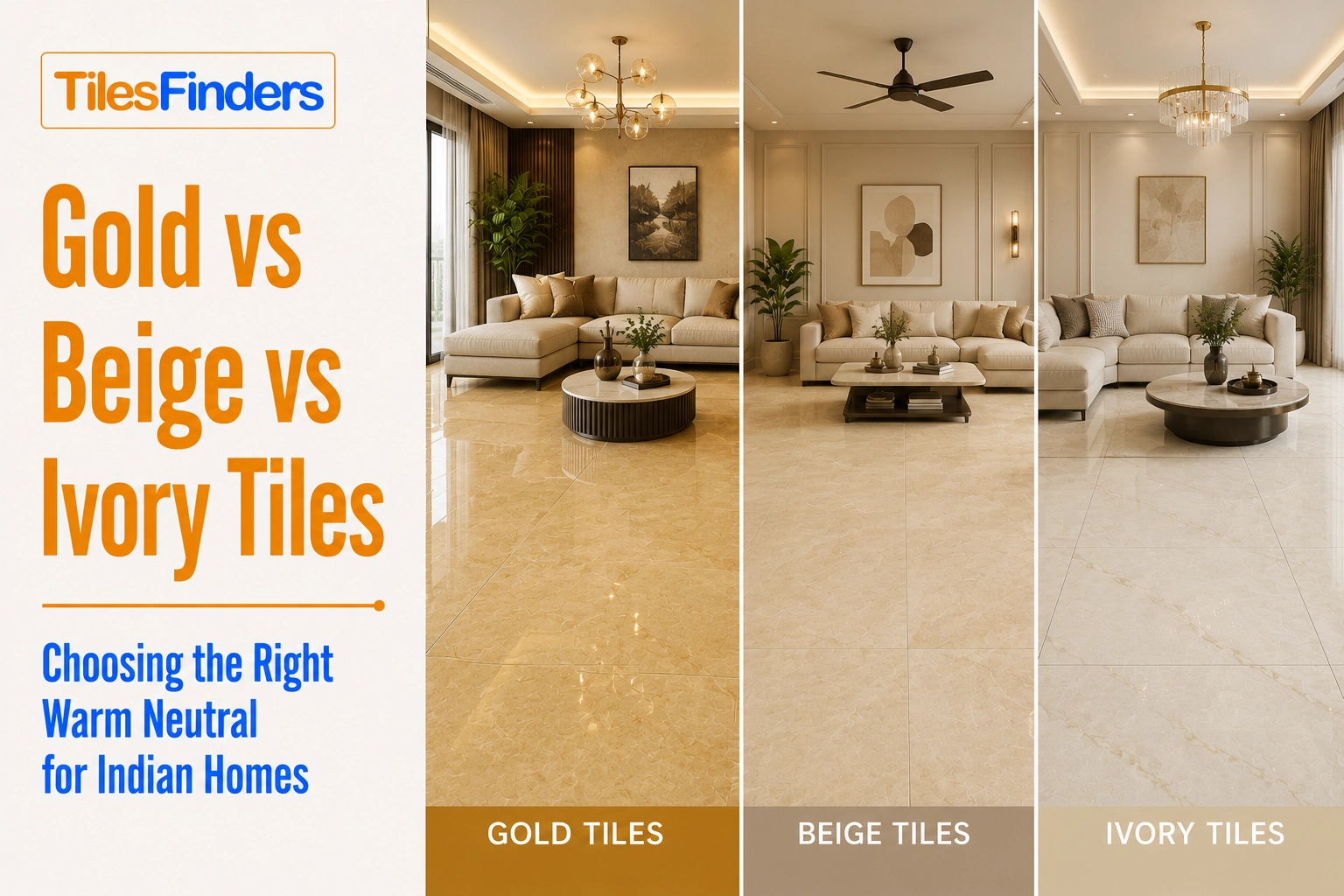
Gold vs Beige vs Ivory Tiles: Choosing the Right Warm Neutral for Indian Homes
Compare gold, beige, and ivory tiles for Indian homes based on lighting, Vastu, room suitability,...


Loading designs...
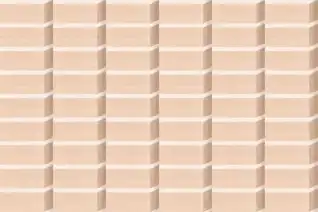
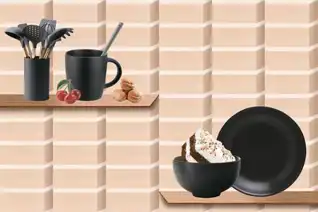
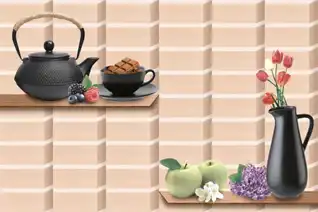











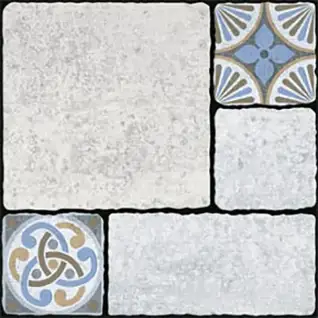
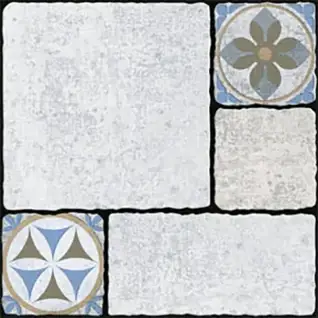

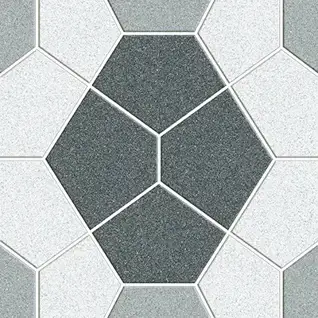

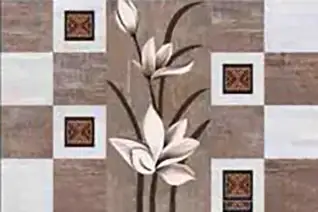
Ivory tiles are the off-white, cream-toned tiles that Indian homeowners pick when they want a room to feel warmer than plain white but still bright. Ivory tiles work as ivory floor tiles in living rooms, ivory bathroom tiles in wet areas, and ivory wall tiles for kitchen backsplash and bedroom feature walls. This colour reflects light well, hides everyday dust better than darker shades, and pairs with almost any furniture tone.
Ivory tiles come in ceramic, glazed vitrified, and porcelain bodies, so the right pick depends on where the tile is going and what budget you are working with. Buyers moving away from pure white in 2026 are increasingly choosing ivory tiles because the shade photographs warmer under both LED and natural light, and because it hides day to day marks far better across a full house renovation.
Ivory sits between white and beige, so it reads as calm rather than stark under both tube light and daylight. In Indian homes where rooms often get less natural light than western floor plans, ivory tiles bounce available light around instead of absorbing it the way charcoal or brown tiles do. This matters most in bathroom tiles and compact kitchen tiles layouts, where ivory floor tiles make a 60 to 80 sq.ft room look larger than its actual footprint. Ivory also hides water spots and soap residue better than pure white, which is why ivory bathroom tiles remain a steady seller across Gujarat and Maharashtra. Large format ivory porcelain tile in a marble pattern gives a stone look at a lower price than actual marble, with far less maintenance.
Builders working on 2 BHK and 3 BHK apartments in tier 1 and tier 2 Indian cities often standardise on ivory for the entire flat, since one shade across living room, bedroom, and kitchen removes the need for threshold strips between rooms. This continuous-flooring approach also adds 3 to 5 sq.ft of visual space per room compared to switching colours at every doorway, according to site feedback collected from dealers in Ahmedabad and Surat. Resale value also plays a role: ivory and other light neutral tones tend to appeal to a wider pool of buyers than bold colours like red or navy, which narrows the audience for a future sale.
Ivory ceramic tile is the most common option for walls, priced from Rs. 25 to Rs. 65 per sq.ft, and it covers ivory kitchen wall tiles and ivory subway tile formats well since walls do not need heavy load bearing. Ivory porcelain tile costs more, from Rs. 55 to Rs. 130 per sq.ft, but the body absorbs only 2% to 5% water under IS 15622:2006, which makes ivory porcelain floor tiles a safer pick for bathroom and kitchen floors than ceramic. Ivory GVT and full body vitrified tiles absorb just 0.05% water and cost Rs. 60 to Rs. 150 per sq.ft, making them the strongest choice for high-traffic ivory floor tiles in living rooms and corridors. Ivory stone tiles, sold as natural marble or travertine, run higher again, from Rs. 150 to Rs. 400 per sq.ft, and need periodic sealing that porcelain does not.
Body strength matters as much as water absorption when picking between these options. Ivory GVT and full body vitrified tiles carry colour straight through the tile thickness, so a chip or scratch does not show a different shade underneath, unlike ivory ceramic tile where the base body is usually red or white clay under a printed glaze layer. For homes with children, pets, or frequent furniture movement, this full body property of ivory GVT tiles reduces the visible impact of everyday wear over a 5 to 10 year period.
| Tile Type | Water Absorption | Best Use | Price Range (Rs./sq.ft) |
| Ivory Ceramic Tile | 12% to 16% | Walls, backsplash | Rs. 25 to Rs. 65 |
| Ivory Porcelain Tile | 2% to 5% | Floor and wall | Rs. 55 to Rs. 130 |
| Ivory GVT / Full Body | 0.05% | High-traffic floors | Rs. 60 to Rs. 150 |
| Ivory Marble / Stone | Varies, needs sealing | Feature floors, lobbies | Rs. 150 to Rs. 400 |
Note: Ivory ceramic tile should not be used on bathroom or kitchen floors except in the 300x300mm (1x1) size, since its 12% to 16% water absorption makes larger ceramic pieces prone to cracking under standing water over time.
Ivory porcelain tiles 600x600 are the most searched size in this colour, sitting at the 24x24 alias, and they cost Rs. 65 to Rs. 130 per sq.ft depending on finish and brand. Ivory tiles 60x60 in matte finish suit both 600x600mm living room floors and dry bedroom floors, while the same size in glossy finish stays strictly indoor and dry. Ivory porcelain tiles 600x600 price also depends on rectification, with rectified edges adding Rs. 5 to Rs. 15 per sq.ft over standard cut tiles. For bathroom walls and kitchen backsplash, ivory subway tile in the 100x200mm to 150x600mm range gives a classic brick-bond layout that photographs well against dark grout. Ivory matt tiles are the safer floor finish across the board, since matte and GHR surfaces hold traction even when wet, unlike polished or glossy ivory tile which turns slippery on contact with water.
Beyond 600x600mm, larger ivory porcelain formats are becoming common in premium Indian projects. The 800x800mm and 600x1200mm sizes reduce grout lines across a living room floor, which keeps the ivory surface reading as one continuous slab rather than a grid of small tiles. Larger formats do cost more to lay, since they need a flatter base screed and more careful handling on site, typically adding Rs. 8 to Rs. 20 per sq.ft in labour over standard 600x600mm installation.
Ivory bathroom tiles remain the single biggest category here, since the colour hides hard water marks on walls and stays cool underfoot in matte floor finish. Ivory kitchen tiles work well as ivory kitchen wall tiles behind the counter using an ivory tile backsplash in subway or hexagon shapes, paired with ivory porcelain floor tiles that resist oil stains better than ceramic. Living room tiles in ivory porcelain, laid in the 600x1200mm or 800x800mm sizes, give an open, marble-like base without the upkeep that natural ivory marble tiles demand. Onyx ivory tile, a backlit or high-shine variant styled on natural onyx stone, suits feature walls and reception counters rather than everyday floors, since the finish is too glossy for safe foot traffic.
In bathrooms specifically, ivory tiles pair well with a two-tone layout: ivory matt tiles on the floor for grip, and a glossier ivory or a contrasting accent band on the wall up to shoulder height. This split keeps cleaning simple, since the wall zone that gets the most soap and shampoo contact carries the shinier, easier to wipe finish, while the floor zone prioritises anti-skid safety over shine. For kitchens, ivory porcelain floor tiles in 600x600mm or 600x1200mm handle daily spills, cooking oil, and foot traffic near the stove better than ceramic, and cost roughly Rs. 20 to Rs. 40 per sq.ft more than a comparable ceramic floor tile.
Note: Onyx ivory tile and polished ivory porcelain tile should never be laid on outdoor floors, balconies, or terraces, since both finishes lose grip completely in monsoon rain and Indian outdoor conditions.
Ivory marble tiles in natural stone carry the most authentic veining and depth of colour, but they need sealing every 12 to 18 months to resist staining from turmeric, oil, and other kitchen spills common in Indian cooking. Ivory stone tiles in porcelain or GVT reproduce this same veined look through digital printing, and once fired at over 1,200 degrees Celsius, the surface needs no sealing at all. For most Indian homes, ivory porcelain tile with a marble-effect print gives 85 to 90 percent of the visual impact of natural ivory marble tiles at 40 to 60 percent of the cost, with a Rs. 90 to Rs. 200 per sq.ft price band against Rs. 150 to Rs. 400 per sq.ft for the real stone.
Ivory ceramic tile and ivory porcelain tile in marble-look designs are printed using high-resolution inkjet technology, which means two boxes from different production batches can show slightly different vein patterns. Buyers ordering ivory marble tiles for a large area should confirm the batch number matches across all boxes before laying begins, since mismatched batches are the most common cause of visible patchiness on completed floors.
Ivory floor tiles pair naturally with dark wood furniture, brass fixtures, and black grout for a contrast look that many Indian interior designers use in 2026 projects. For a softer look, keep grout in a matching ivory or beige shade so the floor reads as one continuous surface, which also makes small rooms feel wider. Ivory wall tiles behind a kitchen counter work best against a darker granite or quartz countertop, since the light tile keeps the wall from visually competing with the counter. When mixing ivory brick tiles with ivory floor tiles in the same room, keep the wall tile glossy and the floor tile matte, since this combination balances shine with safe traction.
Lighting changes how ivory reads more than almost any other tile colour. Under warm 3000K LED lighting, ivory leans slightly yellow and cosy, which suits bedrooms and living rooms. Under cool 5000K to 6500K lighting common in Indian kitchens and bathrooms, the same ivory tile reads brighter and cleaner. Homeowners planning to use ivory tiles across multiple rooms with different lighting types should ask their dealer for a physical sample panel rather than relying on a screen or catalogue photo, since ivory shade shifts are one of the most common causes of post-installation dissatisfaction.
Pro tip: Order 10% extra ivory tile beyond the measured area to cover cutting wastage and to keep spare pieces from the same production batch for future repairs, since batch shade can vary slightly.
Ivory tiles in porcelain or GVT need only routine wiping with a pH-neutral cleaner, since the dense, low-absorption body resists staining from tea, turmeric, and everyday kitchen spills. Ivory ceramic tile on walls needs the same light cleaning, though grout lines around ivory wall tiles in a kitchen backsplash should be wiped weekly to stop oil buildup from discolouring the grout over time. Natural ivory marble tiles need a different routine: an annual or 18-month sealing cycle, plus avoiding acidic cleaners like vinegar or lemon-based solutions, which etch the stone surface permanently.
Ivory GVT and full body tiles absorb 0.05% water under IS 15622:2006, which makes them safe for wet Indian bathroom floors when laid in matte or GHR finish. The 24x24 (600x600 mm) size remains the most common ivory floor tile format, priced from Rs. 65 to Rs. 130 per sq.ft depending on brand and rectification. Most ivory GVT sold in India is manufactured in Morbi, Gujarat, where large-format vitrified production lines keep supply steady across the year.
Ivory tiles hold up well through the Indian monsoon and summer heat, since the light colour does not absorb as much surface heat as darker tiles on outdoor patios and terraces. For outdoor and terrace use, the 32x64 (800x1600 mm) ivory GVT format in GHR finish is priced from Rs. 90 to Rs. 160 per sq.ft. Buyers travelling to Morbi and other parts of Gujarat for factory-direct sourcing will find ivory tiles among the most widely stocked colours across manufacturers.
Ivory tiles across ceramic, porcelain, and GVT bodies are listed on Tilesfinders with sizes from 300x300mm to 800x1600mm and finishes from matte to glossy. The catalogue covers ivory floor tiles, ivory bathroom tiles, and ivory tile backsplash options sourced directly from manufacturers in Morbi and across Gujarat, with prices ranging from Rs. 25 to Rs. 400 per sq.ft across tile bodies. Buyers can compare water absorption, finish, and size side by side before shortlisting a design for their project.
Ivory porcelain tile is better for bathroom floors. It absorbs only 2% to 5% water against 12% to 16% for ceramic, which resists cracking under standing water over time and holds up longer under daily wet use.
Ivory porcelain tiles 600x600 cost Rs. 65 to Rs. 130 per sq.ft in India. Price depends on brand, finish, and whether the edge is rectified, with rectified pieces adding Rs. 5 to Rs. 15 per sq.ft.
Yes. Ivory GVT tiles in matte or GHR finish work on outdoor floors and terraces. Glossy or polished ivory tiles should never go outdoors since they turn slippery in monsoon rain and lose grip in wet conditions.
The 300x300mm (1x1) size works best for small bathroom floors in ivory ceramic or porcelain, while 300x600mm suits the walls without overwhelming a compact layout.
No. Onyx ivory tile carries a high-shine finish that is not safe for bathroom floors. Keep onyx ivory tile to feature walls, reception counters, and other dry areas only.
No. Ivory tiles hide everyday dust and footmarks better than darker tiles because of the warm, light base tone, which makes them practical for busy Indian households.
Ivory tiles carry a slight warm, off-white undertone, while cream tiles lean more yellow. Both work as neutral bases but ivory reads brighter in most Indian lighting conditions.
Yes. Most ivory GVT and porcelain tiles sold in India come from manufacturers based in Morbi, Gujarat, which supplies the majority of the country's vitrified tile output nationwide.