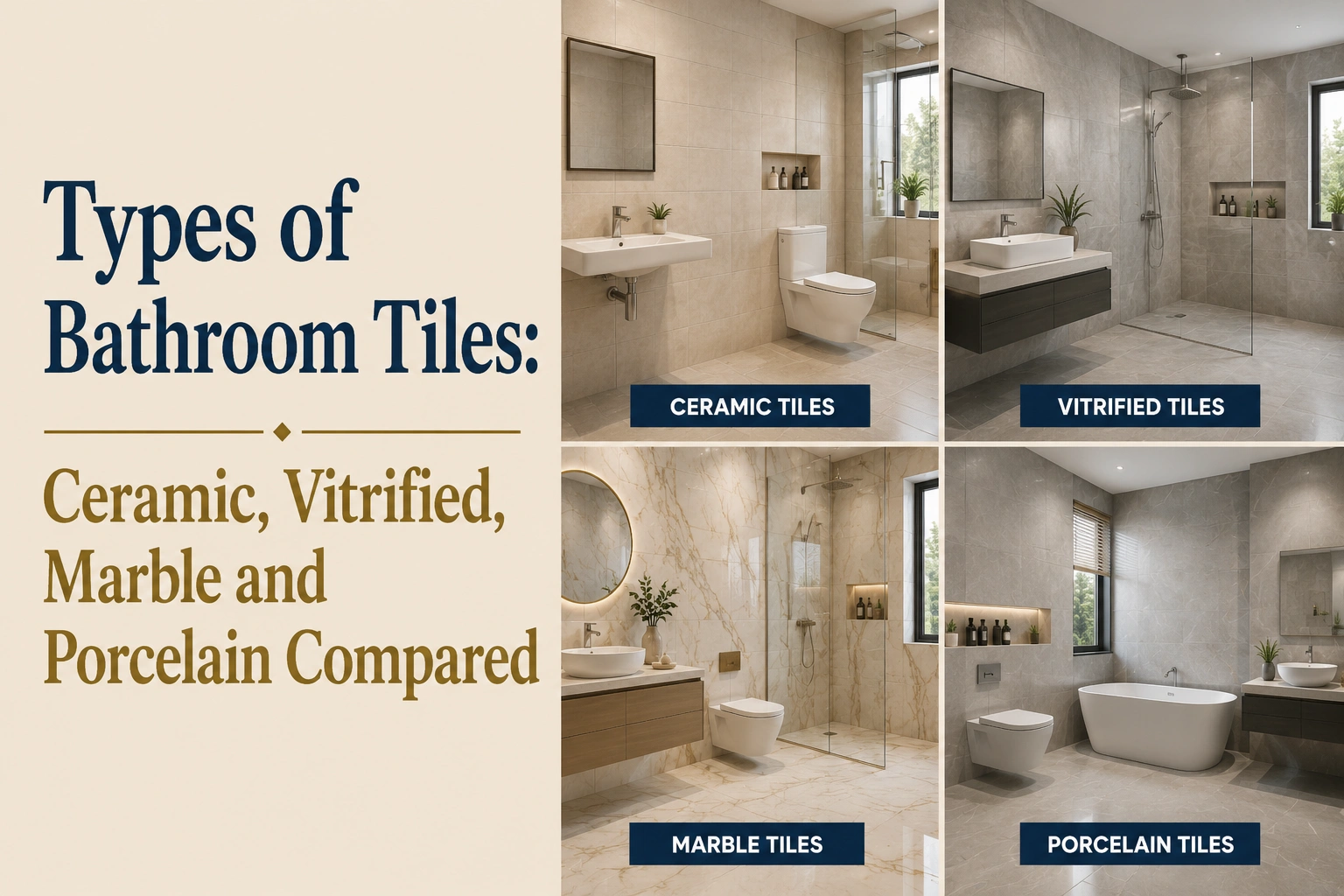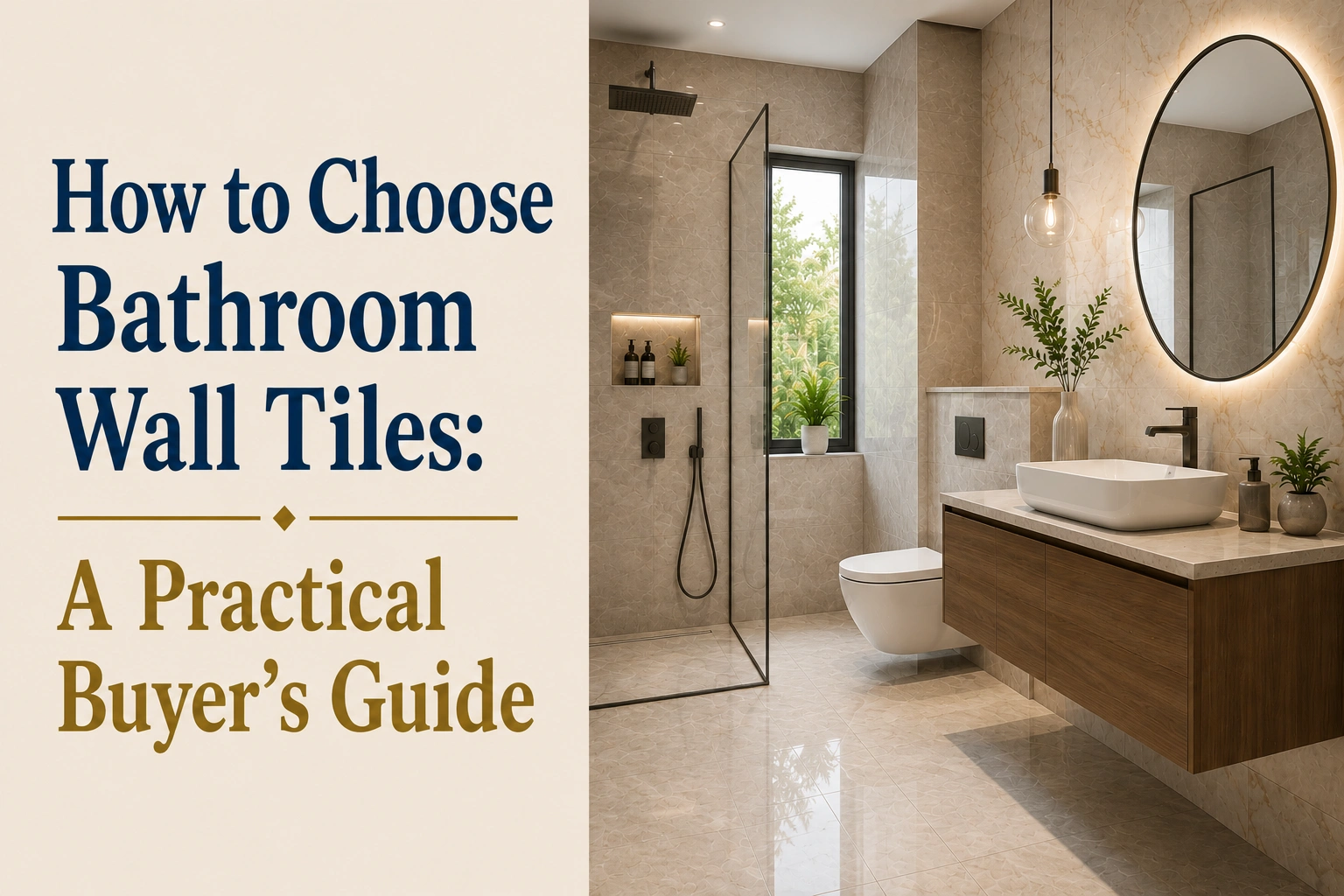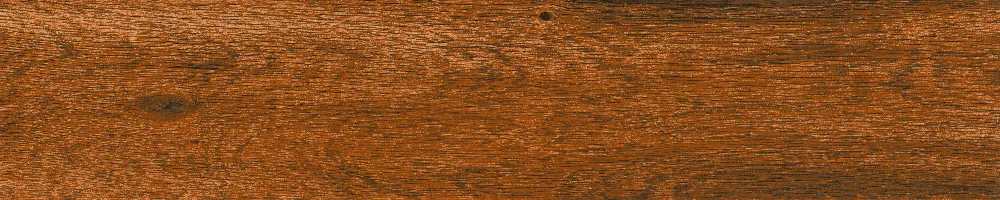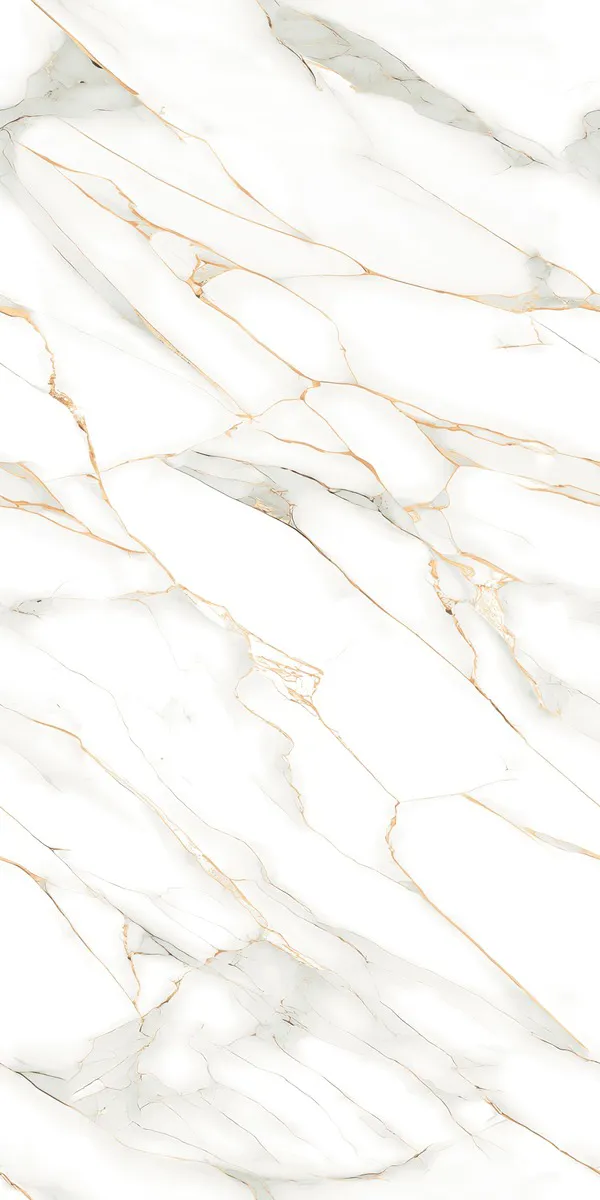
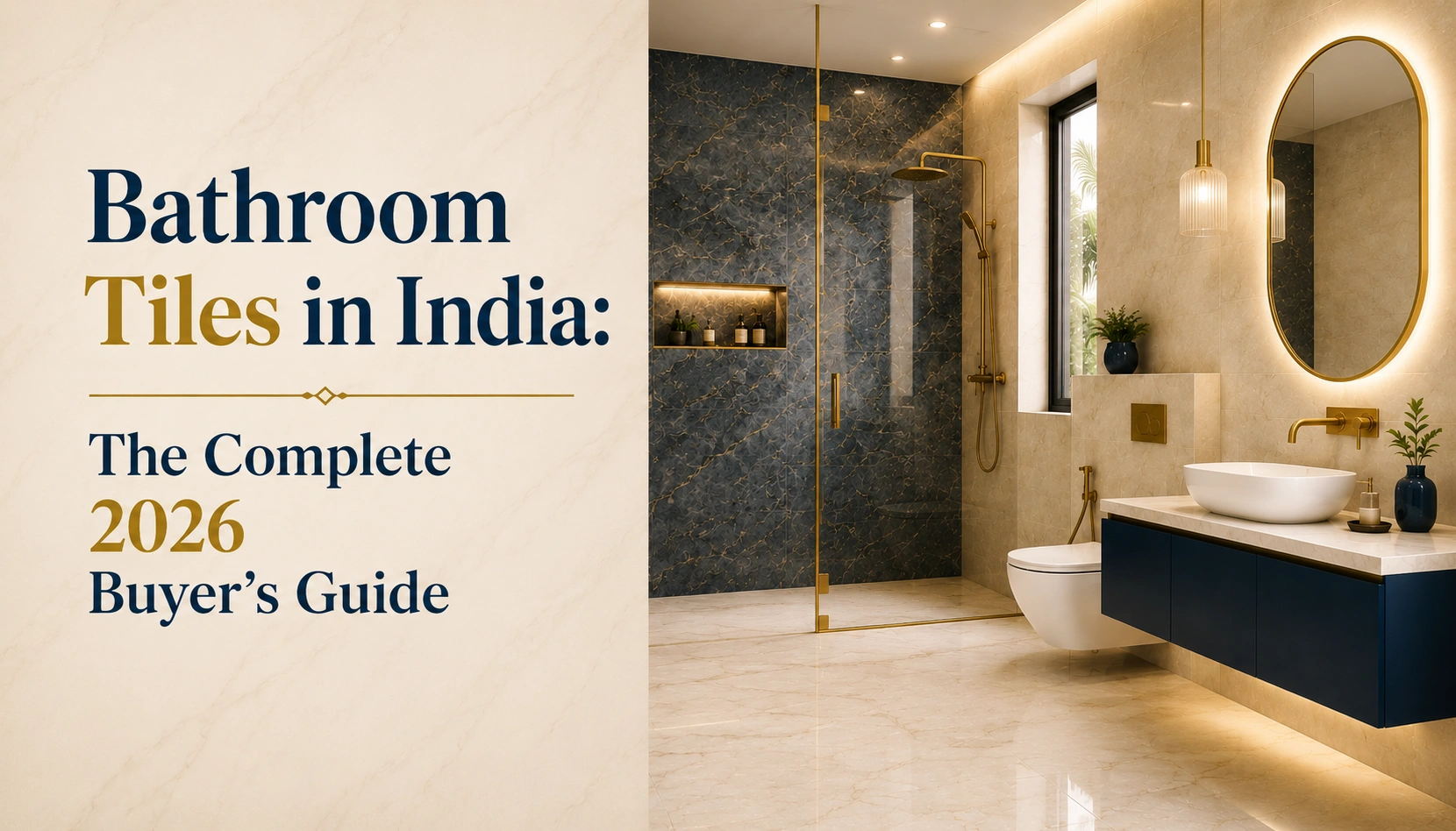
Bathroom Tiles in India: The Complete 2026 Buyer's Guide
Compare ceramic, vitrified, porcelain, matte, glossy, and anti-skid bathroom tiles in India with ...


Loading designs...






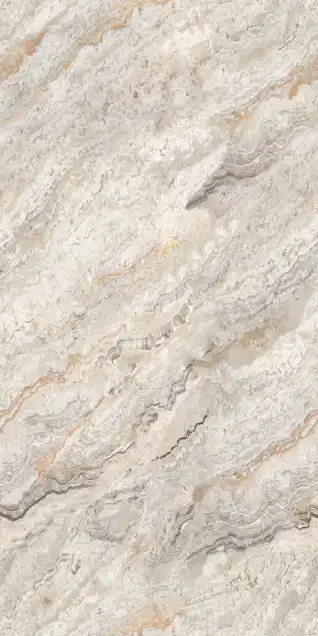

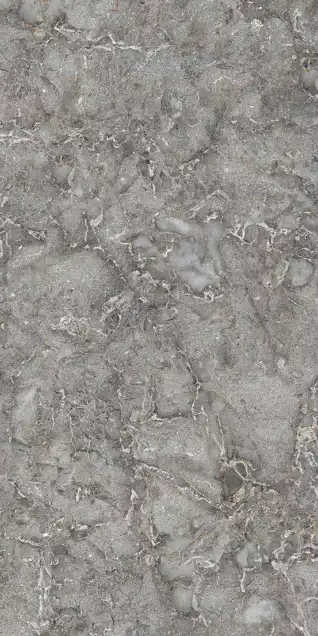










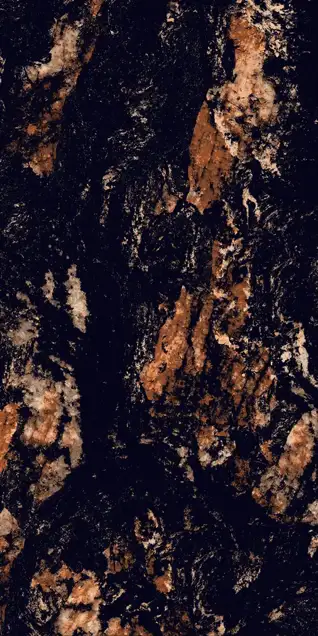
Picking the right bathroom tiles is a safety and upkeep call before it is a looks call. The bathroom stays wet for hours every day, so the floor must not turn slippery once soapy water hits it. The walls must not soak in water or grow black mould near the shower.
To design bathroom tile layouts that last ten years or more, the body type, finish and size all have to match the area where they go. Tilesfinders lists bathroom tiles from over 200 Indian dealers, sorted by size, finish and use area. Prices start around Rs. 35 per sq. ft. and go up to Rs. 350 for matte marble looks.
A bathroom is the only room in the house where the floor gets fully wet, then dries, then gets wet again, every single day. Standard living room tiles fail here for two reasons. One, polished glossy surfaces become slip hazards the moment water and soap mix. Two, ceramic walls with high water absorption (12% to 16%) hold moisture and stain over time.
Indian bathrooms also face heavy monsoon humidity for four to five months a year. The grout between tiles is where mould first appears. Picking the right tile body and finish keeps the surface clean for the long term. The IS 13630 standard covers ceramic tile water absorption, and IS 15622 covers vitrified tiles, both used by Indian tile makers. For deeper specs on body types, see our guide to vitrified tile categories before final selection.
A bathroom needs two different tile decisions, one for walls and one for floors. The same tile rarely works for both. Here is what suits each surface.
| Tile Type | Water Absorption | Best Surface | Price (Rs/sq.ft) |
| Ceramic (12x18, 12x24) | 12% to 16% | Walls only | 35 to 80 |
| PGVT (24x48, 32x64) | 0.05% | Walls and shower walls | 90 to 220 |
| GVT matte (24x24, 16x16) | 0.05% | Floors (anti-skid) | 70 to 180 |
| Ceramic 12x12 anti-skid | 12% to 16% | Bathroom floors only | 40 to 90 |
| Full Body (24x24, 24x48) | 0.05% | Wet room floors | 140 to 300 |
Note: Polished PGVT tiles must never be used on bathroom floors. The polished surface turns slippery the moment water hits it. Use a matte GVT or anti-skid ceramic floor tile instead. Glass tiles for bathroom use are popular as feature strips on shower walls, but should not be laid on bathroom floors for the same slip reason.
Indian bathrooms range from 30 sq. ft. in a city flat to 80 sq. ft. in a row house. The size of the tile must match the size of the room. Too large a tile in a tiny bathroom wastes material in cuts. Too small a tile in a big bathroom creates more grout lines and more cleaning.
For a 6x5 ft bathroom, you will typically need 30 sq ft of floor tiles and around 80 to 100 sq ft of wall tiles, including 10% wastage for cuts.
Finish matters more in a bathroom than in any other room. The wrong finish on the floor can cause a fall. The wrong finish on the wall makes cleaning soap scum painful.
Floors: Use anti-skid bathroom tiles only. Matte, GHR, and Rain Drops finish all give grip when wet. Matt bathroom tiles in 16x16 GVT are the most picked choice in Indian homes. Non-slip bathroom tiles tested to R10 or R11 slip rating are the safest pick for senior citizens and small children.
Walls: Polished, glossy, and high-gloss finishes work well on PGVT wall tiles. They reflect light, make small bathrooms feel bigger, and wipe clean with a damp cloth. Sugar finish and carving finish add texture without losing the wipe-clean quality.
Shower zone: Inside the shower, walls take a Polished Glossy PGVT finish, while the floor takes a textured GVT matte. A glass tile shower screen pairs well with this mix for a clean wet-zone look. For full wet room tiles where the entire bathroom is one big shower with no kerb, only full-body vitrified in 24x24 or 24x48 matte should be on the floor.
Note: Satin matte, semi-polished, and super high-gloss finishes must never be used on any bathroom floor. They look smart but have very low slip resistance when wet.
Bathroom tile design today moves between two clear camps. One is light, clean and spa-like. The other is bold, dark and dramatic. Both work in Indian homes if the lighting is planned right.
White, beige, warm grey, and stone tones are the safe pick. They suit any sanitary ware colour and stay in style for ten years or more. Cream bathroom tiles paired with a wood-look floor strip is one of the most picked combinations in 2026.
In charcoal, deep brown, or forest green, work in larger bathrooms with bright LED lighting. Skip them in a 30 sq.ft bathroom with only one overhead bulb. The space will feel closed in.
Usually means large-format marble-look slabs in 32x64 or 32x96, laid with thin 2 mm grout lines. The full-slab look fits high-end apartment bathrooms and villa master baths.
Works best as a feature strip, not full coverage. A single accent wall behind the wash basin in a printed or geometric tile adds personality. The other three walls stay plain. Full bathrooms in printed tiles look busy fast.
Layouts use plank-sized tiles (8x40 or 8x48) laid at 45 degrees. The pattern adds visual movement to floors and shower walls. Plan for 15% extra material on a herringbone job because of the angled cuts.
Such as slate-look or fluted tiles, work as a feature wall. A full bathroom in textured tiles collects soap scum in the grooves and is hard to clean.
Slate bathroom tiles and limestone bathroom tiles bring a natural stone look without the high upkeep of real stone. Both are made as GVT tiles with a matte finish and proper slip resistance. They pair well with wood-look planks for a calm, earthy bathroom.
Good bathroom tile combinations follow a simple rule. Pick one main tile (the floor or the largest wall) and let it carry 60 per cent of the space. Use a second matching tile for 30 per cent. Add a feature tile for the remaining 10 per cent. This 60-30-10 split keeps the room balanced.
Work through the picks in this order. Each step narrows the choice for the next.
Step 1: Decide on the floor tile first. Pick a matte GVT or anti-skid ceramic. Note the colour and tone.
Step 2: Pick the wall tile to match or contrast the floor. Lighter walls with a darker floor make the room feel taller.
Step 3: Pick a feature or accent tile for one wall. Keep it within the same colour family as the main wall.
Step 4: Check grout colour. Light grout shows dirt fast in wet zones. Pick a mid-grey or beige epoxy grout for the bathroom floor.
Step 5: Ask the dealer for the IS standard certification before paying. IS 15622 for vitrified and IS 13630 for ceramic.
Browse bathroom tiles by size, finish, body type, and price from 200+ verified dealers across India. With TilesFinders, you can compare anti-skid floor tiles, glossy wall tiles, marble-look slabs, and wood-look planks, check nearby dealers by pincode, view prices, and book free samples. Every listed product includes IS 15622 or IS 13630 certification details from the manufacturer.
For most Indian bathrooms of 30 to 50 sq. ft., 12x18 or 12x24 on walls and 16x16 or 20x20 on floors is the working combination. Bathrooms larger than 50 sq. ft. can take 24x48 walls and 24x24 floors. Going larger than this in a small bathroom means too many cuts and more wastage of material.
Matte, GHR, and Rain Drops finishes give the best grip when wet. R10 or R11 slip-rated tiles from IS 15622-compliant ranges are the safest pick. Glossy, satin, matte, and any polished finish should not be used on bathroom floors because they turn slippery with soap and water.
Wall tile prices start around Rs. 35 per sq ft for basic 12x18 ceramic and go up to Rs. 350 per sq ft for marble-look 32x64 slabs. Floor tile prices fall between Rs. 40 and Rs. 200 per sq.ft. A standard 40 sq.ft bathroom needs Rs. 10,000 to Rs. 30,000 in tile material, before laying labour. Prices change by brand and city.
Only 300x300 (12x12) ceramic tiles with an anti-skid matte finish can be used on bathroom floors. Larger ceramic sizes like 12x18 and 12x24 are strictly wall tiles. The water absorption of ceramic at 12% to 16% means floors made of larger ceramic tiles weaken over time with daily wetting.
Wall tiles are lighter, have higher water absorption, and almost always carry a glossy or sugary finish for easy wiping. Floor tiles are denser, have water absorption below 0.5%, and use matte anti-skid surfaces. A floor tile can sometimes be used on a wall, but a wall tile must never be used on a floor.
Pick anti-skid floor tiles with an R10 or R11 slip rating from the start. If existing tiles are already slippery, apply a clear anti-slip coating sold for ceramic and vitrified surfaces, or place rubber mats in the shower zone. Clean soap residue weekly because soap film itself reduces grip on any tile surface.
Dark colour tiles work in small bathrooms only when paired with bright lighting and a light ceiling. A 30 sq.ft bathroom with a single overhead light and dark walls will feel cramped. A better mix is a dark floor with light walls, or three light walls with one dark feature wall behind the wash basin.
Vitrified tiles (PGVT, GVT, full body) do not need sealing because the body absorbs almost no water. Ceramic tiles also do not need sealing. Only the grout lines need a sealer, applied 48 hours after laying. Epoxy grout in wet zones does not need an extra sealer because it is non-porous itself.