

Polished Sugar Tiles – Crystal-Inspired Texture with Niche Appeal
Loading designs...
-
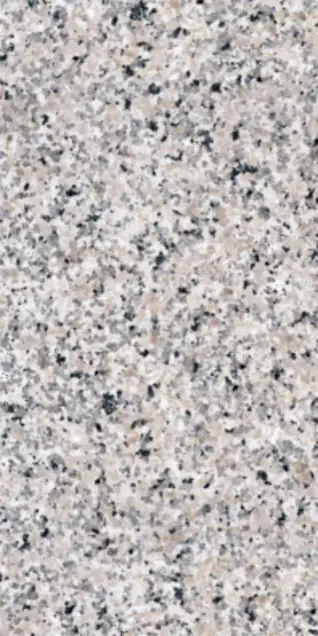 BOLTIC DOVE
 -
 DYNUT BEIGE
 -
DYNUT CHOCCO
-
DYNUT GREY
-
DYNUT GRIS
-
10001 DK
-
10001 HL1
-
10001 LT
-
10029 DK
-
10029 HL1
-
100035 LT

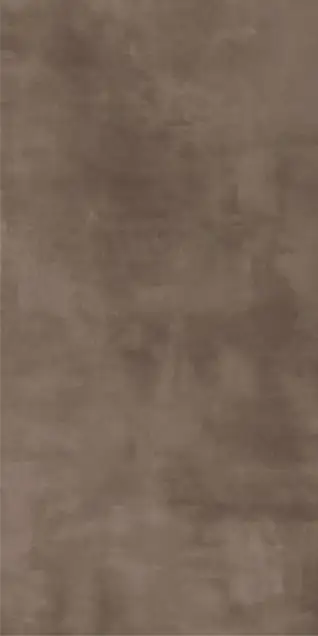


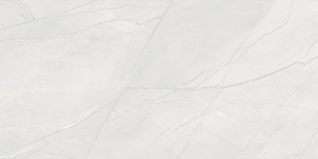
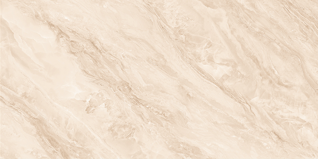
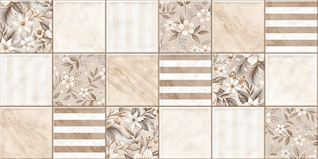
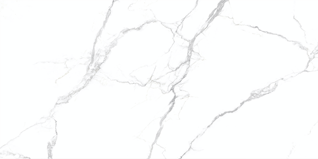
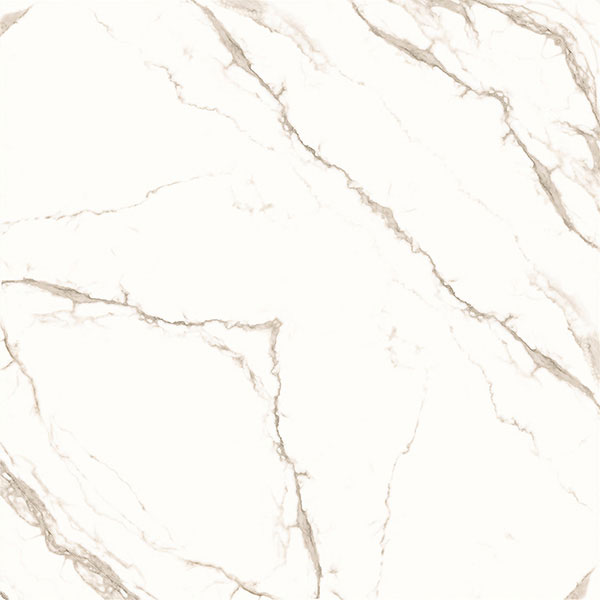
Polished Sugar Tiles are designed with a fine, grainy texture that visually resembles sugar crystals, giving the surface a subtle sparkle without a mirror-like shine. These tiles feature a unique finish where polishing is applied only on the top glaze layer, while the underlying surface remains textured. Although the tile surface appears flat, it is not smooth to the touch, resulting in a visually premium but technically demanding finish.
Polished Sugar Tiles are manufactured as vitrified or porcelain tiles and are technically known as Sugar Polished Glazed Vitrified Tiles (SPGVT). While they are admired for their appearance, these tiles are rarely used in the Indian market due to high dust levels and maintenance challenges. They perform better in international markets with cleaner, low-dust environments, where controlled conditions allow their aesthetic qualities to stand out. In India, they are often liked visually but not preferred for actual installation because cleaning and long-term maintenance are difficult.
Polished sugar tiles are best used in low-water-exposure areas, making them ideal for walls, feature panels, and backsplashes, where their sparkling surface can be admired without constant contact with water. In these applications, limited moisture ensures the tiles retain their brilliance, clarity, and luxurious finish, allowing them to enhance the space visually while remaining easy to manage in premium interiors.
What Sets Polished Sugar Tiles Apart?
Polished Sugar Tiles are visually distinctive but functionally niche. Their value lies more in design experimentation and controlled applications rather than everyday usability.
1. Sugar-Crystal Grain Texture – Unique Visual Identity
The most defining feature of polished sugar tiles is their micro-grain, crystal-like surface texture.
- Creates a soft, shimmering visual effect
- Enhances depth with sharp reflection
- Adds a premium, designer-focused appearance
- Often chosen for visual impact in concept spaces
However, this same texture makes the surface sensitive to dust and residue.
2. Polished but Not Smooth – Flat Surface with Rough Feel
Unlike fully polished glossy tiles, sugar tiles are only surface-polished.
- The surface looks even but feels slightly rough
- Micro-grains trap dust and fine particles
- Cleaning requires extra effort and frequency
- Not suitable for daily-use residential areas
This is why these tiles are often admired in samples but avoided in installations.
3. SPGVT Category – Sugar Polished Glazed Vitrified Tiles
Polished Sugar Tiles fall under the SPGVT category.
- Manufactured in vitrified and porcelain bodies
- Strong, dense core ensures structural durability
- The finish layer determines usability and performance
- Designed mainly for special project requirements
They are not mass-market tiles and are produced selectively.
4. High Maintenance Requirement – Major Limitation
Maintenance is the biggest drawback of polished sugar tiles.
- Dust settles easily into the grainy surface
- Watermarks and cleaning streaks are visible
- Frequent deep cleaning is required
- Difficult to maintain a uniform appearance over time
Because of this, they are not recommended for Indian living conditions.
5. Not Suitable for Bathrooms or Wet Areas
Polished sugar tiles are not preferred for bathrooms or moisture-prone zones.
- Water residue settles into micro-textures
- Soap stains and minerals are hard to remove
- Surface loses visual clarity over time
- Hygiene maintenance becomes challenging
These tiles are best restricted to dry, controlled environments.
6. International Market Preference – Low-Dust Conditions
Polished Sugar Tiles are more successful in international markets where:
- Indoor environments are dust-controlled
- Mechanical cleaning systems are common
- Climate conditions are stable
- Maintenance standards are high
This is where these tiles remain in high demand and perform exceptionally well.
7. Project-Based Manufacturing – Limited Availability
These tiles are not part of regular production cycles.
- Manufactured only against confirmed projects
- Very low consumption compared to other tile types
- Dealers usually do not stock these tiles
- Availability depends on specific project demand
This makes Polished Sugar Tiles a special-order product, not a retail staple.
Sizes Available in Polished Sugar Tiles
Polished Sugar Tiles are produced only in select premium sizes, focusing on large formats to reduce joint visibility:
- 600×600 mm
- 600×1200 mm
- 800×1600 mm
Larger sizes help maintain surface continuity and reduce visual disruption caused by joints.
Polished Sugar Tiles: Crafted for Ultra-Luxury and Statement Interiors
When luxury, brilliance, and visual drama matter most, polished sugar tiles stand in a league of their own. Their sparkling, crystal-like surface creates a disco-set elegance that transforms spaces into icons of opulence and grandeur. These tiles are highly preferred in 5-star and 7-star hotels, luxury hospitality projects, and premium jewellery showrooms, where atmosphere, shine, and first impressions define brand prestige.
Beyond hospitality and retail, polished sugar tiles are also ideal for luxury boutiques, designer flagship stores, high-end malls, royal banquet halls, destination wedding venues, premium casinos, exclusive lounges, luxury cinemas, art galleries, and signature foyers of upscale commercial towers. In such elite environments, maintenance is not a limitation, as dedicated housekeeping and professional cleaning systems ensure long-term brilliance. Chosen not for convenience but for impact, polished sugar tiles are a symbol of uncompromising luxury, glamour, and refined excess, designed for spaces that demand nothing less than extraordinary.
Spaces Where Polished Sugar Tiles Are Used
Luxury Showrooms & Concept Spaces
Polished Sugar Tiles are occasionally used in luxury showrooms and concept spaces where environments are fully controlled, and dust exposure is minimal. They are mostly applied on walls rather than floors, as wall installations reduce direct contact and maintenance challenges. Sizes such as 600x600 mm, 600×1200 mm and 800×1600 mm are preferred to maintain visual continuity and highlight the crystal-like surface texture.
Designer Feature Walls (Limited Use)
Polished Sugar Tiles are sometimes chosen for designer feature walls where visual impact is prioritized over functionality. Sizes such as 600x600mm and 800×1600 mm help reduce joint lines and enhance the refined, grainy surface appearance. These applications are purely aesthetic and are not meant for high-touch or high-maintenance zones.
Living Rooms (Very Limited & Conditional Use)
In living rooms, polished sugar tiles are rarely used and only in strictly controlled, low-dust environments. When applied, they are typically restricted to accent walls or TV unit backdrops, not flooring. Sizes like 600×1200 mm or 800×1600 mm are chosen to minimize joints and simplify maintenance. They are not recommended for regular Indian living rooms due to dust accumulation and cleaning difficulty.
Bedrooms (Decorative Use Only)
Bedrooms may occasionally use polished sugar tiles on feature walls or headboard panels in international or luxury design concepts. Flooring is generally avoided. Formats such as 600×1200 mm work best for vertical applications. While visually appealing, these tiles are selected only when professional cleaning and controlled indoor conditions are assured.
Kitchens (Not Recommended)
Polished Sugar Tiles are not suitable for kitchens. The grainy surface traps oil vapours, dust, and food particles, making cleaning extremely difficult. Even for walls or backsplashes, their maintenance demands outweigh their aesthetic value. Hence, they are strongly discouraged in kitchen environments.
Hallways & Entryways (Not Recommended)
Hallways and entryways experience constant foot traffic and dust accumulation, which makes polished sugar tiles impractical. The textured surface shows dirt quickly and requires frequent deep cleaning. Due to this, they are not recommended for corridors, lobbies, or entry zones, especially in Indian conditions.
Commercial Spaces (Highly Selective Use)
In commercial settings, polished sugar tiles may be used only in low-touch decorative wall areas such as behind reception desks or brand walls in premium international projects. They are not suitable for commercial floors or high-traffic zones. Large sizes like 800×1600 mm are preferred to reduce maintenance complexity.
Outdoor Areas (Not Recommended)
Polished Sugar Tiles are not suitable for outdoor applications such as balconies, terraces, or façades. Exposure to dust, rain, pollution, and weather fluctuations severely affects their appearance and increases maintenance difficulty. These tiles are intended strictly for controlled indoor environments.
Make Informed Tile Choices with TilesFinders
At TilesFinders, we believe great design starts with the right information. Polished Sugar Tiles are visually striking but technically demanding, best suited for specific international or project-based applications rather than everyday Indian use. Our platform helps you understand not just how a tile looks, but where it truly performs best. Explore niche finishes confidently and choose tiles that align with real-world usability.


FAQs
Polished Sugar Tiles are SPGVT (Sugar Polished Glazed Vitrified Tiles) made in vitrified or porcelain bodies, featuring a fine-grained surface that visually resembles sugar crystals with polishing done only on the top glaze layer.
No. Although the surface looks flat, it is not smooth. The micro-grain texture remains beneath the polish, giving a slightly rough feel.
No, in Indian conditions, floor installation is not recommended due to the maintenance difficulties it presents.
No. They are not recommended for bathrooms or wet areas as water, soap residue, and minerals get trapped in the grainy surface, making cleaning difficult.
Yes, their micro-grain texture traps dust, water marks, and cleaning residue, requiring frequent deep cleaning to maintain a uniform appearance.