

Patio Tiles: Outdoor Floor Tile Guide for Indian Homes and Gardens
Loading designs...
-
 10009
10009 -
 10010
10010 -
10012
-
10013
-
10015
-
10017
-
10018
-
Biscuit
-
Golden Oak
-
Classic Oak
-
Kempas
-
Mahogony
-
Maple Wood
-
Roman Wood
-
Sedona Red
-
Wenge Wood
-
Mocca Oak
-
Oxford Brown
-
Pecan
-
Satin Wood






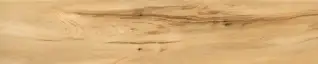





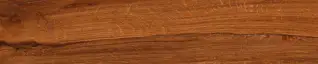


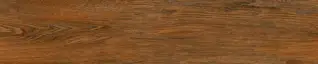



A patio is a ground-level outdoor space: a sitting area beside the house, a courtyard between rooms, a garden dining area, or a covered verandah floor. In Indian residential design, patio spaces appear in independent homes, villas, bungalows, and farmhouses, and increasingly in larger apartment complexes with private garden areas. The tile on a patio floor takes direct sun, monsoon rain, and foot traffic simultaneously, which means the specification has to be correct from the start. Patio tiles that look good in a showroom under fluorescent light but are laid in the wrong body type or finish will stain, crack, or lose their adhesion bond within two to three monsoon seasons.
A patio at ground level is specified differently from a roof terrace in one important respect: because a ground-level patio does not sit above a living space, there is no mandatory waterproofing membrane requirement beneath the tile. The concern shifts from protecting a room below to preparing the sub-base correctly so the tile has a stable, well-drained foundation. A compacted, well-laid concrete base with adequate drainage slope is the correct sub-base for ground-level patio tiles. Where tiles are being laid over an existing concrete patio slab, the concrete condition and the adhesive specification change, as discussed below.
This page covers the full patio tile decision: which tile body types are correct for open and covered patios, how to lay tiles over an existing concrete patio, which design directions work best in outdoor light, the wood-effect and patterned tile options available in GVT outdoor specification, and the full colour and price range for patio tiles from Morbi manufacturers.
Patio Tile Specification: Open vs Covered
The distinction between an open patio and a covered patio changes the tile body type options available, and this is the first decision to make before anything else.
An open patio receives direct monsoon rain. The tile must absorb less than 0.05% water under IS 15622:2006. This means GVT or full body vitrified tiles in matte or textured finish. Ceramic tiles at 12% to 16% water absorption must not be used on an open patio. Porcelain tiles at 2% to 5% absorption are marginal: they handle covered patio conditions adequately, but are not the strongest specification for an open patio in a high-rainfall Indian city. The finish must be matte or textured for outdoor grip when wet. Polished, high-gloss, satin matte, and sugar finish tiles must not be used on any outdoor patio floor. Outdoor tiles for patio applications follow the same body type hierarchy as any other outdoor surface in India.
A covered patio under a pergola, a shade sail, a tiled or polycarbonate roof, or a deep overhanging eave has significantly reduced direct rain exposure. On a covered patio floor, porcelain tiles in matte finish are an acceptable specification. Ceramic tiles in matte finish are also usable on covered patios where the floor does not receive direct rain. The finish must still be matte or textured on a covered patio floor: the floor gets morning dew, occasional wind-driven rain, and is cleaned with water, all of which make a polished or glossy surface a grip concern.
Patio Tiles over Concrete: Laying Tiles on an Existing Slab
Outdoor patio tiles over concrete is one of the most searched patio tile topics in India, and for good reason: many Indian homes have an existing plain concrete patio that the owner wants to tile without the cost and disruption of breaking out the concrete and starting fresh. Tiling over an existing concrete patio is practical and cost-effective when the concrete is in good condition, but the preparation and adhesive specification are different from a fresh screed installation.
Checking the Existing Concrete
Before laying patio tiles over concrete, the existing slab must be assessed. Tap the concrete surface across the full area: a hollow sound indicates delaminated concrete or voids below the surface, which must be repaired before tiling. Any cracks wider than 2mm must be filled with polyurethane sealant and allowed to cure. Oil, curing compound, paint, or any existing coating on the concrete surface must be completely removed by grinding or scarifying; tile adhesive does not bond correctly to contaminated surfaces. The concrete must also be checked for adequate slope toward the drain. If the existing concrete ponds water in any area, the tile laid over it will sit in standing water, which accelerates grout joint degradation.
Adhesive Specification for Tiles over Concrete
Tiling over an existing outdoor concrete patio requires a polymer-modified flexible tile adhesive, not a standard cement-based adhesive. The existing concrete slab has already undergone years of thermal expansion and contraction. A rigid adhesive bonded between the flexible existing slab and the tile will develop internal stress from differential movement and will crack the adhesive bond within one to two years. A flexible polymer-modified adhesive accommodates this differential movement and maintains the bond. Apply a bonding primer to the concrete surface before the adhesive if the concrete surface is smooth or non-porous. Back-butter each tile before laying.
Thickness and Drain Level
Tiling over an existing concrete patio adds 12 to 20mm to the finished floor level, depending on the tile thickness and the adhesive bed. This height increase must be accounted for at every threshold, step edge, and drain. If the existing drain is at the level of the concrete, it will now be 12 to 20mm below the new tile surface unless it is raised or a new drain surround is installed. Plan the drain level and any step transitions at the patio edge before ordering tiles.
Patio Tile Body Types: What to Use and What to Avoid
| Body Type | Water Absorption | Open Patio Floor? | Covered Patio Floor? | Finish for Patio | Price Range (Rs./sq.ft) |
|---|---|---|---|---|---|
| GVT | Below 0.05%, IS 15622:2006 | Yes | Yes | Matte, GHR, Textured, Rough | Rs. 40 to Rs. 110 |
| Full Body Vitrified | Below 0.05%, IS 15622:2006 | Yes | Yes | Matte, Textured | Rs. 50 to Rs. 120 |
| Porcelain | 2% to 5% | Not recommended for high-rainfall zones | Yes | Matte, Satin Matte | Rs. 38 to Rs. 90 |
| Ceramic | 12% to 16% | No | Yes, if no direct rain | Matte only | Rs. 25 to Rs. 60 |
| PGVT | Below 0.05% | No, a polished surface is unsafe on wet outdoor floors | No | Polished (not for outdoor floors) | Not suitable |
Note: Polished, high-gloss, satin matte, and sugar finish tiles must not be used on any patio floor, open or covered. The finish creates inadequate grip when the floor is wet from rain, dew, or cleaning. Matte, GHR, textured, or rough finish is the correct outdoor specification.
Patio Tile Design Options
Wood Effect Patio Tiles
Wood patio tiles and wood effect patio tiles are GVT tiles with a wood-grain surface design in an outdoor-rated matte or GHR finish. These are among the most popular patio tile directions in Indian residential design because they give an outdoor sitting area the warmth and linear character of a timber deck without the maintenance, warping, and termite risk that actual wood presents in Indian conditions. Actual timber decking in an Indian outdoor space requires annual oiling or sealing, swells and gaps in monsoon humidity, and is vulnerable to termites and fungal growth in tropical zones. Wood look tiles in outdoor-rated GVT matte finish replicate the grain, tone, and plank proportions of timber on a tile body that absorbs less than 0.05% water and requires no maintenance beyond periodic cleaning.
For patio floors, wood-effect GVT tiles in 200x1200mm or 300x1200mm plank format are the most convincing in terms of timber proportion. Warm oak and grey-washed oak are the most used colour directions for Indian patio wood-effect tiles. The matte finish reads most naturally as timber outdoors: a polished or glossy wood-effect tile loses its timber character to the surface sheen and is, in any case, not appropriate for an outdoor floor. Price range: Rs. 55 to Rs. 110 per sq ft for outdoor-rated GVT wood-effect patio tiles from Morbi.
Grey Patio Tiles
Grey patio tiles in GVT matte or textured finish are the most used neutral direction for Indian patio floors, for the same reasons grey dominates indoor living spaces: they work with any outdoor furniture colour, show less accumulated dust and soil than light cream or white, and read consistently across different outdoor light conditions from morning shade to afternoon sun. Light grey matte GVT on a patio floor also absorbs less solar radiation than terracotta-red or dark grey, which makes the surface more comfortable underfoot in Indian summer afternoons. Grey porcelain patio tiles in matte finish are an alternative for covered patios. Price range: Rs. 42 to Rs. 90 per sq ft for grey GVT patio tiles from Morbi.
Terracotta Patio Tiles
Terracotta patio tiles bring the warm red-orange character of traditional Indian outdoor spaces to a contemporary patio design. As with terrace applications, actual fired terracotta with 15% to 20% water absorption requires sealing and regular maintenance on an open outdoor patio. GVT terracotta-look tiles in rough or matte finish absorb less than 0.05% water, hold their colour without sealing or fading, and give the patio the earthy, warm quality of terracotta without the maintenance. Terracotta-look GVT in 300x300mm or 300x600mm is the most common format for Indian patio floors in this colour direction. Price range: Rs. 40 to Rs. 78 per sq ft.
Stone Look and Slate Patio Tiles
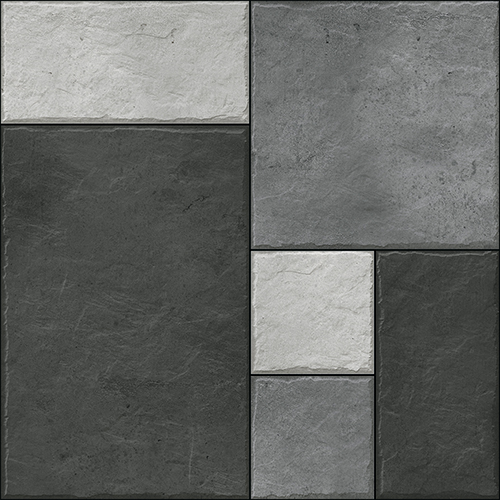
Stone-look GVT tiles in sandstone, slate, and granite grain patterns give a patio the visual weight and natural texture of cut stone without the variability and maintenance of actual stone. Slate-look GVT in dark grey or blue-grey matte finish in 300x600mm gives a patio a cool, architectural quality. Sandstone-look in warm buff and beige in 300x600mm or 600x600mm gives a courtyard or garden sitting area a traditional, garden-party character. For an open patio that receives direct monsoon rain, GVT stone-look is the correct specification. Actual slate, which absorbs 0.5% to 1% water, is acceptable for covered patios in low-to-moderate rainfall zones but is not the strongest specification for an open patio in high-rainfall Indian cities. Terrace tiles in stone-look GVT share the same outdoor specification as patio tiles and cover the stone-look direction in further detail.
Patterned Patio Tiles
Patterned patio tiles, including geometric, Moroccan-look, encaustic-look, and black-and-white chequerboard designs on GVT outdoor-rated tiles, give a patio a designed, garden-room quality that plain stone-look or grey tiles cannot. These tiles are available in outdoor-rated GVT specification in 300x300mm and 300x600mm formats. Patterned outdoor tiles work best on smaller, enclosed patio areas where the full pattern can be read from above, and on covered patio sections where the tile is seen at close range and the pattern detail is fully visible. On a large open patio where the tile is seen from a distance, a fine-detail pattern flattens out and the effect is lost. Price range: Rs. 45 to Rs. 85 per sq.ft for GVT patterned outdoor patio tiles from Morbi.
Black Patio Tiles
Black patio tiles in GVT matte or textured finish create a striking outdoor space with strong visual contrast against white walls, light-coloured furniture, and green planting. The practical consideration for black patio tiles in India is heat absorption: a black or very dark tile surface reaches 65 to 70 degrees Celsius in direct afternoon summer sun, making it uncomfortable or impossible to walk on barefoot. Black patio tiles are practical in covered patios, east-facing patios that get shade in the afternoon, or patios used primarily in the evening. In direct-sun patio areas, a dark charcoal or near-black tile rather than true black keeps the aesthetic character while reducing the peak surface temperature slightly. Price range: Rs. 50 to Rs. 100 per sq.ft.
White Patio Tiles
White and off-white patio tiles in GVT rough or matte finish are the coolest surface temperature option for an outdoor patio and create a clean, open visual quality that makes even small patio areas feel larger. White porcelain patio tiles are used on covered patios and partially covered garden areas. The maintenance consideration for white tiles on an Indian outdoor patio is the same as for any light outdoor surface: algae and moss in shaded zones, soil marks from planter overflow, and mineral staining from hard water. Pressure washing twice a year and periodic moss treatment are the standard maintenance for a white GVT patio floor in Indian conditions. Price range: Rs. 40 to Rs. 80 per sq ft.
Large Patio Tiles
Large patio tiles in 600x600mm and 600x1200mm give an outdoor patio a clean, contemporary look with minimal visible grout lines. 600x600mm is the most practical large format for patio floors: it handles the slight slope variations of a ground-level outdoor slab better than 600x1200mm, is easier to cut around obstacles and planter edges, and produces less waste. 600x1200mm large outdoor tiles for patios are used on larger, regularly shaped patio areas with a clear, consistent slope and minimal obstacles. Price range: Rs. 52 to Rs. 100 per sq.ft for large format outdoor GVT patio tiles from Morbi.
Non-Slip Patio Tiles: The Correct Outdoor Finish
Non-slip patio tiles are any GVT tiles with a matte, textured, rough, or GHR finish that provides adequate grip when the floor is wet. On an outdoor patio that receives rain, morning dew, and cleaning water, the floor will be wet at various points through the day and year. The outdoor slip resistance standard requires a coefficient of friction above 0.6 in wet conditions. Textured and rough-surface GVT, GHR finish GVT, and matte GVT tiles all meet this requirement for patio floors.
The texture level to choose depends on how the patio is used. A rough-surface or rock-texture GVT tile provides the highest grip but collects more soil and debris in the texture pockets, which means more frequent sweeping. A matte flat-surface GVT provides adequate wet grip with an easier-to-clean surface. For patios adjacent to gardens, around pools, or in areas where soil and leaf debris accumulate frequently, a matte rather than rough finish makes the floor easier to maintain without compromising safety.
Affordable Patio Tiles: Getting the Correct Specification at a Lower Cost
Cheap patio tiles or affordable outdoor patio tiles in the Indian market typically mean ceramic tiles, which are available from Rs. 25 to Rs. 60 per sq ft. The problem with ceramic on an open outdoor patio is the same as for any other outdoor surface: 12% to 16% water absorption means the tile absorbs monsoon rain, the adhesive degrades, and the tile system fails within two to three monsoon seasons. A Rs. 30 per sq.ft ceramic patio tile that needs replacing in two years is more expensive over time than a Rs. 45 per sq ft GVT matte tile that lasts fifteen years.
The most affordable correctly specified patio tiles are plain matte or rough-texture GVT in 300x300mm or 300x600mm from Morbi, available from Rs. 38 to Rs. 52 per sq ft ex-factory (Rs. 50 to Rs. 68 per sq ft at retail). These are the entry points for outdoor patio tile specification that will hold through Indian monsoon conditions without adhesion failure or surface degradation. Avoiding ceramic and polished tiles on outdoor patios is the most important cost decision: the savings on the tile are recovered many times over in avoided reinstallation costs.
Patio Tile Pricing from Morbi
| Tile Design Direction | Body Type | Format | Finish | Retail Price (Rs./sq.ft) |
|---|---|---|---|---|
| Plain matte, light colours | GVT | 300x300mm, 300x600mm | Matte or Rough | Rs. 50 to Rs. 68 |
| Plain matte, medium to large | GVT | 600x600mm | Matte or GHR | Rs. 55 to Rs. 82 |
| Grey or white patio | GVT | 300x600mm, 600x600mm | Matte or GHR | Rs. 52 to Rs. 90 |
| Terracotta look | GVT | 300x300mm, 300x600mm | Rough or Matte | Rs. 50 to Rs. 78 |
| Stone or slate look | GVT | 300x600mm, 600x600mm | Matte or GHR | Rs. 55 to Rs. 90 |
| Wood effect patio tiles | GVT | 200x1200mm, 300x1200mm | Matte or GHR | Rs. 62 to Rs. 110 |
| Patterned geometric or Moroccan look | GVT | 300x300mm, 300x600mm | Matte | Rs. 55 to Rs. 88 |
| Large-format patio | GVT | 600x1200mm | Matte | Rs. 70 to Rs. 110 |
| Black patio tiles | GVT | 300x600mm, 600x600mm | Matte or Textured | Rs. 55 to Rs. 100 |
| Porcelain-covered patio | Porcelain | 600x600mm | Matte | Rs. 48 to Rs. 90 |
Installation cost: Rs. 40 to Rs. 65 per sq.ft for standard straight or running bond laid on a prepared concrete base. Tiling over an existing concrete slab (with primer and flexible adhesive) adds Rs. 10 to Rs. 20 per sq.ft above standard installation cost. Patterned and diagonal layouts add Rs. 15 to Rs. 25 per sq.ft.
Choose the Right Tile for Your Patio
Patio tile selection starts with the exposure (open or covered), then the sub-base condition, then the design direction and colour that works in your outdoor space. Browse outdoor-rated GVT patio tiles in wood-effect, grey, terracotta, stone, patterned, and large-format directions on TilesFinders. Confirm GVT body type and matte or textured finish for any open patio application before shortlisting.




FAQs
GVT in matte or textured finish with water absorption below 0.05% under IS 15622:2006 is the best tile for an outdoor patio in India. It handles direct monsoon rain, thermal cycling, and UV exposure without adhesion failure or surface degradation. Matte and textured finishes provide outdoor grip when the floor is wet. 300x600mm and 600x600mm are the most used sizes. Stone-look, grey, wood-effect, and terracotta-look GVT are the most used design directions. Price range: Rs. 50 to Rs. 90 per sq.ft at retail from Morbi.
Porcelain tiles with 2% to 5% water absorption are suitable for covered patio floors that do not receive direct monsoon rain. For an open patio that is exposed to direct rain in a high-rainfall Indian city, GVT with water absorption below 0.05% is the stronger specification. Porcelain in matte finish is adequate for covered patios, partially covered garden sitting areas, and patio zones under pergolas. Finish must be matte: polished or glossy porcelain must not be used on any outdoor patio floor.
To tile an outdoor patio over an existing concrete slab: remove any oil, paint, or coating from the concrete surface by grinding or scarifying; fill all cracks wider than 2mm with polyurethane sealant; apply a bonding primer to the clean concrete surface; fix the tiles with a polymer-modified flexible outdoor tile adhesive and back-butter each tile; grout all joints with epoxy grout; fill all perimeter joints and expansion joints at 3 to 4 metre intervals with flexible polyurethane sealant. Account for the 12 to 20mm height increase at all thresholds, step edges, and drain surrounds.
Wood effect patio tiles are GVT tiles with a wood-grain surface design in an outdoor-rated matte or GHR finish. They replicate the grain, tone, and plank proportions of timber decking on a tile body that absorbs less than 0.05% water. 200x1200mm and 300x1200mm are the most common plank formats. They do not warp, swell, or develop termite damage in Indian outdoor conditions. Warm oak and grey-washed oak are the most used colour directions. Price range: Rs. 62 to Rs. 110 per sq.ft.
Ceramic tiles with 12% to 16% water absorption must not be used on an open outdoor patio that receives direct rain. On an open patio, ceramic tiles absorb monsoon rain, the adhesive degrades from thermal cycling, and the tile system fails within two to three monsoon seasons. Ceramic tiles in matte finish are acceptable only on covered patio areas where direct rain does not reach. For any open outdoor patio, GVT in matte or textured finish is the minimum correct specification.
Patio tiles and terrace tiles use the same outdoor tile specification (GVT matte or textured, water absorption below 0.05%), but they differ in installation context. A terrace is a roof-level surface above a living space, which requires a waterproofing membrane beneath the tile to prevent leakage to the room below. A patio is a ground-level outdoor area where a waterproofing membrane is not mandatory, but a well-prepared and drained concrete sub-base is essential. The tile body type, finish, grout, and adhesive specification are the same for both surfaces.
300x600mm is the most practical size for the majority of Indian residential patios. It handles slope variations in a ground-level patio concrete base more easily than large formats, produces less waste at perimeter cuts, and is easier to cut around obstacles such as planter edges and step risers. 600x600mm is a good choice for larger, regularly shaped patios with a clear consistent slope. Large formats in 600x1200mm give a contemporary minimal look but require a more precisely levelled base. Wood-effect plank tiles in 200x1200mm or 300x1200mm are used specifically for the timber-deck proportions they create.
Clean patio tiles monthly with a pH-neutral or mildly alkaline cleaner and water. Avoid acidic cleaners that degrade grout joints. Before each monsoon season, inspect the flexible sealant at all perimeter joints and expansion joints and re-seal any cracked areas with polyurethane sealant. For algae or moss patches in shaded zones, apply diluted sodium hypochlorite (1 part bleach to 10 parts water), leave for 30 minutes, scrub, and rinse. GVT tiles are unaffected by this treatment at standard cleaning dilutions. Pressure washing the full patio once or twice a year keeps a tiled patio clean without chemical damage to the tile or grout.