

3D Tiles: Textured Wall Tile Design Guide for Indian Homes
Loading designs...
-
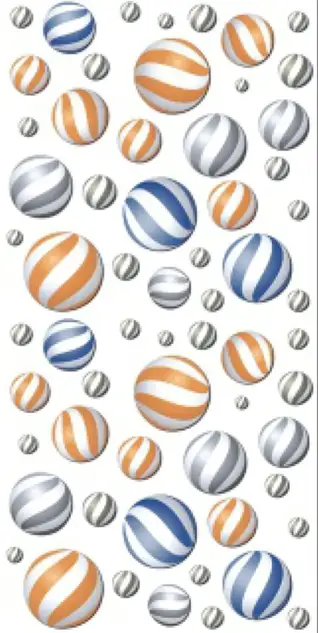 3D 001
 -
 3D 002
 -
3D 003
-
3D 004
-
3D 005
-
3D 006
-
3D 007
-
3D 008
-
3D 009
-
3D 010
-
3D 011
-
3D 012
-
3D 013
-
Sea Light
-
Crystal 40 HL 1
-
Sea
-
Sea Decor P2
-
Sea Decor P1
-
Sea Light
-
3D 001
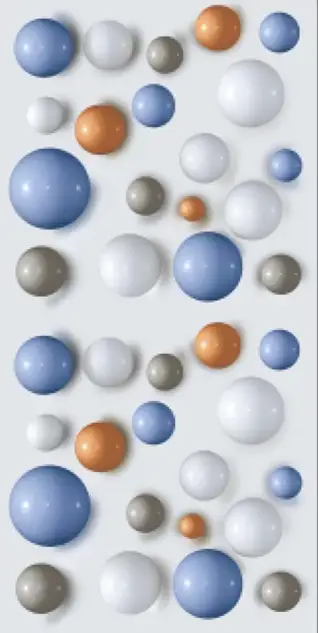
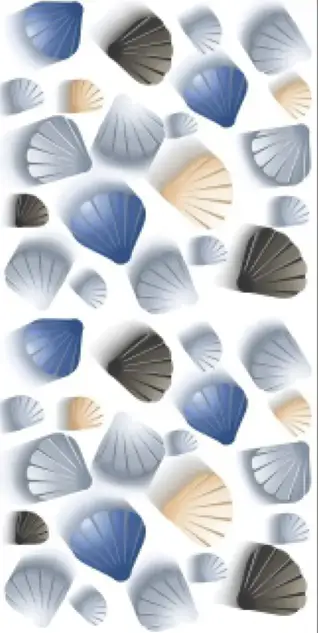
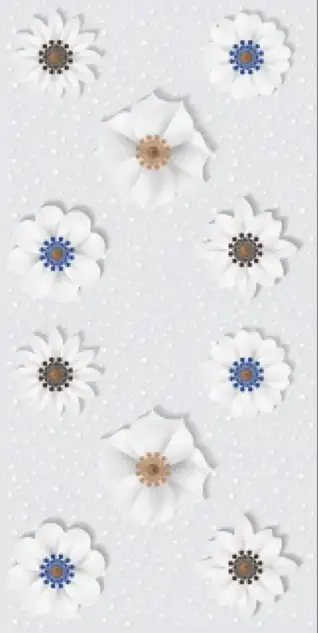
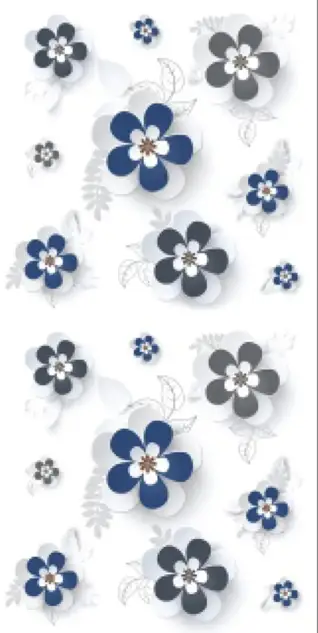
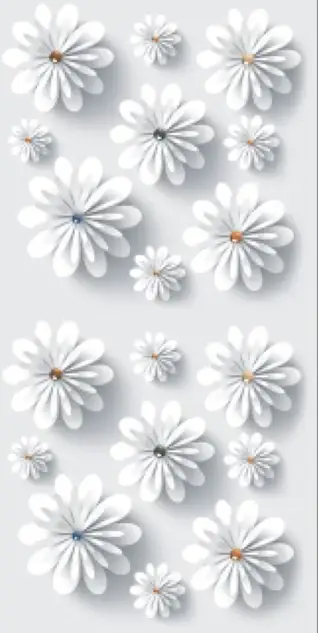
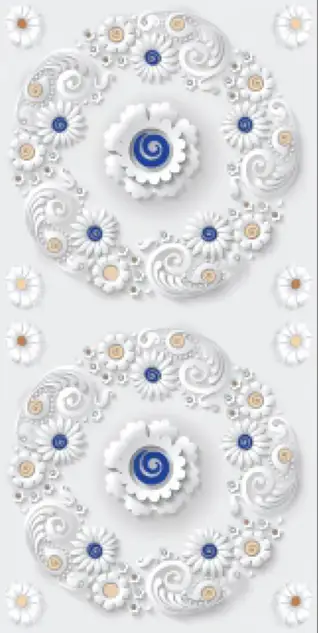
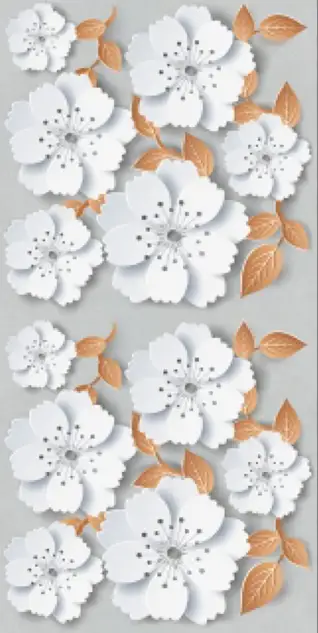
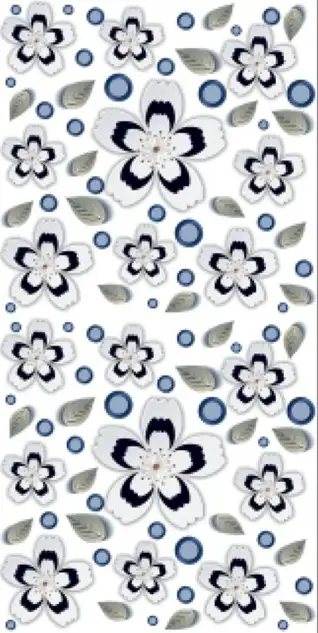
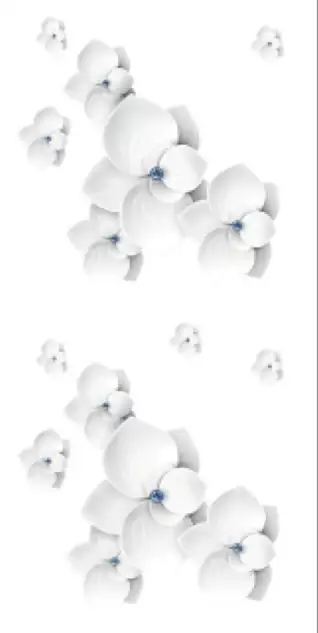
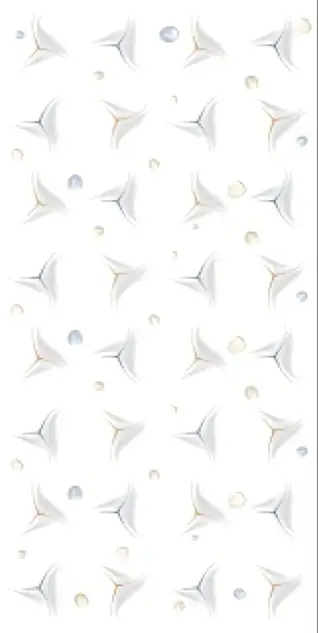

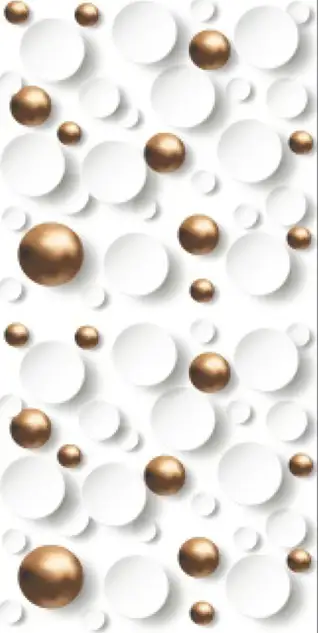
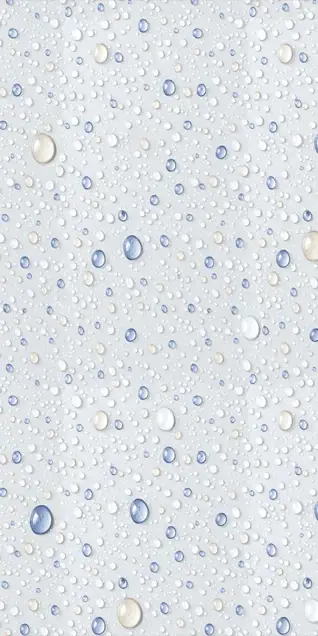
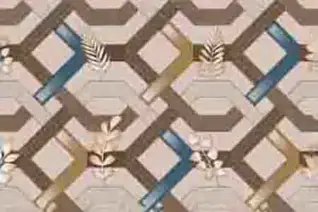
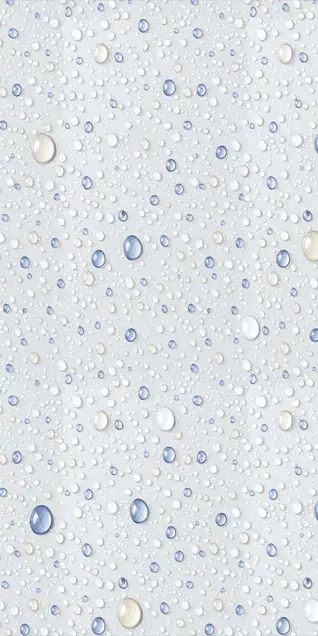

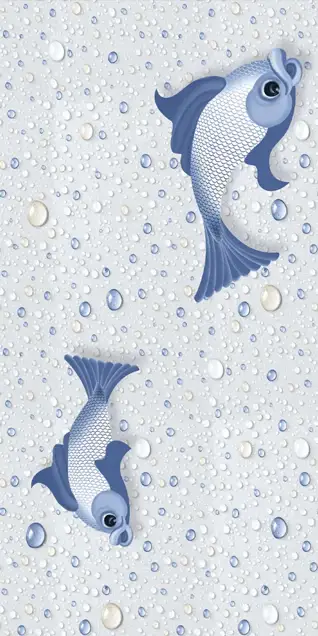
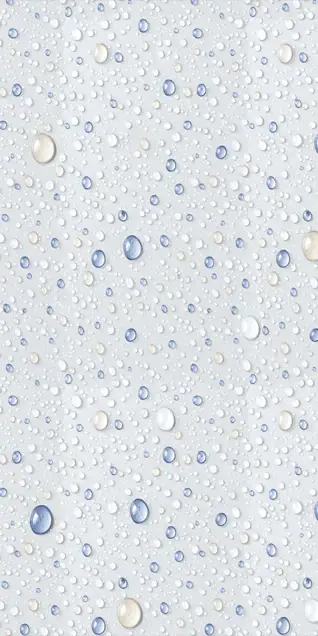
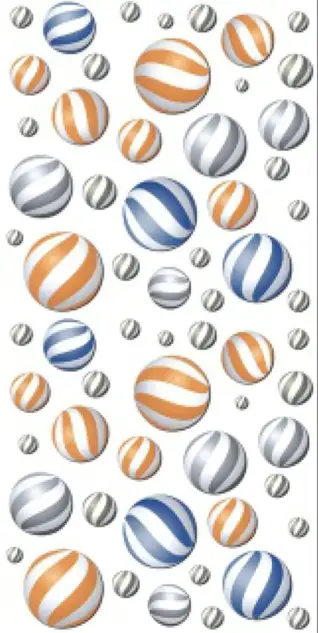
A 3D tile is a wall tile with a physically non-flat surface. Unlike a printed or digital-effect tile that creates the visual impression of depth through surface design, a true 3D tile has actual relief: the tile face has elements that project forward or recede from the tile plane, casting real shadows, catching light from different directions at different times of day, and giving the wall a tangible material depth that changes as the viewer moves across the room. This physical quality makes 3D tiles one of the most architecturally distinctive tile directions available: a wall tiled with a wave-relief or cube-pattern 3D tile in a bathroom or living room has a character that no flat tile, however beautiful its surface design, can replicate.
In Indian GVT production from Morbi, 3D tiles are produced in two main surface techniques. Matte Carving GVT has relief patterns carved or pressed into the tile surface during manufacture: geometric patterns, wave forms, stone textures, and abstract motifs with a relief depth of 3mm to 10mm that is visible and tactile. GHR (Glossy High Relief) GVT has raised surface elements in a high-gloss finish that create a combination of dimensional relief and glossy light reflection: the raised elements catch and reflect light while the recessed areas absorb it, creating a dynamic light-and-shadow surface quality. Both Matte Carving and GHR are wall tile finishes used for feature walls, accent panels, and bathroom walls in Indian residential and commercial design.
3D tiles are specified for wall applications. On a floor, a relief tile surface is impractical: the protruding elements are uncomfortable underfoot, the recessed texture pockets collect dust and floor grime that is difficult to clean, and the relief surface is not designed for the point load and abrasion of foot traffic. Every 3D tile application discussed on this page is a wall application.
True 3D Tiles vs 3D Effect Tiles
Two distinct products use the 3D tile label, and it is important to understand the difference before specifying.
True 3D tiles (Matte Carving and GHR): Tiles with actual physical surface relief. The three-dimensional quality exists in the tile itself: you can feel the pattern with your hand, the relief casts genuine shadows, and the surface changes character as room lighting changes direction. These are the 3D tiles that give a feature wall its most distinctive quality.
3D effect tiles: Flat tiles with a digital print surface design that creates an optical illusion of three-dimensional depth. A 3D cube effect tile or a 3D geometric print tile may appear to have depth from a distance, but is physically flat. These tiles are easier to clean (smooth, flat surface), less expensive, and create the visual impression of a 3D surface without the tactile quality of actual relief. In an Indian bathroom or living room where the wall is seen at a distance rather than touched, a 3D effect print tile can achieve a comparable visual result to an actual relief tile at a lower cost. Price range for 3D effect print tiles: Rs. 38 to Rs. 78 per sq. ft.; for true 3D Matte Carving GVT: Rs. 48 to Rs. 110 per sq ft.
3D Tile Surface Types
Wave and Ripple 3D Tiles
Wave tiles have a continuous undulating surface across the tile face: the tile surface rises and falls in smooth, regular waves that create strong directional highlight and shadow lines across the wall. In white or light colours, wave tiles in a bathroom or living room give the wall a dynamic, water-like surface quality that changes dramatically between morning and evening lighting. In darker tones, the shadow in the wave troughs deepens, and the highlight on the wave crests brightens, giving the wall a theatrical, architectural quality. Wave tiles are available in 300x600mm and 600x600mm in Matte Carving finish in white, grey, and stone-look tones. Price range: Rs. 52 to Rs. 100 per sq.ft.
Cube and Geometric 3D Tiles
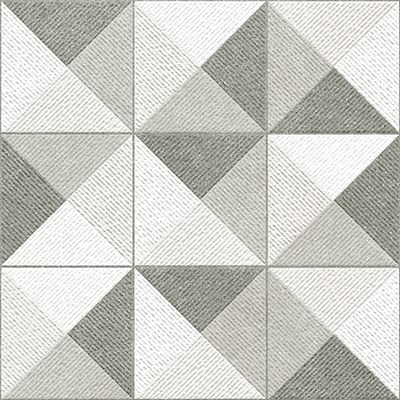
Cube pattern 3D tiles create an optical illusion on the wall: the isometric cube arrangement makes the flat wall appear to have three-dimensional cubic projections. This cube geometric pattern is one of the most searched and most distinctive 3D tile directions in Indian residential design, used on bathroom feature walls and living room accent panels. In white with dark grout, the cube pattern reads as a graphic architectural surface. In a solid dark colour, the cube reads as a sculptural, almost stone-like wall element. Cube and geometric 3D tiles in Matte Carving GVT in 300x300mm and 300x600mm. Price range: Rs. 50 to Rs. 105 per sq.ft.
Basket Weave 3D Tiles
Basket weave 3D tiles have an interlocked, woven pattern in relief that references traditional basket, rattan, and cane weaving textures. The relief depth of a basket weave tile gives the wall a warm, craft-quality surface that reads as natural material from across the room. In terracotta or warm beige tones, basket weave 3D tiles give a bathroom or dining room wall a distinctly Indian artisan quality that references the craft textile and basket-making traditions of Indian regional design. In white or grey, basket weave reads as a contemporary architectural wall treatment. Price range: Rs. 50 to Rs. 98 per sq.ft.
Stone and Dholpur-Look 3D Tiles
Stone-look 3D tiles in Matte Carving or textured GVT replicate the natural surface of rough-cut, split-face, or layered stone on a vitrified tile body. The most searched stone-look 3D direction in India is the Dholpur look: Dholpur is a yellow-pink sandstone from Rajasthan with a natural layered, textured surface that is widely used for exterior cladding, temple surfaces, and traditional building facades across North India. Dholpur-look textured GVT in Matte Carving finish in warm buff, terracotta-pink, and sandy yellow gives building elevation tiles and interior feature walls the natural, layered stone character of actual Dholpur stone on a non-porous vitrified tile body that is significantly more weatherproof and consistent than natural sandstone. Price range: Rs. 48 to Rs. 95 per sq.ft.
Mosaic and Hexagon 3D Tiles
Mosaic and hexagon 3D tiles combine a geometric surface design with physical relief: the individual mosaic or hexagon elements within the tile face have raised edges or a raised centre that gives the mosaic or hex pattern a three-dimensional quality beyond a flat printed surface design. These tiles give a bathroom wall or kitchen backsplash wall the visual complexity of a mosaic or hexagonal tile surface with the added depth of physical relief. In white or pale grey, 3D mosaic and hex tiles give a bathroom feature wall a contemporary, premium quality. Price range: Rs. 50 to Rs. 100 per sq.ft.
Marble and Concrete Look 3D Tiles
Marble-look 3D tiles combine marble look tiles surface design (veining, tone, and colour) with a relief surface that gives the marble pattern physical depth. In a Matte Carving GVT, a marble-look design with wave or ripple relief gives the tile a combination of the aspirational marble aesthetic and the distinctive physical depth of a 3D surface. Concrete-look 3D tiles in grey tones with a rough, pitted Matte Carving surface replicate the texture of raw concrete on a GVT tile body. In a living room or commercial interior feature wall, concrete-look 3D GVT in large format gives the wall an industrial, architectural quality. Price range: Rs. 52 to Rs. 108 per sq ft.
3D Tiles in Indian Rooms
3D Tiles Design for Hall and Living Room
The living room or hall feature wall is the most aspirational location for 3D tiles in an Indian home. A feature wall behind the television, the sofa, or at the entrance of the living room, in a Matte Carving or GHR 3D tile, gives the room a hotel-lobby or premium commercial interior quality that flat tiles cannot achieve. In a living room tiles context, 3D tiles in 600x600mm or 600x1200mm Matte Carving in a geometric or wave pattern give the feature wall a strong architectural presence. The relief surface catches the room's ambient and accent lighting and changes quality through the day as natural and artificial light shift direction. White or light grey 3D tiles on a living room feature wall with warm LED spotlight accent lighting give the 3D surface its most dramatic quality: the spotlight casts deep shadow into the relief recesses and bright highlight on the relief peaks, making the surface read as a sculptural element rather than a flat wall. Price range: Rs. 52 to Rs. 110 per sq ft.
3D Bathroom Tiles Design
The bathroom tiles feature wall is the second most searched application for 3D tiles in Indian homes. A single bathroom wall in a wave, cube, or geometric 3D Matte Carving GVT gives the bathroom a premium, spa-quality character that flat tiles cannot achieve. In a compact Indian bathroom of 40 to 60 square feet, using 3D tiles on one feature wall (the wall behind the basin or the shower wall) with plain coordinating tiles on the other three walls gives the bathroom maximum design impact without making the small space feel enclosed. Full 3D tile coverage on all four bathroom walls can read as busy in a compact space; one feature wall is the more considered approach for Indian apartment bathrooms. Price range: Rs. 50 to Rs. 105 per sq.ft.
3D Tiles Design for Bedroom
A bedroom tile headboard wall in a 3D Matte Carving GVT tile gives the bedroom the most premium surface quality available as a wall treatment in that application. Wave pattern 3D tiles in soft white or warm ivory on the headboard wall give the bedroom a boutique hotel quality: the wave surface catches the warm LED bedside lighting and creates an ambient, constantly shifting light-and-shadow pattern across the headboard wall that is particularly effective in a room where the lighting is typically directional and warm. Geometric or cube 3D tiles on a bedroom headboard wall give a more contemporary, architectural quality. Price range: Rs. 50 to Rs. 108 per sq.ft.
3D Kitchen Tiles Design
3D tiles in a kitchen are used exclusively on the wall surfaces: the backsplash, the wall above the hob, and the general kitchen wall. 3D tiles must not be used on kitchen floors. On a kitchen backsplash wall, a 3D tile with a wave or geometric Matte Carving surface in white or stone-look gives the cooking zone a premium, designed quality. The practical consideration for 3D tiles at the kitchen hob zone: the relief pockets of a textured 3D tile collect cooking oil and food splatter more readily than a smooth flat tile. At the hob zone specifically, a 3D effect print tile (flat surface with printed 3D design) is more practical than an actual relief tile. For the general backsplash zone away from the hob and sink, a Matte Carving 3D tile is a fully valid and beautiful direction. Price range: Rs. 48 to Rs. 105 per sq.ft.
3D Elevation Tiles
3D tiles on building exteriors elevation are outdoor-rated GVT in Matte Carving, textured, or rough-surface finish with water absorption below 0.05% under IS 15622:2006. Outdoor elevation 3D tiles face direct rain, UV, and temperature cycling, which means the tile body must be outdoor-certified and the finish must be a matte or textured surface rather than a smooth or polished one that would show rain streaking and mineral staining from outdoor exposure. Stone-look Matte Carving GVT in Dholpur-look, slate-look, and sandstone-look directions are the most used 3D elevation tile directions in Indian residential building facades and commercial exterior cladding. Buyers specifying the full exterior tile system, including waterproofing, mechanical fixing, and joint sealing, will find the complete outdoor specification in the [elevation tiles] section. Price range: Rs. 52 to Rs. 105 per sq ft for outdoor-rated 3D elevation GVT.
3D Tiles and Lighting: The Most Critical Design Decision
More than any other tile direction, 3D tiles depend on lighting to perform as designed. A 3D tile in a poorly lit space or with only flat ambient overhead lighting delivers less than half the visual quality it achieves with directional lighting. Understanding how to light a 3D tile wall is as important as choosing the right tile.
Directional spotlight or downlight: The most effective lighting for 3D tiles. A focused spotlight or adjustable downlight aimed at the tile surface at an angle of 30 to 45 degrees creates deep shadow in the relief recesses and bright highlight on the relief peaks, giving the 3D surface its maximum depth and drama. In a living room, a spotlight aimed at the 3D feature wall from above and to one side gives the tile its most architectural quality.
Wall-mounted sconce or batten light: A wall-mounted light above or beside a 3D tile panel creates close-range directional lighting that grazes across the tile surface, casting strong shadow lines that read clearly from across the room. This is the most effective bathroom lighting approach for 3D tile feature walls.
Flat overhead ambient lighting: The least effective for 3D tiles. Flat overhead light that illuminates the tile surface from directly above and straight on minimises shadow casting and flattens the relief. In rooms where only flat overhead lighting is available, a 3D effect print tile (flat surface with printed depth illusion) gives a comparable visual result to an actual relief tile because the printed depth is not dependent on directional lighting to read.
3D Tiles on Ceilings
GVT in Matte Carving or textured finish can be used as ceiling cladding in the same way that standard GVT ceiling tiles are fixed: with C2TE overhead-rated adhesive applied to both the ceiling substrate and the tile back, with mechanical anchor screws as a secondary safety system for tiles above 600x600mm in commercial or occupied spaces. The relief surface of a 3D ceiling tile creates a textured overhead surface that gives compact rooms an architectural ceiling quality. The lighting consideration for 3D ceiling tiles is more critical than for wall tiles: ceiling-mounted lighting must graze across the 3D tile surface at an angle to create the shadow-and-highlight quality; a centred overhead light directly below a 3D ceiling tile will not reveal the relief effectively.
3D Tiles vs Bookmatched Tiles for Feature Walls
Two premium wall tile directions compete for the same feature wall application: 3D Matte Carving tiles and bookmatch tiles in large-format polished GVT or porcelain slab. The design character and practical considerations are completely different. 3D tiles give the wall physical depth and tactile texture: the surface changes visually as the viewer moves, as lighting shifts, and as the time of day changes. Bookmatched tiles give the wall a seamless, mirror-image stone surface quality: the drama is in the scale and symmetry of the pattern rather than in physical surface relief. 3D tiles suit feature walls where dynamic surface quality and tactile interest are the design intention. Bookmatched slabs suit feature walls where pristine, seamless material quality and a quiet sense of luxury are the intention. The two directions are rarely combined: one feature wall per room in one direction is the correct approach.
3D Tiles for Kids Rooms
3D tiles in a kids' room tiles context are used on the headboard wall or one accent wall of the bedroom, never on the floor. In a child's bedroom, a wave-pattern or soft geometric Matte Carving 3D tile on the headboard wall gives the room a tactile, interesting surface that children find genuinely engaging: the physical relief of the tile surface is something children reach out to touch, which gives the wall a quality beyond visual interest. The tile must be installed on the wall only: on a floor, the relief surface creates an uneven footing that is a safety concern for young children. Soft, rounded relief patterns (wave, gentle ripple, soft geometric) suit children's rooms better than sharp geometric cuts. Price range: Rs. 48 to Rs. 98 per sq ft.
3D Tiles Quick Reference by Pattern and Application
| 3D Pattern | Relief Type | Best Application | Tone Directions | Price Range (Rs./sq.ft) |
| Wave or ripple | Matte Carving, continuous undulation | Bathroom feature wall, bedroom headboard, living room accent | White, grey, stone-look, warm ivory | Rs. 52 to Rs. 100 |
| Cube geometric | Matte Carving or effect print, isometric cube | Living room TV wall, bathroom feature wall, hotel lobby | White, dark grey, charcoal, concrete-look | Rs. 50 to Rs. 105 |
| Basket weave | Matte Carving, interlocked woven relief | Dining room wall, bathroom feature wall, artisan interior | Terracotta, warm beige, warm white, natural | Rs. 50 to Rs. 98 |
| Mosaic or hex | Matte Carving, raised mosaic or hex elements | Bathroom feature wall, kitchen backsplash, general zone | White, pale grey, blue, terracotta | Rs. 50 to Rs. 100 |
| Stone or Dholpur-look | Matte Carving or GHR, rough stone surface | Elevation cladding, exterior feature wall, traditional interior | Buff, terracotta-pink, sandy yellow, slate | Rs. 48 to Rs. 95 |
| Marble-look with relief | Matte Carving, marble print with wave or ripple | Living room feature wall, hotel bathroom, premium bedroom | White-grey veining, cream-gold veining | Rs. 52 to Rs. 108 |
| Concrete-look with texture | Matte Carving, pitted concrete surface | Office feature wall, restaurant interior, industrial aesthetic | Mid-grey, charcoal, warm grey | Rs. 50 to Rs. 105 |
| 3D geometric print (effect) | Flat surface, printed depth illusion | Hob zone backsplash, rooms with flat overhead lighting | Any colour direction | Rs. 38 to Rs. 78 |
3D Tiles Pricing from Morbi
3D Matte Carving and GHR GVT tiles from Morbi across all pattern directions and room applications. Ex-factory prices are 25% to 40% below retail. Retail price range for true 3D relief tiles (Matte Carving GVT): Rs. 48 to Rs. 110 per sq.ft. GHR (Glossy High Relief) GVT: Rs. 52 to Rs. 115 per sq.ft. 3D effect print tiles (flat surface with printed depth): Rs. 38 to Rs. 78 per sq.ft. Outdoor-rated 3D elevation GVT in Matte Carving or textured finish: Rs. 52 to Rs. 105 per sq.ft. Installation cost for 3D wall tiles: Rs. 25 to Rs. 48 per sq.ft for standard straight lay. Grout colour is a critical decision for 3D tiles: matching grout minimises the joint visibility and lets the relief surface read as the design element; contrasting grout adds a grid pattern to the 3D surface that can compete with the relief.
Choose the Right 3D Tile
3D tile selection starts with the application wall (living room feature wall, bathroom feature wall, bedroom headboard, elevation), then the pattern type that suits the room's design intention (wave for organic movement, cube for architectural precision, basket weave for artisan warmth, stone-look for natural material character), then the tone and colour direction, and finally the lighting plan that will reveal the 3D surface at its best. Browse TilesFinders for Matte Carving GVT, GHR GVT, and 3D effect wall tiles in all patterns and colour directions from Morbi manufacturers.


FAQs
3D tiles are wall tiles with a physically non-flat surface. The tile face has relief elements that project forward or recede from the tile plane, creating actual three-dimensional surface variation that casts real shadows and catches light from different angles. In GVT production from Morbi, 3D tiles are produced in Matte Carving finish (relief carved or pressed into the tile surface) and GHR finish (Glossy High Relief, raised elements with a high-gloss surface). 3D effect tiles are flat tiles with a printed digital design that creates the visual impression of three-dimensional depth without actual physical relief.
3D tiles are specified for wall applications only. On a floor, the relief surface of a 3D tile is impractical: the protruding elements are uncomfortable underfoot, the recessed texture pockets collect floor dust and grime that is difficult to clean with standard mopping, and the relief surface is not designed for the point load and abrasion of foot traffic. For a floor with a three-dimensional visual quality, a 3D effect print tile (flat surface) or a large-format GVT in a stone-look or textured matte finish gives the floor depth without the problems of a physical relief surface underfoot.
Matte Carving GVT has a relief pattern carved or pressed into the tile surface with a matte finish: the relief depth is visible and tactile, and the matte surface gives the tile a natural stone or sculptural material quality. GHR (Glossy High Relief) GVT has raised surface elements in a high-gloss finish: the raised elements reflect light brightly and the recessed areas absorb light, creating a strong contrast between the gloss relief peaks and the darker recessed areas. Matte Carving suits natural material references (stone, concrete, woven texture) where gloss would look unnatural. GHR suits contemporary geometric and architectural patterns where the gloss reflectivity enhances the three-dimensional character.
Dholpur is a yellow-pink sandstone from Rajasthan with a natural layered, textured surface widely used for exterior cladding, temple surfaces, and traditional building facades across North India. Dholpur-look 3D tiles from Morbi are Matte Carving or textured GVT tiles that replicate the natural layered stone surface of Dholpur sandstone on a vitrified tile body. The GVT version gives exterior elevation and interior feature walls the natural, warm, textured character of Dholpur stone with the durability, consistency, and non-porosity of a manufactured vitrified tile.
3D tiles depend on directional lighting to perform at their designed quality. A directional spotlight or adjustable downlight aimed at the tile surface at 30 to 45 degrees creates deep shadow in the relief recesses and bright highlight on the relief peaks, giving the surface its maximum depth and drama. Flat overhead ambient lighting that illuminates the tile straight on minimises shadow casting and flattens the relief visually. Planning the lighting alongside the tile specification is essential for a 3D feature wall: the tile and the light source must be chosen together to give the 3D surface its intended quality.
The living room or hall feature wall is the most aspirational location for 3D tiles in an Indian home: the feature wall is seen from across the room, directional accent lighting can be planned around it, and it has the most design impact per square foot of tile area. Bathrooms are the second most effective location: a single 3D feature wall behind the basin or shower wall with plain tiles on the other three walls gives the bathroom a premium, spa-quality character. Bedroom headboard walls in boutique-hotel-style Indian bedrooms are a growing 3D tile application. Kitchen walls (not floors) and exterior elevation cladding are also valid 3D tile applications.
Grout colour for 3D tiles determines whether the physical relief surface reads as the primary design element or whether the tile grid becomes a competing visual. Matching grout in a colour close to the tile background minimises the joint visibility and lets the relief surface read without interruption. Contrasting grout (dark grout on a white 3D tile, or white grout on a dark 3D tile) adds a grid pattern across the relief surface that can compete with the three-dimensional effect. For feature wall 3D tiles, matching or near-matching grout is the standard approach. Epoxy grout is recommended for bathroom and kitchen wall 3D tiles for long-term joint cleanliness.