

How to Choose the Right Bathroom Tile Size for Every Space
Don’t shrink your bathroom with the wrong tiles! Here’s how to pick the best size for more space ...


Loading designs...

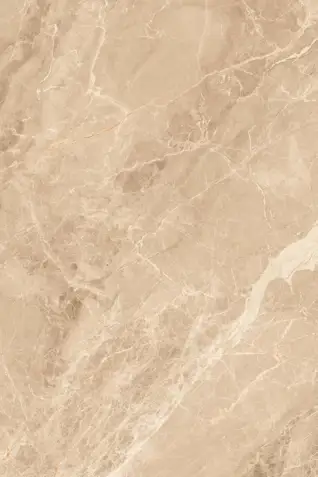

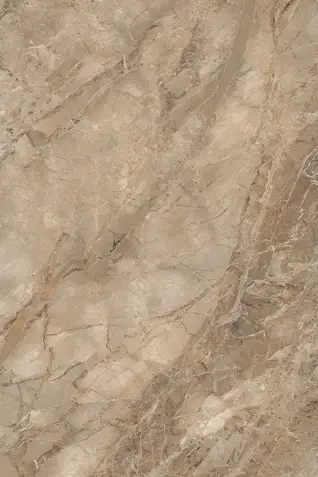






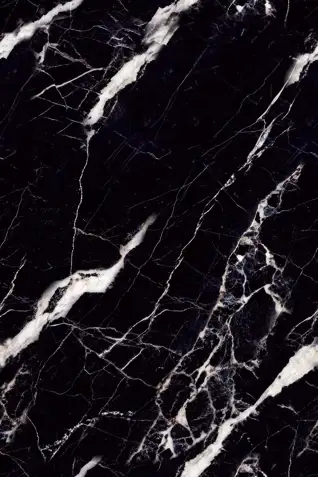







1200x1800 tiles measure 1200mm by 1800mm, the largest common tile size manufactured for Indian interiors, and are often searched using the rounded foot conversion as 4x6 tiles or 6x4 tiles, since 1200mm is close to 4 feet and 1800mm is close to 6 feet. This size is manufactured exclusively in full-body vitrified construction rather than porcelain or GVT, since only a full-body press can hold a consistent pattern and adequate breaking strength across such a large surface.
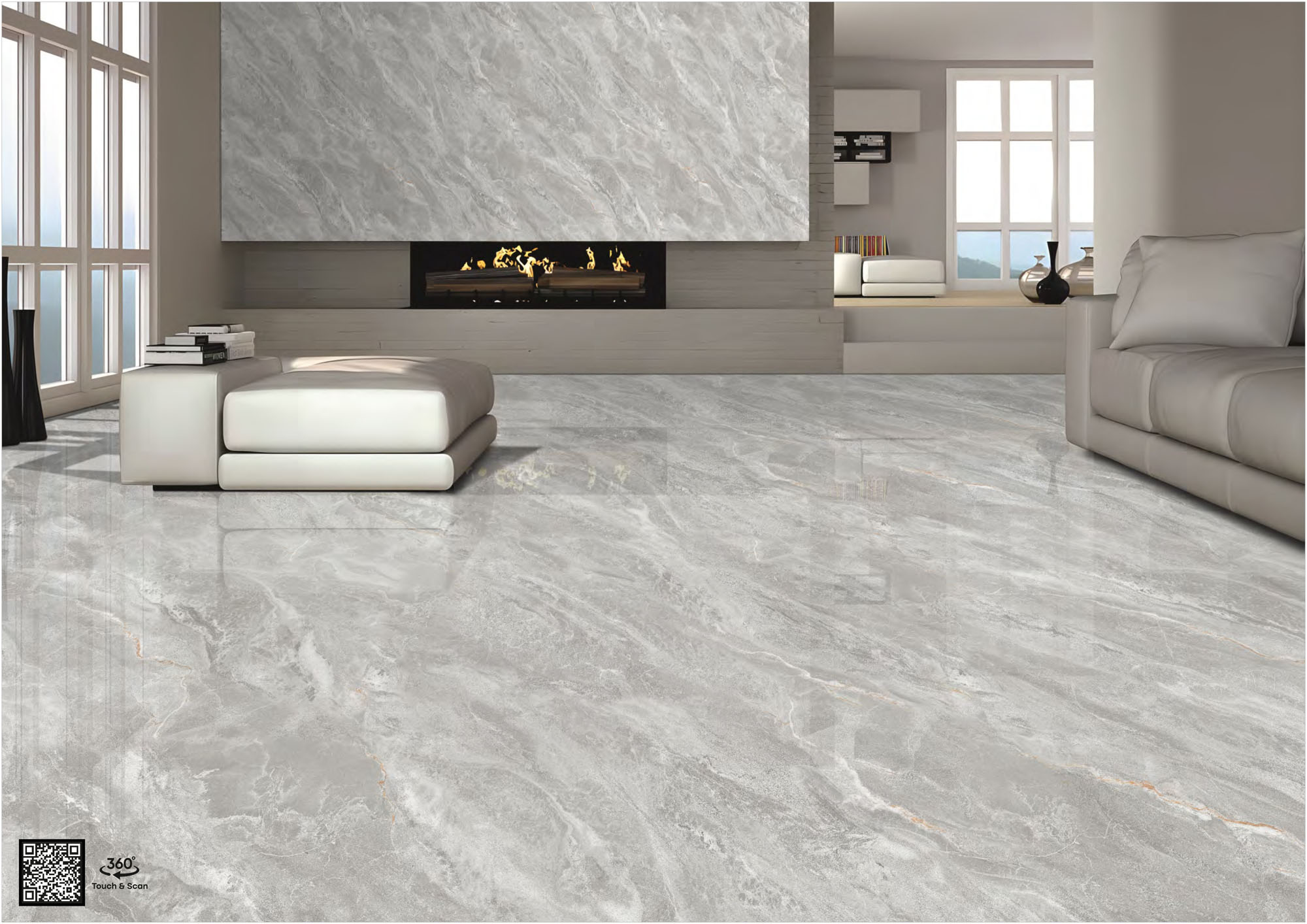
This tile is used mainly in large feature walls, expansive living room and hall floors, and commercial projects such as hotel lobbies and showrooms, where the scale of the space calls for the fewest possible joints. Prices range from Rs. 150 to Rs. 350 per sq.ft from Morbi and Gujarat manufacturers depending on look, finish and batch quality.
| Property | Specification |
| Water Absorption | Below 0.5% |
| IS Standard | IS 15622:2006 |
| Body | Full body vitrified only, no ceramic, porcelain or GVT manufactured at this size |
| Typical Thickness | 9mm to 12mm |
| Common Use | Feature walls, large floors, commercial projects |
Unlike smaller sizes such as 600x600mm or 800x1200mm, where ceramic, porcelain, GVT and full body vitrified are all commonly available, this size is manufactured almost exclusively in full body vitrified construction.
Pressing a consistent colour and pattern through the entire thickness of such a large panel, rather than only printing a glazed layer on top as GVT tile does, is the only way manufacturers can guarantee the panel does not visibly chip or show a different colour at the edges once cut or laid.
A handful of manufacturers describe their 1200x1800 product as GVT for marketing purposes, but buyers should always confirm the actual body construction and water absorption on the technical data sheet before ordering, since a true full body vitrified panel behaves very differently over time from a printed glazed panel of the same size.
| Size | Common Name | Best Use | Note |
| 800x1200mm | 2.5x4 feet | Large living rooms, halls | GVT or full body vitrified |
| 1200x1800mm | 4x6 feet | Feature walls, large commercial floors, villa projects | Full body vitrified only |
| 1200x2400mm | 4x8 feet | Largest feature floors and walls | Full body vitrified only |
Stepping up from 800x1200mm tiles to this size roughly doubles the surface area covered by a single tile, which further reduces the number of visible joints across a floor or wall but also raises the skill, manpower and equipment needed to lift, align and lay each panel without cracking.
Sizes even larger than 1200x1800mm, such as 1200x2400mm, push this trend further and are generally reserved for statement feature walls or the largest commercial floors rather than typical home use. For most Indian homes, this size sits well beyond the practical size for a standard room and is usually chosen specifically for a feature wall, entrance floor or large open hall in a villa or commercial project.
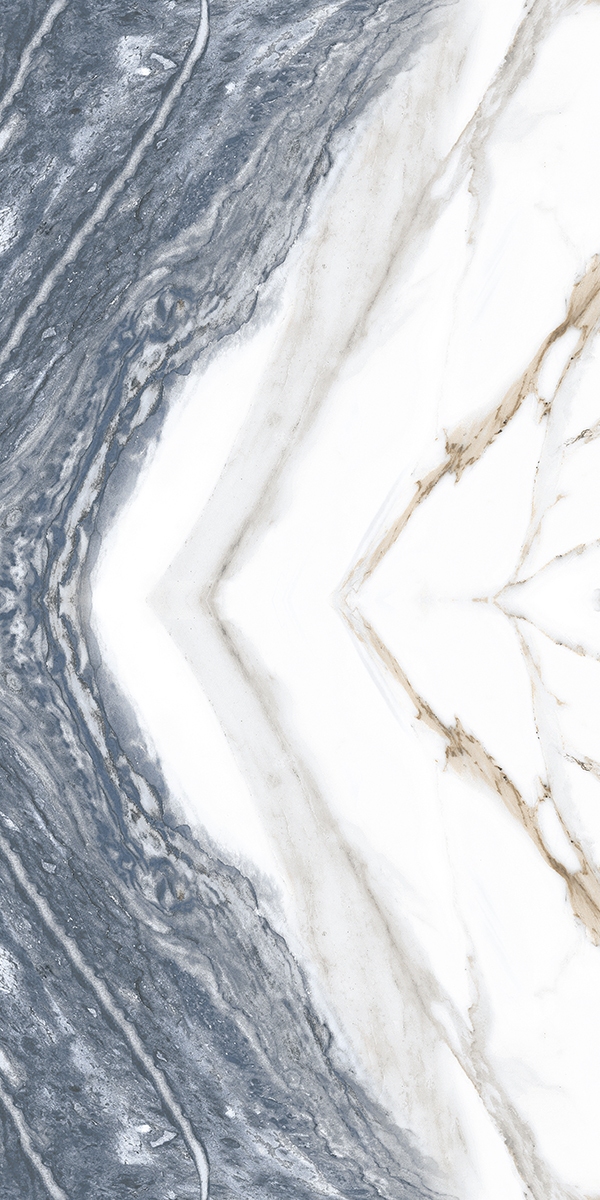
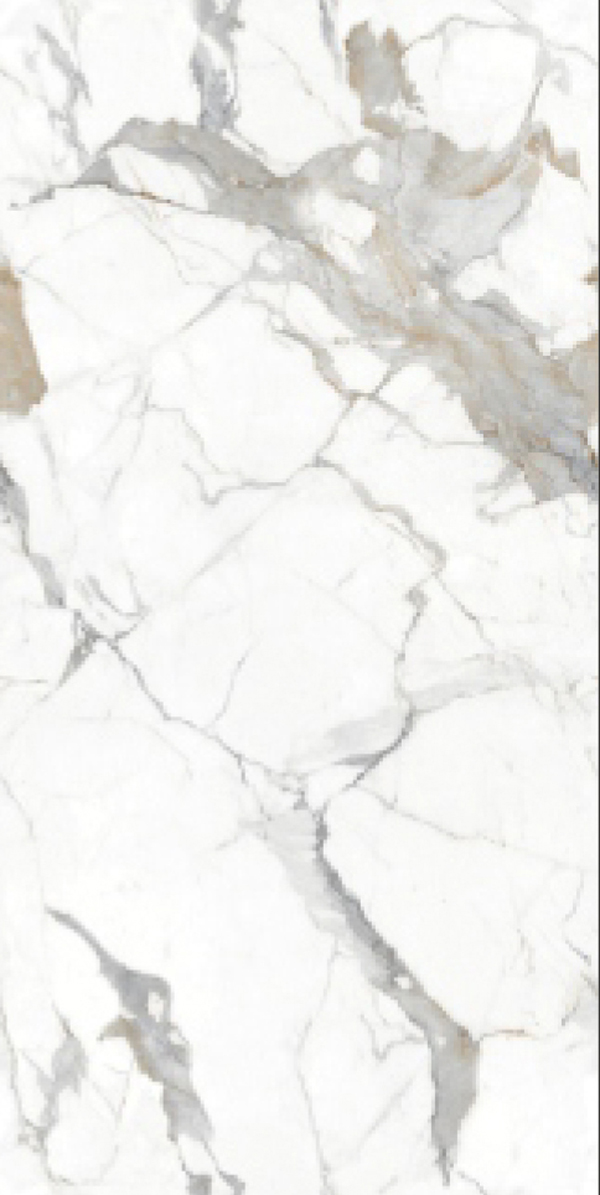
Marble look 1200x1800 tiles, particularly Calacatta and Statuario style veining, are the most requested design at this size, since the large panel lets the veining pattern run continuously across a feature wall or floor the way a single slab of natural marble would, without the frequent joints a smaller tile size would need.
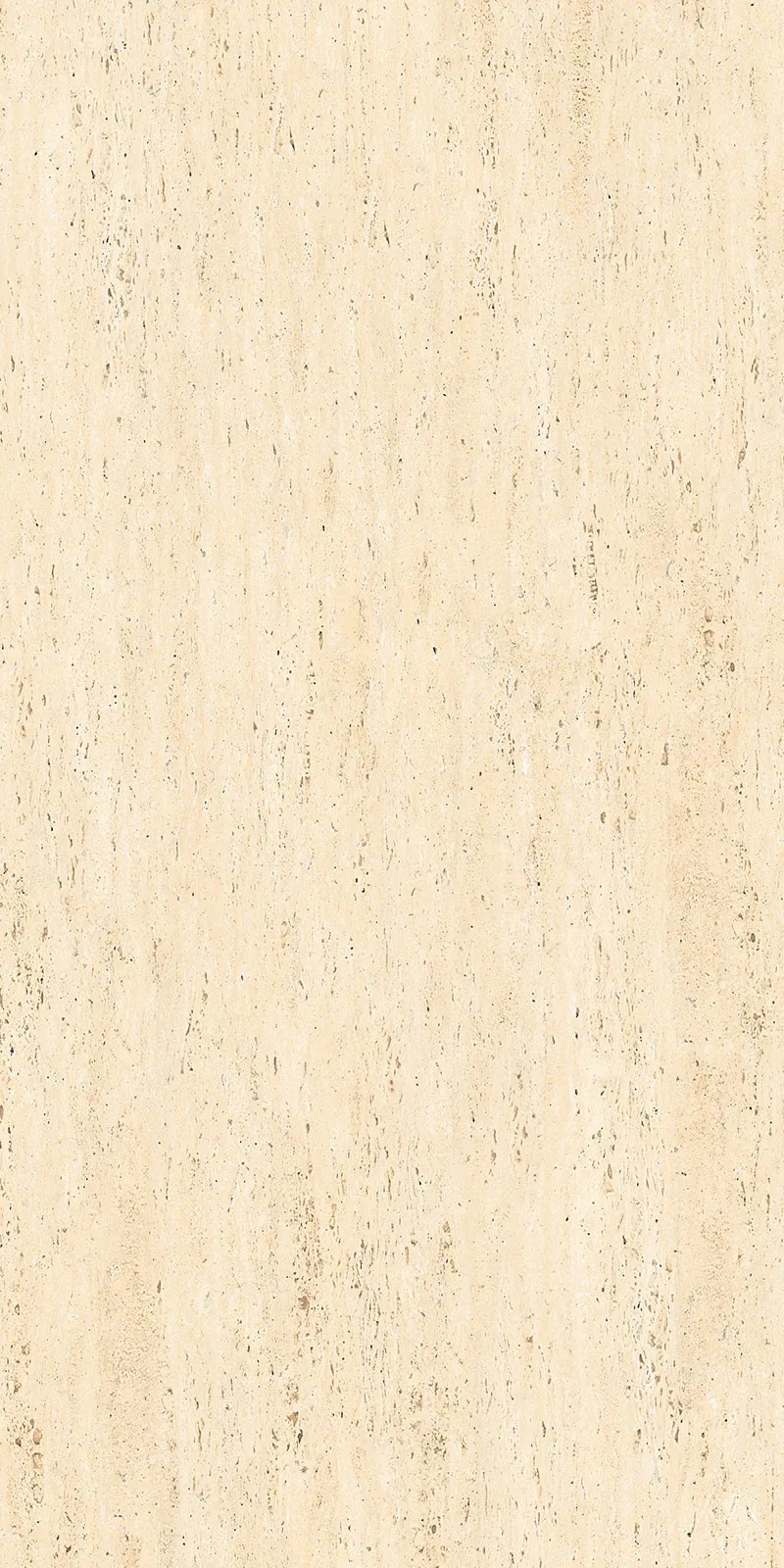
Manufacturers increasingly offer book-matched pairs at this size, where two adjacent panels are printed so their veining mirrors each other once laid side by side, closely imitating the look of a book-matched natural stone slab at a fraction of the cost and weight. Concrete and stone look tiles at this size are more common in commercial and contemporary residential projects, usually in a textured or structured matte finish that suits large floors under heavier footfall.
1200x1800 tiles are most often specified for feature walls in living rooms, hotel lobbies and reception areas, where a single large panel replaces what would otherwise need several smaller tiles and multiple visible joints.
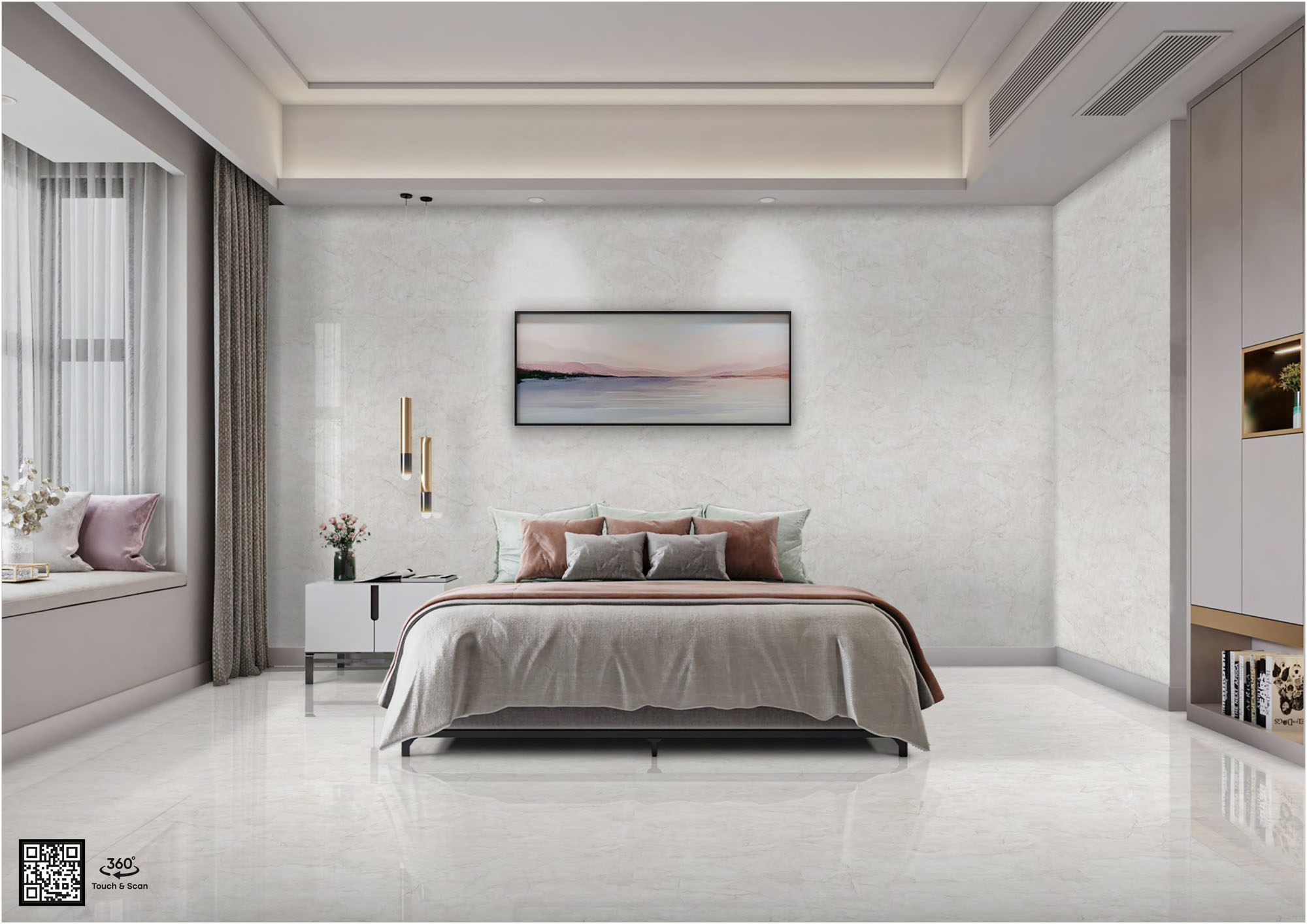
On floors, this size suits only large, open halls and commercial spaces such as showrooms and banquet areas, since a typical Indian bedroom or bathroom is far too small to make use of a panel this large without excessive cutting and wastage. Villa and commercial projects with entrance lobbies, double height halls or large open plan living areas are the main residential use case for this size on floors.
Note: 1200x1800 tiles should not be used in small rooms, bathrooms or passages under 8 feet wide, because cutting a panel this large to fit a small space produces enormous wastage and defeats the purpose of choosing a large format tile in the first place.
Laying this size requires mechanical suction lifters and a minimum of two to three trained installers per panel, since a single tile at this size can weigh 40 to 60 kilograms depending on thickness, far beyond what one or two people can safely lift and position by hand.
The sub-floor or wall substrate needs to be exceptionally flat, typically within 2mm over a 2 metre span, since any irregularity becomes highly visible across such a large uninterrupted surface. Large format adhesive applied with a notch trowel on both the substrate and the back of the tile, a technique called back buttering, is standard practice at this size to prevent hollow spots and future cracking.
Epoxy grout at the joints is strongly recommended over standard cement grout for the same reason it is recommended on other large format sizes, since it resists staining and monsoon moisture far better over the fewer, wider joints this size produces.
The most frequent mistake with 1200x1800 tiles is underestimating the crew size and equipment needed, since attempting to lay panels this large without suction lifters and adequate manpower risks both the tile and installer safety.
A second common mistake is skipping expansion joints on large wall or floor runs, which is necessary given how much a panel this size expands and contracts with temperature compared with a smaller tile. A third mistake is ordering without confirming book matching is available when a continuous marble veining look across a feature wall is the goal, since not every manufacturer offers matched pairs at this size.
1200x1800 tiles are priced from Rs. 150 to Rs. 350 per sq.ft from Morbi and Gujarat manufacturers, reflecting the higher manufacturing cost, lower yield per production batch, and greater breakage risk during transport compared with smaller sizes.
Marble look designs with book matching command the upper end of this range, while plain stone or concrete look panels without matched veining are usually priced toward the lower end. Freight, specialised crating, and the additional labour cost of a trained large format installation crew should all be budgeted separately from the per square foot tile price, since these add meaningfully to the total project cost at this size.
Genuine full body vitrified tiles at this size carry water absorption below 0.5 percent, compliant with IS 15622:2006 standards for vitrified tiles, which keeps large panels stable through India's monsoon humidity and summer heat without warping or cracking at the edges. Most 1200x1800 tiles sold in India are manufactured in Morbi, Gujarat, and shipped in reinforced wooden crates rather than standard cardboard packaging, given how much more fragile large panels are during transport and handling than standard-size tiles.
Price for this size spans Rs. 150 to Rs. 350 per sq.ft, with plain stone or concrete look panels at the lower end and book-matched marble look tiles toward the upper end. Buyers outside Gujarat should budget for higher freight and breakage insurance than standard tile sizes, and always confirm crew size, lifting equipment and adhesive specification with the installer before the project begins. Epoxy grout should also be confirmed at the joints, since it holds up to monsoon moisture and staining far better than standard cement grout on a large panel installation.
Choosing 1200x1800 tiles is usually a decision about a specific feature wall, entrance floor or commercial space rather than a whole-home flooring choice, given the size, weight and installation demands involved. TilesFinders lists this size and other large format options from Morbi and Gujarat manufacturers with body, water absorption and book matching availability confirmed on every listing, making it easier to plan a feature wall or large floor project with accurate expectations. A panel laid correctly, with the right crew, equipment and sub-floor preparation, delivers a striking, almost seamless surface that smaller tiles simply cannot replicate.
1200x1800 tiles measure roughly 4 feet by 6 feet, which is why this size is searched as 4x6 tiles or 6x4 tiles. The exact manufactured size stays fixed at 1200mm by 1800mm across brands. Always confirm the metric size on the technical data sheet before ordering.
Yes, on this page 4x6 tiles and 6x4 tiles refer to the 1200x1800mm large format panel, based on a rounded foot conversion. This is different from a small 4 inch by 6 inch subway tile, which is an unrelated, much smaller product. Always check whether a listing means feet or inches before ordering.
1200x1800 tiles are rarely used on bathroom floors because most Indian bathrooms are far smaller than this panel size, leading to heavy cutting wastage. This size works better on large open floors, feature walls and commercial spaces. A smaller size such as 300x600mm or 400x400mm is more practical for a typical bathroom floor.
1200x1800 tiles typically cost between Rs. 150 and Rs. 350 per sq.ft in India. Book-matched marble-look designs sit toward the upper end, while plain stone or concrete look panels cost less. Freight and specialised crating add further to the total project cost at this size.
Laying a 1200x1800 tile typically needs two to three trained installers and a mechanical suction lifter. A single panel can weigh 40 to 60 kilograms, far beyond what one or two people can safely handle. Always confirm crew size and lifting equipment with the contractor before the project begins.
No, 1200x1800 tiles are manufactured almost exclusively in full body vitrified construction rather than porcelain or GVT. Pressing a consistent pattern through the entire panel thickness is the only reliable way to avoid visible chipping or colour mismatch at this scale. Always confirm the actual body type on the technical data sheet, since some listings use GVT loosely.
Book matching means two adjacent 1200x1800 marble look panels are printed so their veining mirrors each other once laid side by side. This recreates the continuous, symmetrical pattern seen in book-matched natural marble slabs at a fraction of the cost and weight. Not every manufacturer offers book-matched pairs, so confirm availability before ordering for a feature wall.
1200x1800 tiles are generally too large for a normal-sized bedroom, since the panel needs extensive cutting to fit around walls and furniture. This size works best in large, open rooms or as a feature wall. Smaller sizes such as 600x1200mm or 800x1200mm suit typical bedroom floors better.
Yes, 1200x1800 tiles need a sub-floor or wall substrate flat to within about 2mm over a 2 metre span. Irregularities are highly visible across such a large surface. Back buttering, where adhesive is applied to both the substrate and the tile back, is standard practice at this size.