

Bedroom Tiles: Floor, Wall and Design Guide for Indian Homes
Loading designs...
-
 10009
10009 -
 10010
10010 -
10012
-
10013
-
10015
-
10017
-
10018
-
Biscuit
-
Golden Oak
-
Classic Oak
-
Kempas
-
Mahogony
-
Maple Wood
-
Roman Wood
-
Sedona Red
-
Wenge Wood
-
Mocca Oak
-
Oxford Brown
-
Pecan
-
Satin Wood



















A bedroom is the one room in the house where comfort takes precedence over everything else. Bedroom tiles are chosen differently from a living room or hallway tile because the primary contact with the floor is barefoot, in low light, first thing in the morning and last thing at night. Finish comfort underfoot comes before visual drama, colour temperature matters in relation to the room's lighting, and the tile's relationship with the bed wall, the wardrobe zone, and the attached bathroom threshold are all more specific than in a social room.
The bedroom is also a lower-traffic space than any other tiled room in the house. One or two people walk across it daily, predominantly barefoot or in soft footwear. This lower traffic load changes the tile body type decision: while GVT is still the strongest specification, porcelain and even ceramic are appropriate for bedroom floors in a way they are not in a hall or kitchen. The performance difference between a Rs. 45 per sq.ft GVT and a Rs. 35 per sq ft porcelain on a bedroom floor is negligible in daily use.
This page covers the full bedroom tile decision: floor tile body type and finish for the main bedroom area, wall tile applications including the headboard wall and accent panels, colour directions that work in Indian bedroom lighting, wooden tiles, 3D wall tiles, highlighter strips, and what to specify at the bedroom-to-bathroom threshold. Master bedroom tiles, which carry a higher budget expectation and a more considered design approach, are covered separately within each section.
Bedroom Floor Tiles: Body Type and Finish
GVT for Bedroom Floors
GVT (Glazed Vitrified Tiles) rated under IS 15622:2006 with water absorption below 0.05% is the most used floor tile body type in Indian bedrooms at mid-range and above. GVT tiles in satin matte or matte finish are the most common bedroom floor specification because these finishes are warm and quiet underfoot compared to polished, and they do not show every footprint in morning light the way a polished floor does. GVT is available in every finish relevant to a bedroom: satin matte, matte, polished glossy, sugar finish, and GHR, and is produced in Morbi in sizes from 600x600mm to 1200x1800mm. Price range: Rs. 40 to Rs. 120 per sq ft.
Porcelain Tiles for Bedroom Floors
Porcelain tiles for a bedroom floor absorb 2% to 5% water, which has no practical consequence on a dry bedroom floor that never sees water. Porcelain tiles are a valid and cost-effective choice for bedroom floors, particularly in children's bedrooms and guest rooms where the traffic is light, and the budget priority is elsewhere. Porcelain is available in matte and satin matte finishes in sizes up to 600x1200mm from Morbi manufacturers. Price range: Rs. 35 to Rs. 85 per sq ft.
Ceramic Bedroom Tiles
Ceramic bedroom tiles, rated under IS 13630 with 12% to 16% water absorption, are suitable for bedroom floors in a way that they are not for high-traffic areas. A bedroom floor sees low daily traffic, primarily soft-soled footwear and bare feet, without grit, heavy furniture movement, or water exposure. In this context, ceramic floor tiles in 300x600mm or 600x600mm format hold up well and offer the most accessible price point for bedroom tiling. The surface hardness of ceramic is lower than GVT, so over many years of use, the surface may show micro-scratching under bright light, but in a bedroom with warm ambient lighting, this is rarely noticeable. Price range: Rs. 25 to Rs. 65 per sq ft.
Finish for Bedroom Floor Tiles
The finish choice for a bedroom floor is shaped more by comfort and lighting than by maintenance requirements. Satin matte is the most used finish for bedroom floors in Indian homes because it is soft and warm underfoot, does not show footprints or dust clearly in typical bedroom ambient lighting, and gives the floor a calm, composed quality that suits a room intended for rest. Polished GVT on a bedroom floor is visually impressive, particularly in a large master bedroom with good natural light, but it shows every footprint, dust particle, and smear in morning sunlight streaming across the floor at a low angle. Sugar finish and matte are the lowest-maintenance choices and work well in bedrooms where the floor is primarily a background surface.
Wooden Tiles for Bedroom
Wooden tiles for a bedroom, specifically GVT tiles in a wood-grain surface design in plank formats, are one of the most searched tile directions for Indian bedrooms. The appeal is straightforward: timber flooring has a warmth, texture, and domestic quality that hard-surface ceramic or vitrified tiles do not naturally have, but actual hardwood in an Indian bedroom is expensive, requires periodic refinishing, and can swell in monsoon humidity. Wood look tiles in GVT matte or satin matte finish in 200x1200mm or 300x1200mm plank format replicate the grain, tone, and proportions of timber planks on a hard vitrified body that requires no maintenance beyond regular mopping.
The finish choice for wood-look bedroom tiles is specifically important. Matte or satin matte finish reads most convincingly as timber underfoot because it diffuses light the way real wood does. A polished wood-look tile reads as a polished vitrified tile with a wood print: the surface sheen competes with the grain print, and the result is neither convincingly wood nor convincingly polished stone. For bedroom wooden tiles, matte or satin matte is the correct finish. Colour directions most used: warm oak and honey tones for traditional and semi-traditional bedrooms, grey-washed oak for contemporary bedrooms, dark walnut for master bedrooms with a richer palette. Price range: Rs. 50 to Rs. 110 per sq.ft from Morbi.
Bedroom Wall Tiles: The Headboard Wall and Accent Panels
Bedroom wall tiles are primarily used on the headboard wall, the wall directly behind the bed. This is the visual focus of the bedroom: every person who enters the room looks at it, and the person in the bed sees it as the last surface before sleep and the first on waking. Tiling the headboard wall is the bedroom equivalent of the TV accent wall in a living room, and the design decisions are similar: one surface treated differently from the others to create a focal point.
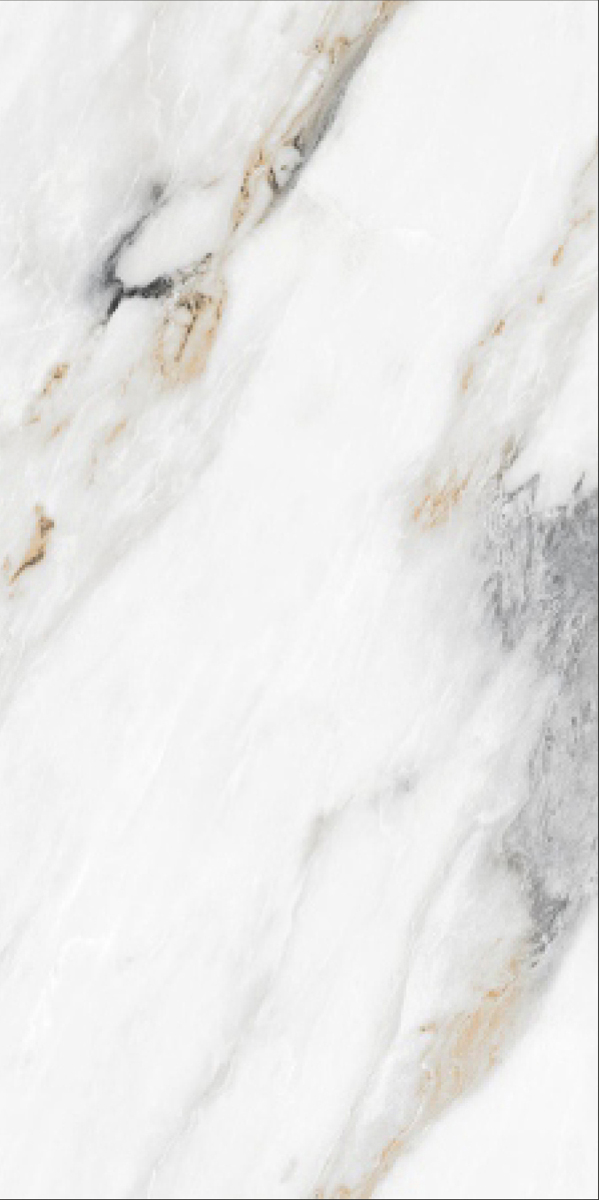
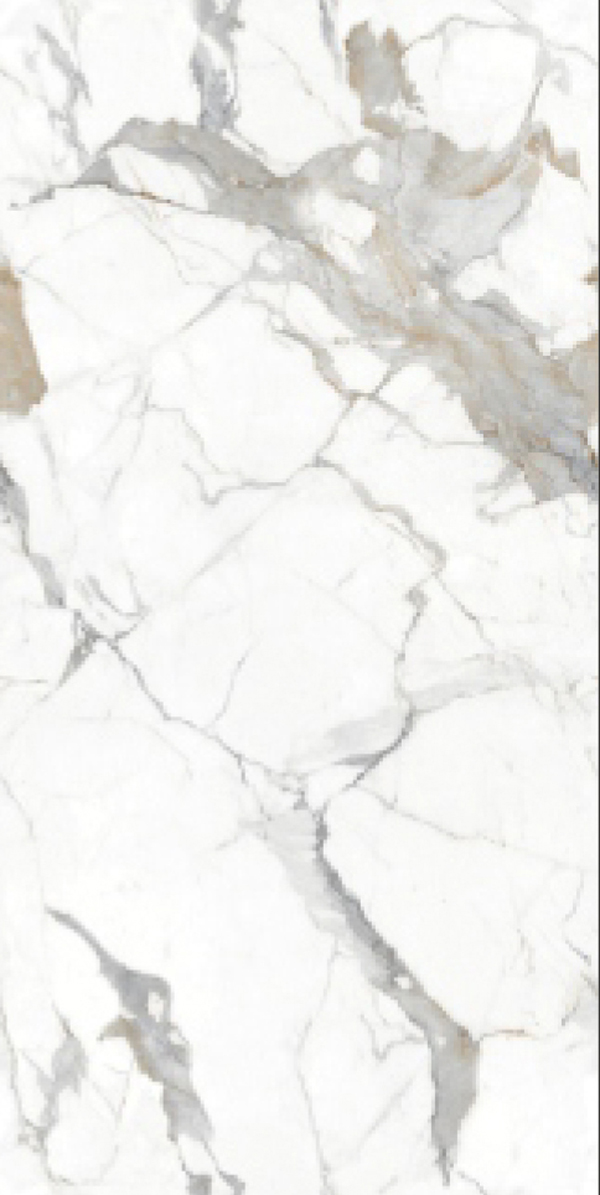
PGVT in large formats is the most used tile for bedroom headboard walls in mid-range to high-end Indian homes. PGVT is specified for walls only and must never be used on any floor. On the headboard wall, PGVT in 800x1600mm or 1200x1800mm in marble-look, solid colour, or abstract vein patterns in polished or satin matte finish gives the wall a permanent, light-amplifying finish that does not fade, peel, or require painting. The scale of the tile on a typical Indian bedroom headboard wall of 10 to 12 feet width means a single 800x1600mm tile spans the full height of the wall from floor to ceiling with one cut, giving a near-seamless surface.
For bedrooms where the headboard wall tile is not PGVT, alternatives include GVT in Matte Carving finish for a 3D textured effect, ceramic glossy tiles in a pattern for a more decorative approach, and wood-look GVT panels to extend the bedroom's warm-tone plank floor direction up onto the wall behind the bed.
3D Tiles for Bedroom: The Headboard Wall Application
3D tiles for a bedroom are used exclusively on walls, not the floor. On a bedroom floor, a raised surface relief is uncomfortable underfoot and collects dust in the carved grooves. On the headboard wall, a 3D Matte Carving GVT tile creates textural depth and shadow lines that change with the room's ambient lighting through the day and in the evening under warm bedside lamps.
Romantic 3D tiles for bedrooms, a commonly searched category, refer to 3D wall tiles with softer, more decorative relief patterns: floral motifs, wave forms, diamond lattice, and abstract organic patterns rather than strict geometric cuts. These are GVT tiles in 300x600mm or 600x600mm format with a Matte Carving finish, available from Morbi in both abstract and decorative relief designs. The warm light from a bedside lamp hitting a 3D carved tile creates a dramatically different shadow pattern from overhead ceiling lighting, which makes the headboard wall visually different at different times of the day. Price range: Rs. 50 to Rs. 100 per sq.ft.
Highlighter Tiles for Bedroom
Highlighter tiles in a bedroom are thin horizontal or vertical tile strips used as accent elements on the headboard wall, the wardrobe zone wall, or as a border between the floor tile and the skirting. In a bedroom, a highlighter tile strip at picture rail height on the headboard wall, or a metallic-look GVT strip running horizontally across the headboard wall at the top of the headboard level, gives the wall a defined design element without requiring a full feature wall tile treatment.
The most used highlighter tile specifications in Indian bedrooms: a 100mm-wide metallic or glossy GVT strip in a contrasting colour to the main headboard wall tile, or a small-format decorative tile band at a defined horizontal level. The highlighter strip should be a single, clear design decision: one strip at one height, in one finish. Multiple highlighter strips at different heights on a bedroom wall read as a pattern rather than an accent.
Bedroom Tile Colour Directions
White Tiles for Bedroom
White bedroom tiles in polished or satin matte GVT give the room a clean, bright quality that works particularly well in bedrooms with good natural light and a light-coloured overall palette. White tiles for bedroom floors read as fresh and spacious, but show dust and footprints readily in morning light. White PGVT on the headboard wall in large format is one of the most used master bedroom wall tile directions in contemporary Indian interiors: the white surface reflects bedside lamp light back into the room and gives the bedroom a hotel-suite quality.
For bedroom floors in a home with children or in a daily-use family bedroom, white tiles carry a higher cleaning burden than the space typically warrants. Warm ivory, cream, or near-white in a satin matte finish gives the same light-floor quality with significantly less visible dust and footprint marking.
Brown Tiles for Bedroom
Brown bedroom tiles range from warm amber and terracotta for traditional Indian interiors to deep walnut and espresso for contemporary bedrooms with dark furniture. Brown is the most forgiving floor tile colour in a bedroom in terms of day-to-day maintenance: dust, hair, and footprint marks are least visible on a mid-brown or warm-brown tile surface, making it the practical choice for family bedrooms and children's rooms. Brown tiles in satin matte or matte finish in 600x600mm or 600x1200mm are the standard specification. Price range: Rs. 40 to Rs. 90 per sq.ft.
Blue Tiles for Bedroom
Blue tiles for a bedroom are most used on the headboard wall rather than the floor, where a strong colour can overwhelm a room. A deep navy or slate blue GVT or PGVT tile on the headboard wall, paired with a neutral grey or warm beige floor tile, gives the bedroom a defined, composed colour scheme. Lighter powder blue and duck-egg blue ceramic or GVT tiles on the headboard wall work well in children's bedrooms and in coastal-influenced interiors. Blue on a bedroom floor is less common and works best in large, well-lit bedrooms where the cool colour does not make the room feel smaller or colder.
Black Tiles for Bedroom
Black bedroom tiles, whether deep charcoal or true black in matte or satin matte GVT, are used in master bedrooms and contemporary interiors where the design intention is a strong, atmospheric quality. Black tiles on a bedroom floor read as dramatic and grounded, particularly when paired with warm-toned bedding and furniture. Black on all four walls in a bedroom would be oppressive, but black on the headboard wall against a lighter floor tile creates a high-contrast, hotel-aesthetic room that works well in larger master bedrooms with good lighting. Price range: Rs. 50 to Rs. 100 per sq.ft for black GVT in bedroom sizes from Morbi.
Master Bedroom Tiles: Elevated Specification
Master bedroom tiles carry a higher budget expectation and a more considered design approach than the rest of the house. The master bedroom is typically the largest bedroom, the one with the attached bathroom, and the room where both occupants spend the most time. The tile decisions in a master bedroom draw from the higher end of the GVT and PGVT range: large-format floors in 600x1200mm or 800x1600mm in polished or satin matte finish, a headboard wall in PGVT marble-look or solid deep tone in 800x1600mm or larger, and a carefully coordinated threshold at the attached bathroom door.
The most used master bedroom floor direction in contemporary Indian residential interiors is a large-format GVT in a warm neutral, either cream, ivory, or warm grey, in a satin matte finish in 600x1200mm or 800x1600mm. This gives the room a generous, composed floor with minimal grout lines, a warm surface underfoot, and a finish that does not show every speck of dust in morning sunlight. The headboard wall in the same room most often uses a contrasting PGVT or GVT tile: a deeper tone, a marble-look, or a 3D surface that gives the wall behind the bed a different character from the floor.
Comfort Room Design Tiles: Attached Bathroom Specification
Comfort room tiles, a term used in some parts of India and South Asia for an attached toilet and bathroom, require a completely different tile specification from the bedroom floor they connect to. An attached bathroom is a wet area: the floor gets water from the shower, the sink, and the cleaning process daily. The bedroom is dry. These two spaces require different tile bodies, different finishes, and different grout specifications, and they meet at a single threshold. For attached bathroom tile selection covering floor and wall specifications, water absorption requirements, and finish safety in wet zones, the bathroom tiles guide covers the full specification.
At the threshold between the bedroom and the attached bathroom, the two tile surfaces must be handled deliberately. The bedroom tile (typically a polished or satin matte GVT) and the bathroom floor tile (typically a GVT matte or textured for wet safety) will meet at the doorway. A threshold strip in metal or coordinating tile covers this junction cleanly. The bathroom floor tile should be slightly lower than the bedroom floor tile to prevent water from the bathroom from flowing onto the bedroom floor.
Bedroom Tile Sizes and What They Do
| Tile Size | Best For in Bedroom | Visual Effect | Installation Note |
|---|---|---|---|
| 600x600mm | Standard bedrooms, children's rooms, any room under 150 sq.ft | Classic balanced grid, proportionate in smaller rooms | Straightforward, least waste |
| 600x1200mm | Standard to large bedrooms, master bedrooms | Fewer joints, elongating effect, contemporary read | Moderate substrate preparation needed |
| 800x1600mm | Master bedrooms above 200 sq. ft., open-plan suites | Slab-like, near-seamless, maximum sense of space | Precise levelling, full back-buttering required |
| 200x1200mm or 300x1200mm | Wood-look plank floor in any bedroom size | Timber plank proportions, directional grain layout | Straight bond along the room length for the best wood-floor read |
| 300x600mm | Headboard wall tile, 3D feature panels, dado | Proportionate on walls, manageable for wall installation | Standard wall tile adhesive, back-butter larger pieces |
Bedroom Floor Tile Finish and Comfort: What to Expect Underfoot
Hard tile on a bedroom floor is a different underfoot experience from carpet or vinyl, and it is worth being specific about what each finish feels like barefoot in the morning. Polished GVT is the coldest feeling underfoot of all tile finishes: the smooth, dense surface transfers heat away from the foot quickly. In Indian bedrooms without underfloor heating, which is almost all of them, a polished GVT floor on a cold winter morning in North India will feel noticeably cold underfoot.
Satin matte and matte GVT are slightly warmer in perception than polished because the micro-textured surface creates a small air gap between the foot and the tile that slows heat transfer marginally. The difference is subtle but consistent. Sugar finish GVT, with its fine granular surface, is the warmest-feeling of the standard tile finishes for a bedroom floor. For bedrooms in North India where winter floor temperature is a concern, matte, satin matte, or sugar finish GVT is the more comfortable specification than polished.
Bedroom Tile Pricing from Morbi
GVT bedroom floor tiles manufactured in Morbi, Gujarat and certified under IS 15622:2006 are available across all standard bedroom sizes. Ex-factory prices: Rs. 38 to Rs. 55 per sq ft for 600x600mm in matte or satin matte GVT, Rs. 50 to Rs. 85 per sq.ft for 600x1200mm, and Rs. 65 to Rs. 120 per sq ft for 800x1600mm. Wood-look GVT plank tiles: Rs. 50 to Rs. 110 per sq.ft. Porcelain bedroom floor tiles: Rs. 35 to Rs. 85 per sq ft. Ceramic bedroom floor tiles: Rs. 25 to Rs. 65 per sq.ft. Bedroom headboard wall PGVT in 800x1600mm: Rs. 60 to Rs. 130 per sq.ft. Retail prices across Indian cities are 25% to 40% above ex-factory, depending on city and dealer margin.
Choose the Right Tile for Your Bedroom
Bedroom tile selection starts with the finish comfort requirement for the floor, then works through the body type, size, and colour that suit the room's light and furniture palette. For the headboard wall and accent panels, the body type shifts to PGVT or features GVT in the design direction that gives the room its character. Browse all bedroom floor and wall tile options on TilesFinders and compare finish, size, and body type before shortlisting.





FAQs
GVT in satin matte or matte finish is the most practical specification for Indian bedroom floors: it is comfortable underfoot, does not show footprints and dust as readily as polished finish, and handles the low daily traffic of a bedroom without any degradation. For budget-focused bedrooms, porcelain or ceramic tiles are also suitable, given the low traffic and dry conditions. Sizes most used: 600x600mm for standard bedrooms, 600x1200mm and 800x1600mm for master bedrooms. Price range: Rs. 38 to Rs. 120 per sq ft, depending on body type and size.
Yes. Ceramic tiles, rated under IS 13630 with 12% to 16% water absorption, are suitable for bedroom floors. A bedroom is a dry, low-traffic area. The lower surface hardness of ceramic compared to GVT is not a meaningful practical disadvantage on a bedroom floor that sees primarily barefoot and soft-sole traffic. Ceramic bedroom floor tiles in 300x600mm or 600x600mm in matte or satin finish are a cost-effective choice. Price range: Rs. 25 to Rs. 65 per sq ft.
PGVT in 800x1600mm polished or satin matte finish is the most used tile for bedroom headboard walls in contemporary Indian homes. PGVT is specified for walls only and must not be used on any floor. Marble-look, solid colour, and abstract vein PGVT panels on the headboard wall give the bedroom a composed, hotel-suite quality. For a textured headboard wall, GVT in Matte Carving finish in 300x600mm is the alternative. Price range: Rs. 55 to Rs. 130 per sq ft.
Wooden tiles for a bedroom are GVT tiles with a wood-grain surface design in plank formats, typically 200x1200mm or 300x1200mm. They replicate the warmth and grain of timber flooring without any swelling, warping, or refinishing requirements. Matte or satin matte finish reads most convincingly as real timber. Warm oak, grey-washed oak, and dark walnut are the most used colour directions for bedroom wood-look tiles. Price range: Rs. 50 to Rs. 110 per sq.ft from Morbi.
3D tiles for a bedroom are GVT tiles with a pressed or carved surface relief used on the headboard wall or other accent walls. They must not be used on the bedroom floor, where a raised texture is uncomfortable underfoot and collects dust. On the headboard wall, a 3D Matte Carving tile creates shadow depth that changes with the room's ambient lighting from daytime to evening lamp light. Decorative relief patterns, including floral, wave, and geometric carving, are available in 300x600mm and 600x600mm formats. Price range: Rs. 50 to Rs. 100 per sq.ft.
A comfort room is an attached bathroom or toilet directly connected to a bedroom. It is a wet area with completely different tile specifications from the bedroom floor it connects to. The comfort room floor requires a GVT tile in matte or textured finish with water absorption below 0.05%, and the walls use ceramic glossy or PGVT tiles. The comfort room floor tile must not be the same polished or satin matte tile as the bedroom floor: the bedroom tile is dry-rated and the comfort room floor is a wet surface that needs appropriate grip and water resistance.
Warm neutrals, specifically warm grey, ivory, cream, and beige GVT in satin matte or polished finish, are the most used master bedroom floor tile colours in Indian homes. These tones are forgiving underfoot, work with most furniture palettes, and do not make a large bedroom feel smaller. For the headboard wall, a contrasting, deeper tone, a marble-look, or a 3D surface tile gives the master bedroom a design-led quality. White PGVT on the headboard wall with a warm grey or cream floor is one of the most used master bedroom combinations in contemporary Indian residential design.
Yes. Highlighter tiles in a bedroom are narrow tile strips used as accent elements on the headboard wall or as a border between wall zones. A 100mm-wide metallic-look or contrasting-colour GVT strip running horizontally across the headboard wall at the top of the headboard level gives the wall a defined design element without requiring a full feature wall treatment. One highlighter strip at one consistent height is the correct use in a bedroom: multiple strips at different heights create a pattern rather than an accent.