

Porcelain Tiles: The Semi-Vitrified Body Between Ceramic and GVT
Loading designs...
-
 10013
10013 -
 10015
10015 -
10017
-
10018
-
Biscuit
-
Golden Oak
-
Classic Oak
-
Kempas
-
Mahogony
-
Maple Wood
-
Roman Wood
-
Sedona Red
-
Wenge Wood
-
Mocca Oak
-
Oxford Brown
-
Pecan
-
Satin Wood
-
Florence Grey
-
Marfil Brown
-
Marfil Choco









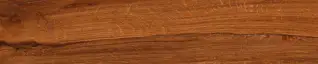









Porcelain tiles in the Indian market are semi-vitrified tiles, denser and stronger than ceramic but less dense than GVT or vitrified tiles, carrying water absorption typically between 2 and 6 percent. This is a specifically Indian classification, since internationally there is no separate vitrified category and everything in that denser tier is simply called porcelain.
TilesFinders lists this body mainly in matte and matte structured finishes, the most common production style in India, alongside satin, textured, and natural effect designs replicating wood, marble, stone, and concrete. This category sits on its own on the site, positioned between ceramic and GVT in both density and price.
Prices range from Rs. 35 to Rs. 90 per sq.ft from Morbi and Gujarat manufacturers, reflecting this mid-tier position. This body suits bathrooms, kitchens, balconies, terraces, and a wide range of other rooms, given its moderate water resistance and strong resistance to cracking and staining.
Where Porcelain Actually Sits: Between Ceramic and GVT
What Indian manufacturers call porcelain sits in a specific technical middle ground, denser and tougher than ceramic tiles, but not fully vitrified the way GVT is. Water absorption of 2 to 6 percent gives this body enough moisture resistance for bathrooms, kitchens, and balconies, while remaining more affordable to produce than a fully vitrified body.
This is genuinely an India-specific way of categorising the product, since internationally the term covers the entire dense, low-absorption tile family, including what India separately calls GVT or vitrified. Buyers comparing Indian and international sources should keep this naming difference in mind rather than assuming the same word means the same water absorption figure everywhere.
How It's Actually Made: Single Firing, Engobe, and Opaque Glaze
This body is made from a blend of ball clay, china clay, fire clay, white clay, slate, quartz, and feldspar, pressed under high pressure and fired at temperatures exceeding 1170 degrees Celsius. A single firing process combines the body and glaze in one high-temperature cycle, giving strong bonding and a consistent surface tone.
Since the body itself remains semi-porous, water resistance depends heavily on its glaze layers. An engobe glaze forms the first coat, acting as a protective barrier that helps prevent moisture from moving through the tile, with its effectiveness tied closely to the quality of the engobe used.
An opaque glaze forms the second coat, adding scratch resistance, brightness, and overall surface durability on top of the engobe layer. Some manufacturers add a further protective coating, sometimes described as a VC finish, for additional scratch resistance beyond the standard two-layer glaze process.
Finishes and Layouts: Matte, Satin, Textured, and Rectified
Matte finish is the most common production style in India, valued for being subtle, slip-resistant, and well suited to kitchens, bathrooms, and balconies. Satin finish offers a softer, gentler sheen than matte, balancing comfort underfoot with a more elegant look for a wall or a dry floor.
Textured, anti-slip tile of this kind is designed specifically for outdoor use and wet areas such as patios or pool decks, where a rougher surface is worth the tradeoff for better grip, similar to the broader GHR tiles range built for grip and hard-wearing use. Natural effect finishes, replicating wood, marble, stone, and concrete, are printed onto these matte, satin, or textured surfaces to bring organic, timeless design onto a durable, easy care body.
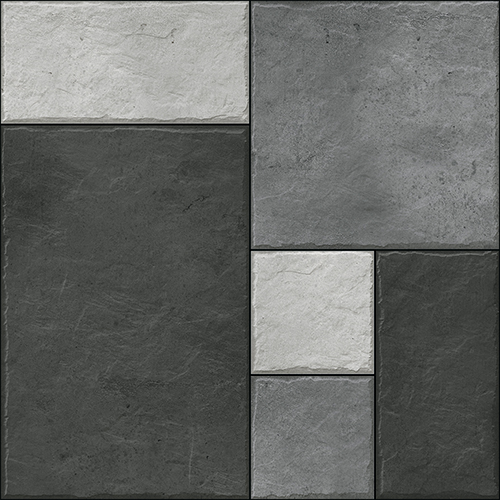
Rectified edges, a precision cutting process applied after firing, trim each tile to an exact, consistent size, allowing a narrower grout joint and a cleaner, more continuous large format appearance. Basketweave and brick-shaped layouts remain popular pattern choices for this tile type specifically, with basketweave suited to a traditional bathroom floor and brick-shaped pieces suited to a running bond kitchen or bathroom wall.
Stone, Marble, Wood, and Concrete Looks
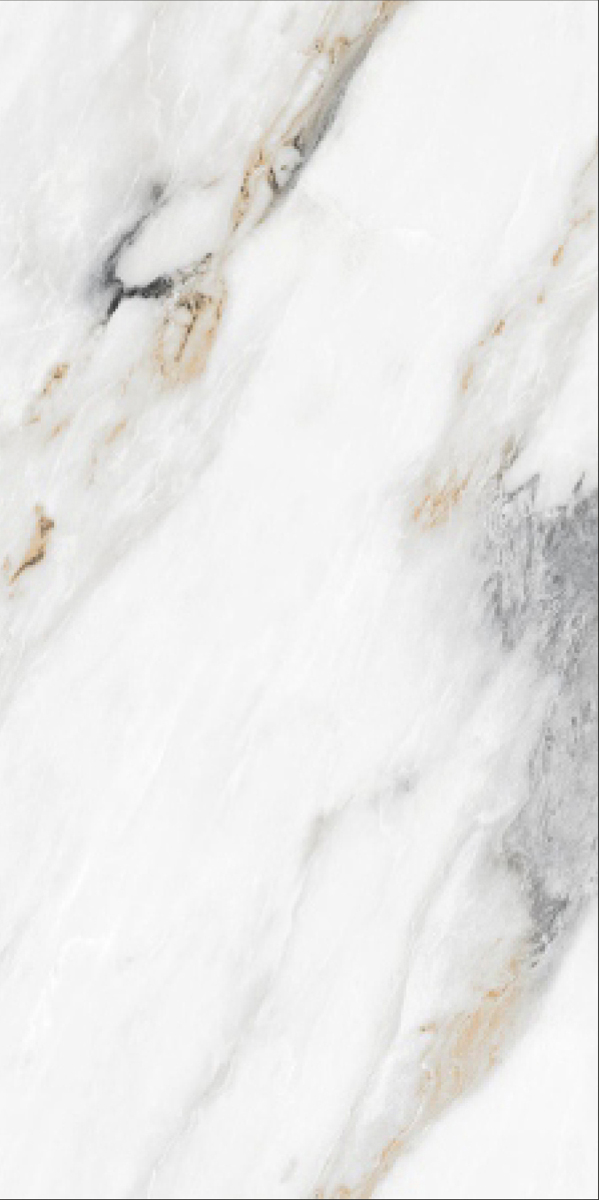
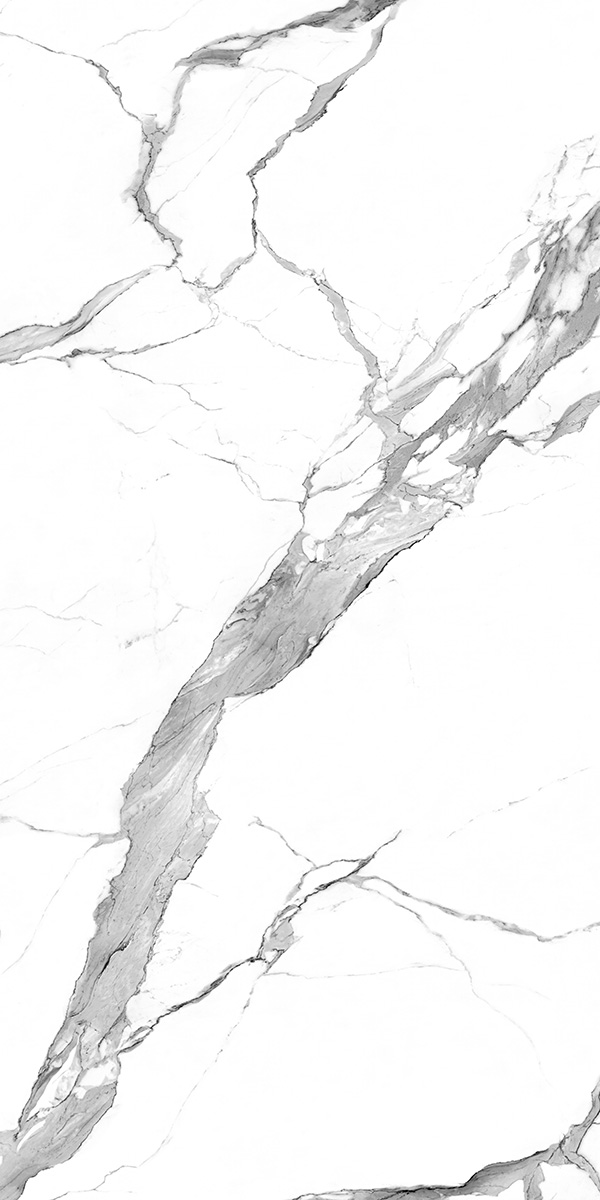
Calacatta and Calacatta Gold porcelain tile reproduce the bright white base and bold veining of genuine marble tiles, with the gold variant adding a warmer, more richly detailed vein pattern. Carrara porcelain tile instead replicates a softer, greyer marble look, generally read as more understated than the bolder Calacatta pattern.
Onyx porcelain tile replicates the translucent, richly banded look of natural onyx stone, typically chosen for a feature wall rather than full floor coverage given its visual intensity. Slate look and slate porcelain tile reproduce the naturally textured surface of slate stone, usually in a matte or textured finish suited to both indoor floors and covered outdoor spaces.
Wood tile and plank tile flooring in this body use an elongated, wood-grain printed pattern to give a timber floor appearance without the scratching or moisture concerns real wood faces in India's monsoon climate. Concrete effect designs instead print a raw, industrial surface pattern, popular for a contemporary living room or a minimalist commercial space.
Sizes and Where Each One Actually Fits
300x300mm tiles of this kind are compact and slip-resistant, generally chosen for bathrooms, balconies, and utility areas where drainage and grip matter most. 400x400mm tiles and 500x500mm sizes, often produced in a thicker 12mm body, suit terraces, corridors, kitchens, dining areas, and even parking zones, balancing durability with a clean, seamless look.
600x600mm remains the most popular, all-purpose format within this category, well suited to living rooms, bedrooms, and offices, available in both 9mm and 12mm thickness for residential and light commercial use. 600x1200mm forms a larger, more elegant format better suited to spacious interiors, lobbies, and showrooms, where the bigger surface reduces grout lines and enhances a sense of openness.
Where This Body Actually Belongs, Room by Room
In bathrooms, a matte tile of this kind suits the floor for slip resistance while satin suits the bathroom tiles walls for a more luxurious glow, with the body's moderate porosity resisting moisture, stains, and mould well. Living rooms benefit from the reduced grout lines a medium format tile gives, whether in a marble look for a sophisticated feel or a textured matte for a more minimalist one.
Kitchens rely on this body's resistance to heat, spills, and stains, with satin finish suiting bright, reflective walls and matte or textured surfaces suiting a non-slip, durable floor. Balconies need textured, anti-slip finishes for grip and weather resistance, with UV stability keeping the colour from fading under constant sun exposure.
Bedrooms suit a satin or matte wood-look tile for warmth and comfort with easy upkeep, while terraces and porches need this body's resistance to temperature swings, moisture, and foot traffic, again with a textured finish for safety. Offices generally use neutral-toned matte or semi-polished tiles of this kind for a refined, professional look.
Garden paths and other pathways benefit from a textured surface's traction, durability, and weather resistance, while dining areas, bars, and cafes rely on this body's stain resistance and easy cleaning under heavy daily use. Hospitals and healthcare spaces value this tile's hygienic, semi-porous surface, which resists bacteria and staining while maintaining a bright, clean appearance.
What This Body Actually Costs
This category is priced from Rs. 35 to Rs. 60 per sq.ft from Morbi and Gujarat manufacturers for plain and textured designs, the most accessible tier. Marble, wood, and concrete effect patterns cost more, from Rs. 55 to Rs. 90 per sq.ft, reflecting the added complexity of the printed design work.
Rectified edges and detailed stone-look patterns such as calacatta gold or onyx typically add a modest premium over a plain, non-rectified tile of the same size. GST, freight from Gujarat, and the choice of adhesive, since this body's moderate porosity generally does not need the specialised adhesive a fully vitrified tile requires, should all be factored into a full project budget.
The Standard This Body Is Tested Against
Genuine porcelain tiles in India carry water absorption between 2 and 6 percent, a distinctly Indian classification that differs from the international definition of porcelain, which covers the fully vitrified, sub 0.5 percent absorption tier as well. Most porcelain tiles sold in India are manufactured in Morbi, Gujarat, and dispatched to dealers nationwide.
Price for this body spans Rs. 35 to Rs. 90 per sq.ft depending on finish and pattern, with plain matte designs at the lower end and detailed stone look patterns toward the upper end. Buyers outside Gujarat should confirm freight costs separately, particularly ahead of the monsoon season when transit timelines can shift.
Matching the Finish to the Room
Choosing porcelain tiles usually comes down to matching the finish and pattern to a specific room, since this body's moderate porosity and wide finish range make it genuinely suited to almost every space in an Indian home or commercial project. TilesFinders lists this category from Morbi and Gujarat manufacturers with finish, size, and pattern confirmed on every listing.
A well-chosen tile from this body, whether a matte bathroom floor, a satin kitchen wall, or a textured outdoor path, delivers the balance of strength, moderate cost, and design range that keeps this category one of the most requested on TilesFinders.




FAQs
No, in the Indian market, porcelain and vitrified tiles are considered different products with different absorption levels. Porcelain carries higher water absorption of 2 to 6 percent compared with sub 0.5 percent for vitrified tile. Internationally, there is no separate vitrified term, and everything in that denser tier falls under porcelain.
Yes, porcelain tiles are denser, stronger, and more water-resistant than ceramic, making them suitable for both indoor and outdoor use. Ceramic tiles generally carry higher water absorption and are more often restricted to walls. Porcelain sits in a middle tier between ceramic and fully vitrified GVT.
Yes, textured or anti-slip porcelain tiles suit patios, balconies, and pathways well, with UV resistance preventing colour fade under constant sun. Confirm the specific finish is rated for outdoor exposure before ordering. A glossy or polished surface is not suitable for an exposed outdoor area.
Rectified describes a precision edge cutting process applied after firing, giving each tile a consistent, exact size. This allows a narrower grout joint and a cleaner, more continuous appearance. It is a separate specification from the tile's water absorption or finish.
300x300mm suits bathrooms and balconies where grip and drainage matter most. 400x400mm and 500x500mm work well for terraces, kitchens, and parking areas. 600x600mm is the most popular all-purpose size, while 600x1200mm suits larger interiors, lobbies, and showrooms.
No, porcelain's high strength and compact body resist cracking and pressure well. Quality porcelain is also UV resistant, so colour does not fade under sunlight over time. Manufacturing quality can vary between suppliers, so confirming the specific product's rating is worth doing.
Porcelain tiles typically cost between Rs. 35 and Rs. 90 per sq.ft in India. Plain matte designs sit at the lower end, while marble, wood, and detailed stone look patterns cost more. Rectified edges add a modest premium over a standard tile.
Smooth, matte, or satin porcelain tiles wipe clean easily with normal cleaning. Textured or anti-slip surfaces need a light brush to fully clean, since the texture that provides grip also traps more dirt than a flat surface. Regular cleaning keeps the appearance and performance intact.