Best Tile Combinations for Wet & Dry Bathroom Areas
April 03, 2026 247
Master wet and dry bathroom zones. Pair small, anti-skid shower tiles for safety with large, smooth slabs in dry areas for an easy-to-clean, spacious look.
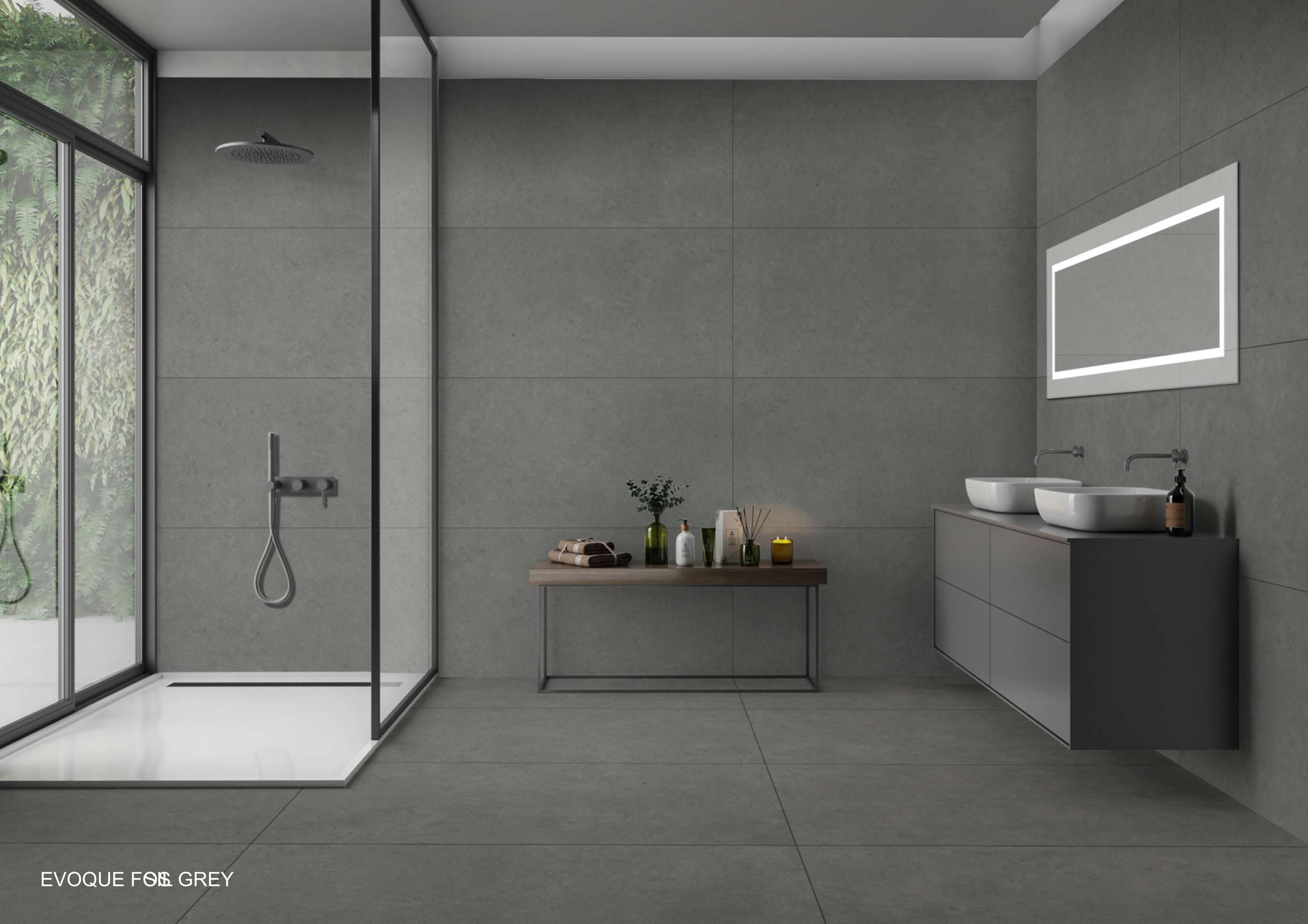
The best wet and dry bathroom tile combinations use different tile sizes and finishes for different functions. Wet zones need smaller anti-skid tiles for safe drainage, while dry zones work better with larger, low-maintenance surfaces that make the bathroom feel cleaner, brighter, and more spacious.
The Golden Rule of Bathroom Flooring: Surface friction vs. easy maintenance
Wet and dry bathroom flooring areas should never be treated the same because they handle water very differently. The wet zone needs more grip for safety, while the dry zone should stay easy to clean and comfortable under bare feet.
In the shower area floor, textured matte finishes work best because water and soap quickly make the floor slippery. This is where smaller anti-skid tiles are more useful. In the dry zone floor, smoother matte surfaces are usually a better choice because they do not trap hair, dust, or residue so easily.
The logic is simple: use high-friction tiles where water collects, and smoother finishes where maintenance matters more. This balance keeps the bathroom both practical and visually refined.
Size Dynamics: Matching large dry-zone slabs with sloped wet-zone formats
The same tile size should not be used across the entire bathroom if proper drainage is important. Wet and dry areas need different sizes because they perform different jobs.
For the dry zone floor, larger tiles create a cleaner and more open look. Fewer grout lines make the space easier to maintain and visually more seamless. That is why many modern bathrooms use 600x1200 tiles for a dry bathroom, especially around the vanity and toilet area.
The wet zone works differently. Shower floors need to slope toward the drain, and smaller tiles handle that slope far more effectively. This is why 300x300 tiles for the shower floor are such a practical choice. In many layouts, the extra grout joints also improve traction underfoot, making the surface safer in daily use.
For walls, vertical surfaces benefit from elongated formats that reduce visual clutter. Many homeowners prefer 300x600 bathroom wall tiles because they offer a practical balance between coverage and a clean finished look.
The "Seamless Transition" Combo: Same colour, different floor textures
One of the most effective ways to design a bathroom floor is to keep the same colour palette across both zones while changing the surface texture. This creates continuity without making the wet and dry areas perform the same way.
For example, the dry zone floor can use a smooth matte tile in a warm neutral shade, while the shower floor uses a more textured finish in the same tone. The result is subtle but effective. The bathroom still feels visually connected, yet each floor area is adapted to its function.
This approach works especially well with Beige tiles, soft greige shades, and other calm neutrals that do not overpower the room. For a brighter and more timeless look, white bathroom tiles can also be used in this type of flooring combination, provided the wet zone still has the right anti-skid texture.
The "Feature Wet Zone" Combo: High contrast for visual depth
If you want the shower area to feel like the focal point of the bathroom, contrast works better than uniformity. In this layout, the dry zone stays quiet and neutral, while the wet zone introduces more depth and character.
A common strategy is to keep the vanity area simple with Grey floor tiles, ivory, or beige-toned surfaces, then highlight the shower with richer textures or stronger materials. This could mean stone-inspired walls, deeper colours, or even vertical decorative tiles that make the shower enclosure feel more architectural.
The contrast helps separate the wet zone visually, which is especially useful in larger bathrooms where the shower can become a design feature instead of just a functional corner.
Wall Coordination: Elevating the vanity and mirror backdrop
Bathroom floors need safety, but walls give you more freedom to introduce scale and reflect light. The wall behind the vanity mirror is one of the best places to create impact.
A matte floor in the dry zone can be paired with larger glossy slabs behind the sink to brighten the room and make the vanity area feel more premium. In modern luxury bathrooms, many designers use 800x1600 large tiles for modern bathroom design on vanity walls to create a broader, more seamless backdrop.
For a more high-end statement, some interiors even use 1200x2400 luxury bathroom tiles behind the vanity to create a near-monolithic wall surface with minimal joints. Because this zone stays outside the main shower splash area, glossy and polished wall finishes are much easier to maintain here than on the floor.
FAQs
Yes. Different tiles help define the zones visually, but a glass partition or a slight floor drop is still needed to stop water from spreading into the dry area.
No. Even in the dry zone, a little water can make the floor slippery. Matte finishes are the safer choice for bathroom floors.
A slim metal profile or a small threshold placed under the shower partition creates a neat and durable transition between the two tile types.
