
















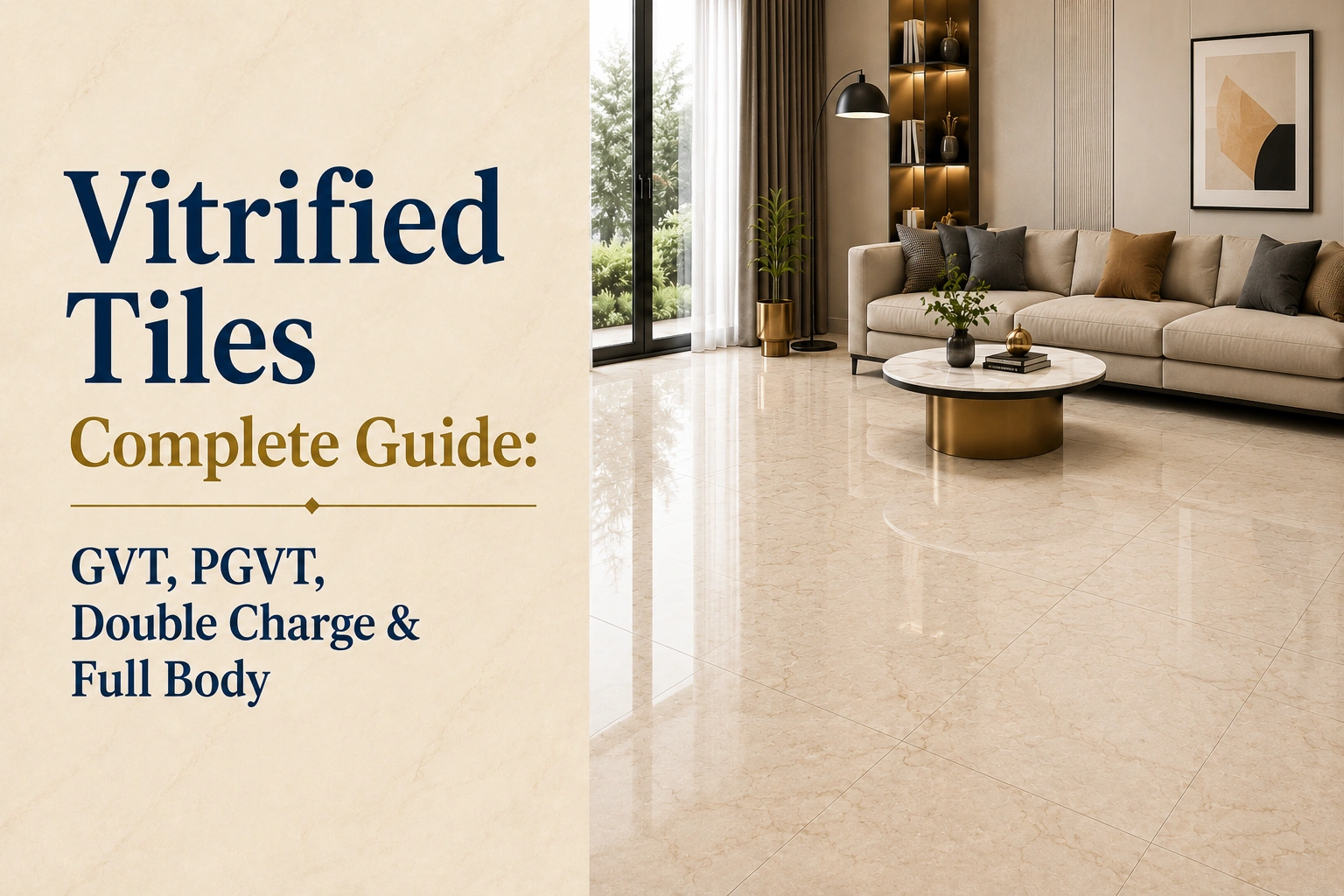
Vitrified Tiles Complete Guide: GVT, PGVT, Double Charge & Full Body
Confused by GVT, PGVT, and Double Charge? This guide decodes vitrified tiles, helping you pick th...


Loading designs...
Vitrified tiles are fired at temperatures above 1,200 degrees Celsius. This firing process fuses the clay and silica body until it becomes glass-like, bringing water absorption down to 0.05% as per IS 15622. The result is a hard, dense tile that resists stains, scratches, and heavy foot traffic far better than ceramic. Most of India's vitrified tile supply comes from Morbi, Gujarat, which produces close to 70% of the country's total output. Tilesfinders sources directly from Morbi manufacturers, so you get factory-fresh stock without added distributor margins.
The word vitrified comes from the Latin vitrificare, meaning to turn into glass. During production, the tile body is pressed and fired at high heat until the silica content melts and bonds the clay particles together. This creates a non-porous body with almost zero water absorption.
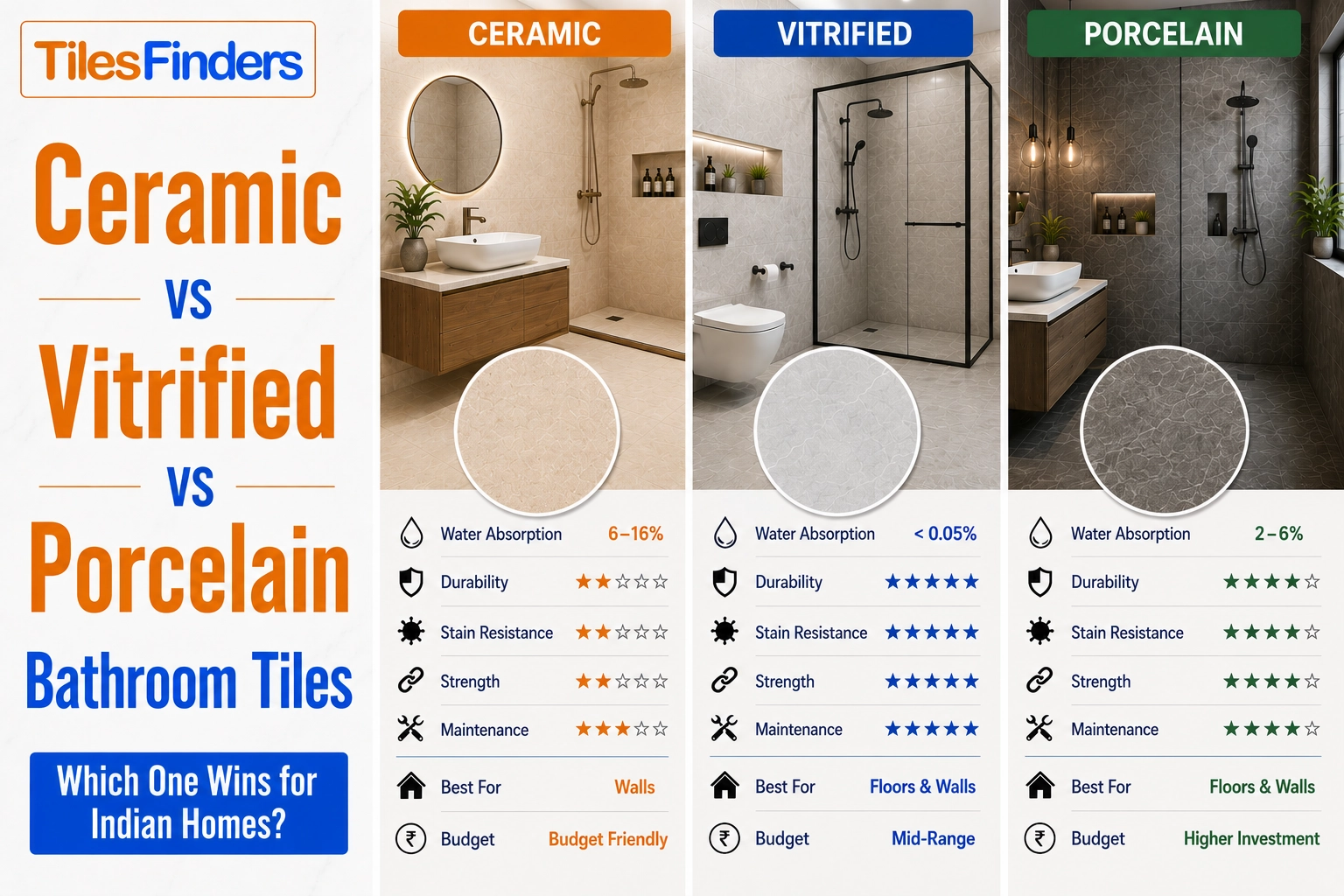
Ceramic tiles absorb between 12% and 16% water. Porcelain absorbs 2% to 5%. Vitrified tiles stay at 0.05% or below. That difference matters in Indian homes where monsoon humidity, bathroom splashing, and kitchen spills are everyday realities.
All vitrified tiles sold on Tilesfinders meet IS 15622 standards, the Indian standard covering pressed ceramic tiles with low water absorption. Each tile type within the vitrified category, whether PGVT, GVT, Double Charge, or Full Body, carries different surface finishes and use restrictions explained below.
Vitrified tiles are not one product. The category covers several body and surface types, each built for different areas and budgets.
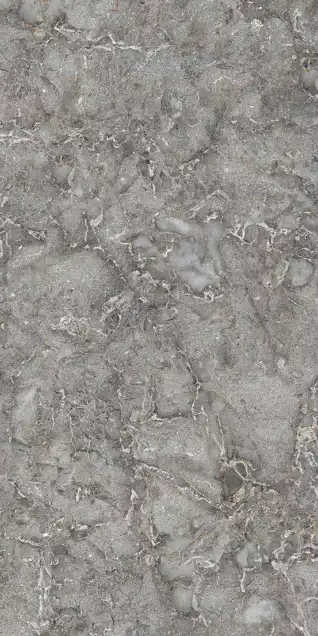
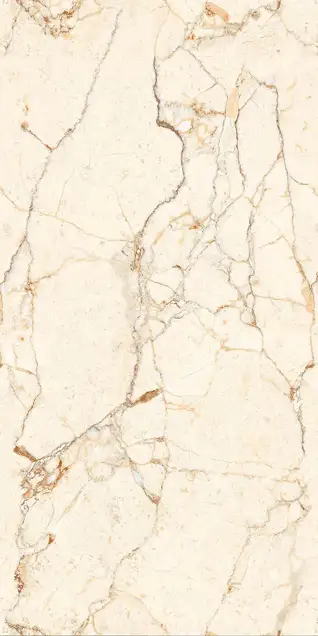
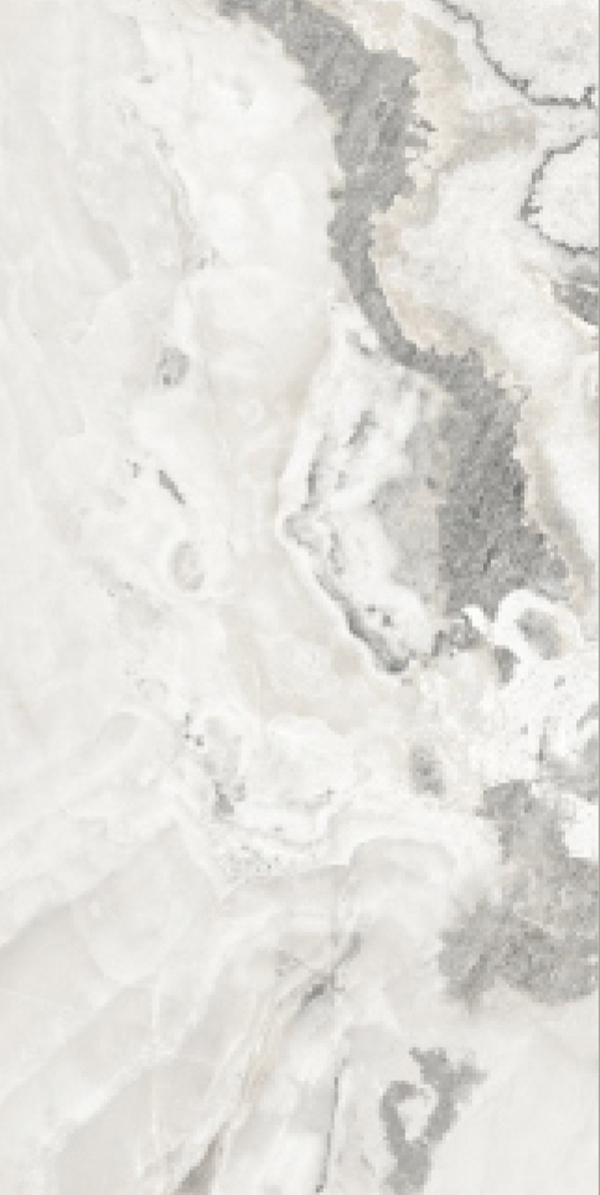
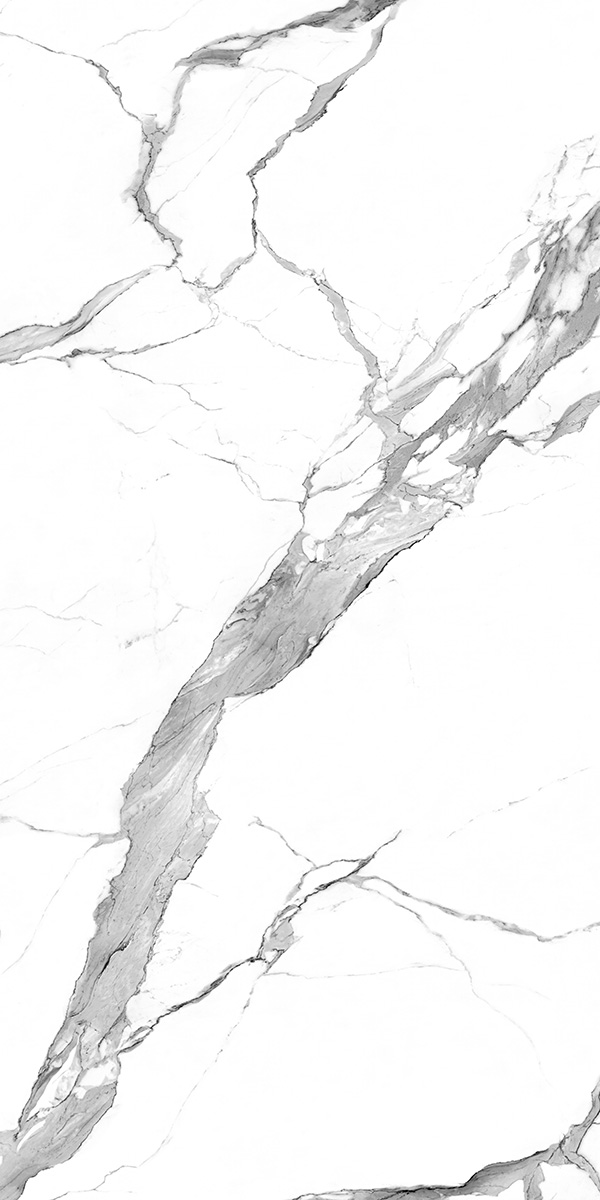
PGVT has a glazed layer applied before firing, then polished to a high shine after. Water absorption is 0.05%. The polished surface reflects light strongly and gives rooms a clean, open look. Most marble and stone designs in large formats come as PGVT.
Note: PGVT should not be used on wet area floors or outdoor flooring. The Polished Glossy finish is slippery when wet. PGVT is safe for bathroom walls and living room floors in dry conditions.
Common sizes: 2x2 (600x600mm), 2x4 (600x1200mm), 32x48 (800x1200mm), 32x64 (800x1600mm). Price range: Rs. 60 to Rs. 250 per sq.ft depending on brand and design.
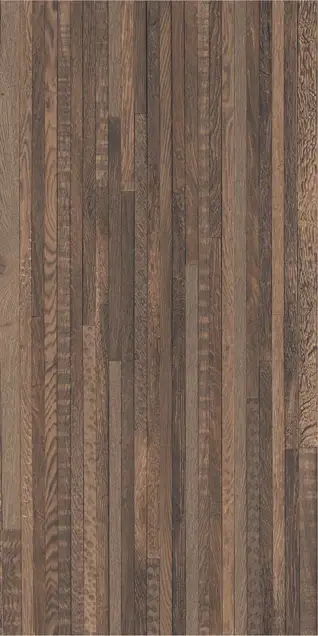
GVT has a glazed surface that is not polished. The glaze layer holds the design and gives a slightly softer look than PGVT. Water absorption is 0.05%. GVT tiles come in matte, sugar, and carving finishes and work for both walls and floors across indoor and outdoor areas.
Common sizes: 16x16 (400x400mm), 20x20 (500x500mm), 2x2, 2x4, and wooden plank sizes like 8x48 (200x1200mm). Price range: Rs. 40 to Rs. 200 per sq.ft.
Double charge tiles are made using two layers of pigment pressed together before firing. The colour runs 3 to 4mm deep into the body, not just a surface glaze. This gives them the highest scratch resistance of any polished vitrified tile.
People mostly use double charge tiles in high-traffic dry areas: lobbies, corridors, living rooms, and commercial floors. Sizes: 2x2 (600x600mm), 32x32 (800x800mm), 2x4 (600x1200mm). Price range: Rs. 35 to Rs. 90 per sq.ft.
Note: Double charge tiles should not be used in wet areas or outdoor floors.
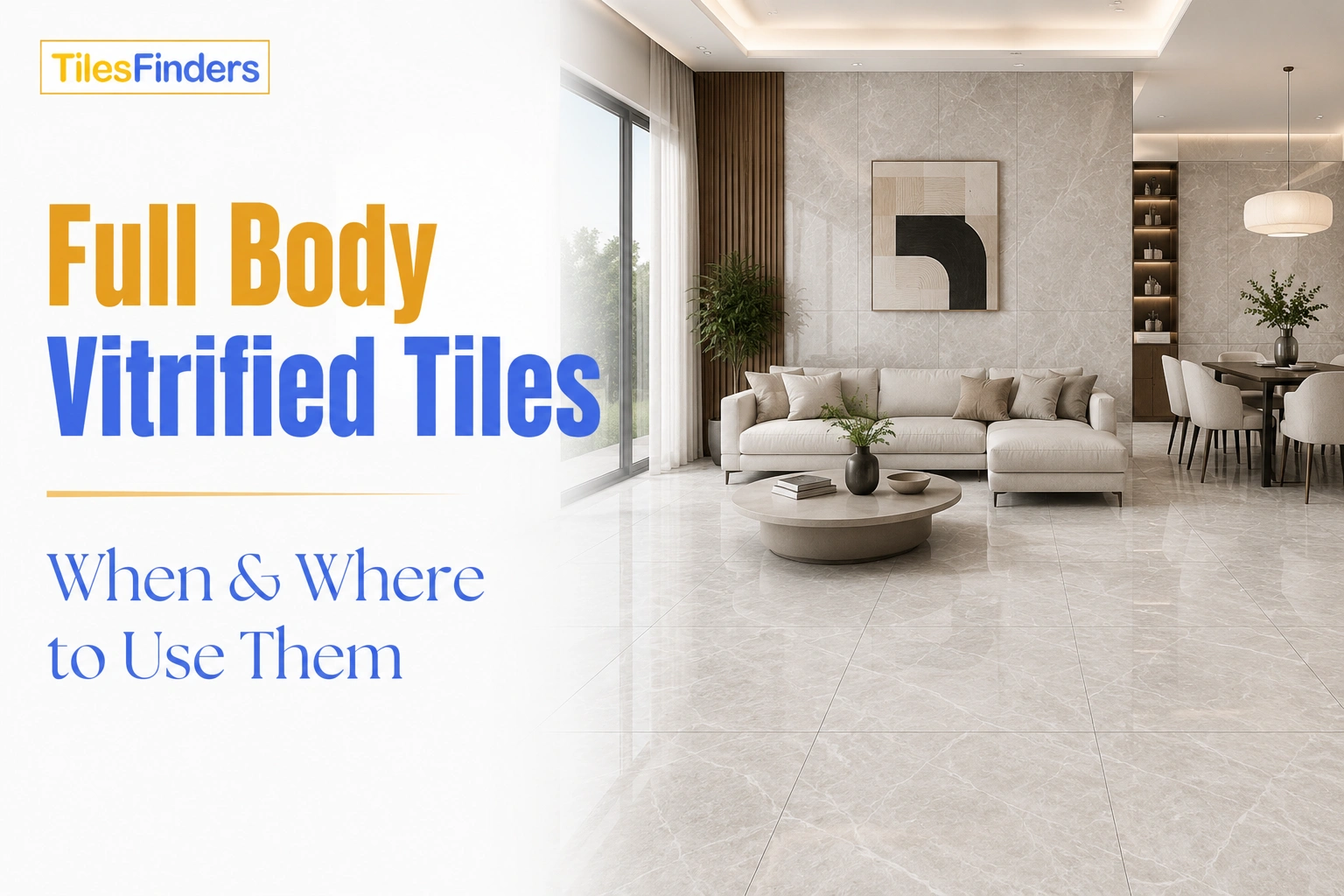
Full body tiles have the same colour running through the entire tile body. If a chip or groove appears, the colour underneath matches the surface. This makes them useful for edge-cut applications, grooves, and areas where the tile edge is visible.
Full body vitrified tiles are common in commercial flooring, staircases, and public areas where heavy wear and edge visibility matter. Price range: Rs. 70 to Rs. 180 per sq.ft.
Nano tiles are the most budget-friendly vitrified option. The design is applied using soluble salts and protected by a nano-coating applied after firing. Colour choice is limited to ivory and beige tones. Only one size is available: 2x2 (600x600mm). Price range: Rs. 25 to Rs. 55 per sq.ft.
| Type | Water Absorption | Scratch Resistance | Suitable Areas | Price Range (Rs/sq.ft) |
| PGVT | 0.05% | Moderate | Dry floors, bathroom walls, living room walls | 60 to 250 |
| GVT | 0.05% | Good (matte finish) | Indoor + outdoor walls and floors | 40 to 200 |
| Double Charge | 0.05% | Highest (polished) | High-traffic dry floors, lobbies | 35 to 90 |
| Full Body | 0.05% | High | Commercial floors, stairs, edges | 70 to 180 |
| Nano | 0.05% | Moderate | Dry living room floors only | 25 to 55 |
| Ceramic (non-vitrified) | 12 to 16% | Low | Wall cladding only | 15 to 50 |
Vitrified tiles price in India ranges from Rs. 25 to Rs. 250 per sq.ft at the factory level. The final rate you pay depends on four things: tile type, size, finish, and brand.
Bigger sizes cost more. A 32x64 PGVT slab in a marble look tiles from a branded manufacturer can go up to Rs. 200 to Rs. 250 per sq.ft. A 2x2 double charge tile from a mid-range Morbi factory usually falls between Rs. 40 and Rs. 70 per sq.ft.
The vitrified tiles rate also shifts by region. Gujarat and Maharashtra get the lowest prices because of proximity to Morbi. States like Tamil Nadu, Telangana, and West Bengal add logistics costs that push the landed rate up by Rs. 5 to Rs. 20 per sq.ft depending on order size.
For comparison, vitrified tiles price per sq.ft for common types:
| Tile Type | Size | Price Range (Rs/sq.ft) |
| Nano (Soluble Salt) | 2x2 | 25 to 55 |
| Double Charge | 2x2, 32x32 | 35 to 90 |
| GVT Matte | 2x2, 2x4 | 40 to 120 |
| PGVT Polished Glossy | 2x2, 2x4 | 60 to 150 |
| GVT Large Format | 32x64, 8x4 | 80 to 200 |
| PGVT Polished High Glossy, Large Slab | 32x64, 8x4 | 120 to 250 |
Prices vary by brand, region, and order quantity. These are indicative ranges based on Morbi market data as of mid-2026. Always confirm with the manufacturer or distributor before ordering.
Vitrified tiles come in more sizes than any other tile category. The right size depends on room dimensions, area of use, and the look you want.
| Size (alias) | Full Dimension | Wall | Floor | Best Use |
| 2x2 | 600x600mm | Yes | Yes | Living rooms, bedrooms, corridors |
| 2x4 | 600x1200mm | Yes | Yes | Large living areas, feature walls |
| 32x48 | 800x1200mm | Yes | Yes | Spacious floors, commercial areas |
| 32x64 | 800x1600mm | Yes | Yes | Large rooms, hotel lobbies |
| 6x4 | 1200x1800mm | Yes | Yes | Feature walls, statement floors |
| 8x4 | 1200x2400mm | Yes | Yes | Large-format walls and floors |
| 32x96 (slab) | 800x2400mm | Yes | Yes | Countertops, cladding, accent walls |
| 8x48 (plank) | 200x1200mm | Yes | Yes | Wood-look floors and walls |
| 16x16 | 400x400mm | No | Yes | Balconies, terraces, parking areas |
| 20x20 | 500x500mm | No | Yes | Outdoor floors, parking, utility areas |
The finish on a vitrified tile affects its look, slip resistance, and where it can be used safely. Below are the most common finishes in the Indian market.
| Finish | Look | Slip Resistance | Constraint |
| Polished Glossy (PGVT) | Mirror-like shine | Low | No wet or outdoor floors |
| Polished High Glossy (PGVT) | Very high colour intensity | Very low | No wet or outdoor floors |
| Matte | Soft, flat surface | High | No constraint |
| Matte Carving | Matte with tactile veins | High | No constraint |
| Sugar | Transparent glossy drops on matte | Moderate | No constraint |
| GHR (Glaze High Resistance) | Stone-like texture | Very high | No constraint |
| Satin Matte | Smooth, low reflection | Low | No wet or outdoor floors |
| Stucco | Cement-plaster look | Moderate | No constraint |
| Rain Drops | Matte with glossy drops | Very high | No constraint |
Vitrified tiles work across most areas of an Indian home. The key is matching tile type and finish to the conditions in each space.
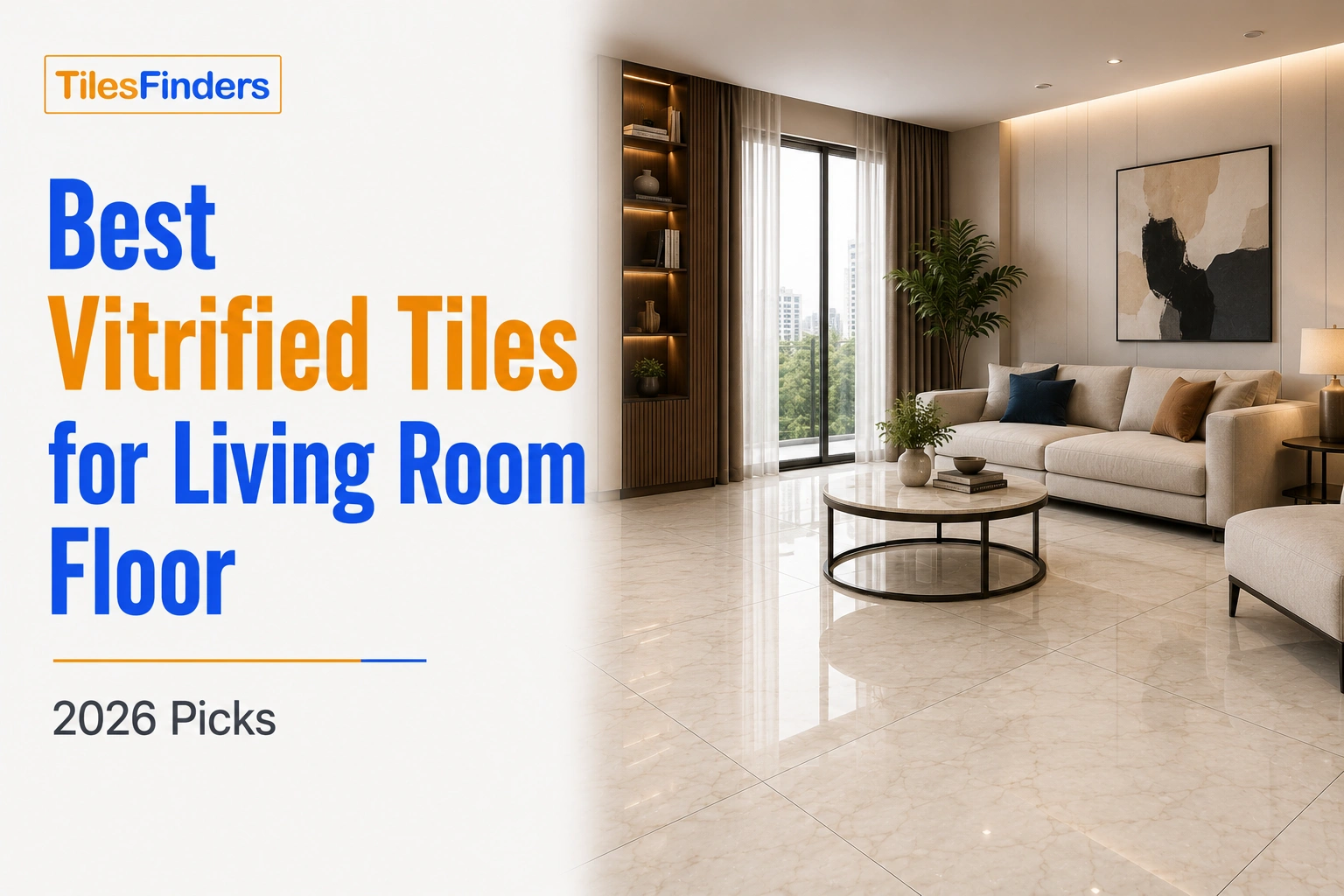
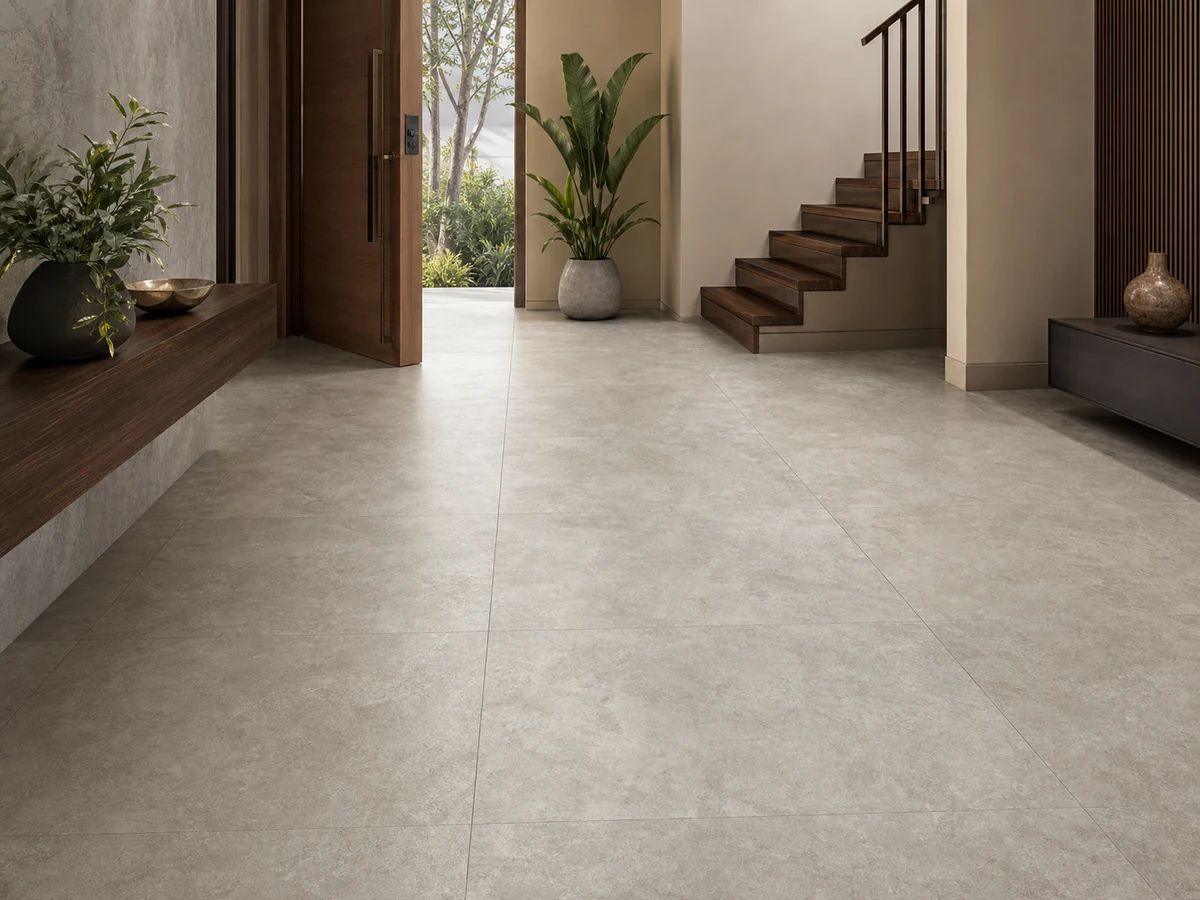
Living room floors: Double charge or GVT matte in 2x4 or 32x64. These handle foot traffic well and clean easily. For a polished look, PGVT in Polished Glossy works on dry living room floors.
Bathroom walls: PGVT or GVT in large formats like 2x4 or 32x64 give a clean, spacious look. The 12x24 (300x600mm) glazed vitrified tile works for bathroom wall cladding. Use full-body vitrified tiles for bathroom floors where edges are exposed.
Kitchen floors: GVT matte or GHR finish in 2x2 or 2x4. Matte finishes resist cooking oil spills better than polished options. Avoid PGVT polished tiles on kitchen floors where water splashing is common.
Balcony and terrace: GVT in 16x16 (400x400mm) or 20x20 (500x500mm) with anti-skid finish. These sizes are best for outdoor floors and handle rain, heat, and monsoon conditions well.
Commercial spaces: Full body or double charge vitrified tiles in 2x4 or 32x64. Heavy traffic and frequent mopping demand tiles that resist scratches and hold their surface long-term.
Note: Never use PGVT polished tiles on any outdoor floor or wet area floor. The polished surface becomes dangerous when wet.
| Property | Vitrified (IS 15622) | Ceramic (IS 13630) | Natural Stone |
| Water absorption | 0.05% | 12 to 16% | 0.2 to 1% (varies) |
| Scratch resistance | High to very high | Low | Moderate (depends on stone) |
| Stain resistance | Very high | Moderate | Low (needs sealing) |
| Suitable for wet floors | GVT, Full Body only | No (except 300x300 bathroom floor) | Yes (with sealing) |
| Suitable for outdoor | GVT matte, GHR | No | Yes (with treatment) |
| Price range | Rs. 25 to Rs. 250/sq.ft | Rs. 15 to Rs. 60/sq.ft | Rs. 80 to Rs. 500+/sq.ft |
| Maintenance | Easy wipe-clean | Grout stains easily | Needs periodic sealing |
| Colour options | Very wide | Wide | Limited to natural variations |
Start with the area. Wet areas like bathroom floors and outdoor spaces need GVT or Full Body tiles with matte or GHR finish. Dry indoor floors can take PGVT polished or double charge. Walls have almost no restrictions.
Next, pick a size based on the room dimensions. For a room under 120 sq.ft, a 2x2 tile works well. For rooms above 150 sq.ft, a 2x4 or 32x64 gives a more open look with fewer grout lines. Very large rooms and commercial spaces benefit from 32x64 or 8x4 formats.
For high-traffic dry areas like corridors and lobbies, double-charged vitrified tiles give the best scratch resistance at a mid-range vitrified tiles price. For areas where budget matters but a polished look is needed, nano or double charge in 2x2 fits most budgets.
For kitchen tiles specifically, match the floor finish to the cooking habits of the household. Matte or sugar finishes hide minor cooking splatter better than high-polish surfaces.
Always check the IS 15622 compliance certificate when buying branded vitrified tiles. This confirms that water absorption, breaking strength, and surface finish quality are within standard. Buying directly from Morbi-sourced suppliers removes most of the risk of substandard stock.
TilesFinders lists vitrified tiles sourced directly from Morbi, Gujarat, the manufacturing hub that supplies most of India's tile market. The range covers PGVT, GVT, Double Charge, Full Body, and Nano categories across all major sizes and finishes. All products on the platform meet IS 15622 standards. You can filter by tile type, finish, size, colour, and price range to find the right match for your project without visiting multiple showrooms.
Vitrified tiles are ceramic tiles fired at over 1,200 degrees Celsius until the body becomes glass-like. This drops water absorption to 0.05% as per IS 15622. The result is a dense, hard tile that resists staining, scratching, and moisture far better than standard ceramic. Most PGVT, GVT, Double Charge, and Full Body tiles available in India are vitrified.
Vitrified tiles price in India ranges from Rs. 25 to Rs. 250 per sq.ft at the factory level. Nano and double charge tiles start at Rs. 25 to Rs. 35 per sq.ft. PGVT large format slabs in marble or stone look can go up to Rs. 200 to Rs. 250 per sq.ft. The final rate depends on tile type, size, finish, brand, and delivery distance from Morbi.
Vitrified means converted into glass. The vitrification process in tile manufacturing involves pressing clay and silica, then firing the tile body at high temperatures until the silica melts and fills all pores. This gives vitrified tiles their near-zero water absorption and hard surface. The term covers multiple sub-types: PGVT, GVT, Double Charge, Full Body, and Nano.
Ceramic tiles absorb 12 to 16% water and are used only for wall cladding. Vitrified tiles absorb 0.05% water and work on floors and walls across most areas. Vitrified tiles also have higher scratch resistance and last longer under heavy use. Vitrified tiles price per sq.ft is generally higher, but the lifespan and performance are significantly better.
For living room floors, double-charged vitrified tiles in 2x2 or 2x4 give good scratch resistance at a mid-range price. For bathroom walls, PGVT in large format works well. For kitchens, GVT matte is a better pick than polished options because it hides small spills better. For balconies and terraces, GVT in 16x16 or 20x20 with anti-skid finish handles Indian monsoon conditions well.
GVT and full-body vitrified tiles with matte or GHR finish can be used in wet area floors. PGVT polished tiles should not be used on wet area floors because the polished finish is slippery when wet. Double-charge tiles are also not suitable for wet floors. For bathroom floors, use GVT matte, GHR, or Rain Drops finish. PGVT is safe for bathroom walls.
No. Porcelain tiles have a water absorption of 2 to 5% and are a separate category. Vitrified tiles like PGVT, GVT, Double Charge, and Full Body are denser with 0.05% water absorption. In the Indian market, some sellers incorrectly call vitrified tiles porcelain. The correct term for PGVT, GVT, and similar products is vitrified, not porcelain.
Vitrified tiles come in more sizes than any other category. Common sizes include 2x2 (600x600mm), 2x4 (600x1200mm), 32x64 (800x1600mm), 32x32 (800x800mm), 8x4 (1200x2400mm), and plank sizes like 8x48 (200x1200mm). Very large slab formats like 32x96 (800x2400mm) are also available for countertop and accent wall use. Size choice depends on the room area and the intended use.