Tile vs Wooden Flooring for the Living Room: Pros and Cons
January 12, 2026 7
Wood vs. Tile: Which fits your living room? Compare durability, comfort, and maintenance to make the perfect choice for your home.
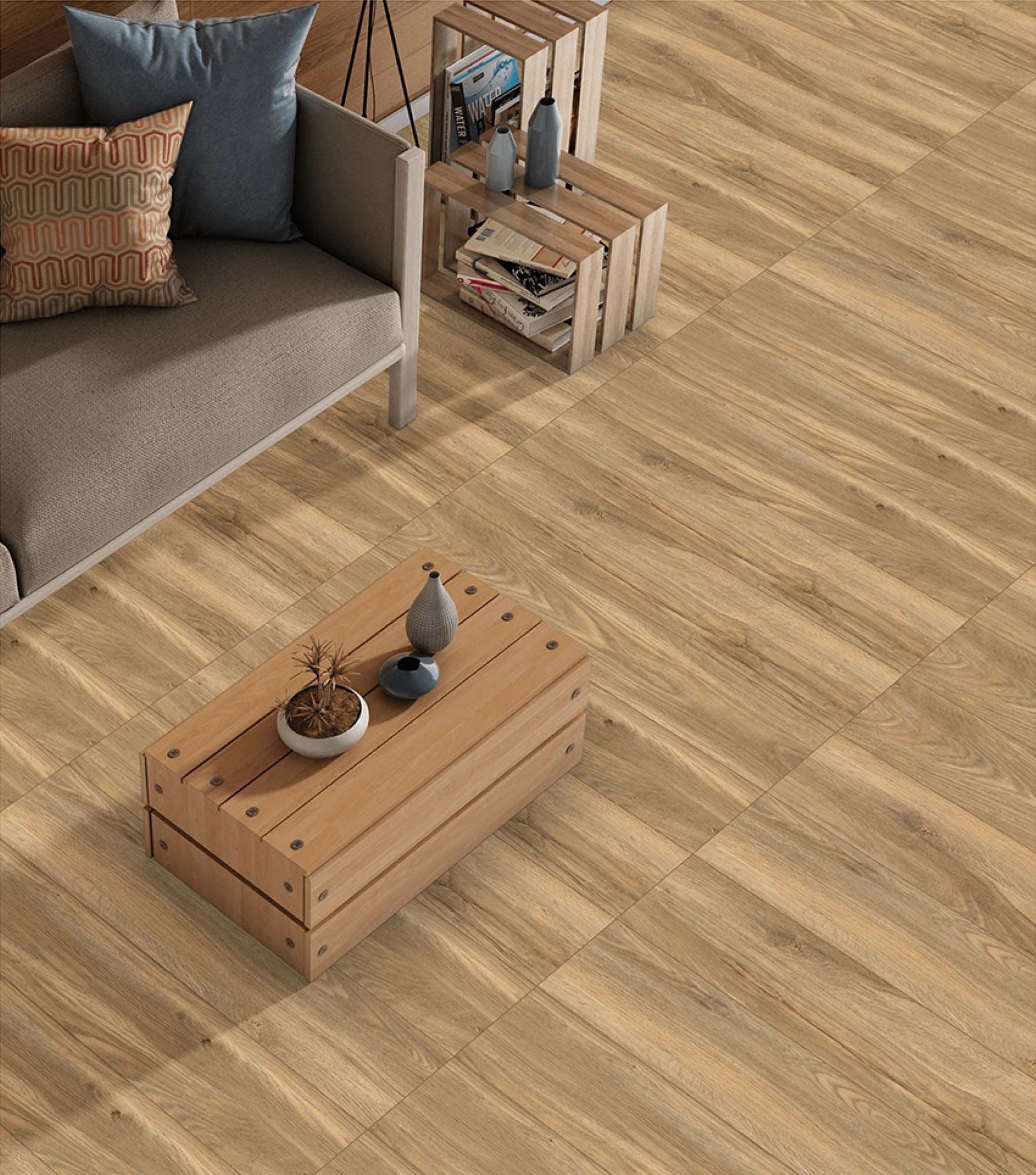
Choosing the right flooring for your living room feels like choosing the personality of the entire home. It’s the place where everyone gathers, where guests spend the most time, and where daily foot traffic is the highest. And that’s exactly why homeowners often get stuck between two favourites, the warmth of wood and the durability of tiles. Choosing between classic wood and tiles for living room floors has been a dilemma for years, but the real answer depends on lifestyle, expectations, and long-term maintenance.
Let’s break it down in a way that actually helps you decide.
1. Wooden Flooring: The Classic Choice
Wood has a charm that tiles simply can’t imitate perfectly. It feels warm, looks rich, and ages with character, which is why so many luxury homes still love it.
Pros
1. Natural Beauty
Nothing beats the timeless, organic warmth of real wood. The way it reflects light, develops depth, and gains personality over time makes it a favourite for modern luxury interiors.
2. Comfort Underfoot
Wood has a natural “give,” making it gentler on your joints. It absorbs sound, diffuses echoes, and creates a warm acoustic profile, perfect for homes where comfort matters.
3. Adds Value
Solid hardwood adds emotional and resale value. Buyers see it as a premium upgrade, not just a surface.
Cons
1. High Maintenance
Wood needs regular polishing, careful cleaning, and protection from dents and scratches. Drinks, water spills, pet claws, wood remembers everything.
2. Expensive to Install
The material + labour make it one of the costlier flooring options.
3. Water Sensitivity
Extreme humidity or moisture can cause warping, cupping, or swelling, making it risky in tropical or coastal climates.
4. Vulnerable to Termites & Insects
Being a natural material, wood can be susceptible to termites and insects, especially in warm and humid conditions. Even with chemical treatment, long-term protection depends on consistent maintenance. Once infestation begins, the damage is often internal and expensive to repair.
5. Prone to Damage from Furniture Movement & Heavy Use
Wooden floors don’t react well to constant furniture shifting or heavy foot traffic. Dragging sofas, dining chairs, or cabinets can leave dents, scratches, and pressure marks that add up over time. In active homes, this wear shows much faster than expected.
2. Tile Flooring: The Durable Powerhouse
Tile has its own fanbase, people who want a beautiful living room without worrying about stains, scratches, or spills. And for busy households, tiles often win this battle.
Pros
1. Next-Level Durability
Tiles, especially porcelain (often the best tiles for a living room floor), can survive almost anything: kids running around, pets, dragging furniture, accidental drops.
2. Easy to Clean
Spills, mud, stains, nothing sticks. Just wipe and done.
3. Endless Design Variety
From marble-look tiles to wooden finish tiles, to cement, terrazzo, and stone-inspired designs, you can get almost any look you want.
Cons
1. Cold Surface
Tiles are natural thermal conductors. They feel cold in winter (unless you have heating), but cool and comfortable in summer.
2. Hard Underfoot
Their hardness can be tough on joints over the years, compared to wood’s slight flexibility.
3. Grout Lines
Even thin joints break the seamless illusion that real wood planks offer.
Comparison Table: Quick Glance
| Feature | Wood Flooring | Tile Flooring |
| Aesthetic Appeal | Warm, timeless, organic | Versatile, modern, endless designs |
| Durability | Moderate; can scratch/dent | Extremely high; scratch & stain-resistant |
| Maintenance | High, regular polishing | Low; simple cleaning |
| Water Resistance | Low | Excellent |
| Comfort | Warm, soft, better acoustics | Hard, cold, echo-prone |
| Repair | Can be refinished | Difficult; needs replacing individual tiles |
| Cost | Higher | More budget-friendly |
| Sustainability | Recyclable, carbon-sequestering | Hard to recycle |
The Verdict: Which Is Right for You?
Choose Wood If:
- You love warmth and a classic, premium aesthetic.
- You’re okay with regular maintenance.
- You want the long-term resale value and natural charm.
- You prefer better acoustics and softer underfoot comfort.
Choose Tile If:
- You have kids, pets, or a busy household.
- You live in a humid or coastal climate.
- You want minimal maintenance and maximum durability.
- You prefer modern designs or natural wood tiles that mimic wood beautifully.
Bonus Insights Most People Don’t Consider
1. Acoustic & Sensory Experience
- Wood naturally diffuses sound and avoids echo, making the room feel calm.
- Tile reflects sound, so the room may feel a little louder unless you balance it with rugs or soft furnishings.
- Thermal comfort: Tiles feel cold in winter but pair amazingly with radiant heating systems.
2. Lifestyle & Repair Reality
- Wood develops patina, some call it flaws, others call it character. When it gets too worn, you can sand it and make it look new again.
- Tile repairs are tricky. You need to keep spare pieces for the future because matching old tile designs is almost impossible.
3. Sustainability & Indoor Air Quality
- Wood stores carbon and can be recycled. Choose FSC-certified sources.
- Tile is technically inert, but the adhesives and sealants may release mild VOCs initially.
4. The Illusion Factor (Wood-Look Tile)
- Premium wooden finish tiles now come with advanced digital printing, where every plank looks unique.
- But the giveaway? The grout line. Even a thin joint breaks the illusion of real wood.
Conclusion
Both wood and tile are excellent choices; it ultimately comes down to how you live, what you value, and the level of maintenance you’re comfortable with. Wood brings warmth and emotion that’s hard to replace, while tiles stand out for their durability and everyday practicality. And if you’re trying to balance both, wood-look porcelain tiles offer a smart middle ground, making it easier to buy stylish tiles online with clarity and confidence.
