

Olive Green Tiles for Kitchens, Bathrooms and Living Rooms in India
Loading designs...
-
VISUAL-GREEN 600x1200Glossy -
Roman Green 600x1200Glossy -
VISUAL-GREEN 600x1200Glossy -
VISUAL-GREEN 600x1200Glossy -
20915-HL 300x450Glossy -
20915-D 300x450Glossy -
VISUAL-GREEN 600x1200Glossy -
20868-HL 300x450Glossy -
20868-D 300x450Glossy -
20851-L 300x450Glossy -
20851-HL 300x450Glossy -
20851-D 300x450Glossy -
20833-HL2 300x450Glossy -
20833-HL1 300x450Glossy -
20833-DK 300x450Glossy -
80240GL VARMONT KOTA 800x2400Glossy -
60120FBM KOTA 600x1200Matte -
MINT GREEN 300x450Glossy -
BOTTLE GREEN 300x450Glossy -
24054 HL1 300x600Rain Drops

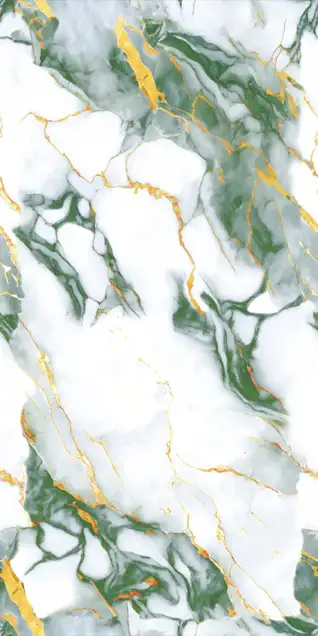


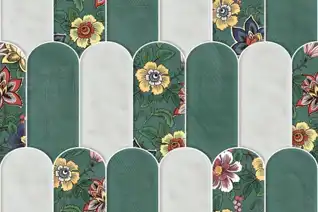


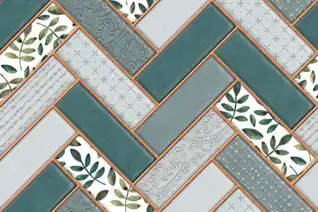
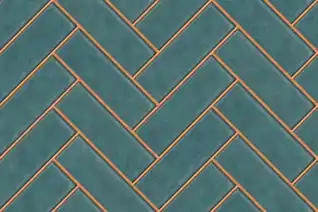

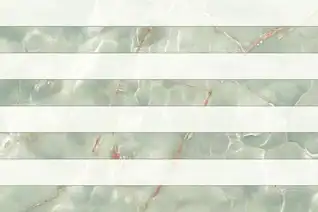
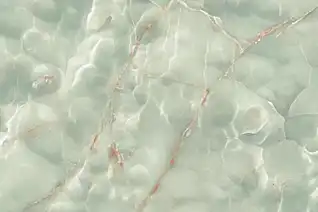



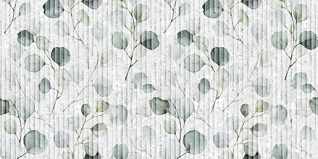
Olive green is the warmest green in the tile range. Where sage leans grey and emerald leans blue, olive carries a yellow-brown undertone that pushes it towards the earth tone palette rather than towards the botanical or jewel-tone end. In a room, olive green tiles absorb warm light and become richer, shifting closer to golden-green under the warm yellow bulbs that most Indian homes use. Under cooler light, the colour reads more conventionally green, but under the warm lighting of most Indian living rooms, kitchens, and bathrooms, olive reads as one of the most naturally suited greens to the Indian home interior.
The yellow-brown undertone is what separates olive from every other green tile colour and what gives it its unusual compatibility with Indian material palettes. Terracotta floors, clay pottery, Kota stone, teak and sheesham wood, jute, raw cotton, and brass or copper hardware: all of these carry warm yellow-brown tones that sit naturally alongside olive. A colour that feels foreign or effortful in a cooler, more minimal interior becomes one of the most cohesive choices possible in a warm Indian home.
The complete green tile range, covering all tones from the most muted to the most saturated, sits under green tiles. Olive is the warmest and most earth-adjacent tone within that range, and it works best when paired with the warm materials that are already present in most Indian home interiors.
Olive Green vs Other Greens: Understanding the Undertone
Olive is most commonly confused with sage by buyers who are choosing between a muted, non-vivid green tile. The two tones appear similar in online photographs but behave very differently in a room. Sage green tiles carry a grey undertone that pushes the colour towards a cool, calm near-neutral. Olive carries a yellow-brown undertone that pushes the colour towards warmth and earthiness. Under the same warm lighting, sage shifts towards grey-green and olive shifts towards golden-green. The result is that sage suits cooler palettes with white and warm grey, while olive suits warmer palettes with terracotta, wood, and brass.
This distinction matters for tile selection because it determines which adjacent materials the tile will work with. If the room already has warm wood flooring, Kota stone, or terracotta accents, olive green is the more natural companion. If the room has cool stone, white marble, and chrome fittings, sage is the better choice. Getting this right before ordering prevents the common problem of a tile that looked right in isolation appearing mismatched once laid in the actual room.
Body Types and Finishes for Olive Green Tiles
| Body Type | Water Absorption | Floor? | Wall? | Sizes | Rs. per sq.ft |
|---|---|---|---|---|---|
| GVT matte | Below 0.05% | Yes | Yes | 300x300 to 800x1600mm | Rs. 65 to Rs. 140 |
| GVT GHR | Below 0.05% | Yes | Yes | 300x300 to 600x1200mm | Rs. 70 to Rs. 150 |
| GVT glossy | Below 0.05% | No | Yes | 600x600 to 800x1600mm | Rs. 80 to Rs. 160 |
| PGVT Polished Glossy | Below 0.05% | No | Yes | 600x600 to 800x1600mm | Rs. 110 to Rs. 200 |
| Porcelain matte | 2% to 5% | Yes (light indoor) | Yes | 300x300 to 600x1200mm | Rs. 60 to Rs. 120 |
| Ceramic | 12% to 16% | 300x300 only | Yes | 300x300, 300x450, 300x600mm | Rs. 40 to Rs. 90 |
Matte finish serves olive's warm undertone best. Under a polished glossy finish, the yellow component in the colour can push olive towards a brassy or murky yellow-green that does not read as the warm, earthy olive that most buyers are choosing. On a matte GVT surface, the colour reads evenly, and the warm undertone comes across as grounded rather than yellow. For olive green floor tiles in bathrooms and kitchens, GVT matte with water absorption below 0.05% is both the safe specification and the one that serves the colour best.
Olive green ceramic tile in 300x300mm to 300x600mm is wall-only except in 300x300mm for light bathroom floors. The water absorption of 12% to 16% in ceramic means outdoor use and wet floor use are not appropriate. For all floor and wet-area applications, GVT or porcelain is the correct body type.
Note: PGVT polished finish olive green tiles are for walls only. Do not use PGVT or glossy finish on any floor, wet or dry. For bathroom floors, kitchen floors, and outdoor surfaces, use GVT matte or GHR finish only.
Olive Green Tile Formats and Sizes
Subway and Square
The olive green subway tile in 75x300mm or 100x200mm ceramic or GVT is one of the most common backsplash formats for Indian kitchens, choosing an earthy green tone. Laid in a horizontal offset, the rectangular format gives structure to the backsplash surface without the pattern competing with the olive colour. Square olive green tiles in 300x300mm (1x1) are the standard bathroom floor specification in this tone and the most widely stocked size in Indian tile showrooms. At 600x600mm (2x2), large square olive green tiles are used on living room floors and as wall cladding in open-plan spaces.
Stone and Slate Look
Olive green works particularly well in stone-look and slate-look GVT surfaces because the yellow-brown undertone of the colour is close to the warm tones found in natural green slate and olive-toned sandstone. Among stone-look tiles, GVT designs in olive-toned stone surfaces replicate the warm, earthy character of quarried stone without the maintenance requirements of natural material. These are used on bathroom floors and walls, feature walls in living rooms, and covered outdoor surfaces where the stone quality reads as more natural than a plain solid colour tile.
Formats for Kitchen and Bathroom
Olive green wall tiles in 300x600mm (12x24, wall only) or 300x300mm in ceramic or GVT work on kitchen backsplash walls, bathroom walls, and bathroom shower surrounds. The 300x600mm format, laid vertically or horizontally in a plain stacked or offset pattern, lets the colour carry the surface without a busy pattern competing with it. For bathroom shower areas, GVT matte in 300x300mm on the shower floor with water absorption below 0.05% and epoxy grout handles continuous wet conditions correctly.
Olive Green Tiles in Indian Interiors
Kitchens
In Indian kitchens, olive green on the backsplash wall is the strongest application for this colour. The yellow-brown undertone of olive reads as rich and warming under the task lighting above kitchen counters, and it connects naturally with warm wood cabinet shutters, copper or brass hardware, and light stone countertops. Among kitchen tiles, olive green GVT in 75x300mm subway or 300x300mm square at Rs. 65 to Rs. 110 per sq.ft is specified for backsplash walls in Indian apartment renovations where the buyer is building a warm, earth-tone kitchen palette. Matte finish is the standard specification because olive's warm tone under matte reads as more grounded than under gloss.
Bathrooms
In bathrooms, olive green GVT tiles in matte or GHR finish at 300x300mm for floors and 300x300mm or 600x600mm for walls give a surface that reads as warm and organic rather than clinical. Paired with terracotta or warm stone floor tiles, warm white sanitaryware, and brass or copper taps, an olive green bathroom wall reads as a cohesive, intentional Indian interior rather than an imported aesthetic. The colour under warm bathroom lighting shifts slightly towards golden-green, which adds richness that cooler tile colours cannot replicate.
For shower areas, GVT matte or GHR finish at 300x300mm on the shower floor with water absorption below 0.05% under IS 15622:2006 is the correct specification. Epoxy grout in warm grey or off-white keeps the grout joint consistent with the olive tone over years of shower use.
Living Rooms and Feature Walls
On living room feature walls, olive green GVT tiles in 600x600mm or 600x1200mm matte finish give a surface that reads as deep and earthy behind furniture and art. The colour does not dominate a room the way a vivid green or a dark navy would; it grounds the space. In living room tiles, olive is increasingly specified for feature wall cladding in Indian apartments where the buyer is working with warm wood, natural cane, and earthy ceramic accents throughout the space. At 800x1600mm in GVT matte, large-format olive green tiles on a living room feature wall create a stone-like backdrop that reads as an architectural surface rather than a decorative one.
Pairing Olive Green with Terracotta and Warm Materials
Olive green's yellow-brown undertone gives it a natural affinity with terracotta that no other green tile colour has. Where sage against terracotta creates a tonal tension between the grey-green and the warm red-orange, olive and terracotta sit in the same warm section of the colour spectrum and reinforce each other. A bathroom or kitchen with olive green wall tiles and a terracotta tile floor reads as a cohesive Indian earth-tone palette. The same pairing on a living room feature wall with terracotta flooring connects the vertical and horizontal surfaces without requiring matching colours.
Brass and copper hardware against olive green tiles amplifies the yellow component in the tile and creates a surface that reads as warm and hand-crafted rather than standardised. Matte black hardware sits cleanly against olive without competing with it. Chrome hardware can make the olive tone appear more yellow by contrast, and is the least compatible metal finish with this colour in most Indian bathrooms.
Manufacturing and Specifications for Olive Green Tiles in India
Olive green GVT tiles manufactured in Morbi, Gujarat, carry water absorption below 0.05% and are produced in 300x300mm (1x1), 400x400mm (16x16), 600x600mm (2x2), and 600x1200mm (2x4) in matte and GHR finishes. The warm undertone in olive GVT from Morbi is consistent within the same production batch, which matters because slight tone variation between tiles reads more visibly in a warm, low-saturation colour than it does in a cooler or more saturated tile. Retail prices run Rs. 65 to Rs. 110 per sq ft for standard matte GVT in 600x600mm and Rs. 95 to Rs. 150 per sq ft for 600x1200mm. For monsoon-season outdoor applications, GHR finish in 400x400mm or 600x600mm is the correct specification for any olive green tile going on a covered terrace or balcony floor.
Olive green ceramic tiles from Morbi comply with IS 13630, carry water absorption of 12% to 16%, and are produced in 300x300mm, 300x450mm, and 300x600mm for wall use. At Rs. 40 to Rs. 90 per sq.ft, ceramic is the entry-level price for olive green wall cladding in bathrooms and kitchens. For covered outdoor surfaces and courtyards exposed to monsoon rain, GVT GHR finish in 400x400mm or 600x600mm is the correct specification; plain matte finish on an outdoor floor becomes slippery when wet and ceramic tiles are not suitable for outdoor use in India at any price point.
Choosing Olive Green Tiles for a Warm Indian Palette
Olive green works best when the other materials in the room are already warm. Buyers who are tiling a room with cool grey walls, white marble, and chrome fittings will find that olive reads as out of place. Buyers building a room around warm wood, terracotta, brass, and natural stone will find that olive green tiles sit naturally within that palette on TilesFinders, where the colour is listed alongside the full catalogue, so the companion floor or wall tile in the same warm tone range can be shortlisted at the same time.
FAQs
Olive green has a yellow-brown undertone that makes it the warmest green in the tile range. Sage green has a grey undertone and reads as a near-neutral. Under warm Indian home lighting, olive shifts towards a golden-green while sage shifts towards grey-green. Olive pairs naturally with terracotta, mustard, warm wood, and clay finishes. Sage pairs with cool whites and warm neutrals. The two tones suit different room palettes entirely.
GVT in matte or GHR finish with water absorption below 0.05% is the correct body type for olive green floor tiles. Matte finish suits olive's earthy character and gives anti-skid grip for bathroom and kitchen floors. GHR finish is the better choice for outdoor olive green tiles on covered balconies and courtyard floors. Ceramic olive tiles are wall-only except in 300x300mm for light bathroom floor use.
Terracotta, mustard yellow, warm ochre, clay, brass, copper, teak, and Kota stone are the strongest pairing colours for olive green tiles in Indian interiors. The yellow-brown undertone in olive makes it naturally compatible with the warm earth tones that appear across Indian home materials and finishes. Off-white and warm cream work well as grout and adjacent wall colours. Avoid pairing olive green tiles with cool grey or pure white, which flattens the warm undertone.
Yes. Olive green kitchen tiles on the backsplash wall in subway or square ceramic or GVT work well in Indian kitchens with warm wood cabinets. The yellow-brown undertone of olive reads as rich under warm kitchen task lighting. Matte finish is the practical choice for backsplash surfaces because it shows cooking grease and steam marks less clearly than gloss. For kitchen floors, GVT matte or GHR finish in 300x300mm or 400x400mm handles daily cooking spills and mopping well.
Yes. GVT olive green bathroom tiles in matte finish in 300x300mm or 600x600mm work on bathroom floors and walls. Olive reads as warm and earthy in bathrooms under warm lighting, which pairs well with natural stone, wood, and warm-white sanitaryware. For bathroom floors, water absorption below 0.05% is required. Ceramic olive tiles work on bathroom walls in all standard sizes and on bathroom floors only in 300x300mm.
Warm grey or sand epoxy grout gives the most cohesive joint colour with olive green tiles. The warm undertone in olive makes pure white grout look slightly cold against the tile. Off-white or cream grout reads as warmer and blends better. For a bold, high-contrast look, a dark charcoal epoxy grout against olive green tiles gives a graphic grid that reads well in kitchens and feature bathrooms. Epoxy grout is recommended over cement grout for all wet-area olive tile applications.
Olive green ceramic wall tiles run Rs. 40 to Rs. 90 per sq.ft. Olive green GVT tiles range from Rs. 65 to Rs. 150 per sq.ft, depending on size and finish. Olive green floor tiles in GVT at 300x300mm run Rs. 65 to Rs. 110 per sq.ft. Prices vary by body type, format, city, and brand. Most olive green tiles sold in India are manufactured in Morbi, Gujarat.
Under warm yellow light, which is the most common bulb type in Indian homes, olive green tiles appear richer and more golden-green than they do in photographs. The yellow undertone is amplified under warm light, pushing the colour further from green and closer to ochre-green. Under cool white LED, the green component becomes more prominent, and the colour reads as a cleaner, more conventional dark green. Viewing samples under the room's actual bulb type before ordering is important for olive, as the lighting difference is significant.