Parking Tile Design Ideas for Homes & Commercial Spaces
Transform your parking space with the right tiles. Learn about heavy-duty materials, ideal thickness, and anti-skid finishes for a durable, stylish driveway.
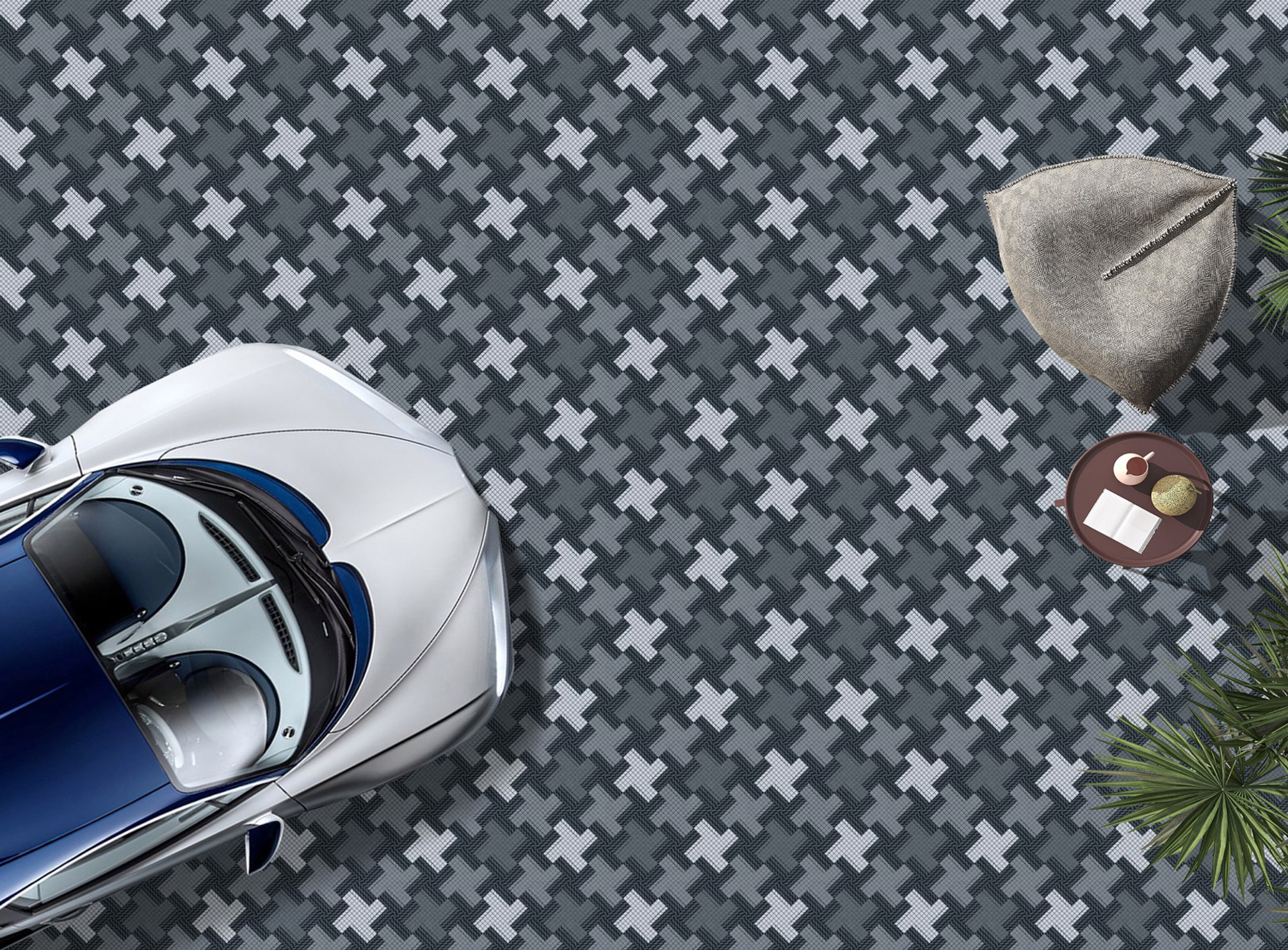
Your driveway is the handshake of your home or office. Before anyone rings the bell or walks into the lobby, they’ve already formed an opinion, right there, where the car stops. Yet parking areas are often treated like an afterthought, designed purely for function and forgotten immediately. That’s a missed opportunity. In Indian homes, especially, parking spaces deal with heavy SUVs, dusty summers, oil stains, and slippery monsoons. Choosing the right tiles isn’t just about durability anymore; it’s about creating an entrance that looks intentional, confident, and built to last.
The Design Gallery: 6 Ways to Style Your Driveway
Stone-Look: Rich Vibes on a Budget
Stone-look tiles bring the raw charm of Kota, slate, or rough granite without the maintenance headache or wallet pain. They feel premium without trying too hard. The best part? These outdoor parking tiles naturally hide tyre marks, dust, and daily wear. Their textured surface offers a solid grip, making them practical for Indian weather while still giving that “premium society” energy people secretly judge by.
Geometric Patterns: Organised Chaos
Chevrons, triangles, and interlocking shapes add instant personality to a driveway. This style works especially well for independent houses where the parking floor needs structure, not randomness. A well-laid pattern makes the space look planned rather than rushed. When used thoughtfully, geometric layouts elevate the overall parking floor tiles design and turn a basic driveway into a visual feature.
Old Money Aesthetic: Cobblestone Style
Cobblestone tiles channel European street charm with a desi-friendly twist. Available in compact sizes like 100×100 mm, 100×200 mm, 150×150 mm, and 200×200 mm, with a solid 20–30 mm thickness, they’re built for serious load and long-term outdoor use. The slightly uneven surface gives excellent grip, which is exactly why they work so well for villas, farmhouses, and boutique hotels. Beyond looks, their naturally rough finish makes them ideal anti-skid parking tiles, especially for sloped driveways or rain-prone regions.
The Minimalist Mean: Concrete & Cement Finish
Concrete-look tiles don’t beg for attention, and that’s the point. Grey and charcoal tones pair beautifully with modern, box-style architecture. They feel sharp, calm, and purposeful. When chosen correctly, vitrified parking tiles for homes in cement finishes work best in covered or basement areas. Pro tip: add darker borders to instantly upgrade the whole layout.
Eco-Flex: Grass Joint & Permeable Tiles
In this style, tiles are laid in a way that a small gap is intentionally left between two tiles, allowing space for grass or pebbles, letting the surface breathe. They manage drainage better, reduce heat buildup, and soften the look of large parking areas. If sustainability matters to you, and you want a driveway that doesn’t feel like a heat trap, this category of parking tiles checks all the right boxes.
Functional Art: Dual-Tone Layouts
Dual-tone layouts use light and dark shades together to mark parking bays, create borders, or guide movement. This approach isn’t just decorative; it’s practical. Clear visual zoning improves usability while upgrading aesthetics. It’s rare to find something that balances design and function so cleanly in a parking floor, but this one nails it.
Tile Body Decoded: What Makes Parking Tiles Truly Heavy-Duty
Parking tiles don’t fail because of bad design; they fail because of the wrong tile body. A car’s weight is concentrated on small contact points, which creates intense pressure on the floor. To survive this daily stress, parking tiles need the right internal structure, not just a tough-looking surface. This is where the tile body makes all the difference.
Why Heavy-Duty Parking Tiles Matter
Cars apply what’s called a point load; most of the weight sits directly under the tyres, not evenly across the surface. Regular floor tiles aren’t designed for this kind of pressure and tend to crack over time. Heavy-duty parking tiles are manufactured with higher density and strength so they can absorb repeated loads, friction, and movement without structural failure. This is why tile body matters more than thickness alone.
Choosing the Right Material
For most residential and commercial parking areas, vitrified parking tiles for homes work best when they are full-bodied. In full body vitrified tiles, the material and colour run through the entire thickness, so surface wear doesn’t expose a weaker layer underneath. This makes them suitable for covered and basement parking where long-term strength and appearance both matter. Matte or textured finishes are essential here; glossy surfaces are unsafe under tyres.
Porcelain tiles are another reliable option, especially for open or semi-open parking areas. They are denser than standard vitrified tiles and absorb very little water, which helps them perform well in outdoor conditions. When chosen in textured finishes, porcelain tiles work effectively as outdoor parking tiles, handling weather exposure, vehicle load, and daily wear with minimal maintenance.
The Technical “Cheat Sheet”: What Every Homeowner Must Know
Size & Thickness Guide (Built for Parking Load)
In parking areas, size and thickness work together. Smaller tiles handle load better, while larger formats need extra thickness to stay stable under vehicle weight.
- 300×300 mm tiles (12×12 inch, 9–12 mm thick): The most reliable choice for parking areas. They distribute vehicle load evenly and are ideal for home driveways, ramps, and daily-use parking.
- 400×400 mm parking tiles (16×16 inch, 10.5–12 mm thick): A balanced option for larger parking spaces, offering a cleaner look while still performing well under regular vehicle movement.
- 500×500 mm tiles (20×20 inch, 12 mm thick): Best suited for open parking areas with a strong base. Works well where design consistency is needed along with strength.
- 600×600 mm tiles (24×24 inch, 15 mm thick):A heavy-duty choice mainly for commercial or basement parking, where higher load capacity is critical.
Avoid these in parking areas:
- Glossy finishes
- Smooth surfaces
- Thin or delicate tiles
What actually works:
- Thick tiles built for load
- Textured or punch finishes
- Anti-skid parking tiles that can handle daily use without turning risky
Maintenance Tips for the Indian Climate
Good installation makes all the difference. Ensure proper slope so rainwater drains out instead of settling. Use epoxy grout to prevent oil stains from seeping into joints. With well-installed parking tiles, regular washing is enough to keep the surface clean and presentable year-round.
Conclusion
Your parking space deserves more than a standard, forgettable finish. Whether you lean toward old-money cobblestone, eco-friendly grass joints, or clean concrete minimalism, the right tile choice transforms the entire first impression. Ready to give your driveway a curb-appeal upgrade? You can explore designs, compare finishes, and Buy Tiles Online in India to find a durable, design-forward solution for your home or commercial space.

See our tile guides first
Set TilesFinders as a preferred source and our buying guides surface ahead of the rest for you.
Add as preferred sourceTakes one tap. Nothing to install.
What Readers Say
I was about to redo my parking area with the wrong tile size until I read this. The layout comparisons saved me from a costly mistake.
We reference TilesFinders guides while briefing clients on material selection. The size and pattern breakdowns are accurate and easy to explain visually.
On site, I get asked about grout spacing all the time. This article gave me a solid reference I now share with my team before every job.
Finally a guide that doesn't just push generic advice. The oil stain removal steps actually worked on our clubhouse driveway tiles.
I run a small construction firm and now send this link to clients directly when they ask about entrance tile sizing. Saves me an hour of explaining.
Good practical detail, though I wish there were more examples for compact apartment entrances specifically, not just villas.
My mother-in-law wanted marble, I wanted vitrified. This blog gave us the neutral comparison we needed to actually decide together.
Detailed without being overwhelming. I appreciated that it covered both cost and maintenance, not just the aesthetics.
Used the algae and hard water removal tips on our terrace tiles after the monsoon. Worked better than what our regular cleaner was doing.
As someone who sources tiles for multiple builder projects, I find these comparisons genuinely useful for vendor conversations, not just consumer content.
Recommended this to a client who kept second-guessing the entrance design. The small vs large layout section settled the debate instantly.
Straightforward and honest, no unnecessary jargon. Would like to see a similar breakdown for outdoor pool-deck tiles next.
We've bookmarked several TilesFinders guides for our design handbook. Reliable source when clients want data, not just opinions.
Two paths, one marketplace.
Get free quotes from verified suppliers.
Share your room, budget, and style. Suppliers in Morbi respond within hours.
Get Free QuotesList your business, reach real buyers.
Put your showroom in front of homeowners searching for tiles right now.
List Your Business